Rough Stone Texture
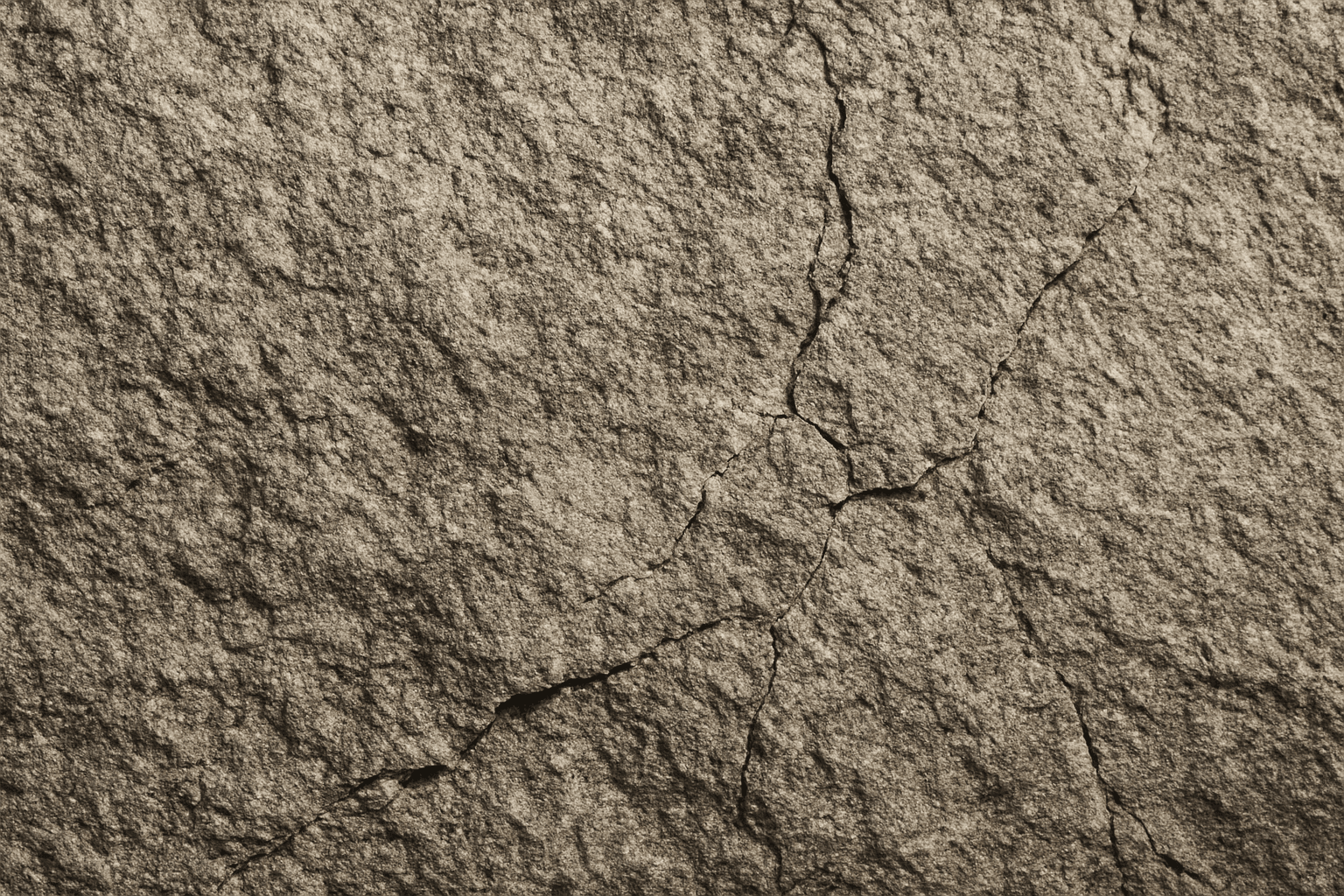
The 'Rough Stone Texture' keyword enhances AI-generated images by simulating the complex irregularities found in natural stone surfaces. This texture adds depth and authenticity to visuals, making materials appear tactile and rugged rather than smooth or artificial. It is especially valuable in rendering natural elements, architectural details, or backgrounds requiring realistic stone appearance. Using precise prompts with this keyword guides AI models toward creating images with detailed stone grains, cracks, and surface imperfections, aligning with authentic rough stone features found in nature or construction materials.
Definition
Rough Stone Texture describes the coarse, uneven surface characteristics of natural or cut stone that appear rugged and unpolished. In AI image prompts, including this keyword guides the model to focus on rendering detailed surface imperfections such as grains, cracks, and jagged edges. This enhances the tactile and visual authenticity of stone materials in the generated image, making them appear realistically weathered or naturally formed rather than smooth or artificial.
Prompt Formula
Use specific phrases combined with 'rough stone texture' to enhance output quality and control. For example:
- 'High-detail rough stone texture with visible cracks and grains'
- 'Weathered rough stone texture under natural sunlight'
- 'Close-up of rough stone texture showing depth and irregularity'
- 'Rough stone texture background with subtle shadowing'
Best Use Cases
- Architectural renders needing realistic stone facades or walls
- Natural landscape visuals featuring rocky or stony elements
- Product mockups highlighting stone materials like tiles, slabs, or countertops
Creative Variations
To prevent repetitive results and increase creativity, vary prompts by adjusting style, lighting, and color:
- Change lighting conditions: dawn, dusk, direct sunlight, overcast
- Combine with color modifiers: mossy green, sandy beige, dark granite
- Vary composition: macro close-ups, wide shots of stone formations
- Experiment with artistic styles: hyperrealism, moody textures, minimalistic
Industry Applications
The rough stone texture keyword has strong commercial relevance across fields including:
- Real estate and architectural visualization for realistic stone building surfaces
- Ecommerce product imaging for stone-crafted goods like countertops and tiles
- Editorial and advertising media requiring natural or rugged textures to convey authenticity
Common Mistakes
Typical errors when using rough stone texture prompts include generating overly smooth, flat, or generic surfaces which lack realistic detail. Avoid vague descriptions by specifying 'rough', 'detailed', and context like 'cracks' or 'grains'. Using too many competing texture keywords may muddy the image, so focus on clarity. Ensure lighting matches texture to enhance depth and avoid unnatural shine that contradicts roughness.
FAQ
How can I make the rough stone texture look more realistic in AI-generated images?
Specify detailed descriptive terms like 'visible cracks', 'grainy surface', and natural lighting settings. Including close-up or macro perspectives helps emphasize texture depth, while avoiding excessive smoothness improves realism.
Can I use rough stone texture for objects beyond natural settings?
Yes, applying this texture to architectural elements, sculptures, or product surfaces enhances material authenticity and tactile visual appeal across various contexts.
Continue Exploring
Related Prompts
Rough Stone Surface Texture
The 'rough stone surface texture' keyword enriches AI-generated images by emphasizing the coarse and uneven qualities of stone materials. Incorporating this into prompts directs the AI to produce surfaces with natural irregularities, such as grains, cracks, and rugged edges, which simulate real-world rough stone. This texture adds depth and realism, making visuals suitable for architectural renders, backgrounds, or tactile material studies. By mastering this keyword, creators can enhance visual storytelling where material authenticity plays a key role in immersion or aesthetic appeal.
Concrete Texture
Using 'Concrete Texture' as a keyword in AI image generation is essential when aiming to simulate authentic concrete surfaces. This texture is characterized by its rough, grainy appearance with fine cracks and natural variations in tone, which contribute to a realistic material effect. Incorporating 'Concrete Texture' enriches scenes by adding depth and tactility, suitable for architectural renders, product backgrounds, or abstract compositions. It helps avoid flat or artificial appearances of concrete elements by instructing the AI to focus on the physical traits of concrete surfaces. This keyword is especially useful when high-fidelity material depiction is required for design presentations or digital art.

Rough Concrete Surface Texture
The 'Rough Concrete Surface Texture' keyword is essential for generating realistic architectural and artistic images where material authenticity is key. This texture conveys the tactile sensation of coarse, unfinished concrete, distinguished by its irregular surface, visible small stones, and imperfections like cracks and pores. Including this keyword in AI prompts enhances image realism by focusing on material detail. It is especially valuable in designs requiring gritty, industrial, or urban aesthetics, contributing to a sense of depth and authenticity in both digital and print projects. Mastery of rendering this texture helps designers and artists produce compelling visuals that resonate with users seeking raw and tangible surfaces.
Granular Surface Texture
Granular Surface Texture is a key descriptive keyword used in AI image prompting to achieve photorealistic and tactile surfaces characterized by finely distributed grains or tiny particles. This texture offers an intricate level of detail that enriches the material quality of objects, making them appear more natural and tangible. When included in prompts, it encourages the generation of surfaces akin to sandpaper, concrete, rough fabric, or unpolished stone, providing visual complexity that appeals to designers and artists alike. Its use can transform otherwise flat or generic surfaces into engaging, dynamic visuals with depth and interest. This makes it valuable across many creative projects, from product visualization to environmental design.
Concrete Wall Texture
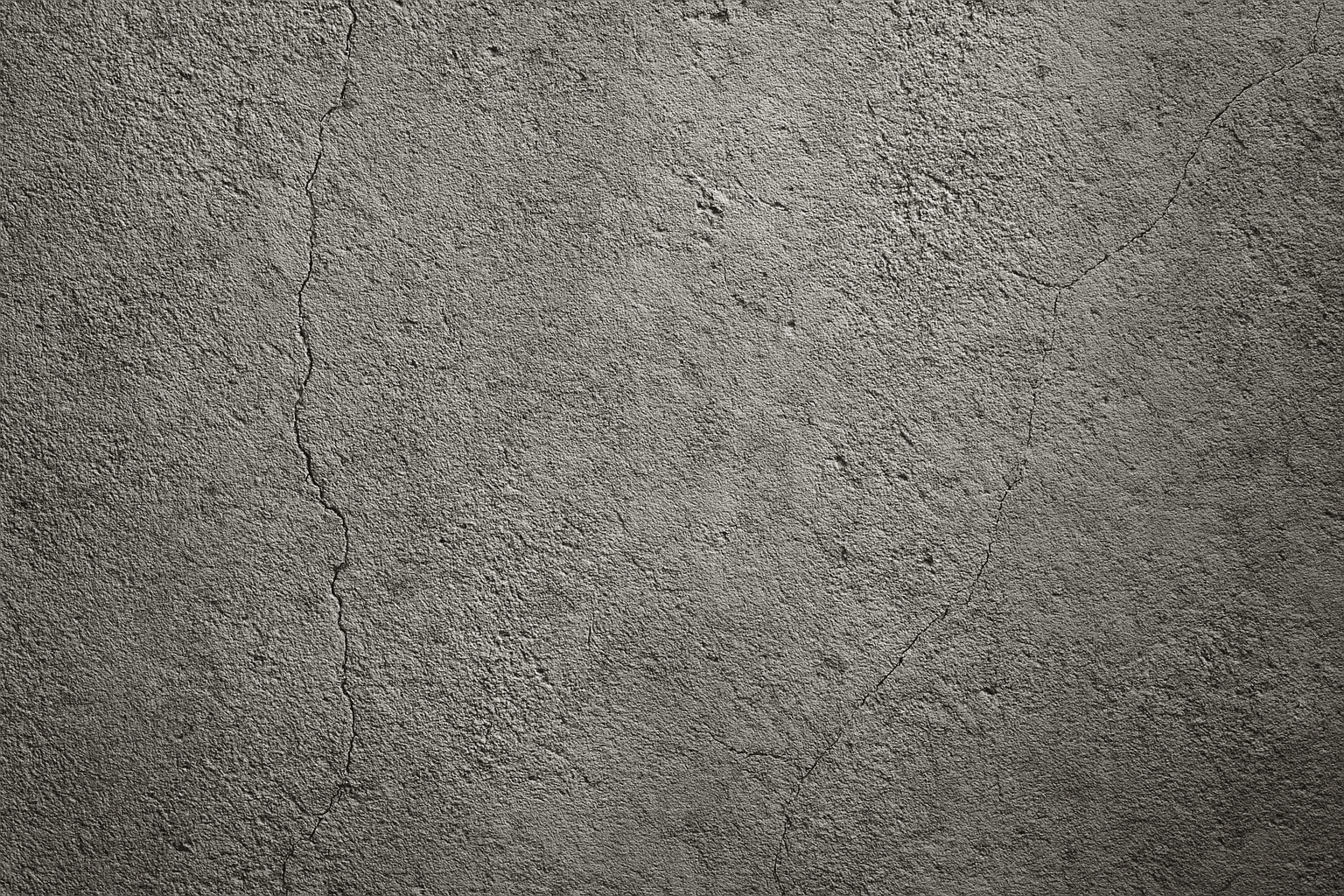
Concrete wall textures are a popular element in AI-generated imagery, valued for their ability to add a rugged, industrial feel to backgrounds and surfaces. This texture closely mimics the real-world appearance of concrete, featuring a mix of gray hues, roughness, and often subtle imperfections like streaks or cracks. When used in AI prompts, it directs image generators to emphasize materiality and structural realism, making it indispensable for architectural visualizations, graphic designs, and product backgrounds that require a tactile, authentic look. This keyword enhances the visual depth and lends an understated rawness to compositions, without drawing focus away from the main subject.
Rough Canvas Texture
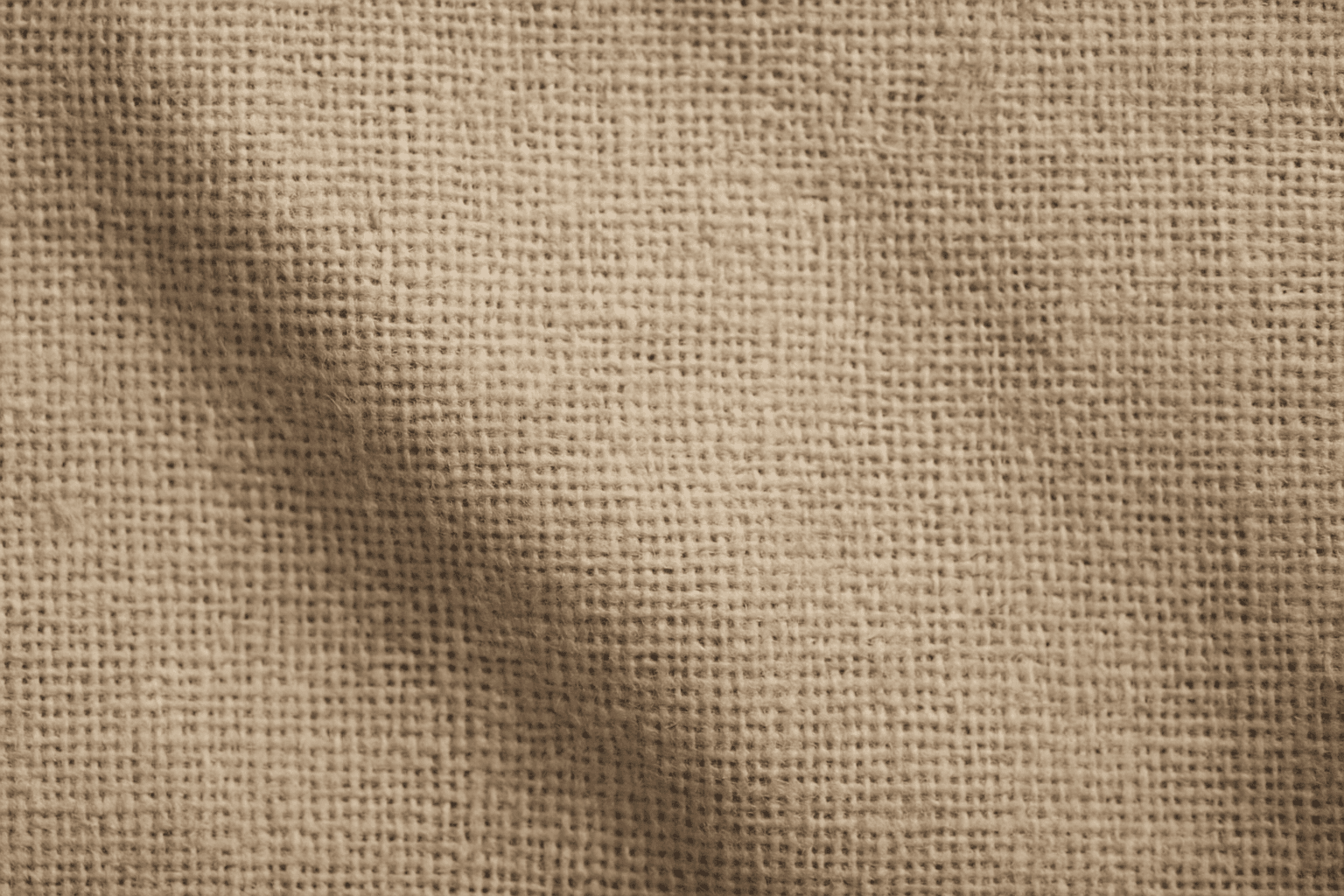
Rough Canvas Texture describes the distinct appearance of coarse woven fabric, typically made from natural fibers like cotton or linen. This texture is characterized by a pronounced weave pattern and a tactile, uneven surface. When used in AI image prompts, it enhances realism by simulating the physical characteristics of canvas materials often seen in paintings, upholstery, or artistic backgrounds. It helps bring a natural, handcrafted feel to digital images, enriching their visual depth and authenticity. This texture suits creative projects aiming to blend digital art with organic elements, serving as a compelling backdrop or detail layer.