Wood Grain Surface Texture
Wood grain surface texture captures the intricate patterns and natural beauty found in wooden materials. This texture is characterized by flowing lines, knots, and a warm color palette that conjures the organic essence of wood. When incorporated in AI image generation prompts, it helps models produce authentic wooden surfaces, from smooth polished floors to rustic furniture with visible fibers. Wood grain lends tactile depth and aesthetic appeal, making images more immersive and rich in detail. Its versatility allows for use across design, interior visualization, product mockups, and artistic compositions, enhancing the material realism dramatically.

Definition
Wood grain surface texture is the distinctive pattern created by the fibers and growth rings of wood visible on wooden objects. Including this keyword in AI prompts directs the model to recreate authentic wooden surfaces with fine linear and irregular grain patterns, which affect how light interacts with the material for a realistic effect.
Visual Characteristics
- Natural linear or wavy lines following the wood's fibers
- Color gradients ranging from light tan to rich brown shades
- Inclusion of knots, pores, or slight surface imperfections enhancing realism
Prompt Formula
To generate compelling images with wood grain surface texture, combine descriptive elements like material type, lighting, and close-up focus in your prompt for detail clarity. Examples include specifying polished or rustic finish, natural light or studio lighting, and angle or composition details to highlight the grain.
- "Close-up of [material] surface with detailed wood grain texture"
- "[Adjective] wooden [object] showcasing natural grain patterns under [lighting]"
- "[Style] composition featuring wood grain surface texture and organic color variations"
Best Use Cases
- Realistic product visualizations involving wood furniture or packaging
- Interior design or architectural renders needing natural material details
- Backgrounds or decorative elements for editorial and advertising imagery
Creative Variations
Vary creative parameters by exploring different wood types (e.g., mahogany, oak, pine), finishes (matte, glossy, weathered), and lighting conditions (warm natural sunlight, cool studio light) to diversify outputs. Incorporate close-up macro shots or wider contextual scenes to emphasize texture scale and detail.
- Experiment with wood species to alter grain complexity and color
- Use directional lighting to accentuate grain patterns and surface depth
- Combine wood grain with contrasting materials like metal or fabric for texture interplay
Industry Applications
- Ecommerce platforms displaying furniture and home goods with material accuracy
- Interior design marketing showcasing refined wood surfaces in spaces
- Advertising visuals emphasizing natural, warm, and authentic textures
Common Mistakes
A common mistake is using vague prompts like "wood texture" without specifying grain details, resulting in generic or flat surfaces. Overdone modifiers can create unrealistic or visually noisy grain. Avoid neglecting lighting and perspective, which are crucial to rendering convincing wood grain depth and surface interplay.
- Using generic terms without specifying grain detail leads to bland textures
- Excessive adjectives can result in busy, unnatural grain patterns
- Ignoring lighting conditions diminishes the texture’s perceived realism
Advanced Techniques
Enhance prompts by combining "wood grain surface texture" with material finish types, environment context (e.g., weathered outdoor wood), and detailed lighting setups such as rim light or subsurface scattering. Use negative prompts to reduce unwanted artifacts and guide AI towards subtle, refined grain appearances.
- Pair with finish descriptors like "varnished," "weathered," or "polished" for finish nuance
- Include environment context (indoors, outdoors, age effects) to add realism layers
- Apply negative prompts to suppress artificial artifacts or color overlays
FAQ
How do I get AI to create realistic wood grain textures?
Include specific descriptors like wood type, surface finish, lighting details, and focus on close-up or macro angles in your prompts to drive realistic grain reproduction.
Can wood grain texture be combined with other materials in AI images?
Yes, combining wood grain with metal, fabric, or stone textures enriches visual contrast and creates more dynamic and realistic compositions.
Continue Exploring
Related Prompts
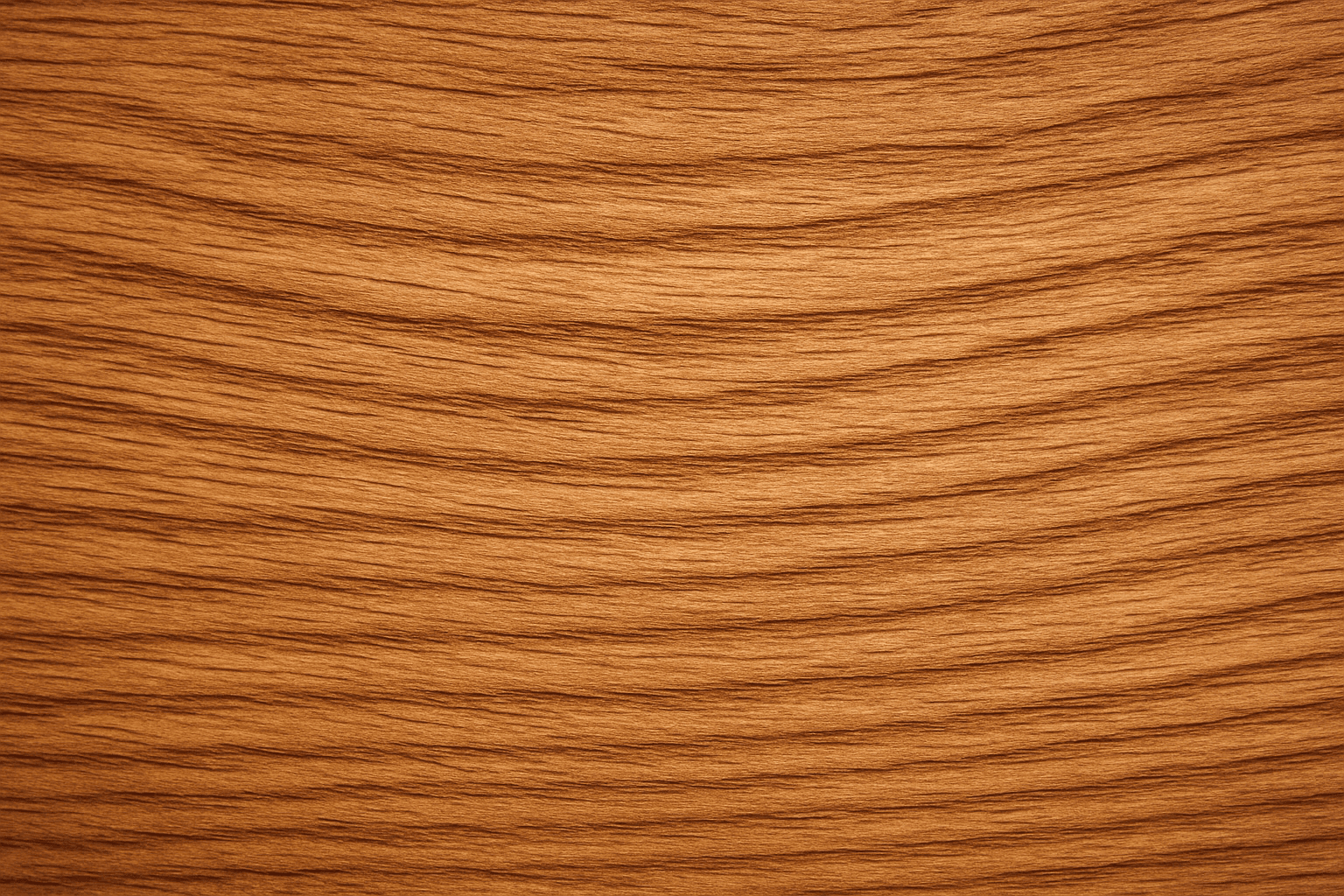
Wood Grain
Incorporating 'wood grain' into AI image prompts enriches visuals with authentic wooden textures that convey warmth and natural beauty. This keyword directs AI to replicate the complex, organic patterns seen in wood, including growth rings and surface details. It is ideal for creating backgrounds, materials, or objects that visually suggest wood, lending depth and tactile quality to images. When employed thoughtfully, it helps artists, designers, and content creators generate engaging visuals for furniture design, nature themes, or rustic aesthetics with subtle lighting and realistic material simulation.
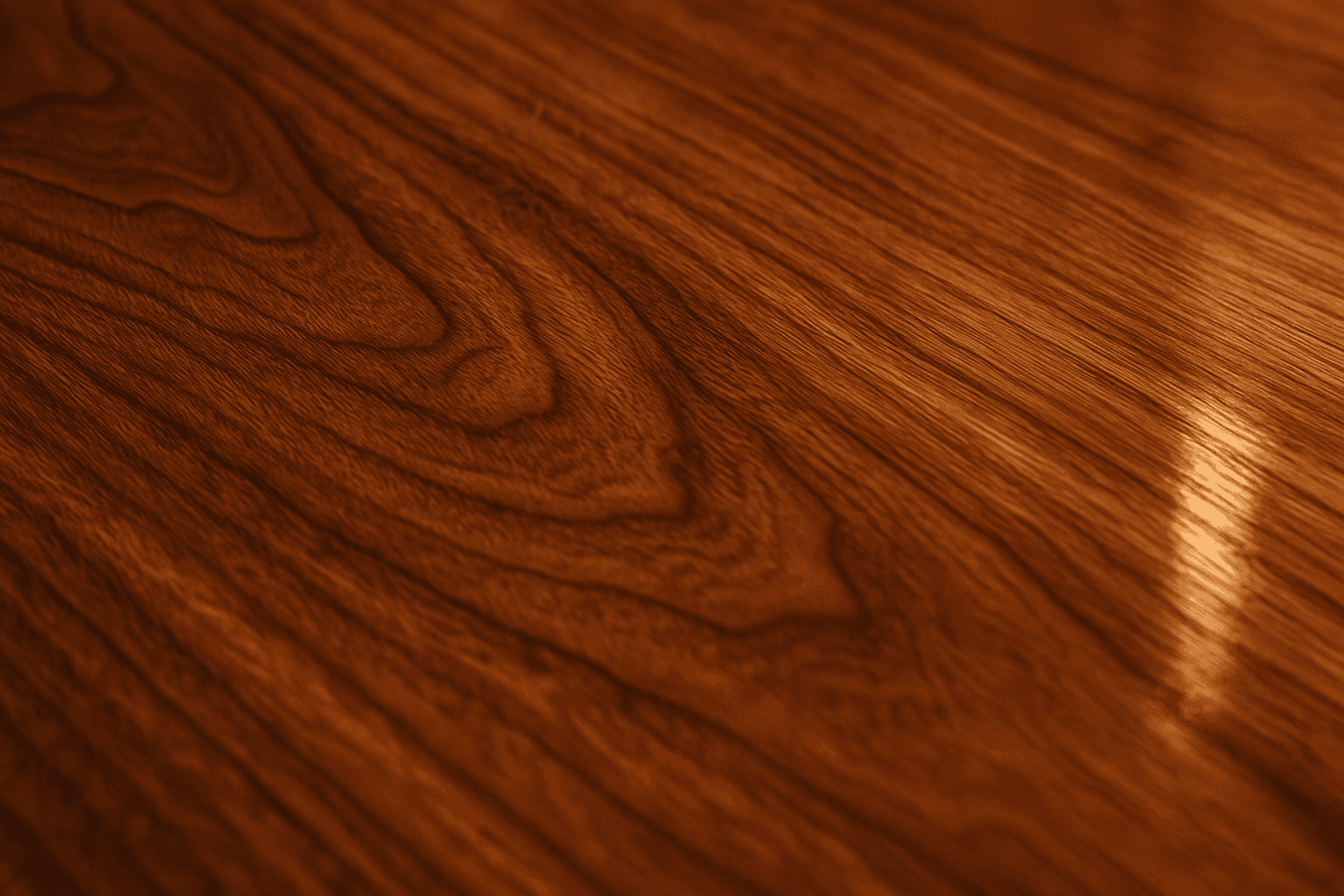
Polished Wood Grain Texture
Polished wood grain texture is essential for creating images that emphasize realistic and luxurious wood surfaces. This texture highlights the intricate wood lines and rings, enhanced by a polished, glossy finish that reflects light subtly, adding depth and richness. When used in AI art prompts, it generates images of wood that look refined and tactile, suitable for premium product backgrounds, interior design visuals, furniture presentations, and editorial photography. It conveys warmth and natural elegance while maintaining a modern, clean aesthetic.
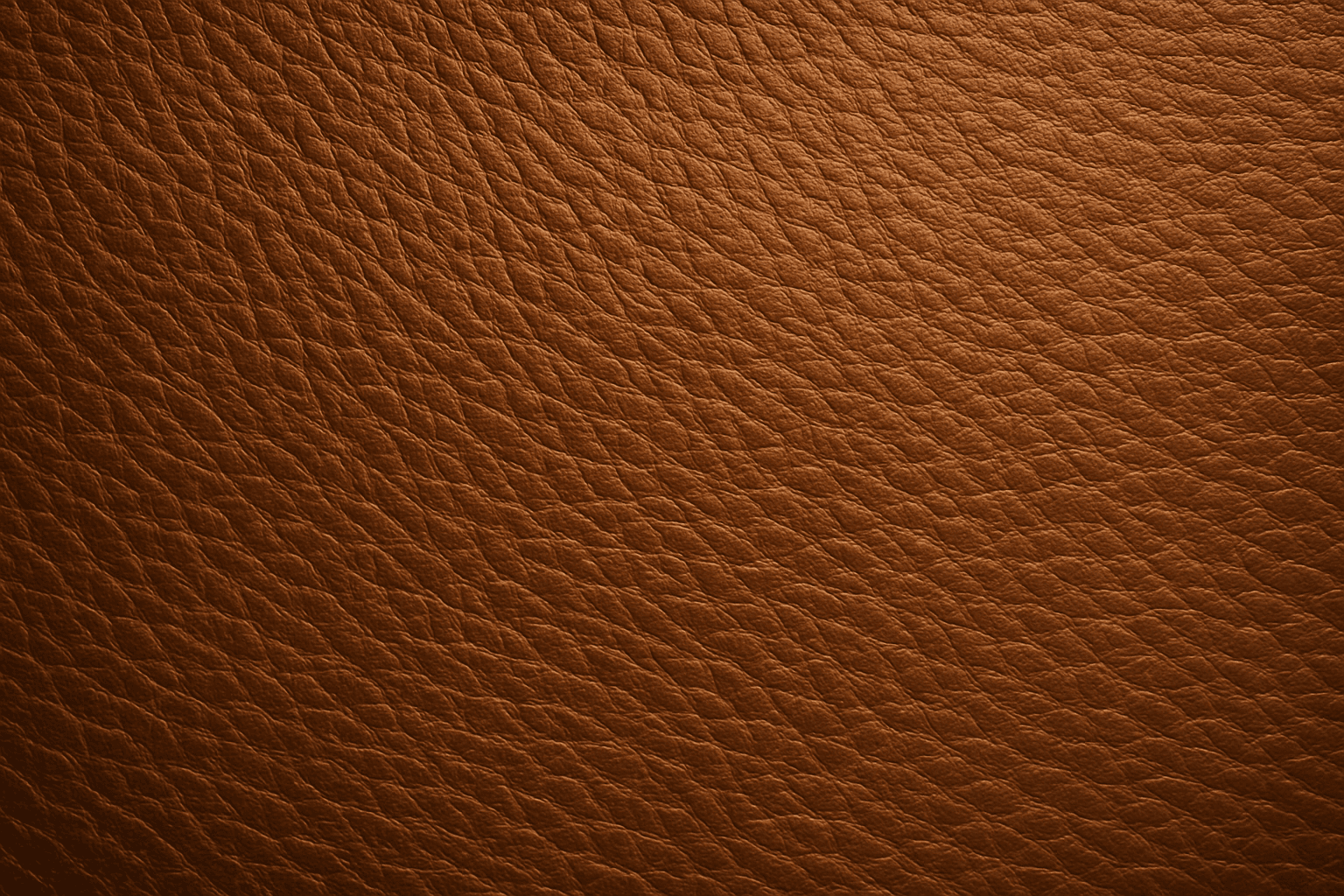
Leather Grain Texture
Using 'Leather Grain Texture' in AI image prompts allows creators to generate images with highly detailed and realistic leather surfaces. This keyword enhances the tactile quality of materials depicted, making them appear more authentic and premium. The characteristic grain patterns convey luxury and craftsmanship, useful for designs needing sophisticated material representation. When combined with appropriate lighting and composition, this texture can create visually rich images suitable for product visualization, fashion editorials, or interior design concepts. Mastery of this keyword helps artists achieve depth and realism in their material renderings, appealing to audiences seeking visually convincing visuals.
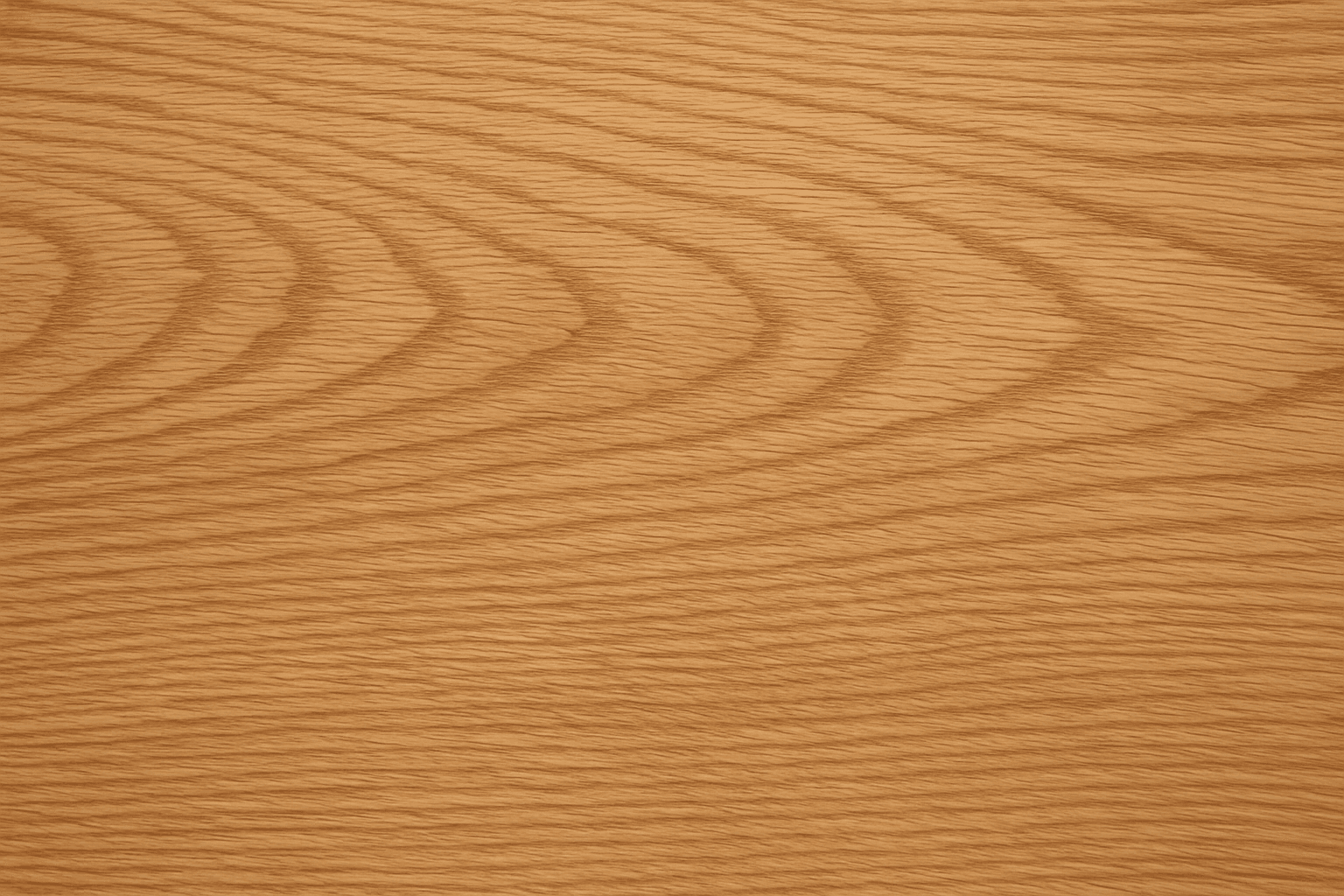
Natural Wood Grain
Using the 'natural wood grain' keyword in AI prompts enables creators to generate images that showcase the authentic texture and appearance of wood surfaces. This keyword helps emphasize the organic features of wood, including its characteristic rings, knots, and fiber patterns. The result is a realistic depiction often required in product mockups, interior design visualizations, or nature-inspired artworks. Accurately rendering wood grain adds depth and authenticity to images, making them more visually appealing and true to life, which benefits designers and marketers who focus on natural or crafted wooden elements.
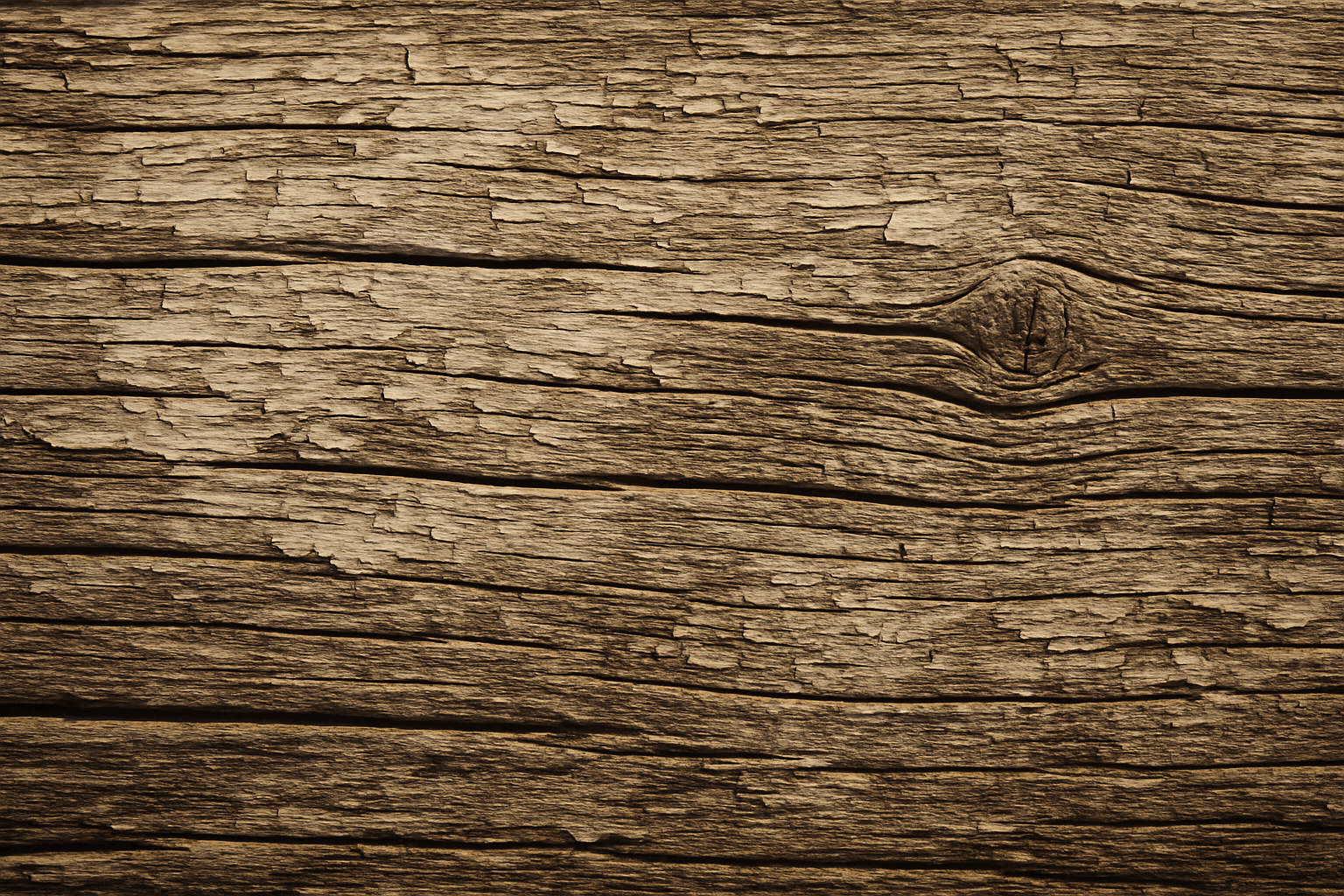
Weathered Wood Texture
Weathered wood texture is prized in design and digital art for conveying authenticity and natural aging. It evokes warmth and rustic charm by representing wood that has been exposed to sun, rain, and wind over time. When used in AI prompt engineering, incorporating 'weathered wood texture' guides image generation models to produce materials that look tactile and imperfect, often featuring grain irregularities, color variations, and surface damage. This texture works well for backgrounds, architectural visualization, product packaging, and artistic projects where natural, worn aesthetics are desired, adding depth and storytelling potential to digital imagery.
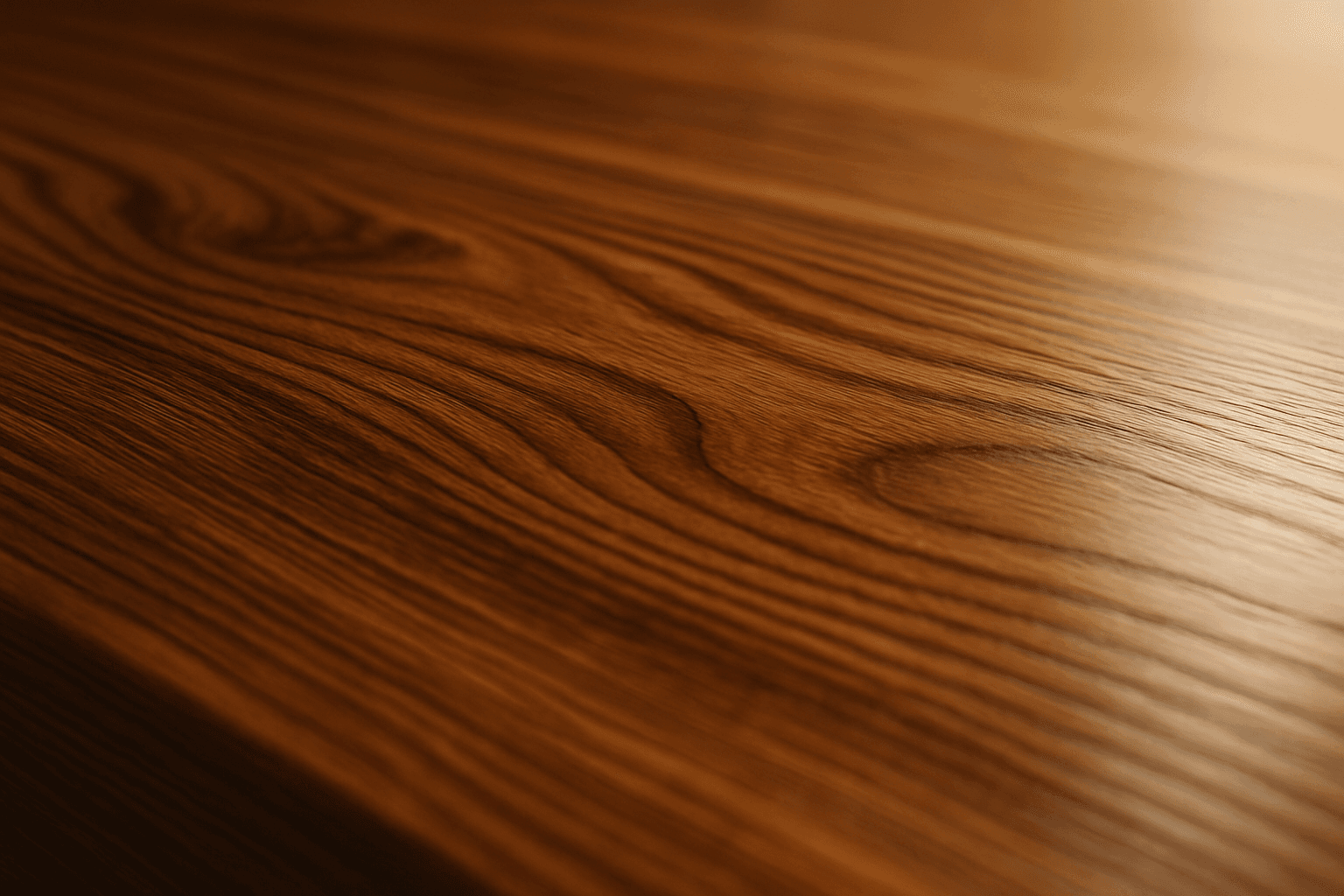
Polished Wood Texture
The 'Polished Wood Texture' keyword is essential for creating highly realistic and visually appealing wood surfaces in AI-generated imagery, especially in product design, interior visualization, and material studies. This texture emphasizes the fine finish and reflective qualities of wood that has been carefully sanded and treated with a glossy coating, producing subtle light reflections and depth. Using this keyword, artists and designers can quickly convey a sense of luxury, craftsmanship, and natural warmth in their images. It works effectively with various wood types and complements modern editorial aesthetics that value clean, premium material representations. Leveraging this texture in AI-generated images helps achieve a refined realism suitable for high-end design presentations or stock imagery.