Cracked Paint Wall Texture
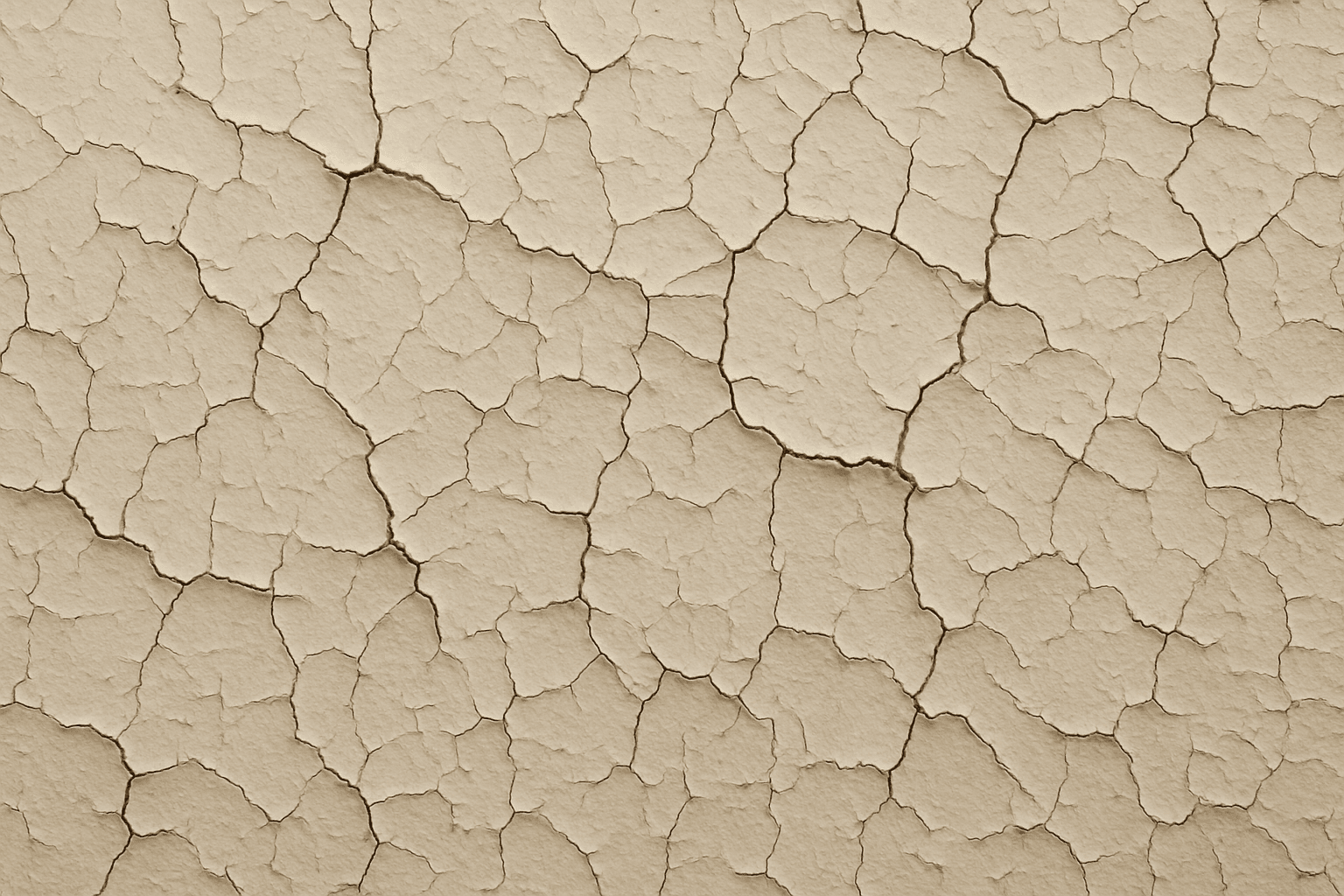
Cracked paint wall texture is a highly sought-after element in digital art and design for its ability to convey urban decay, vintage charm, or neglected environments. When applied to AI image generation, this keyword guides models to create detailed and photorealistic renderings of distressed wall surfaces marked by peeling, cracking, and flaking paint. These textures can evoke strong visual interest and tactile realism, ideal for use in backgrounds, material references, or concept art. Incorporating cracked paint enhances an image’s authenticity by simulating natural deterioration effects often seen in outdoor or abandoned settings, influencing the mood with aged aesthetics and weathered charm.
Definition
Cracked paint wall texture refers to the characteristic visual effect of painted wall surfaces that have developed cracks, chips, and peeling areas over time. This texture reveals the underlying materials beneath the paint and suggests aging, weather exposure, or neglect. When used in AI image prompts, including this keyword guides the model to generate surfaces emphasizing irregular paint fragmentation and natural patterns of decay.
Visual Characteristics
- Irregular network of fine to wide cracks breaking the paint surface
- Uneven color patches with some areas chipped or peeled off revealing substrate
- Tactile, rough appearance with visible texture depth and aged details
Prompt Formula
To generate convincing cracked paint wall textures, combine descriptive terms that highlight surface detail, lighting, and context. Use modifiers such as "high-resolution," "realistic lighting," or "photorealistic" to enhance quality. Example formula: [lighting style] + cracked paint wall texture + [environment or context] + [quality descriptors]. This formula allows flexible and detailed prompt construction for varied artistic needs.
Best Use Cases
- Creating authentic backgrounds in urban decay or abandoned scene illustrations
- Providing texture references for 3D artists working on aged surface materials
- Designing graphic elements that convey nostalgia or grunge aesthetics in branding
Related Styles
- Peeling paint texture for more severe flaking surfaces
- Weathered wall texture to emphasize overall material aging
- Distressed plaster texture for complementing rough, aged wall finishes
Model-Specific Tips
When working with modern AI image models, be explicit about texture quality and lighting to avoid overly flat or synthetic look. Use precise descriptors such as "natural light" or "soft shadows" to encourage depth. Avoid overly complex or ambiguous phrasing around paint damage; instead, directly mention 'cracked paint wall texture' with modifiers like 'realistic' or 'high detail.' Experiment with including context such as "exterior wall" or "close-up" to refine output focus and composition.
FAQ
How can I make cracked paint textures look more realistic in AI-generated images?
To achieve more realistic cracked paint textures, include modifiers specifying lighting conditions (e.g., natural or soft light), texture detail (e.g., high resolution, photorealistic), and avoid overly stylized descriptors. Mentioning close-up views or surface detail can help the model focus on minute cracks and roughness.
Can cracked paint wall texture be combined with other textures?
Yes, cracked paint wall texture often blends well with adjacent textures like peeling paint or weathered plaster. Combining these keywords helps create complex, layered surfaces showing various degrees of wear and aging, enhancing realism and visual interest.
Continue Exploring
Related Prompts
Cracked Paint Texture
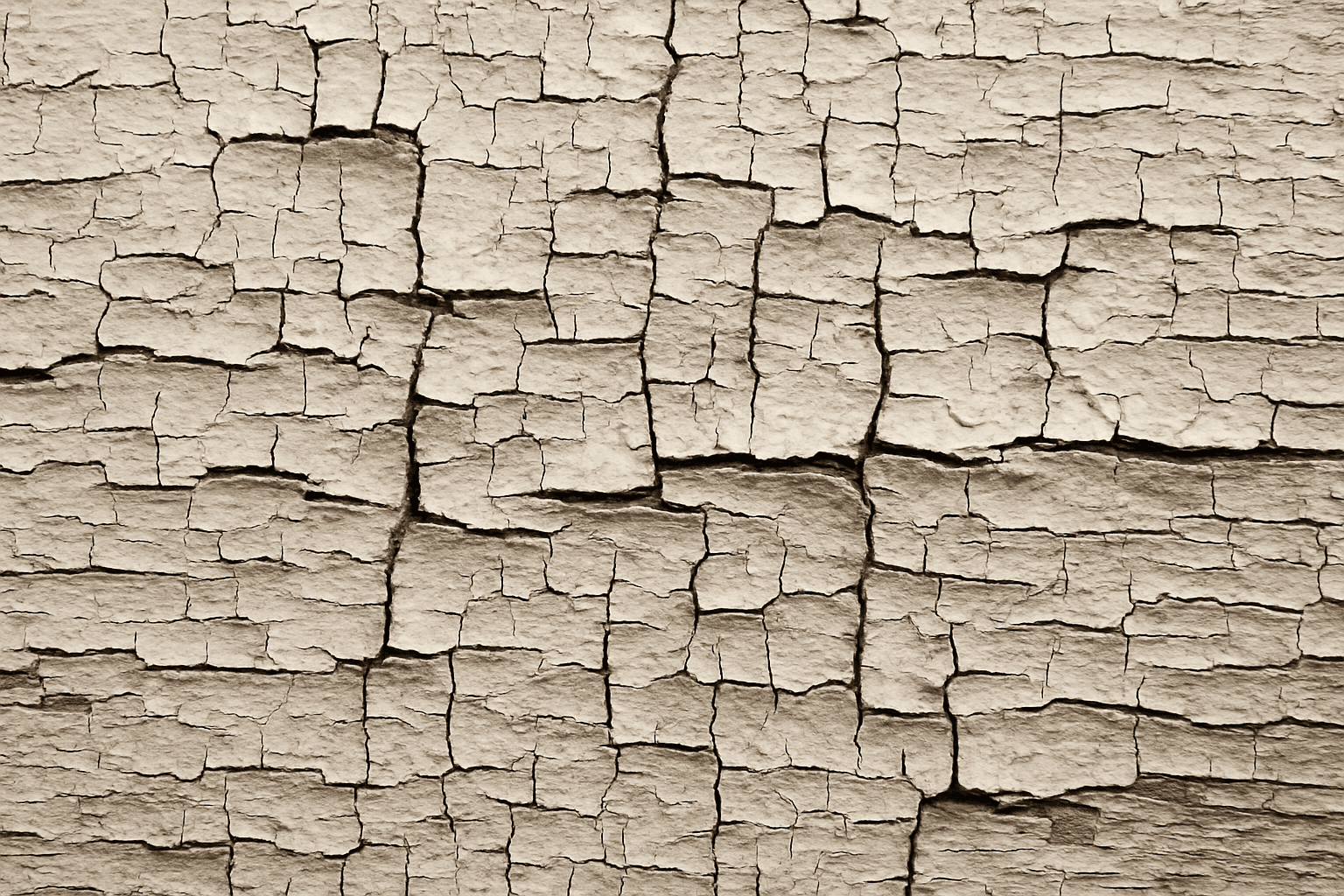
The cracked paint texture keyword enhances AI-generated images by adding a distinctive aged or weathered surface effect commonly seen on old walls, furniture, or vehicles. This texture introduces visual complexity and an organic feel, making scenes appear more realistic or artistically rich. By emphasizing imperfections, it invokes a tactile dimension that conveys history, decay, or rustic charm. Using this keyword allows creators to explore themes of time passage or urban aesthetics in digital art, photography-inspired visuals, or realistic product renders.
Distressed Paper Texture
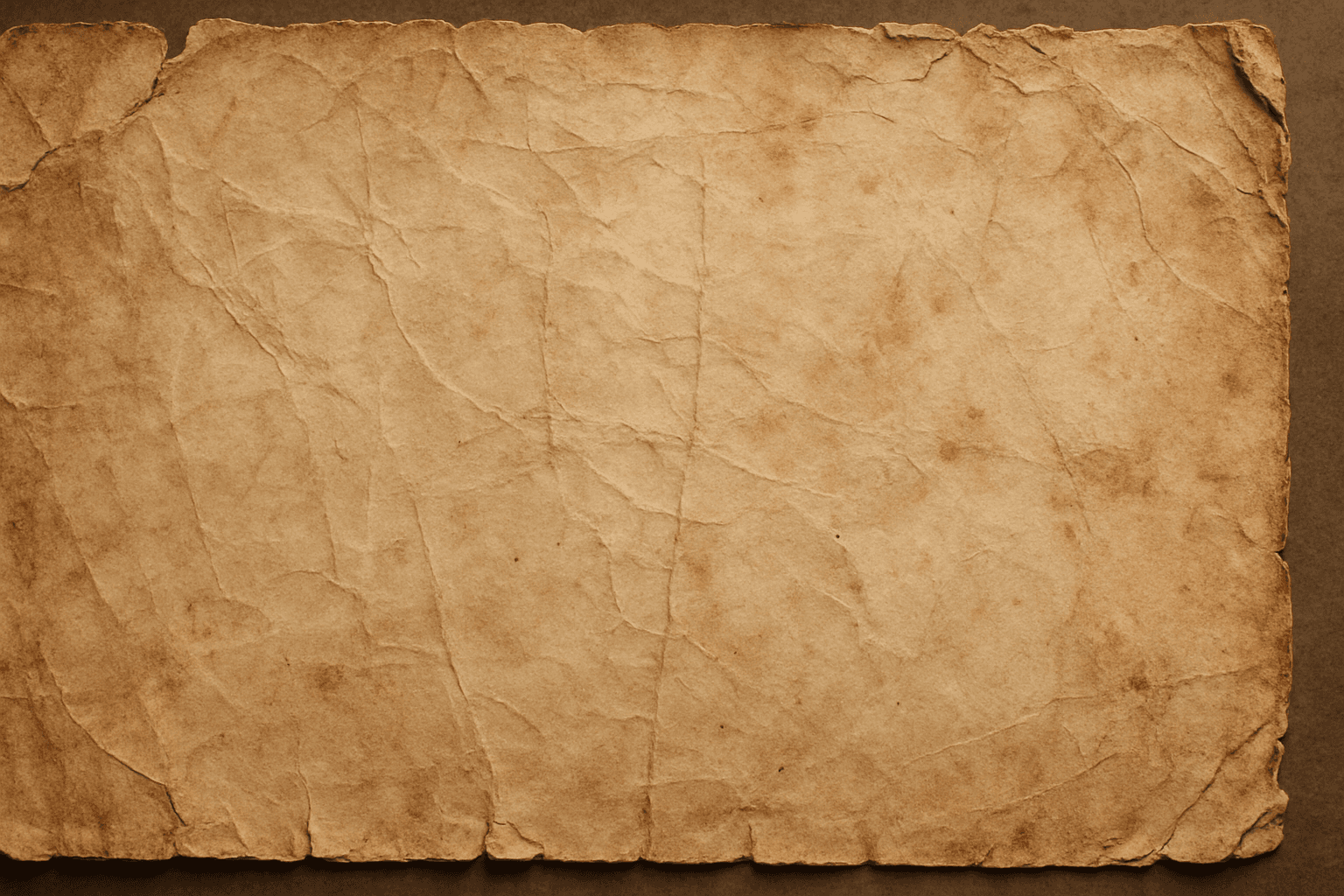
The distressed paper texture keyword is a valuable tool in AI image generation that adds authenticity and historical ambiance to digital artworks by simulating the look of aged or damaged paper. This effect is popular for creating backgrounds, overlays, or standalone textures in graphic design, photography adjustments, and illustrative projects. Incorporating distressed paper elements enriches visual storytelling, evokes nostalgia, and can enhance the mood of vintage or handmade aesthetics. Controlled application within prompts ensures that the wear appears natural without overpowering the primary subject.
Texture Overlay Techniques
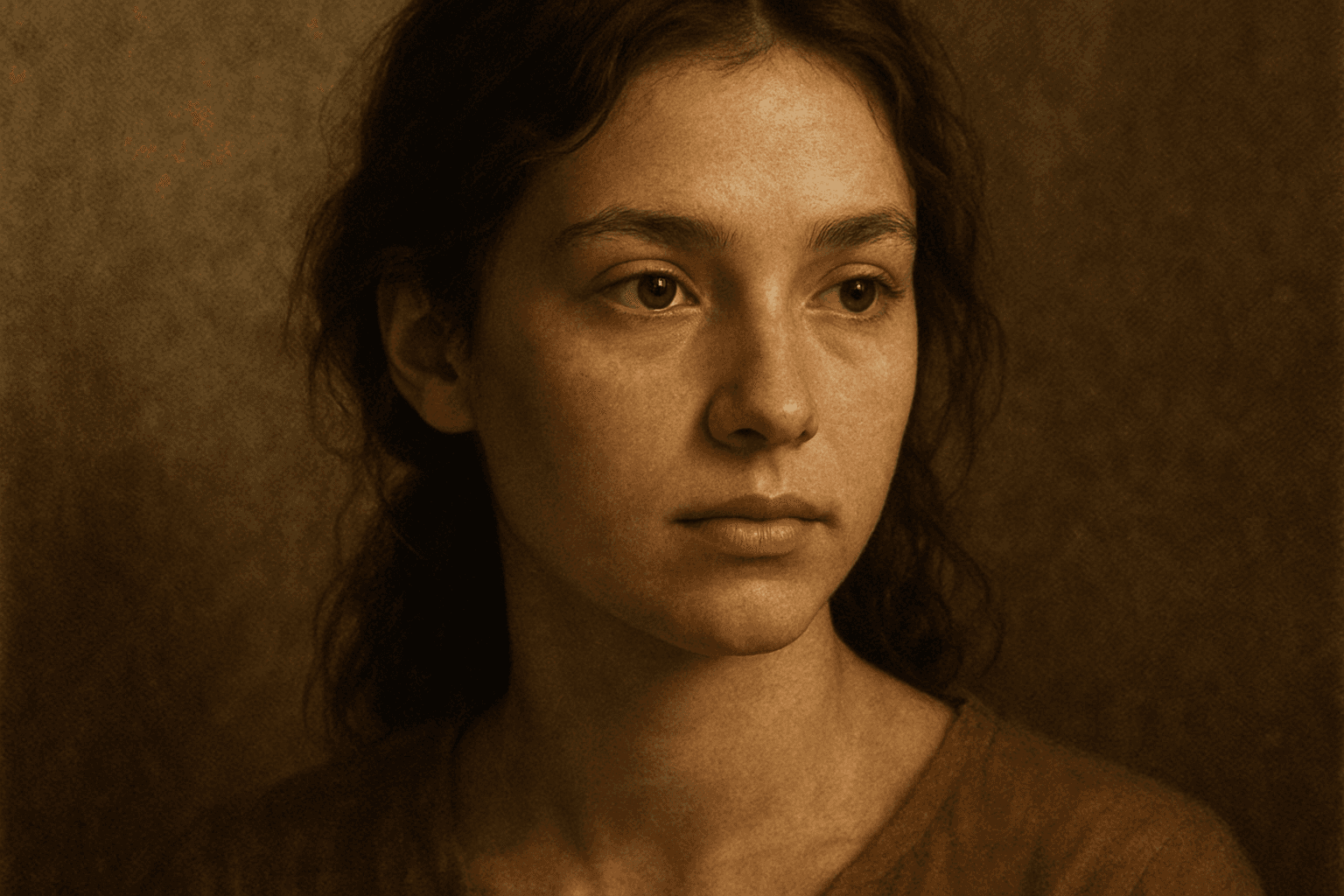
Texture Overlay Techniques are essential for artists and designers using AI image generation to add realistic or stylized surface qualities to their visuals. By specifying textures in a prompt, you can transform flat or generic images into rich, detailed creations that mimic physical materials or artistic effects. These overlays help in achieving mood, authenticity, or unique artistry by adding layers of complexity without altering the core composition. Whether you want a weathered wall effect or a glossy metallic finish, texture overlays deepen the narrative and visual appeal. Understanding how to incorporate texture keywords and their combinations allows for controlled refinement and diverse outputs, making images stand out in editorial, commercial, or creative projects.
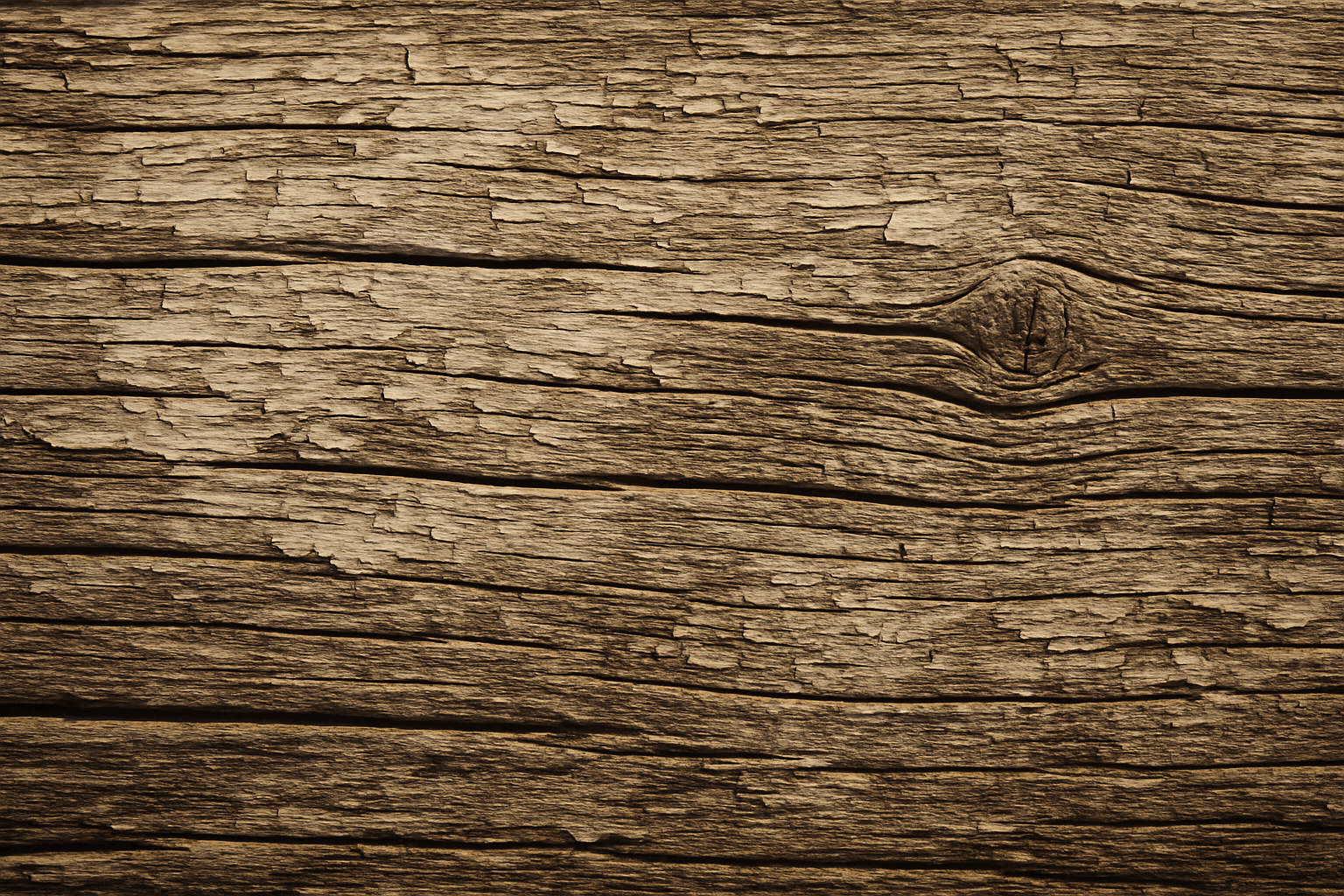
Weathered Wood Texture
Weathered wood texture is prized in design and digital art for conveying authenticity and natural aging. It evokes warmth and rustic charm by representing wood that has been exposed to sun, rain, and wind over time. When used in AI prompt engineering, incorporating 'weathered wood texture' guides image generation models to produce materials that look tactile and imperfect, often featuring grain irregularities, color variations, and surface damage. This texture works well for backgrounds, architectural visualization, product packaging, and artistic projects where natural, worn aesthetics are desired, adding depth and storytelling potential to digital imagery.
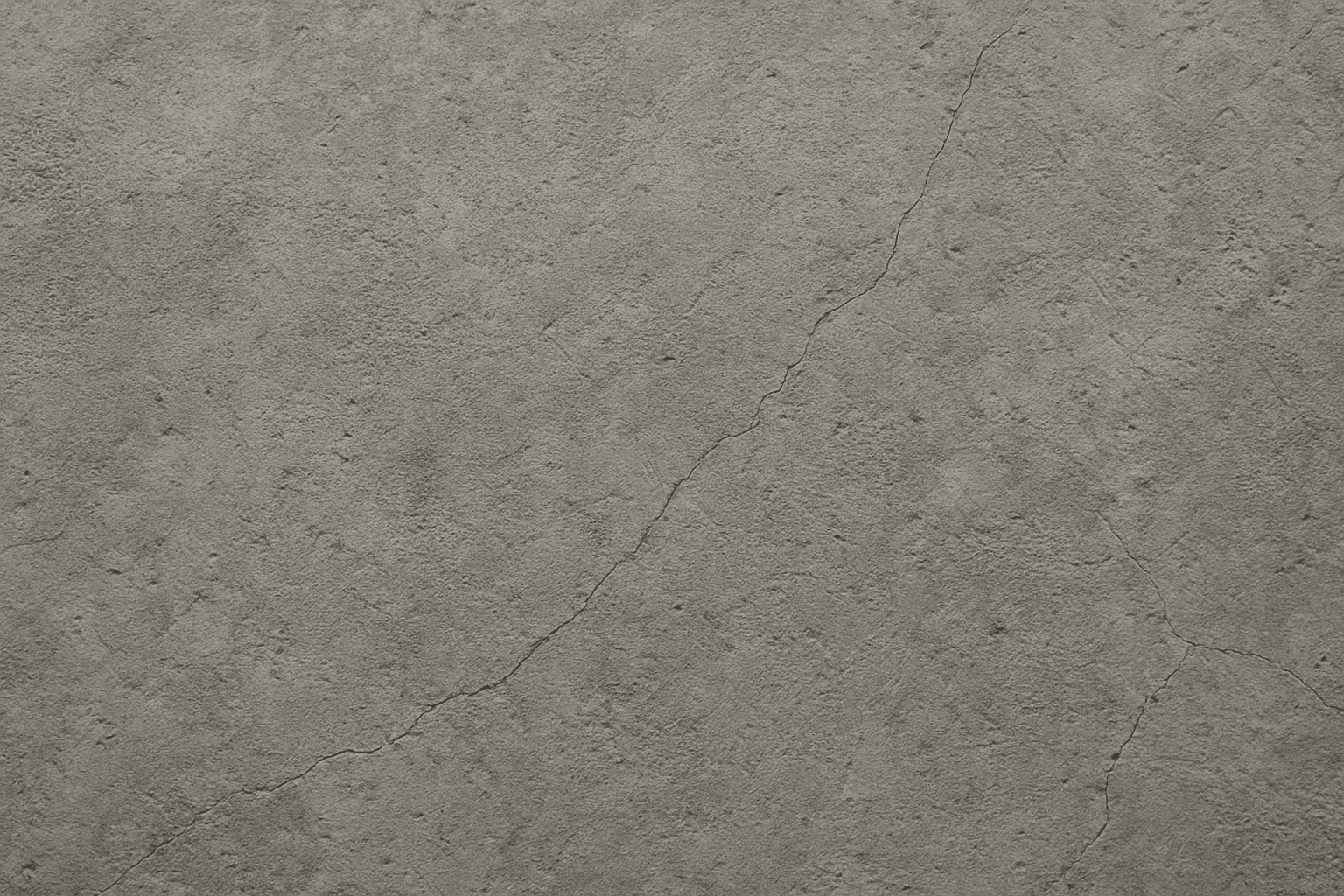
Concrete Floor Texture
In AI image generation, 'Concrete Floor Texture' is a valuable keyword for producing surfaces that convincingly imitate real concrete. The texture embodies a mix of roughness, mild imperfections, and muted gray shades that convey an industrial or urban environment. Including this keyword enriches image realism, contributing tactile authenticity to floors, walls, or backgrounds. Designers, architects, and visual artists often use concrete textures to enhance the depth and grounded feel of their work, as it anchors objects in believable settings. Whether used in minimalist interiors or rugged outdoor spaces, this texture elevates a scene's atmosphere by introducing a tangible element that's both practical and visually compelling.
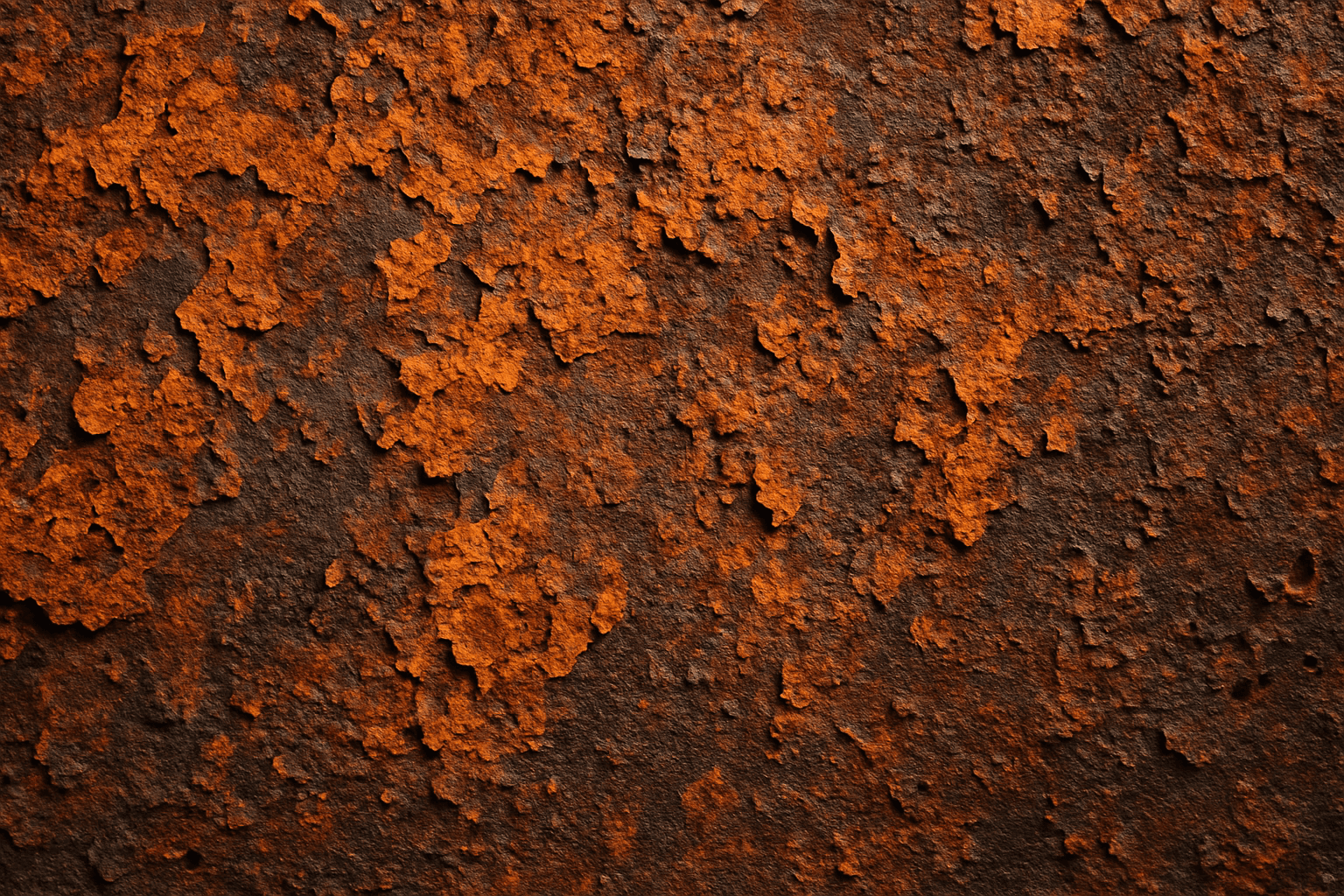
Aged Rusted Metal Texture
The keyword "Aged Rusted Metal Texture" evokes imagery of metal that has undergone natural corrosion over time, resulting in unique and complex surface patterns. In AI-generated visuals, this texture adds authenticity and vintage character, often featuring combinations of flaky rust, oxidized patches, and distressed metal surfaces. It enhances the tactile quality of materials and conveys a sense of history or neglect. Such textures are essential in design, art, and modeling when a raw, industrial, or antique aesthetic is desired. By manipulating this keyword in prompts, creators can produce diverse and compelling interpretations of rusted metal suitable for backgrounds, product renders, and artistic compositions.