Metallic Surface
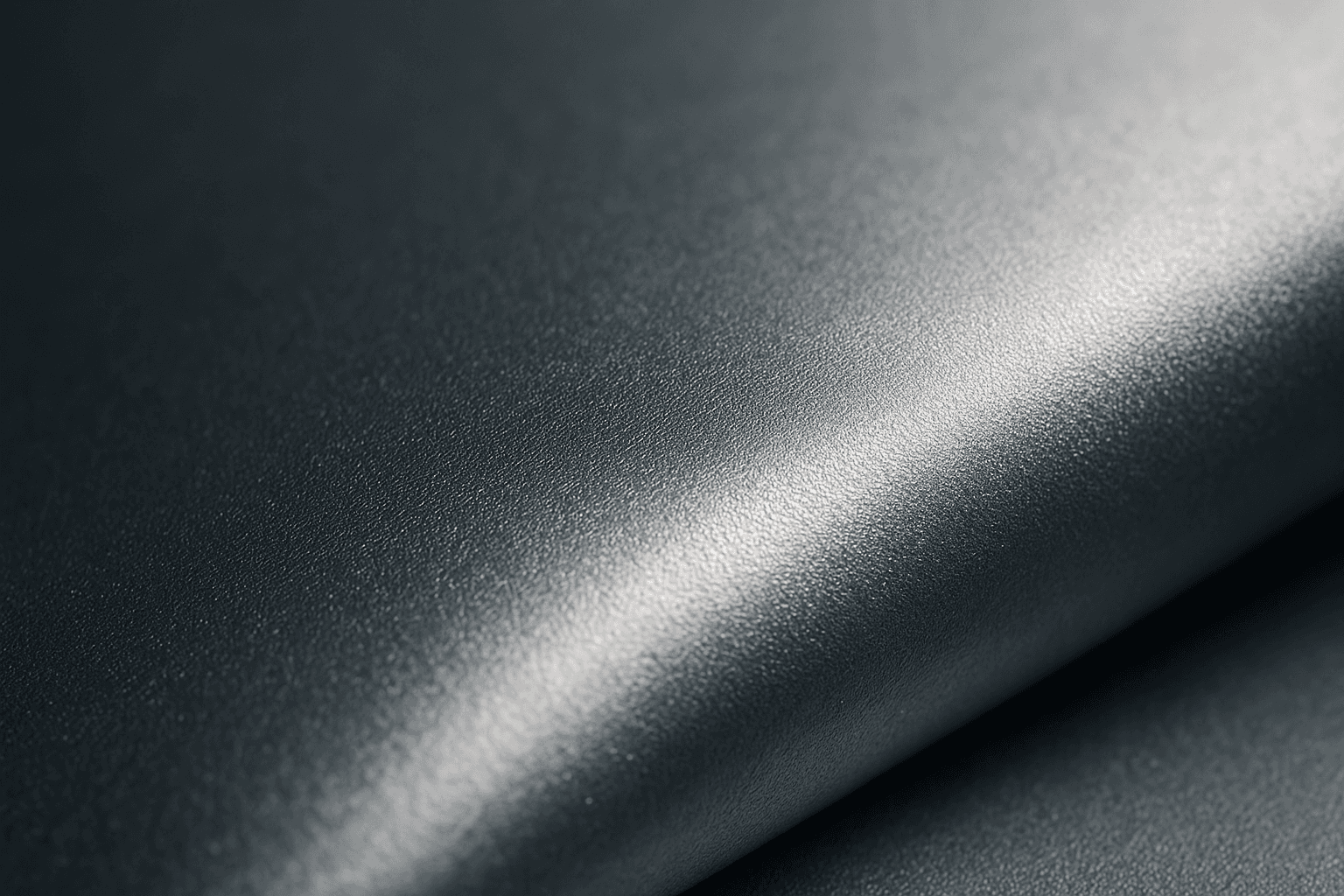
Metallic Surface is a material keyword for reflective metal finishes such as chrome, steel, aluminum, brass, gold, silver, or brushed metal.
Definition
Metallic Surface is a material keyword for reflective metal finishes such as chrome, steel, aluminum, brass, gold, silver, or brushed metal.
Visual Characteristics
- Specular highlights, reflections, cool or warm metallic sheen, and strong edge definition.
- Can feel futuristic, industrial, luxury, durable, precise, or premium.
- Works well with studio lighting, rim light, hard light, and product photography.
Best Use Cases
- Technology products, watches, jewelry, vehicles, appliances, tools, and industrial design.
- Luxury goods, futuristic concepts, automotive visuals, and premium product campaigns.
- Stock concepts about strength, innovation, precision, durability, and quality.
Prompt Examples
- A brushed aluminum speaker, metallic surface, studio lighting, cool tones, premium product photo.
- A luxury watch close up, metallic surface, rim light, controlled reflections, dark background.
- A futuristic vehicle detail, chrome metallic surface, hard light, clean commercial composition.
Adobe Stock Potential
Metallic Surface images are useful for tech, industrial, automotive, and luxury stock. Keep reflections controlled and avoid unwanted text or distorted brand-like marks.
FAQ
How do I specify metal type?
Use brushed aluminum, polished chrome, stainless steel, brass, gold, silver, or matte metal.
What lighting works for metal?
Studio lighting, rim light, hard light, and controlled reflections work well.
Continue Exploring
Related Prompts
Glass Reflection
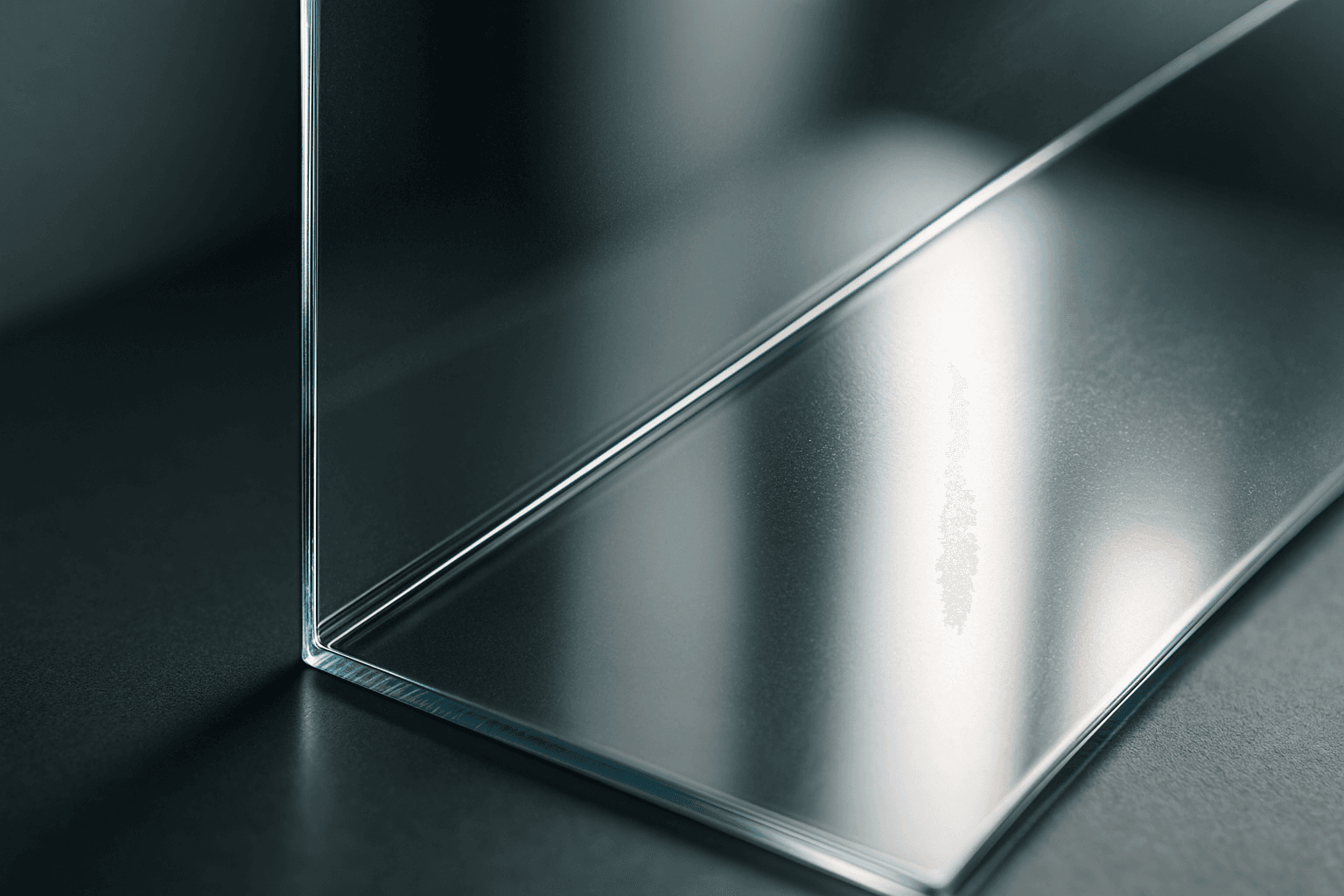
Glass Reflection is a material keyword that emphasizes transparent, glossy, reflective, or refractive surfaces. It adds polish and depth to product and design images.
Glossy Surface Finish
Adding a glossy surface finish to your AI image prompts transforms objects or materials by emphasizing their shiny, smooth qualities. It simulates surfaces like glass, polished metal, lacquered wood, or wet textures. This finish enhances realism by reflecting environmental light and adding depth, often making images appear more vibrant and tactile. Use it to create premium, high-end product renders, detailed textures, or eye-catching editorial visuals where surface quality matters. Glossy finishes can be combined with various materials and lighting setups, giving artists and designers flexibility to achieve the desired mood and style.

Plasticized Surface Texture
Plasticized Surface Texture emphasizes a sleek, shiny appearance with a polished, flexible quality resembling plastic materials. When used in AI image generation, it transforms surfaces into smooth, glossy finishes characterized by bright highlights and subtle reflections. This texture does not show roughness or matte properties but instead creates a distinctive synthetic look often associated with consumer products, packaging, or modern design elements. It helps convey contemporary, clean aesthetics and can enhance visual emphasis on material quality in digital rendering or conceptual imagery.

Reflective Surface Texture
Reflective surface texture is a crucial attribute in AI image generation for achieving realism and material accuracy. When prompts specify reflective qualities, AI models simulate how light interacts with surfaces, producing highlights, gleams, and subtle mirror-like effects. This texture can depict materials such as chrome, glass, water, or polished ceramics, each bringing unique reflective nuances. Using reflective surface texture enhances visual appeal by adding depth and sophistication to compositions, making objects stand out with premium polish. It suits a variety of styles from photorealistic renders to creative abstractions, bridging artistic and commercial needs for lifelike imagery.
Glossy Plastic Surface
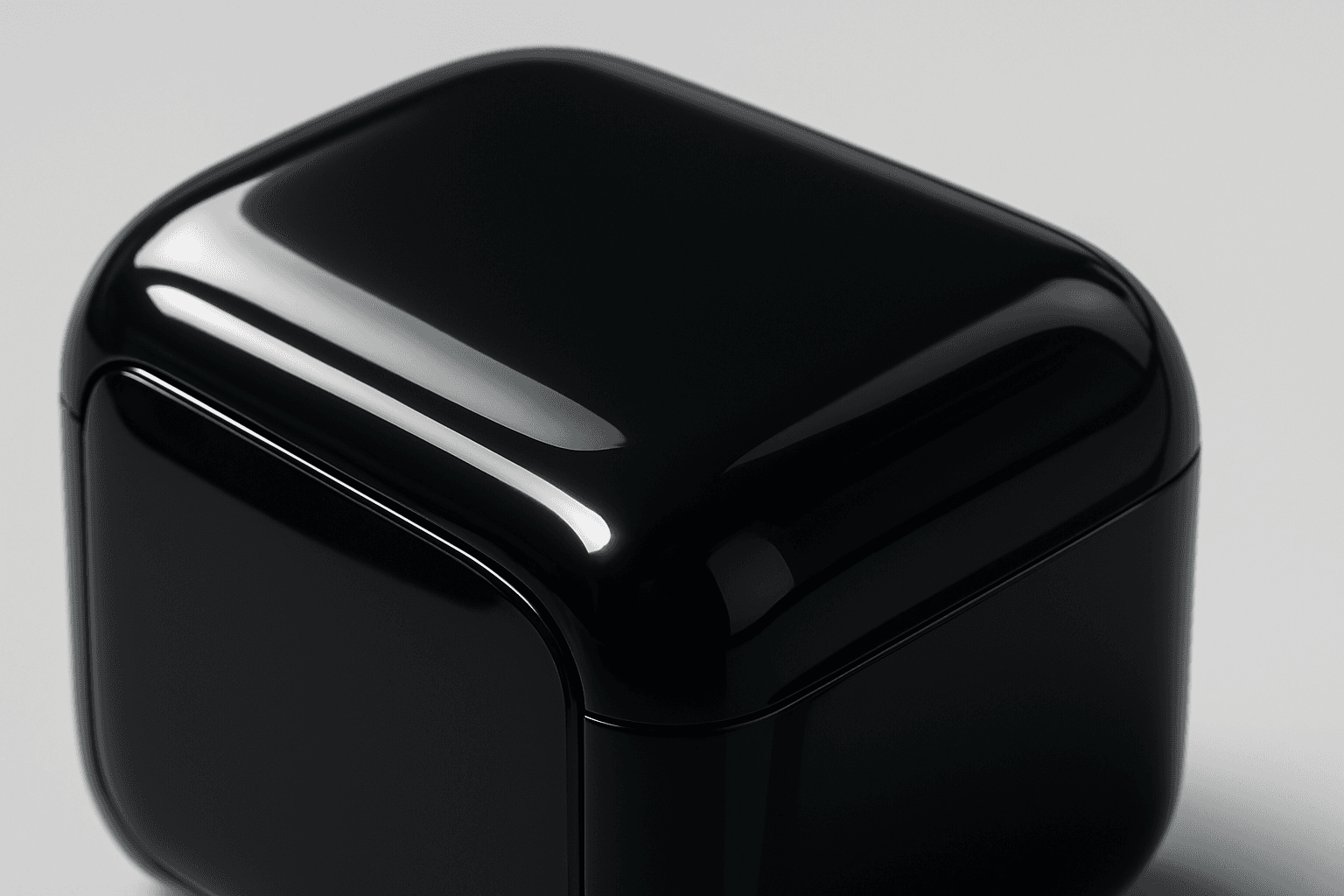
Adding 'Glossy Plastic Surface' in AI prompts introduces a sleek, shiny material effect that mimics polished plastic. This texture conveys a modern, manufactured feel, often used to depict objects with synthetic coatings or stylish packaging. The characteristic shine results from simulated light reflections, creating distinct highlight spots and smooth gradients that emphasize surface smoothness. This keyword helps differentiate images by adding an artificial luster, elevating the material realism in digital renders and creative compositions.
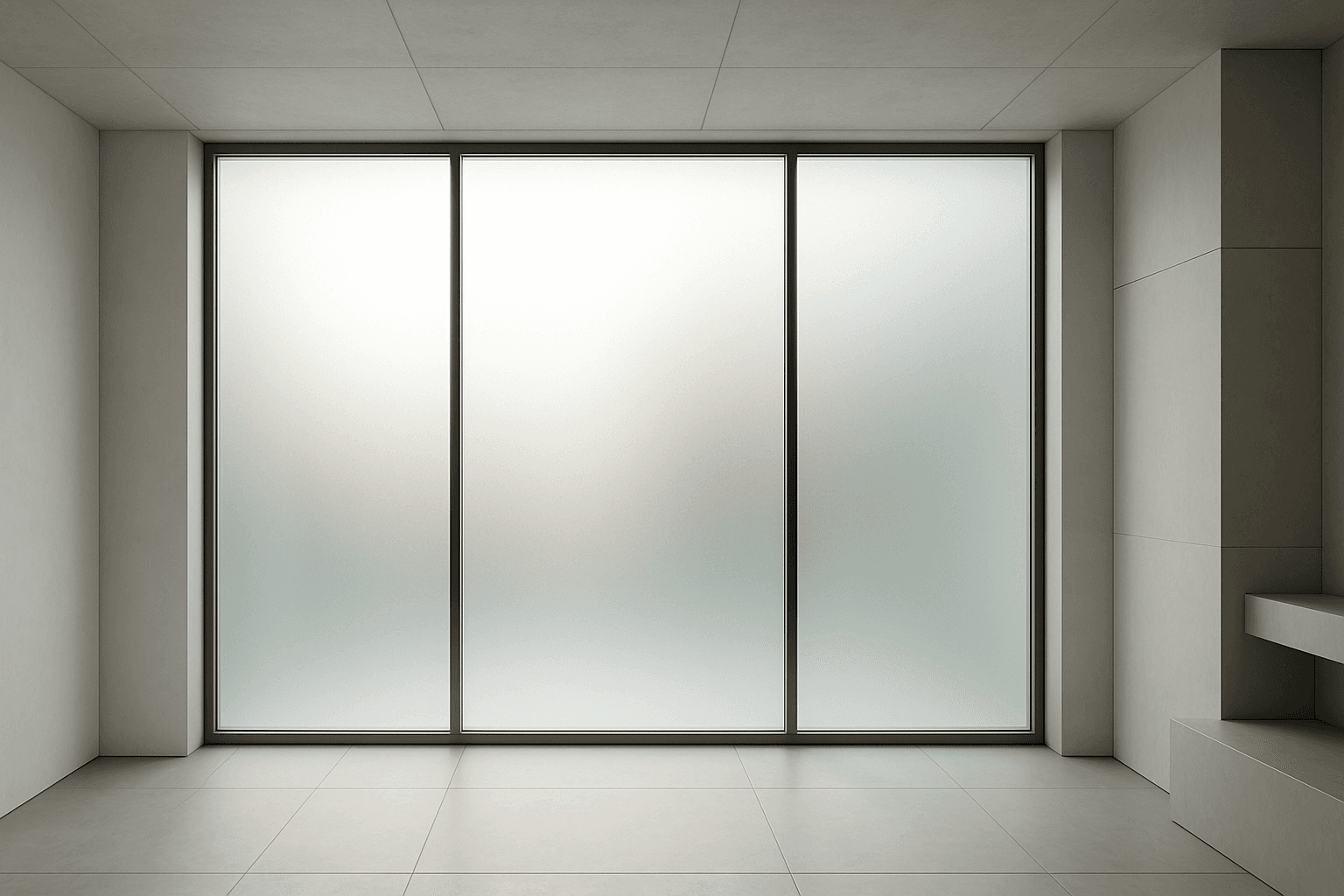
Frosted Glass Surface
Frosted glass surfaces are widely used in modern design to provide privacy without sacrificing natural light. When incorporated into AI image prompts, this texture lends a subtle, elegant diffusion effect that replicates real-world glass treatments. It enhances scenes requiring sophisticated material realism and refined lighting. The frosted finish creates soft visual layers, allowing light to scatter gently and producing an inviting atmosphere. This texture works well in architecture, product design, and abstract compositions, adding depth while maintaining clarity of shape and color. Using this keyword correctly guides AI models to render nuanced glass surfaces with premium polish and tactile authenticity.