Glass Reflection
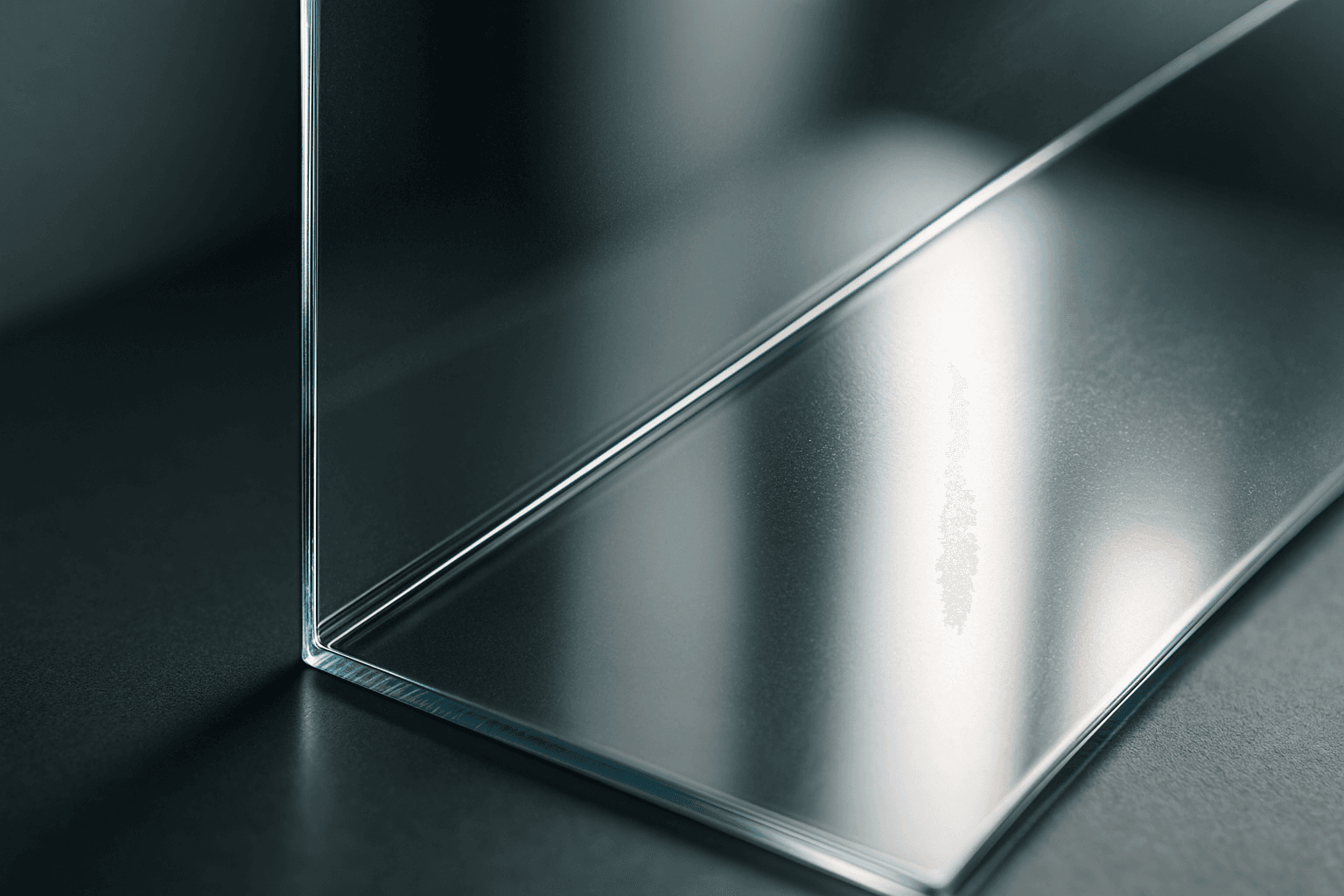
Glass Reflection is a material keyword that emphasizes transparent, glossy, reflective, or refractive surfaces. It adds polish and depth to product and design images.
Definition
Glass Reflection is a material keyword that emphasizes transparent, glossy, reflective, or refractive surfaces. It adds polish and depth to product and design images.
Visual Characteristics
- Bright highlights, reflections, transparency, refraction, and glossy surface details.
- Premium, modern, clean, or futuristic commercial mood.
- Works with cosmetics, tech products, bottles, windows, glass tables, and luxury packaging.
Best Use Cases
- Beauty, fragrance, beverages, technology, luxury packaging, and product photography.
- Modern interiors, architecture, futuristic visuals, and reflective still lifes.
- Stock concepts about clarity, premium quality, transparency, innovation, and elegance.
Prompt Examples
- A transparent cosmetic bottle on glass reflection, studio lighting, soft shadows, luxury branding.
- A futuristic smartphone on reflective glass, cool tones, clean studio lighting, premium tech photo.
- A perfume bottle with glass reflection, marble texture, subtle highlights, elegant commercial composition.
Adobe Stock Potential
Glass Reflection is strong for product stock, especially beauty, fragrance, drinks, and technology. Avoid distorted labels or messy reflections that reduce commercial usefulness.
FAQ
How do I make glass look realistic?
Use studio lighting, controlled reflections, transparent material, and clean background.
What products work with glass reflection?
Perfume, skincare, beverages, phones, watches, eyewear, and premium packaging.
Continue Exploring
Related Prompts
Marble Texture
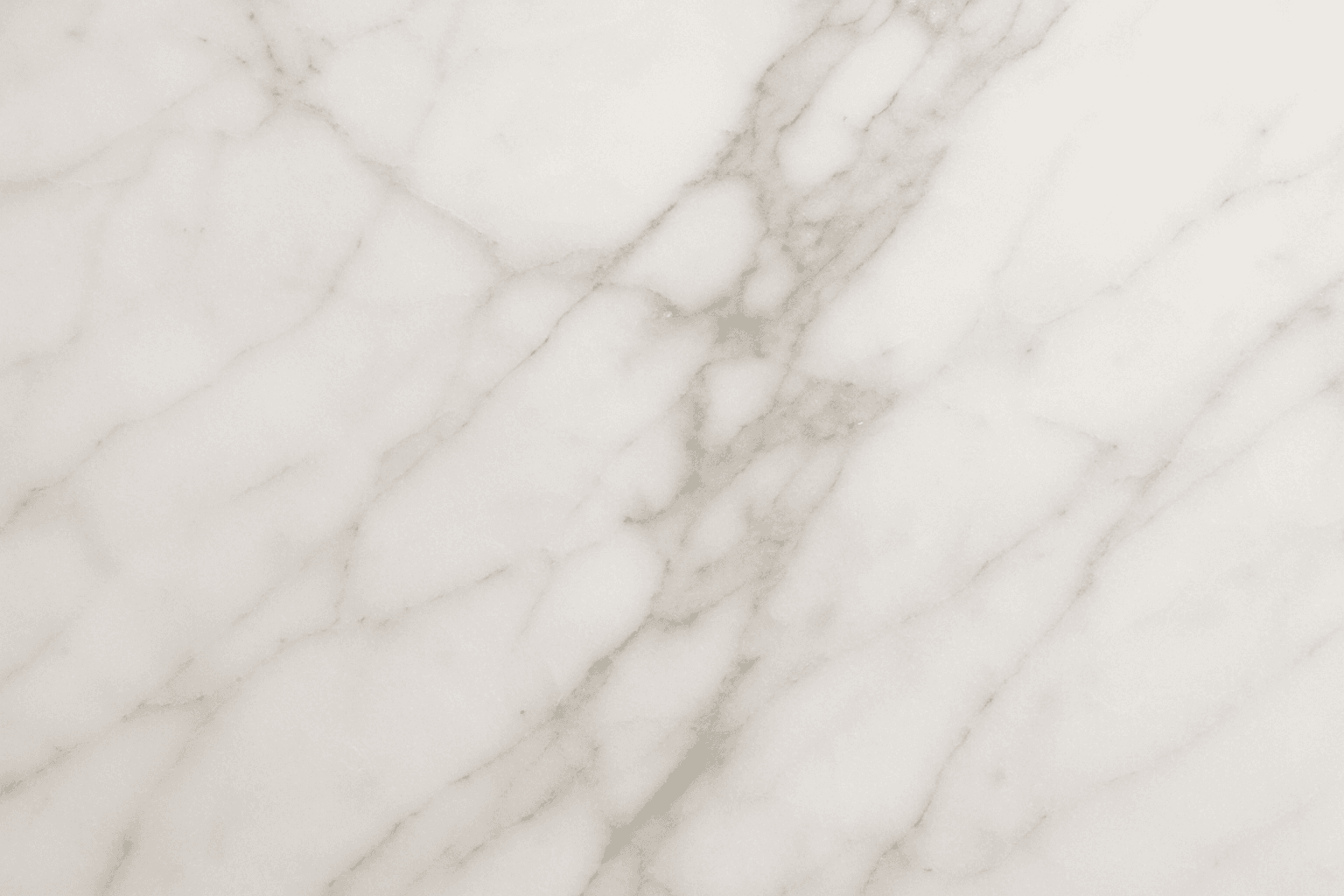
Marble Texture is a material keyword for polished stone surfaces with natural veining. It suggests luxury, elegance, interiors, beauty, and premium product styling.
Metallic Surface
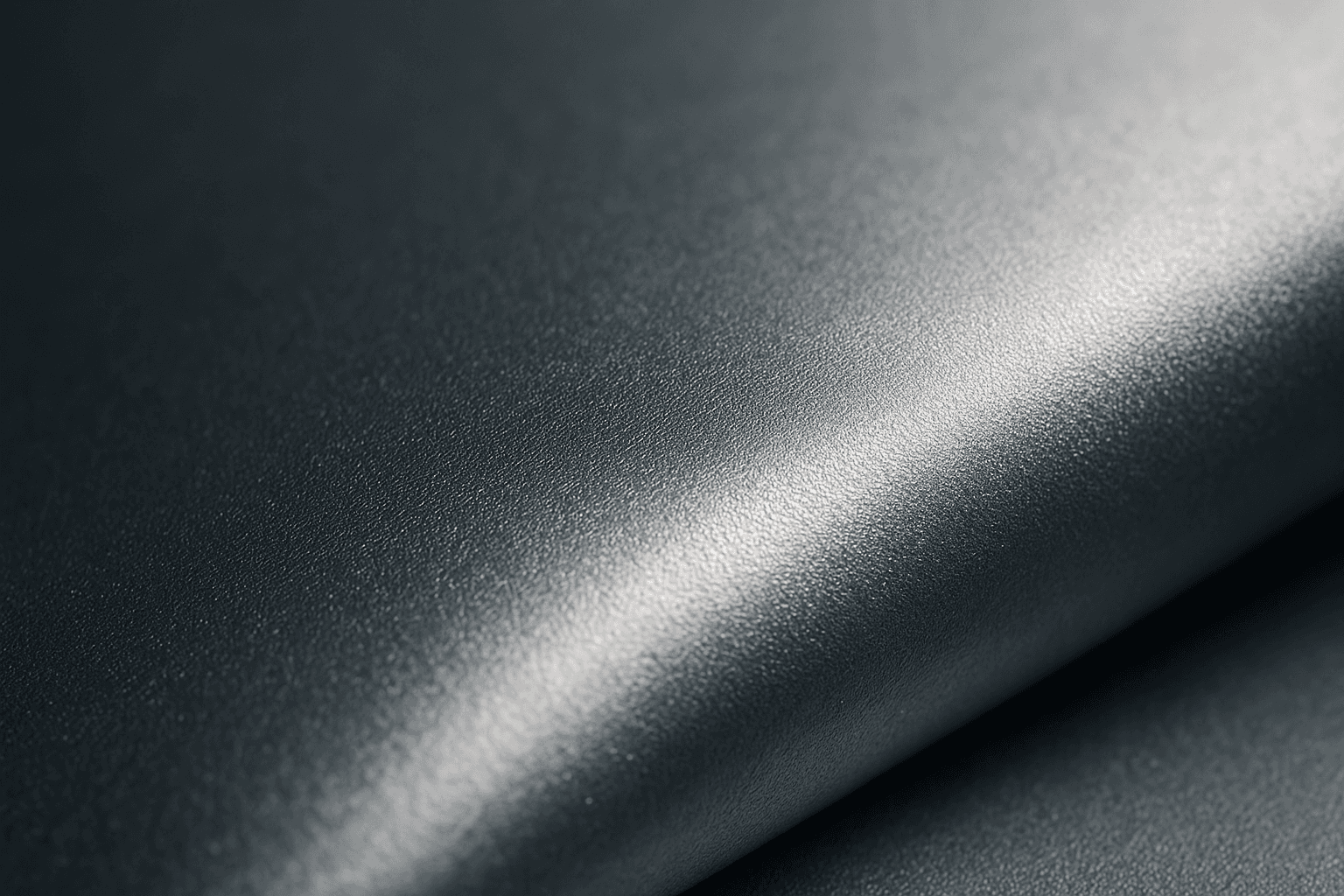
Metallic Surface is a material keyword for reflective metal finishes such as chrome, steel, aluminum, brass, gold, silver, or brushed metal.
Glass Reflection Effects
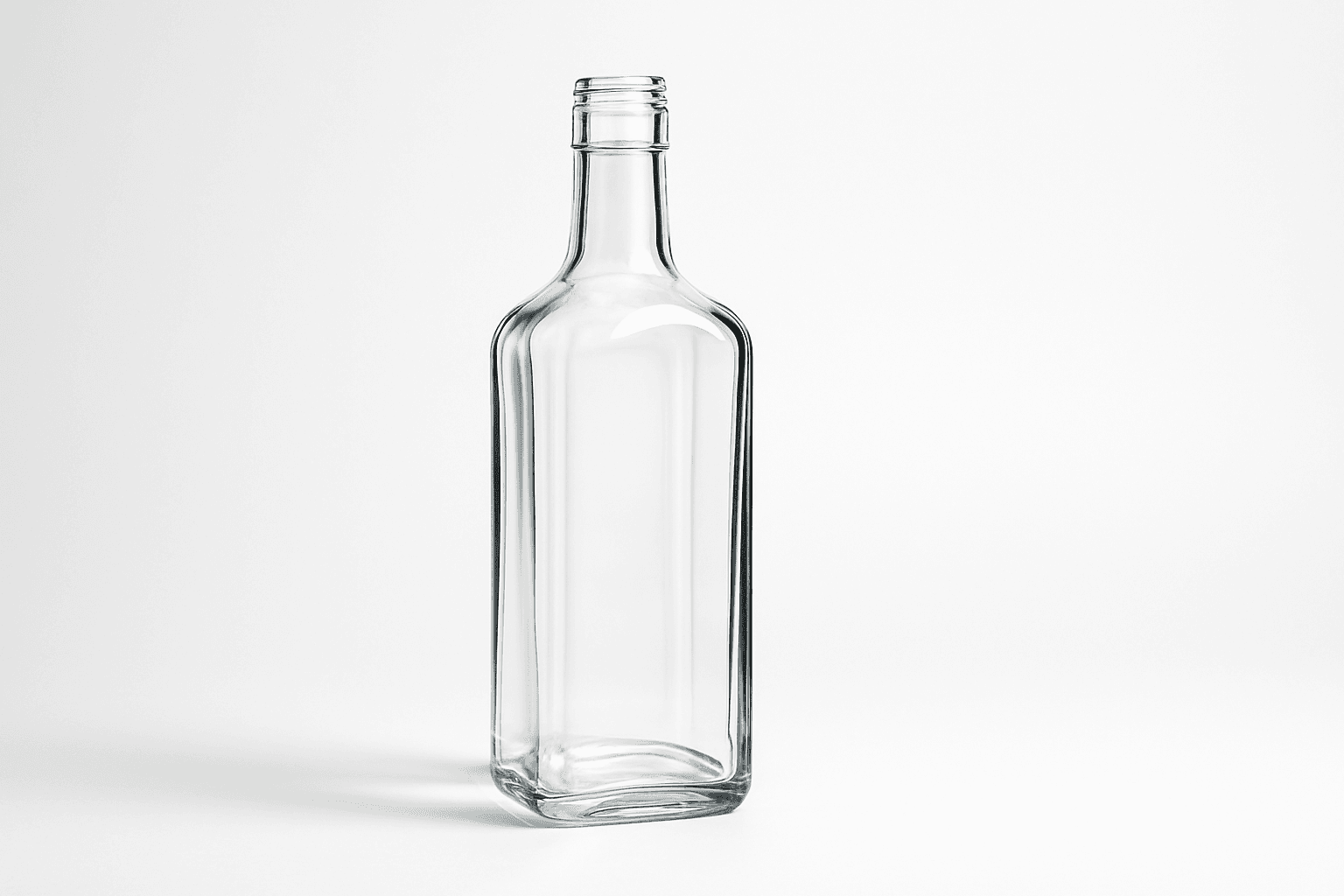
Glass Reflection Effects bring a premium realism to AI-generated images by simulating the natural behavior of light on glass materials. This keyword enhances textures and surfaces, making objects appear polished and three-dimensional with believable reflections and refractions that respond to environmental lighting. Using these effects can elevate images from flat or artificial to lifelike visuals suitable for professional design, marketing, and artistic projects. By incorporating Glass Reflection Effects in prompts, creators can achieve sophisticated renderings of windows, glassware, bottles, and architectural elements with convincing material qualities.
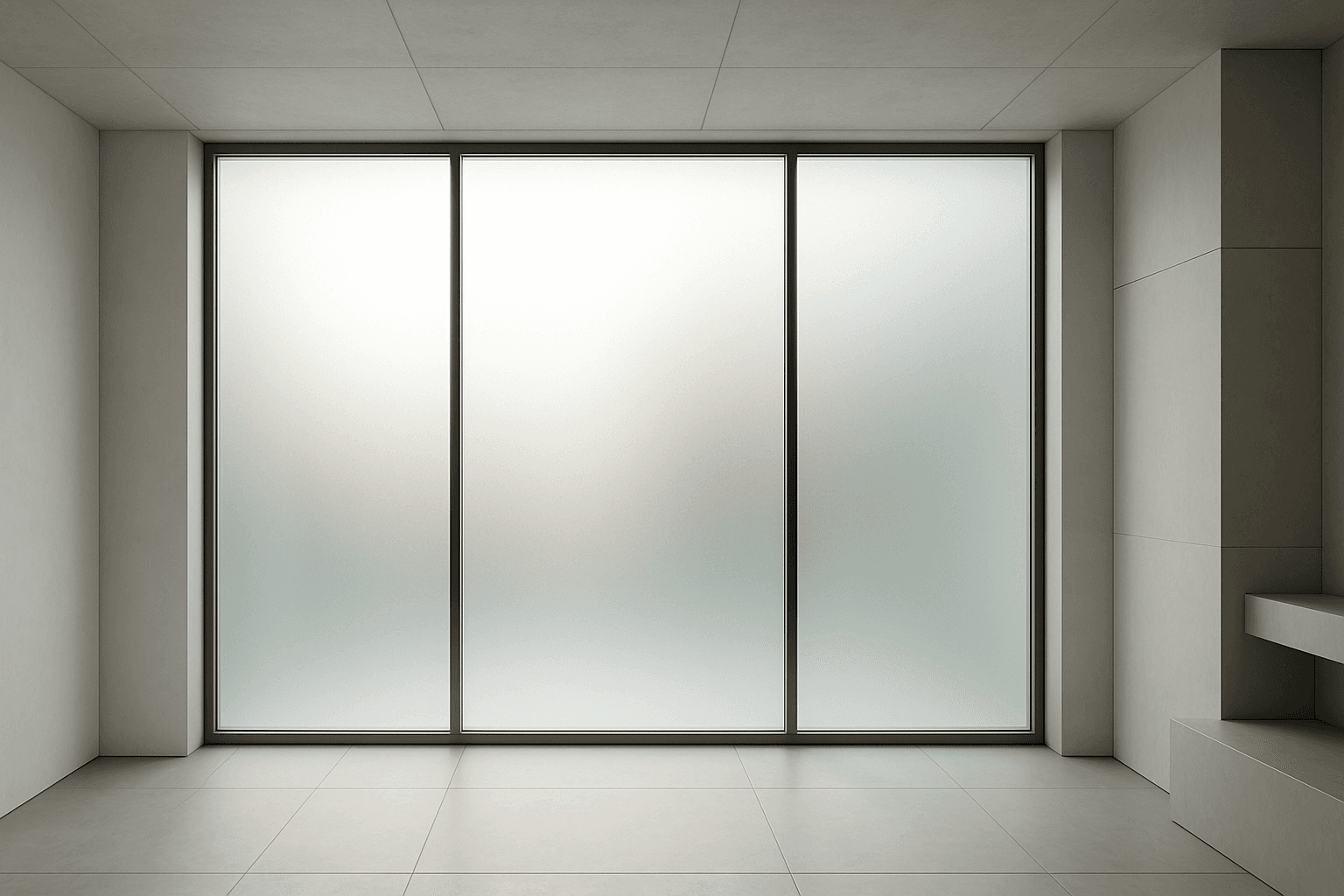
Frosted Glass Surface
Frosted glass surfaces are widely used in modern design to provide privacy without sacrificing natural light. When incorporated into AI image prompts, this texture lends a subtle, elegant diffusion effect that replicates real-world glass treatments. It enhances scenes requiring sophisticated material realism and refined lighting. The frosted finish creates soft visual layers, allowing light to scatter gently and producing an inviting atmosphere. This texture works well in architecture, product design, and abstract compositions, adding depth while maintaining clarity of shape and color. Using this keyword correctly guides AI models to render nuanced glass surfaces with premium polish and tactile authenticity.
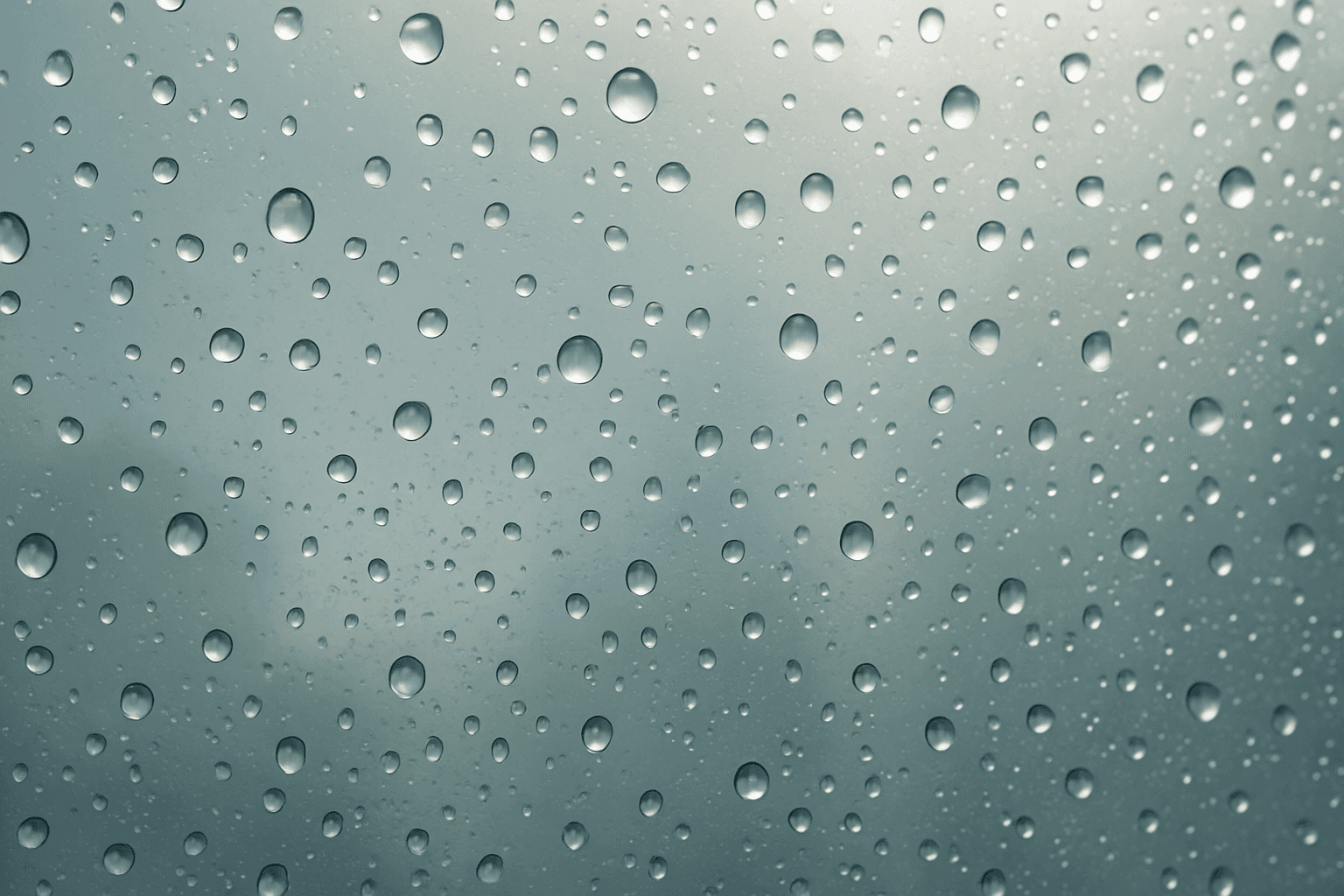
Wet Glass Surface Effect
The Wet Glass Surface Effect creates compelling visual interest by simulating glass surfaces covered with moisture. This effect captures the fine details of water droplets and the way they alter light transmission and reflection, producing a glossy, tactile appearance. It's favored in modern editorial photography and advertising to evoke freshness, moisture, or a rainy ambiance. By incorporating this effect, AI-generated images gain added realism and textural complexity, making them ideal for product shots, interior scenes, and artistic photography with atmospheric mood.

Plasticized Surface Texture
Plasticized Surface Texture emphasizes a sleek, shiny appearance with a polished, flexible quality resembling plastic materials. When used in AI image generation, it transforms surfaces into smooth, glossy finishes characterized by bright highlights and subtle reflections. This texture does not show roughness or matte properties but instead creates a distinctive synthetic look often associated with consumer products, packaging, or modern design elements. It helps convey contemporary, clean aesthetics and can enhance visual emphasis on material quality in digital rendering or conceptual imagery.