Fine Grain Film Texture
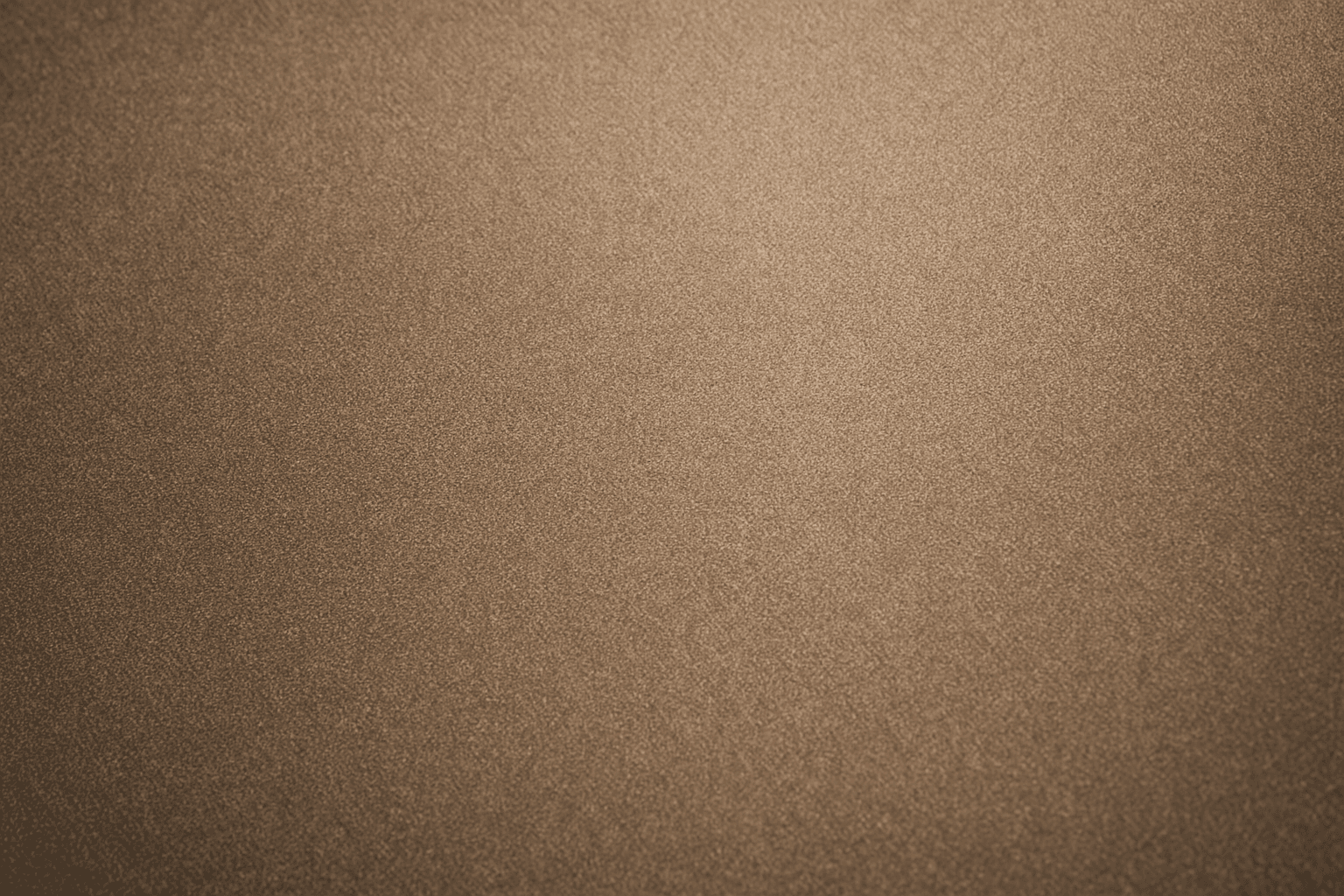
Fine Grain Film Texture is a popular keyword used in AI image generation to replicate the nuanced and refined grain found in analog photographic film with higher emulsions or professional stocks. Unlike coarse grain, fine grain offers a gentle texture that adds organic qualities and depth to digital images, lending them a nostalgic, vintage charm while maintaining clarity and detail. This texture is especially valued in photography-inspired digital art and retro-themed visual designs. Applying this texture can bring a tactile, handcrafted feel to otherwise smooth and digitally perfect images, enhancing mood and artistic expression.
Definition
Fine Grain Film Texture simulates the delicate, refined grain structure typical of professional photographic films, adding an organic subtle noise that enhances visual richness and authenticity in AI-generated images. It replaces overly smooth digital surfaces with a natural granular effect, essential for reproducing classic film aesthetics in modern digital art and photography-inspired designs.
Prompt Formula
To integrate Fine Grain Film Texture effectively, use prompt patterns that combine descriptive adjectives with mood and style cues. For example, "[subject] on vintage film with fine grain film texture, [lighting style], [color temperature]". Including film type references like "35mm" or "medium format" can refine the effect further.
- "[subject], fine grain film texture, warm vintage tones, soft lighting"
- "[scene], cinematic lighting, fine grain film texture, analog film emulation"
- "[fashion editorial], natural colors, fine grain film texture, classic 35mm film style"
Best Use Cases
- Creating authentic vintage-style portraits and editorial photos
- Adding realistic texture to cinematic landscapes and night scenes
- Enhancing fashion photography with a tactile, film-inspired feel
Industry Applications
Fine Grain Film Texture is widely used in industries like advertising, editorial, and ecommerce. In advertising, it lends product imagery a handcrafted, timeless quality. Editorial content relies on this texture to evoke nostalgia and mood appropriate for magazine spreads or storytelling. Ecommerce brands with a retro or artisanal image use it to differentiate their visuals, appealing to consumers seeking authenticity and warmth in product presentations.
- Advertising campaigns emphasizing craftsmanship or heritage brands
- Magazine editorials requiring vintage or cinematic aesthetics
- Ecommerce showcasing fashion and lifestyle products with nostalgic appeal
Common Mistakes
A frequent mistake when prompting Fine Grain Film Texture is overemphasizing the grain, which can cause the image to appear noisy or lose detail. Avoid vague terms like "grainy" without specifying fine or delicate grain. Another pitfall is mixing fine grain with unrealistic or harsh textures that break the cohesion of a photographic style. To prevent these issues, balance the grain intensity and combine it with appropriate lighting and film style descriptors.
- Using generic "grainy" without specifying "fine grain" for subtlety
- Overloading prompts with multiple textural effects causing visual clutter
- Neglecting lighting and color context leading to unnatural grain appearance
Advanced Techniques
Experienced prompt writers can refine Fine Grain Film Texture by combining it with specific film types (e.g., Kodak Portra, Fuji Pro 400H), lighting styles (e.g., Rembrandt, golden hour), and camera settings (e.g., shallow depth of field, bokeh). Using constraints like "soft focus" to complement the grain or layering with subtle color grading commands can deepen realism. Explorations with black and white film emulation plus fine grain enhance artistic monochrome outputs.
- Combine 'fine grain film texture' with known film stock names for authenticity
- Add lighting styles and depth-of-field modifiers to complement texture
- Use dual prompts layering subtle color grading and monochrome settings
FAQ
How does Fine Grain Film Texture differ from coarse grain in AI image prompts?
Fine Grain Film Texture offers a subtle, delicate grain pattern that enhances detail without overpowering the image, whereas coarse grain adds a more pronounced, rough texture that can create a gritty or heavily textured look. Fine grain is better for refined vintage effects, while coarse grain suits more dramatic, artistic styles.
Can I adjust the intensity of Fine Grain Film Texture in prompts?
Yes, you can influence intensity by adding descriptive terms such as "subtle," "soft," or "prominent" alongside 'fine grain film texture' in your prompt to guide the AI toward lighter or stronger grain effects.
Continue Exploring
Related Prompts

Grainy Film Overlay Texture
Grainy Film Overlay Texture brings the authentic look of analog photography to AI-generated images. This texture injects tiny speckles and visual noise that replicate the characteristics of traditional film, offering a tactile and imperfect surface effect. It works by layering a grain pattern over the image, enhancing texture without overpowering details. The result is an artistic and cinematic atmosphere that evokes nostalgia and moodiness. This effect is widely appreciated in creative fields where polished digital clarity is deliberately softened to create ambiance and emotional depth. Using this texture helps bridge the gap between digital art and classic photography aesthetics.
Paper Fiber Texture
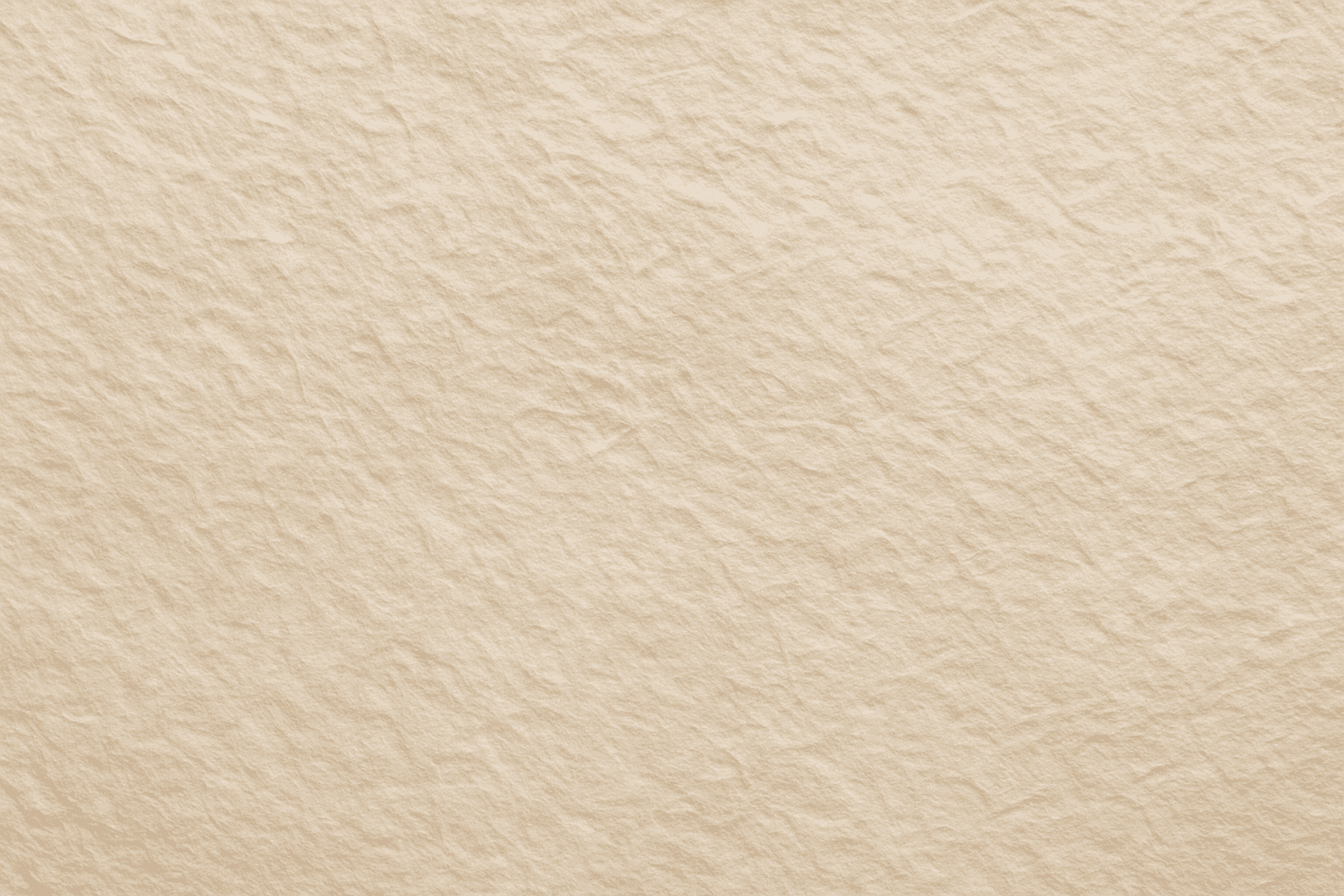
Paper Fiber Texture in AI-generated images enhances realism by simulating the microscopic fibers found in physical paper. This texture adds subtle detail and tactile qualities to artwork, making backgrounds or materials appear organic and handcrafted. When included in prompts, it helps models focus on delicate and uneven surfaces rather than flat or overly smooth ones. This keyword is especially useful in designs needing authenticity or vintage aesthetics, offering an alternative to digital or synthetic textures. It works well combined with lighting descriptions to highlight the tactile aspects of the fibers and create refined editorial visuals.

Wood Grain Surface Texture
Wood grain surface texture captures the intricate patterns and natural beauty found in wooden materials. This texture is characterized by flowing lines, knots, and a warm color palette that conjures the organic essence of wood. When incorporated in AI image generation prompts, it helps models produce authentic wooden surfaces, from smooth polished floors to rustic furniture with visible fibers. Wood grain lends tactile depth and aesthetic appeal, making images more immersive and rich in detail. Its versatility allows for use across design, interior visualization, product mockups, and artistic compositions, enhancing the material realism dramatically.
Crosshatching Texture
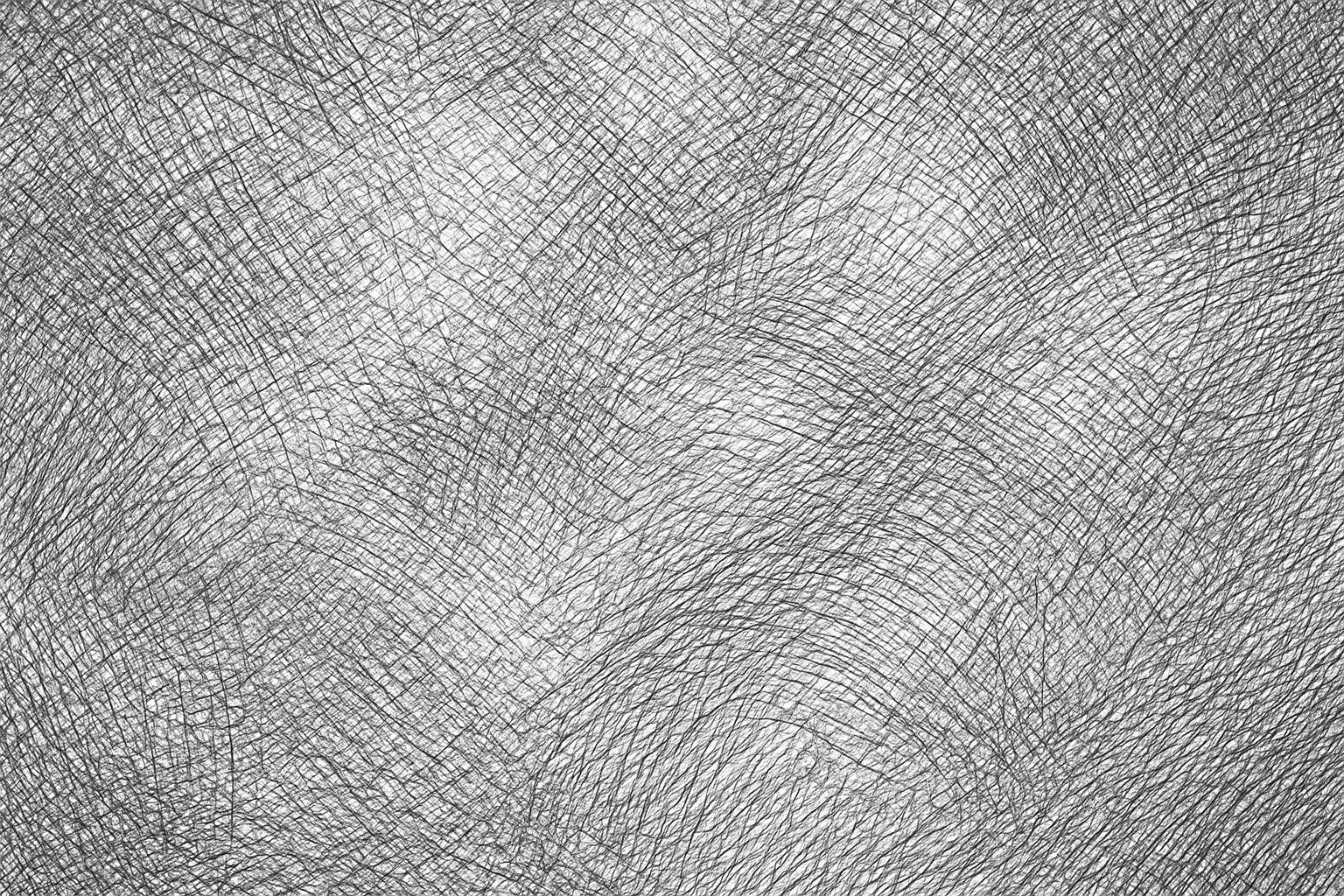
Crosshatching texture is a visual style that emulates hand-drawn shading through intersecting lines, widely used in pen and ink illustrations. When incorporated in AI art prompts, it enhances images with refined shading effects and a tactile quality reminiscent of classical sketching. This texture adds depth by simulating shadows and volume without solid fills, making visuals appear more organic and crafted. Artists and designers leverage crosshatching to achieve nuanced contrast and artistic expressiveness, especially in black-and-white or monochrome compositions. Using this keyword effectively guides AI models to produce images rich in detailed linework and traditional illustrative charm, suitable for creative projects seeking an analog texture feel within digital artworks.
Crinkled Fabric Texture
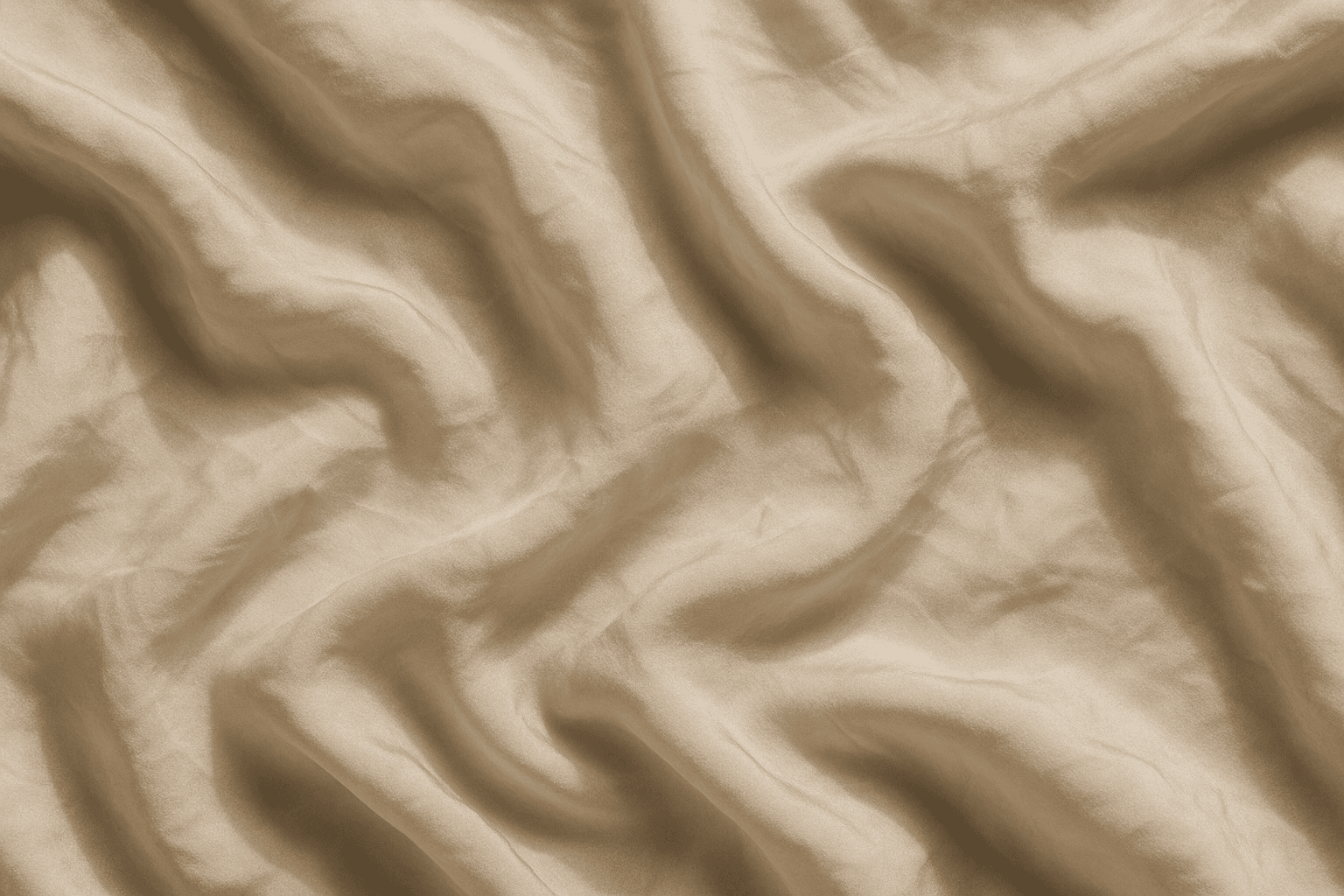
The 'Crinkled Fabric Texture' keyword enriches AI-generated imagery by focusing on the realistic depiction of fabric surfaces showing natural wrinkles and folds. This texture adds an organic, lived-in feel to fabric, distinguishing it from smooth or perfectly flat materials. By simulating light interaction with creased fabric, it highlights depth and softness, enhancing visual interest. Incorporating this keyword benefits creators who want to portray everyday materials like linens, silk, or cotton with authentic imperfections, making scenes feel more tangible and immersive. It is especially valuable when combined with diverse lighting setups and close-up perspectives to emphasize fabric detail.
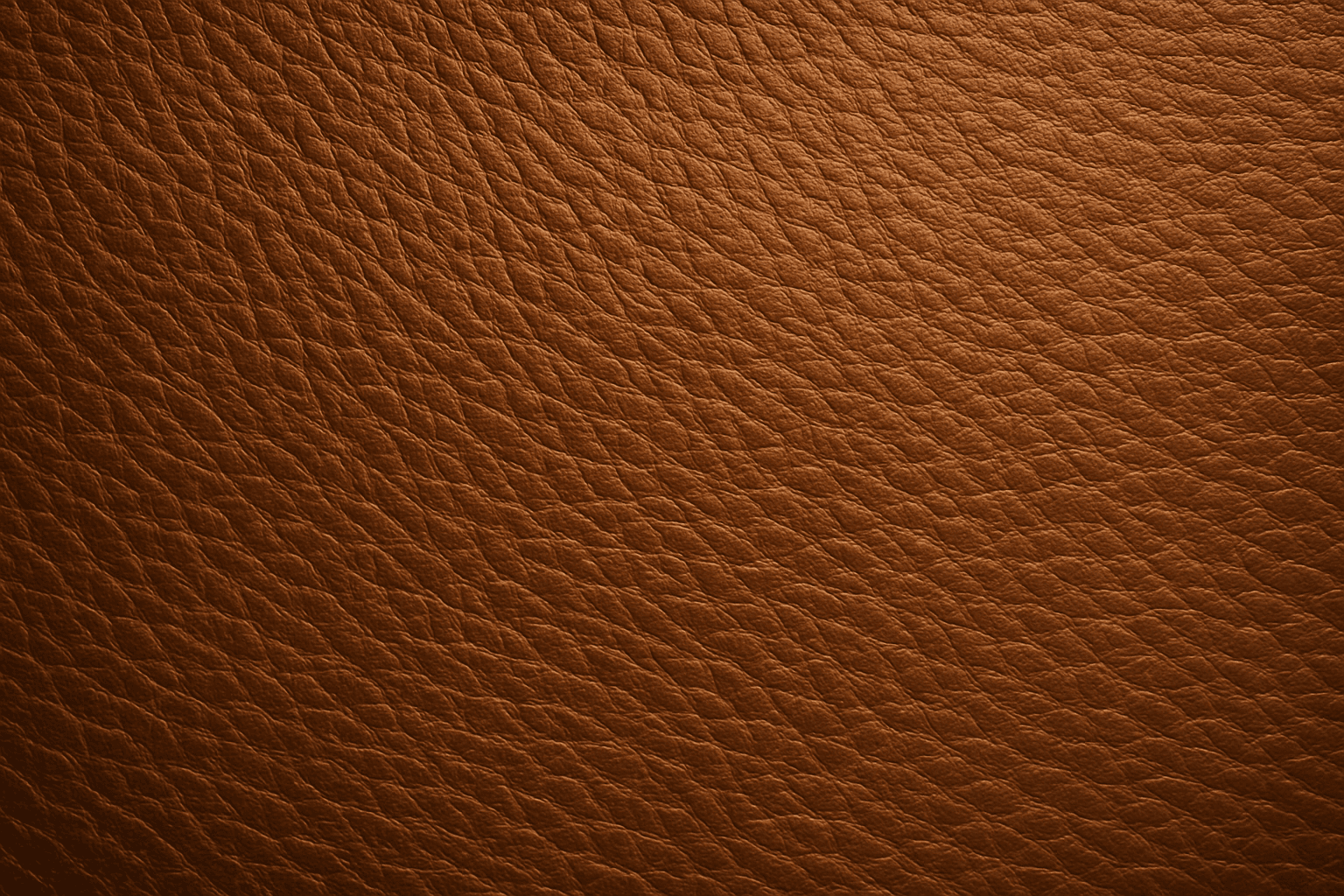
Leather Grain Texture
Using 'Leather Grain Texture' in AI image prompts allows creators to generate images with highly detailed and realistic leather surfaces. This keyword enhances the tactile quality of materials depicted, making them appear more authentic and premium. The characteristic grain patterns convey luxury and craftsmanship, useful for designs needing sophisticated material representation. When combined with appropriate lighting and composition, this texture can create visually rich images suitable for product visualization, fashion editorials, or interior design concepts. Mastery of this keyword helps artists achieve depth and realism in their material renderings, appealing to audiences seeking visually convincing visuals.