Paper Fiber Texture
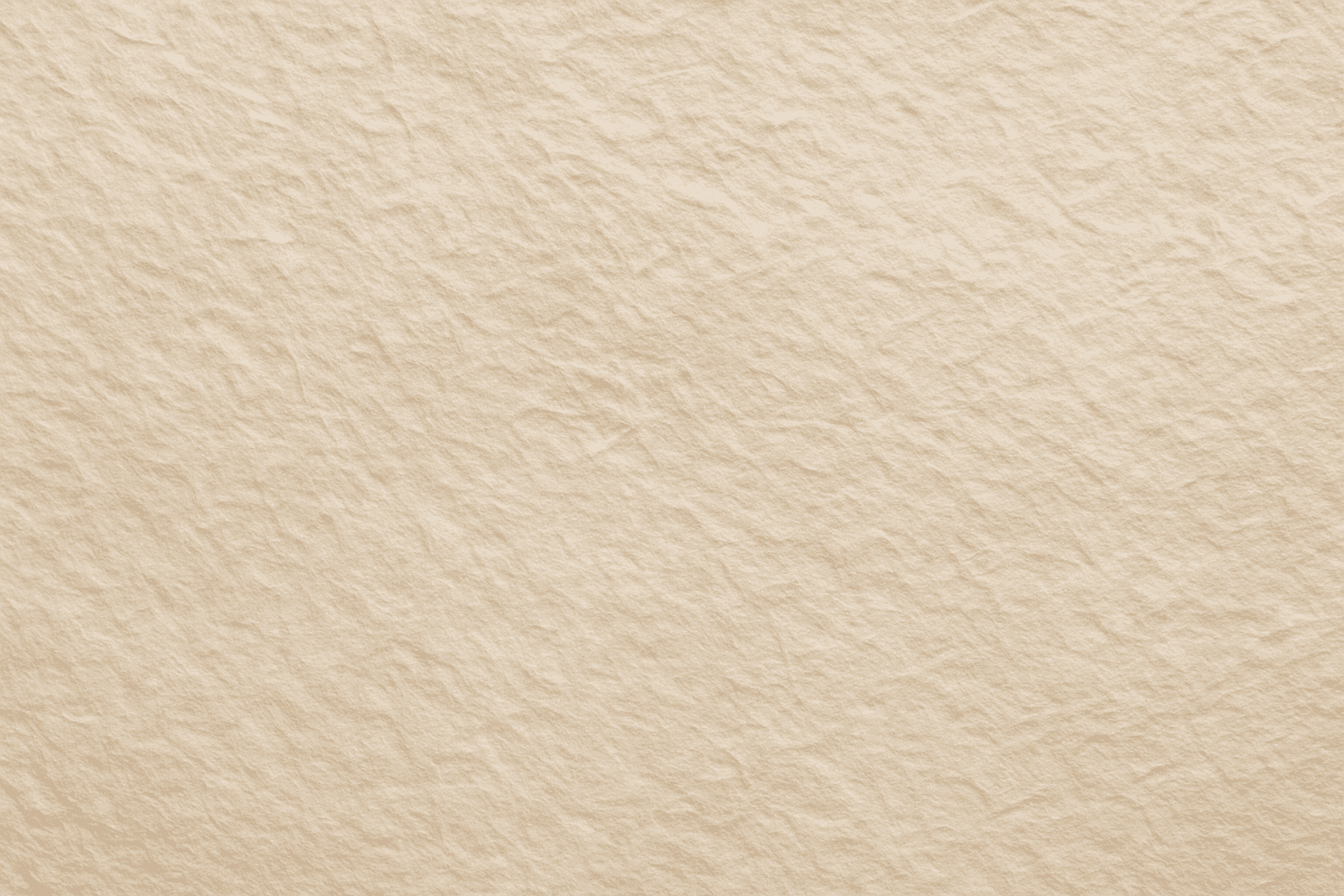
Paper Fiber Texture in AI-generated images enhances realism by simulating the microscopic fibers found in physical paper. This texture adds subtle detail and tactile qualities to artwork, making backgrounds or materials appear organic and handcrafted. When included in prompts, it helps models focus on delicate and uneven surfaces rather than flat or overly smooth ones. This keyword is especially useful in designs needing authenticity or vintage aesthetics, offering an alternative to digital or synthetic textures. It works well combined with lighting descriptions to highlight the tactile aspects of the fibers and create refined editorial visuals.
Definition
Paper Fiber Texture refers to the characteristic pattern and fibrous detail seen on the surface of paper materials. In an AI prompt context, including this keyword helps the model generate imagery that features realistic, tactile paper surfaces with visible intertwined fibers. This texture introduces soft, uneven details that enrich the visual depth, replacing flat, synthetic backgrounds with natural, warm, and organic surfaces.
Prompt Formula
To incorporate Paper Fiber Texture effectively, build prompts using these phrase combinations: - "close-up of paper with visible fiber texture" - "soft natural light highlighting paper fibers" - "handmade paper surface with detailed fibers and grain" - "vintage paper texture featuring delicate fiber strands" These formulas guide the AI to focus on fibrous details combined with lighting that emphasizes texture nuances.
- "close-up of paper with visible fiber texture"
- "soft natural light highlighting paper fibers"
- "handmade paper surface with detailed fibers and grain"
- "vintage paper texture featuring delicate fiber strands"
Best Use Cases
- Creating authentic backgrounds for editorial and book design projects
- Producing macro photography style still lifes showcasing fibrous paper surfaces
- Designing vintage or handcrafted themed graphics that require natural material aesthetics
Common Mistakes
A frequent error is oversaturating the prompt with generic terms like "texture" without specifying the papery fibrous nature, which leads to flat or unrealistic surfaces. Avoid combining Paper Fiber Texture with overly digital or glossy keywords that conflict with its natural matte appearance. Another mistake is neglecting appropriate lighting descriptors, resulting in images where fibers lack subtle shadows or highlights and thus fail to look tactile. To prevent muddy or noisy textures, use concise wording and focus on distinct fiber details rather than broad texture adjectives.
Advanced Techniques
For experienced prompt writers, combine Paper Fiber Texture with directional lighting cues such as "side-lit" or "soft morning light" to emphasize fiber shadows and depth. Layer this texture with adjacent materials like "natural cotton fibers" or "recycled paper edges" for complexity. Employ negative prompts to exclude glossiness or synthetic finishes to maintain authenticity. Using camera modifiers like "macro shot" in conjunction with Paper Fiber Texture enhances micro-detail visibility. Experiment with slight color shifts towards warm off-white or cream to simulate aged paper.
Professional Workflow
Begin by defining the desired paper type and texture granularity in the prompt, including Paper Fiber Texture and lighting conditions. Generate multiple variations focusing on texture detail and color tone. Select images that best balance fiber visibility with overall composition harmony. Refine outputs by re-prompting with adjusted light direction or fiber density. Lastly, enhance the final image with subtle post-processing in photo editing software to reinforce fiber contrast and tactile realism while preserving a natural look.
Related Styles
Paper Fiber Texture complements several visual styles such as Handmade Paper Texture, Natural Fiber Texture, and Vintage Paper Grain. These styles focus on organic, imperfect surfaces with tactile qualities. Pairing it with soft-focus or macro styles enhances detail appreciation. Related PromptAtlas keywords include those emphasizing natural materials and tactile surfaces, expanding the creative toolbox for authentic texture generation.
- Handmade Paper Texture
- Natural Fiber Texture
- Vintage Paper Grain
Model-Specific Tips
When using popular image models, avoid overly complex or conflicting texture descriptors alongside Paper Fiber Texture to prevent muddled renders. Models respond well to simple, descriptive phrases highlighting fiber visibility and lighting effects. Including camera-related terms like "macro" or "close-up" boosts fiber detail clarity. Experiment with modifiers such as "realistic" or "photorealistic" tailored to each model’s strengths to maximize texture authenticity without relying on proprietary syntax.
FAQ
How does Paper Fiber Texture affect the visual mood of an AI-generated image?
Including Paper Fiber Texture adds an organic, tactile quality to images, creating a warm, handmade feel. It makes surfaces appear natural and slightly imperfect, which can evoke authenticity and vintage aesthetics, contrasting with smooth or digital appearances.
Can Paper Fiber Texture be combined with other textures in AI prompts?
Yes, it can be layered with related textures like Natural Fiber Texture or Handmade Paper Texture to enhance detail complexity. However, balance is key to avoid visual clutter or unrealistic surface appearances.
Continue Exploring
Related Prompts
Textured Paper Background
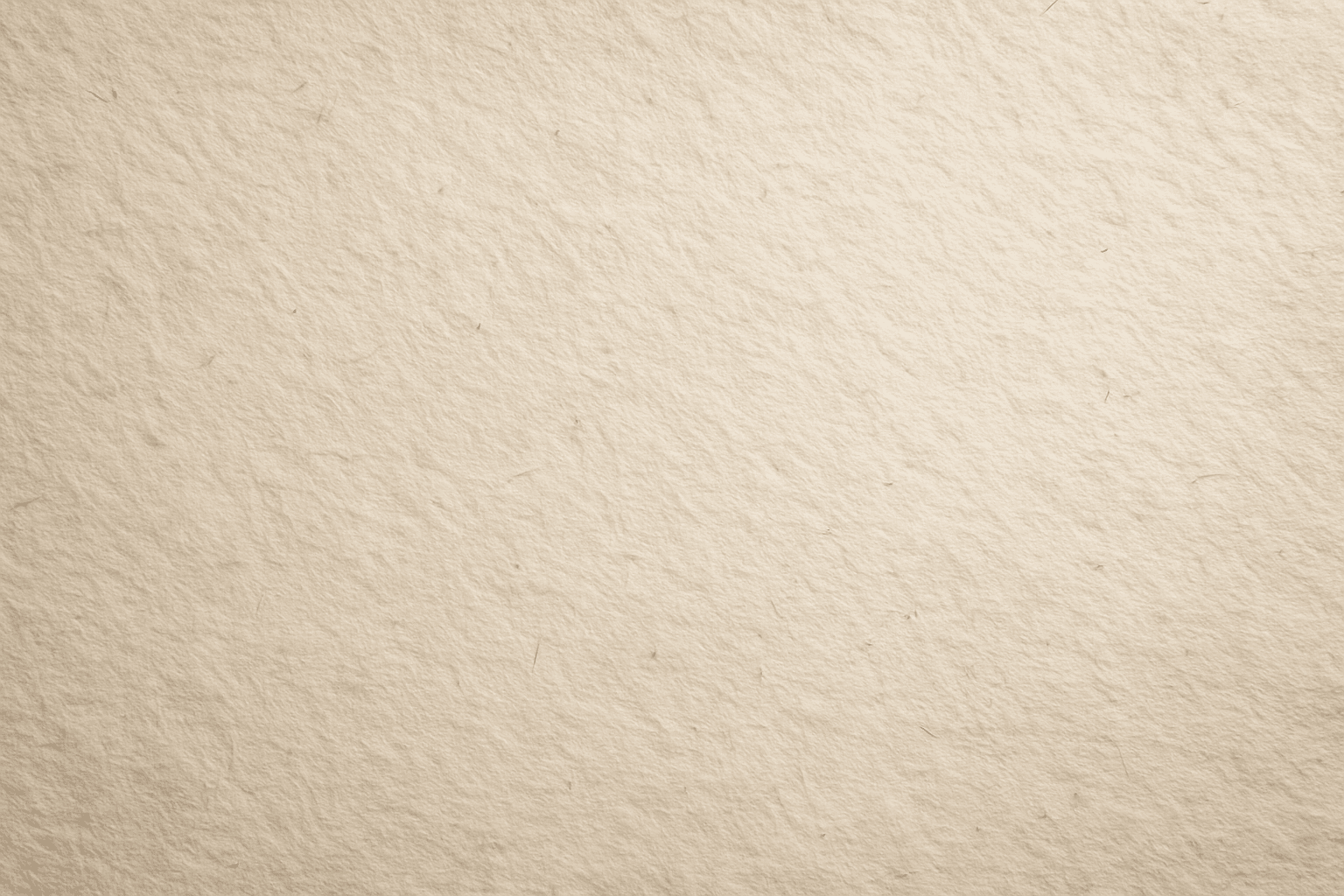
Adding the 'Textured Paper Background' keyword to an AI-generated image prompt introduces a tactile and organic feel, mimicking the subtle fibers and natural imperfections of real paper. It optimizes visual depth and material realism, making backgrounds appear authentic and refined. This effect is particularly useful in artistic, editorial, or product-related images where a clean yet textural backdrop is desired. By specifying this texture, users can elevate the image's material presentation, avoiding flat or digital-only appearances. The result is a premium stock-image-quality background with sophisticated lighting and nuanced detail that enhances focus on the main subject without distraction.
Distressed Paper Texture
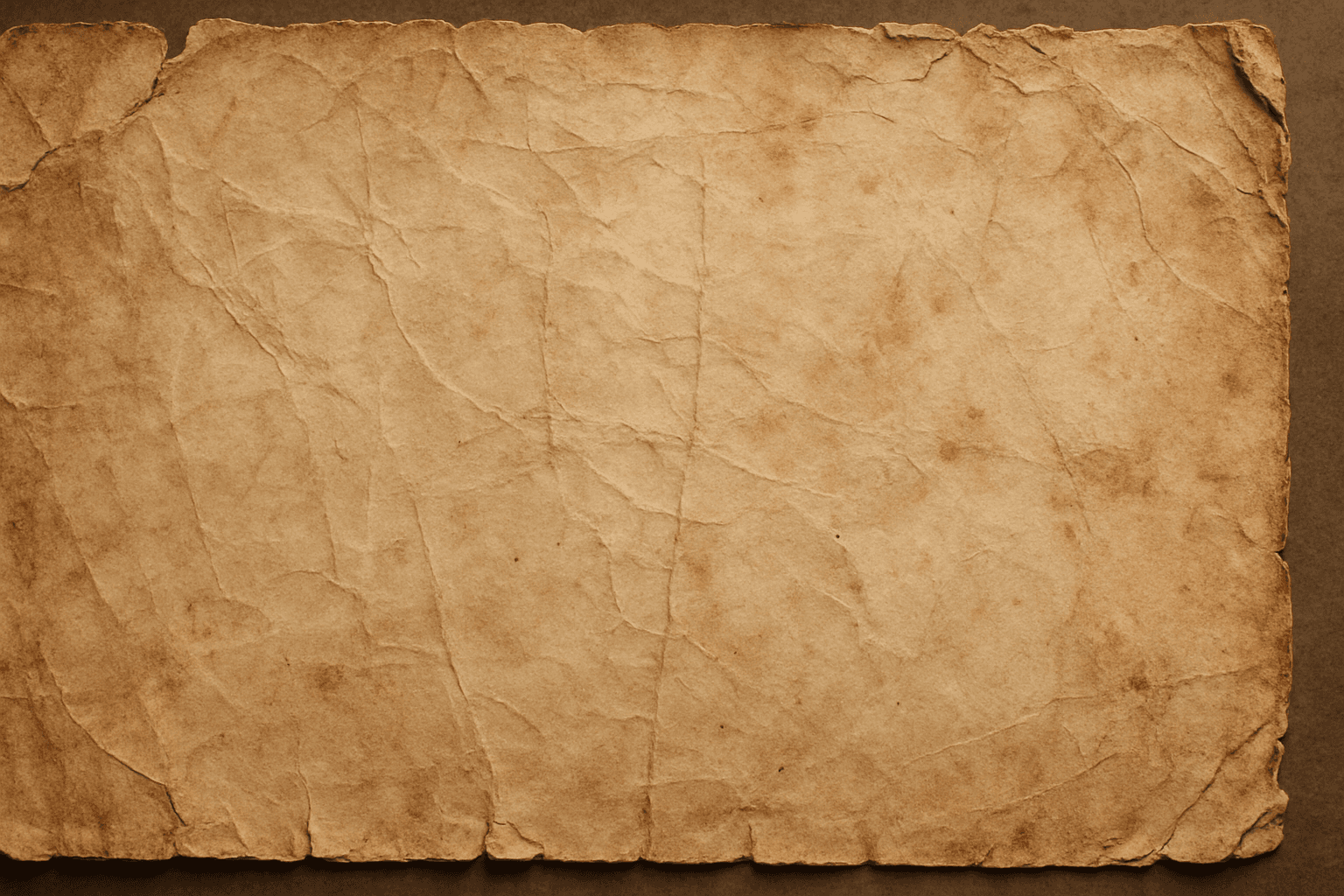
The distressed paper texture keyword is a valuable tool in AI image generation that adds authenticity and historical ambiance to digital artworks by simulating the look of aged or damaged paper. This effect is popular for creating backgrounds, overlays, or standalone textures in graphic design, photography adjustments, and illustrative projects. Incorporating distressed paper elements enriches visual storytelling, evokes nostalgia, and can enhance the mood of vintage or handmade aesthetics. Controlled application within prompts ensures that the wear appears natural without overpowering the primary subject.
Torn Paper Texture
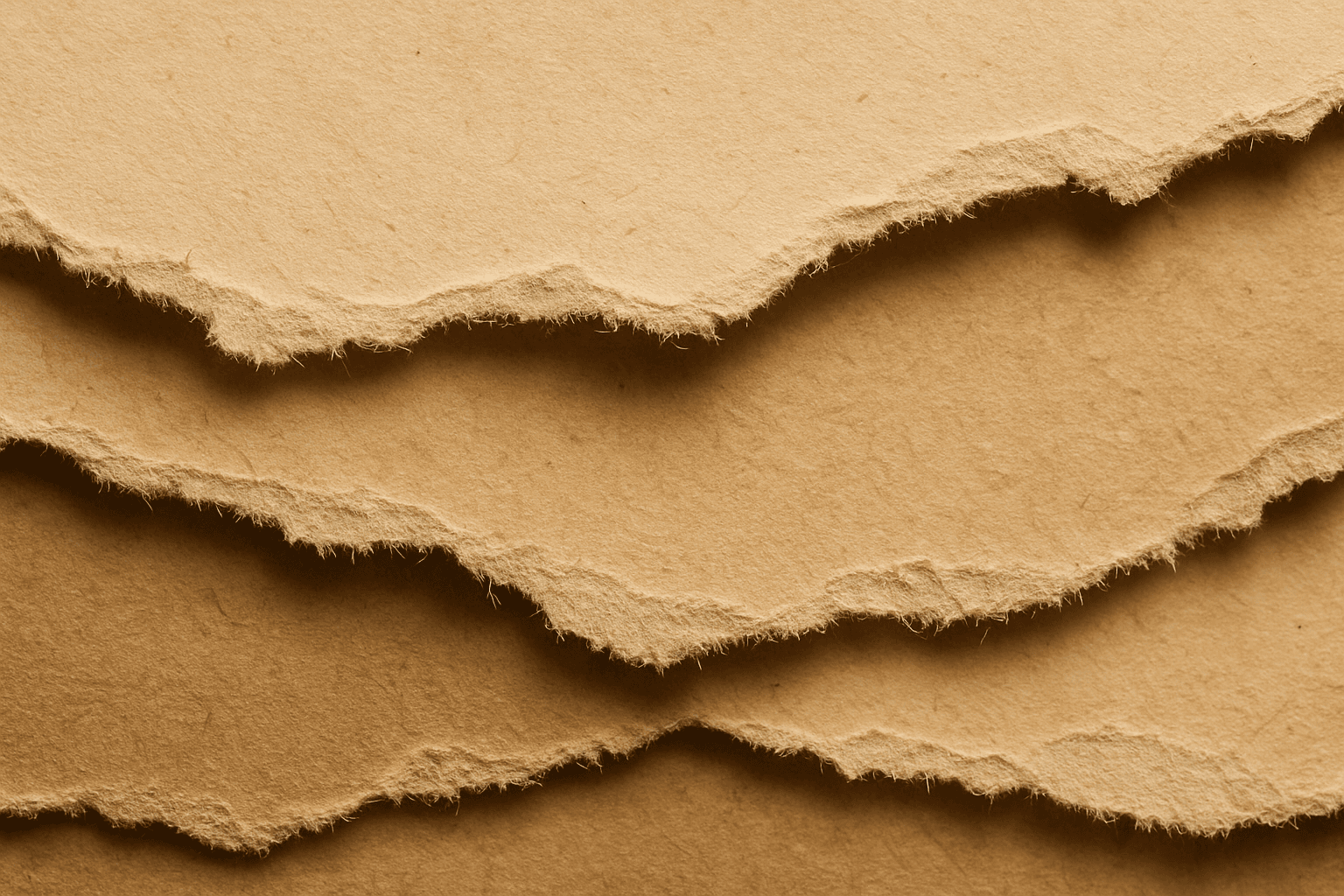
Using the Torn Paper Texture keyword in AI image prompts helps generate visuals that mimic torn paper edges and surfaces. This texture adds depth and realism by introducing naturally imperfect boundaries, often with visible fibers and roughness. It's ideal for creating collage effects, vintage posters, scrapbook aesthetics, or rustic backgrounds. Incorporating torn paper details can lend a tactile and handcrafted feel to digital images, making them stand out with organic imperfection rather than smooth, flat edges.
Soft Matte Paper Texture
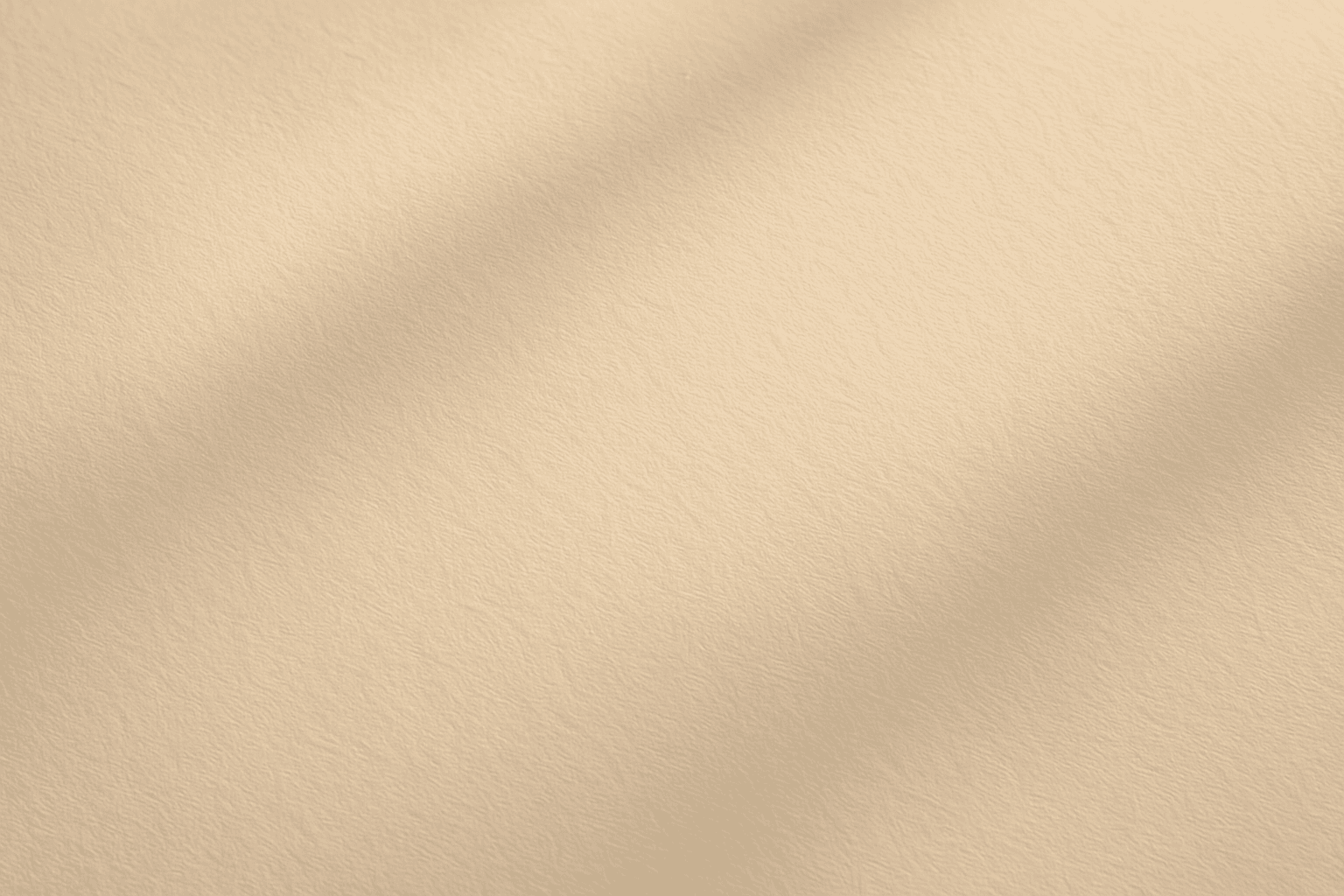
Soft Matte Paper Texture is a specialized prompt keyword that helps artists and designers generate images featuring realistic, tactile paper surfaces with a matte finish. This texture is characterized by subdued reflections and a soft, natural look that avoids glare or shine. Using this keyword in AI prompts supports creations such as book covers, packaging mockups, stationery backgrounds, and fine art prints where the paper quality matters. The resulting images carry a premium aesthetic, imitating high-quality paper stock that is often sought after in print-design visualizations and marketing materials. Overall, employing Soft Matte Paper Texture enriches an AI image with subtle tactile cues contributing to a refined, understated finish.
Leather Grain Texture
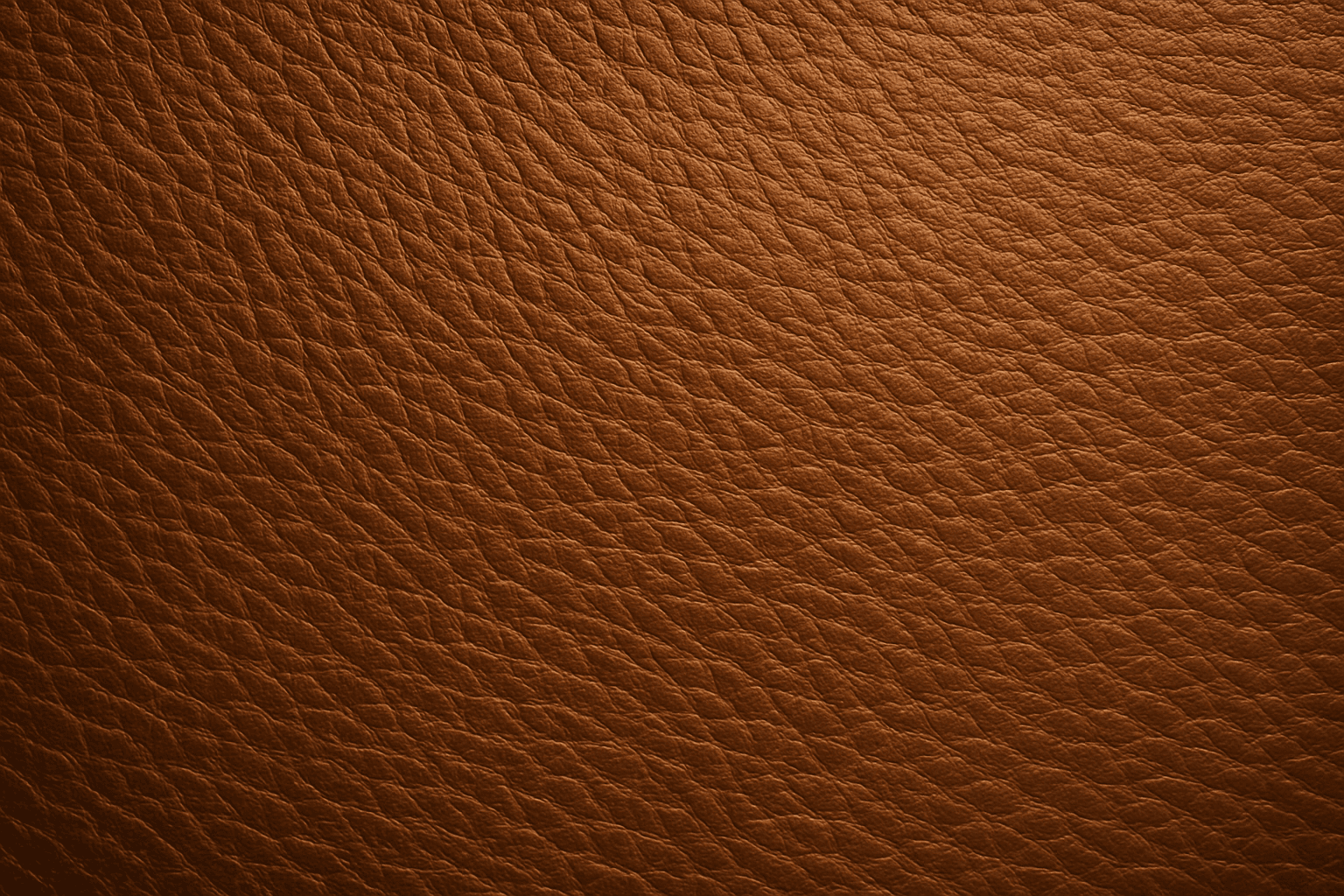
Using 'Leather Grain Texture' in AI image prompts allows creators to generate images with highly detailed and realistic leather surfaces. This keyword enhances the tactile quality of materials depicted, making them appear more authentic and premium. The characteristic grain patterns convey luxury and craftsmanship, useful for designs needing sophisticated material representation. When combined with appropriate lighting and composition, this texture can create visually rich images suitable for product visualization, fashion editorials, or interior design concepts. Mastery of this keyword helps artists achieve depth and realism in their material renderings, appealing to audiences seeking visually convincing visuals.
Crosshatching Texture
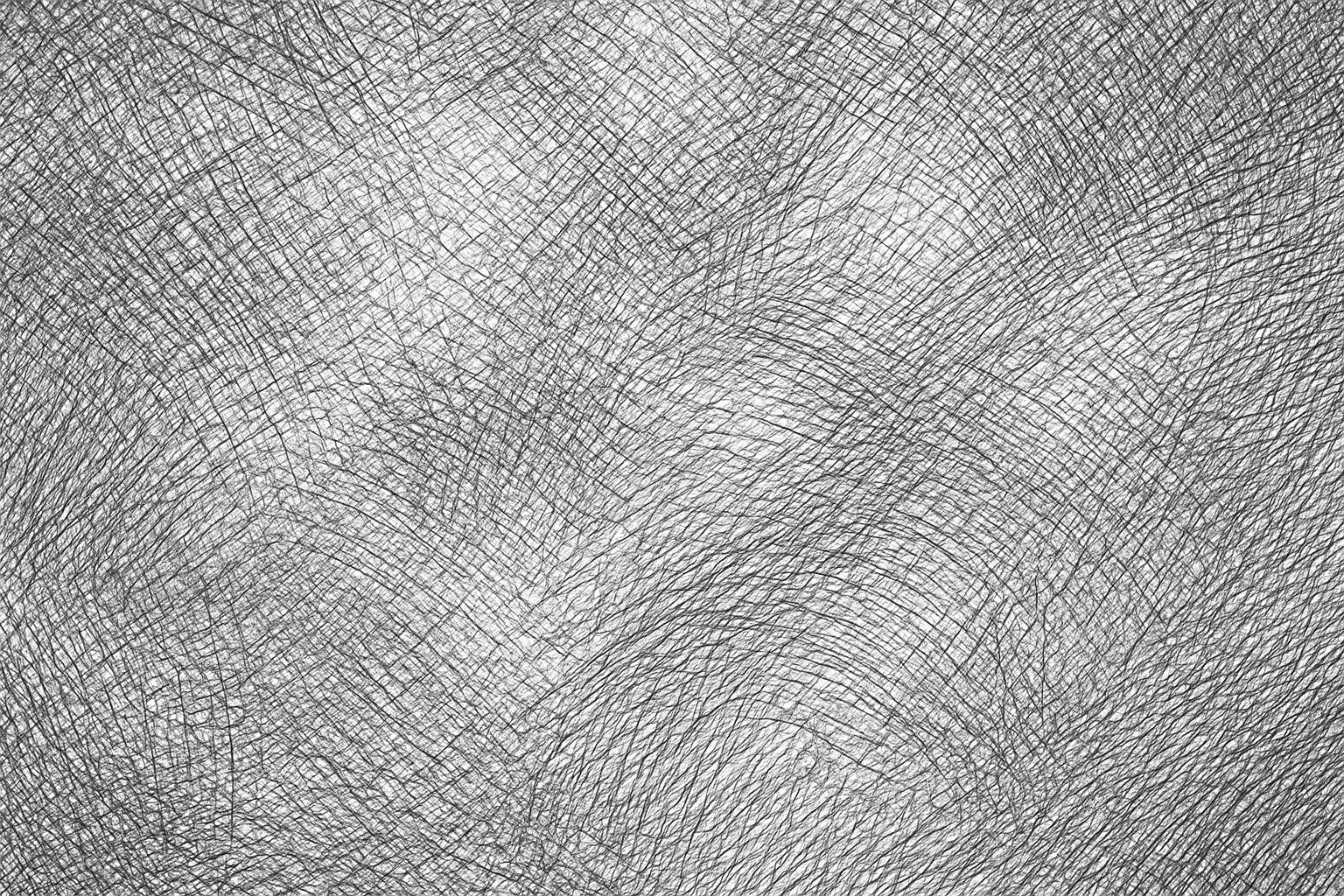
Crosshatching texture is a visual style that emulates hand-drawn shading through intersecting lines, widely used in pen and ink illustrations. When incorporated in AI art prompts, it enhances images with refined shading effects and a tactile quality reminiscent of classical sketching. This texture adds depth by simulating shadows and volume without solid fills, making visuals appear more organic and crafted. Artists and designers leverage crosshatching to achieve nuanced contrast and artistic expressiveness, especially in black-and-white or monochrome compositions. Using this keyword effectively guides AI models to produce images rich in detailed linework and traditional illustrative charm, suitable for creative projects seeking an analog texture feel within digital artworks.