Textured Paper Background
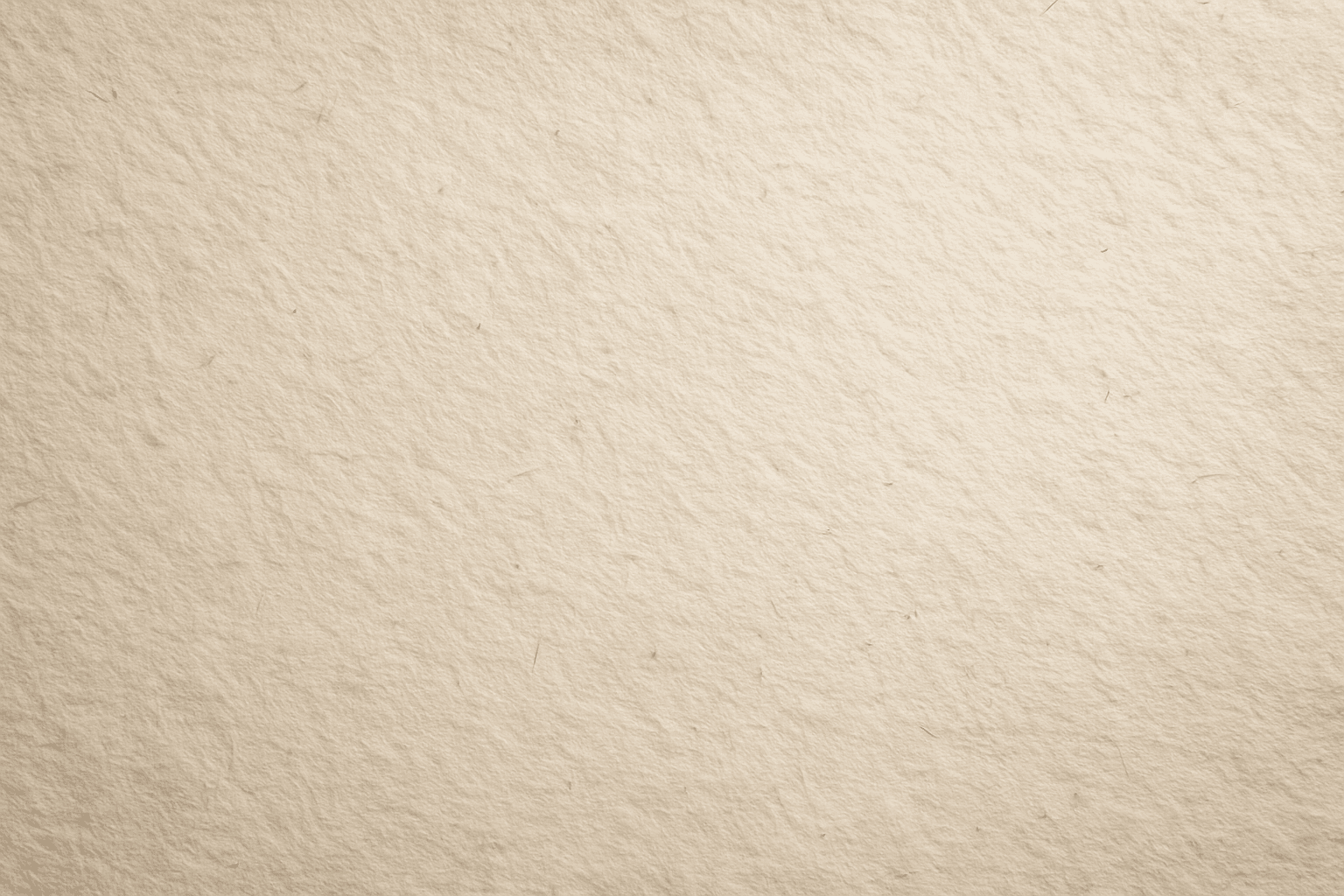
Adding the 'Textured Paper Background' keyword to an AI-generated image prompt introduces a tactile and organic feel, mimicking the subtle fibers and natural imperfections of real paper. It optimizes visual depth and material realism, making backgrounds appear authentic and refined. This effect is particularly useful in artistic, editorial, or product-related images where a clean yet textural backdrop is desired. By specifying this texture, users can elevate the image's material presentation, avoiding flat or digital-only appearances. The result is a premium stock-image-quality background with sophisticated lighting and nuanced detail that enhances focus on the main subject without distraction.
Definition
The 'Textured Paper Background' keyword guides AI image generation to replicate the look and feel of real paper surfaces. This means the background will exhibit subtle fibers, surface grain, and natural imperfection characteristic of handmade or high-quality paper. Using this keyword introduces an organic texture and a slight three-dimensional effect created by soft shadows and highlights, adding a physical material essence that enhances depth and authenticity in AI-generated images.
Prompt Formula
To effectively use the 'Textured Paper Background' keyword, combine it with descriptors that clarify texture and lighting for refined results. For example:
- "[Main subject] on a textured paper background with soft natural lighting"
- "Close-up of [object] on an off-white textured paper background, subtle shadows"
- "Minimalist [design type] layout on handmade textured paper background, warm tones"
Best Use Cases
- Art prints and fine art mockups requiring a tactile background
- Product photography or flat lays that need subtle texture without distraction
- Editorial imagery and branding materials emphasizing natural, material-rich backdrops
Creative Variations
To avoid repetitive results and broaden creative scope, vary elements such as color tone, texture scale, and lighting:
- Experiment with warm vs. cool paper tones (e.g., cream, gray, soft beige)
- Alter texture coarseness from fine grain to visible fibers
- Adjust lighting from diffuse soft shadows to gentle directional highlights
- Combine with complementary minimal decor or natural objects to enhance context
Industry Applications
Textured paper backgrounds have broad appeal across commercial fields. In advertising, they enhance product presentations with a premium natural feel that resonates with luxury or artisanal brands. Editorial publishing benefits by incorporating tactile backgrounds that support sophisticated layouts without overpowering typography or images. E-commerce platforms use these textured backdrops to elevate product shots, creating an inviting and high-quality impression. Additionally, social media creators adopt them for consistent, refined visual branding in lifestyle and wellness niches.
- Advertising for premium and artisan brands
- Editorial and magazine cover designs
- E-commerce product photography and lifestyle content
Common Mistakes
Two pitfalls commonly occur when prompting textured paper backgrounds: producing overly flat or uniform textures that lack realistic depth, and generating too busy or noisy textures that compete with the main subject. To avoid these, specify lighting that reveals subtle shadowing, and use modifiers like 'soft,' 'subtle,' or 'fine grain' to control texture intensity. Also, refrain from mixing overly bright or saturated paper colors unless stylistically intended, as this can appear unnatural or distracting.
- Avoid generic 'paper texture' without lighting context causing flat effects
- Control texture scale to prevent overly distracting grain or noise
- Use color modifiers judiciously to maintain natural paper tones
FAQ
How does the 'Textured Paper Background' keyword influence AI image generation?
It instructs the AI model to generate backgrounds resembling real paper surfaces, incorporating fibers, surface grain, and subtle depth through lighting effects, creating a natural, tactile backdrop.
Can I use this keyword for digital art backgrounds?
Yes, it is ideal for digital art that benefits from organic material textures, adding authenticity and visual interest without overwhelming the main image elements.
Continue Exploring
Related Prompts
Soft Matte Paper Texture
Soft Matte Paper Texture is a specialized prompt keyword that helps artists and designers generate images featuring realistic, tactile paper surfaces with a matte finish. This texture is characterized by subdued reflections and a soft, natural look that avoids glare or shine. Using this keyword in AI prompts supports creations such as book covers, packaging mockups, stationery backgrounds, and fine art prints where the paper quality matters. The resulting images carry a premium aesthetic, imitating high-quality paper stock that is often sought after in print-design visualizations and marketing materials. Overall, employing Soft Matte Paper Texture enriches an AI image with subtle tactile cues contributing to a refined, understated finish.

Matte Paper Texture
Incorporating matte paper texture into AI-generated images creates a refined, tactile feel that mimics real matte paper. This texture is prized for its understated elegance because it reduces unwanted reflections and highlights, allowing for crisp and clear details. Matte finishes carry a sophisticated, professional look often used in print design, fine art, and editorial projects to convey quality and subtlety. Using this keyword enhances realism especially when simulating printed materials, photography backdrops, or artistic media. Understanding and leveraging matte paper texture enables creators to craft visuals with depth and softness that stand apart from glossy or metallic textures.
Paper Fiber Texture
Paper Fiber Texture in AI-generated images enhances realism by simulating the microscopic fibers found in physical paper. This texture adds subtle detail and tactile qualities to artwork, making backgrounds or materials appear organic and handcrafted. When included in prompts, it helps models focus on delicate and uneven surfaces rather than flat or overly smooth ones. This keyword is especially useful in designs needing authenticity or vintage aesthetics, offering an alternative to digital or synthetic textures. It works well combined with lighting descriptions to highlight the tactile aspects of the fibers and create refined editorial visuals.
Distressed Paper Texture
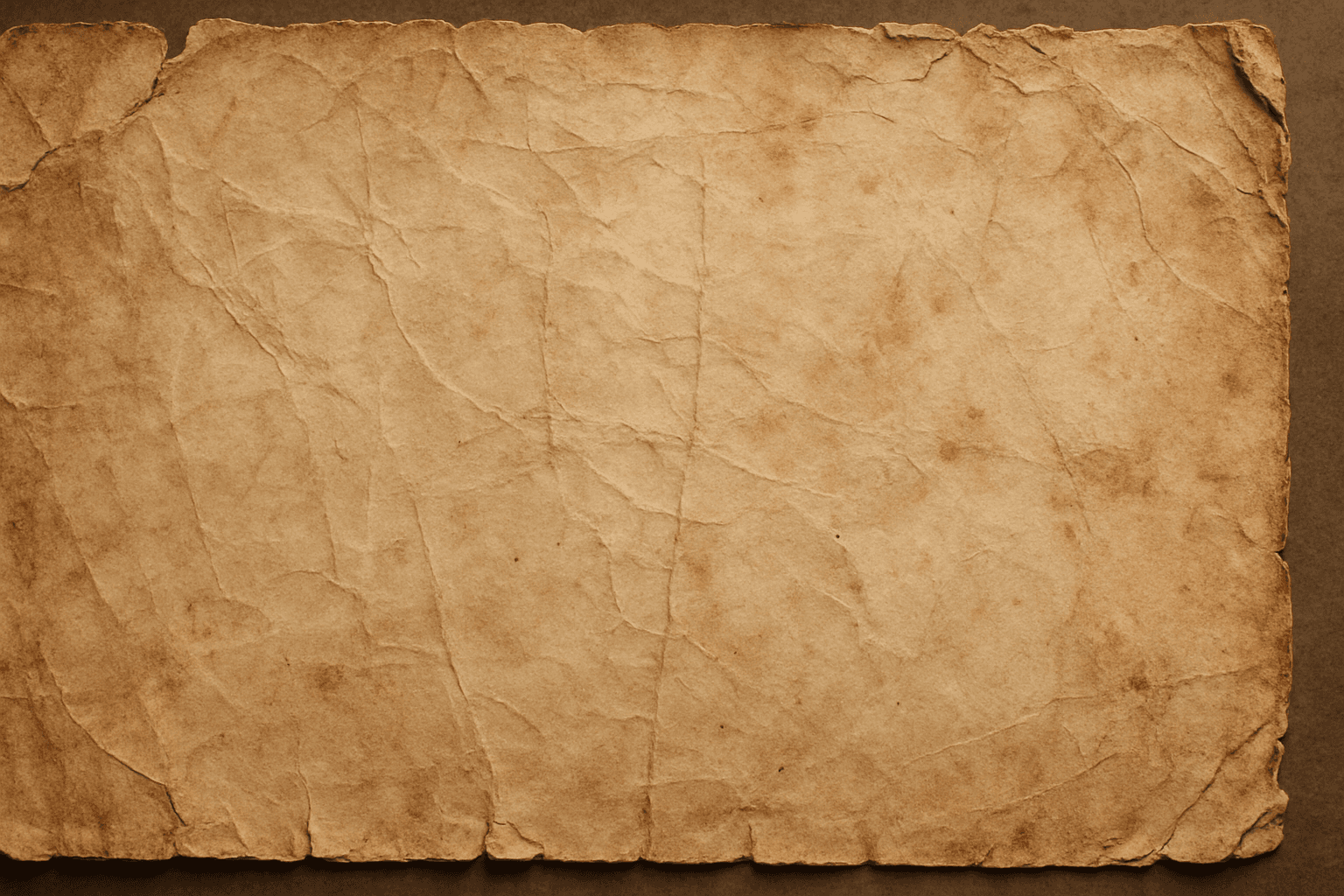
The distressed paper texture keyword is a valuable tool in AI image generation that adds authenticity and historical ambiance to digital artworks by simulating the look of aged or damaged paper. This effect is popular for creating backgrounds, overlays, or standalone textures in graphic design, photography adjustments, and illustrative projects. Incorporating distressed paper elements enriches visual storytelling, evokes nostalgia, and can enhance the mood of vintage or handmade aesthetics. Controlled application within prompts ensures that the wear appears natural without overpowering the primary subject.
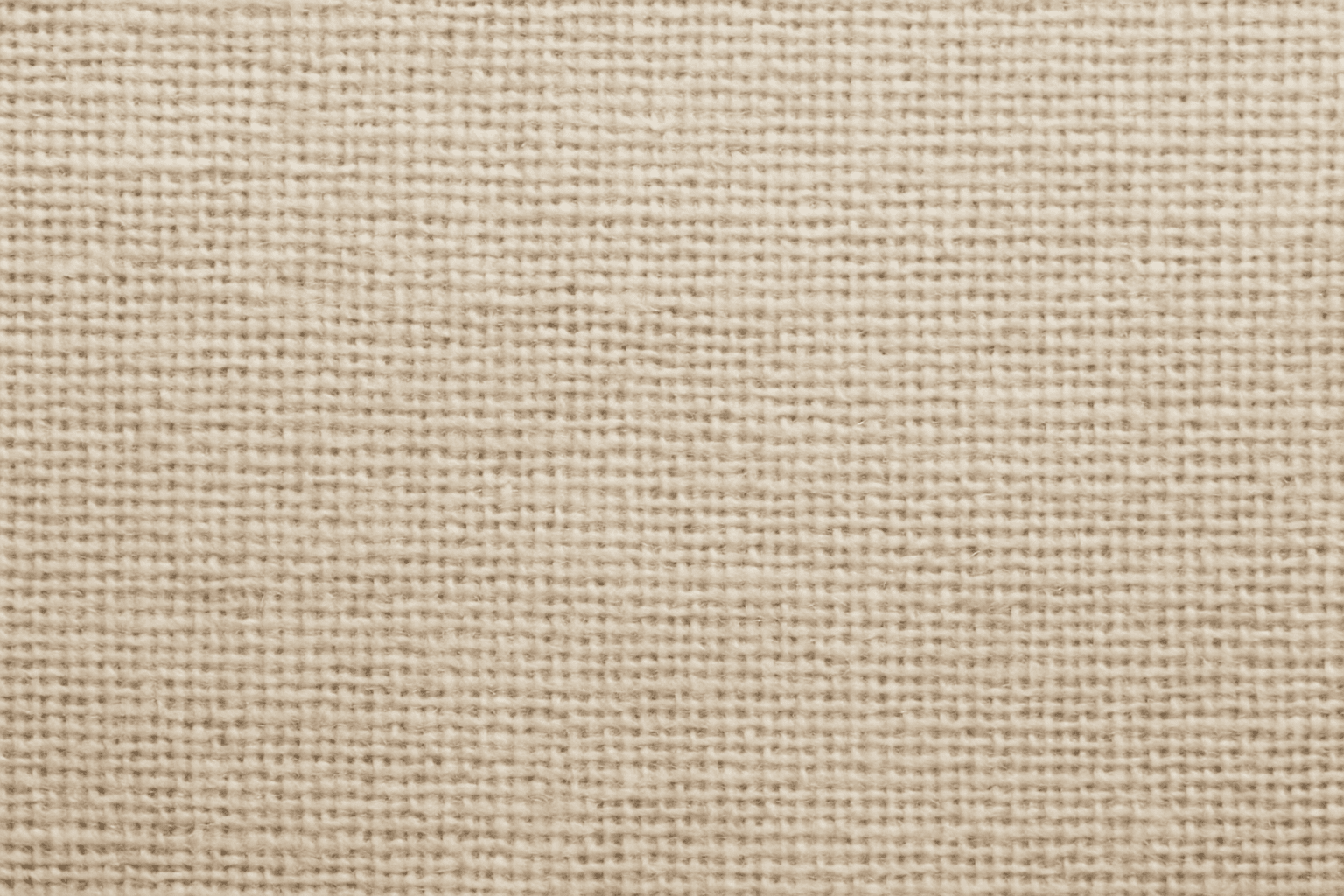
Textured Canvas Surface
In AI image generation, adding a 'Textured Canvas Surface' imparts the look and feel of traditional canvas materials, enriching digital images with a tactile, handcrafted aesthetic. This feature is vital when aiming for realism in artworks simulating paintings or prints, as it introduces subtle texture variations and surface depth that digital renders often lack. This keyword helps bridge the gap between digital creation and physical artistry by mimicking the fibrous structure and matte finish of real canvas, offering a premium and authentic appearance. Used carefully, it can elevate stock images, fine art reproductions, and editorial visuals that benefit from material authenticity.
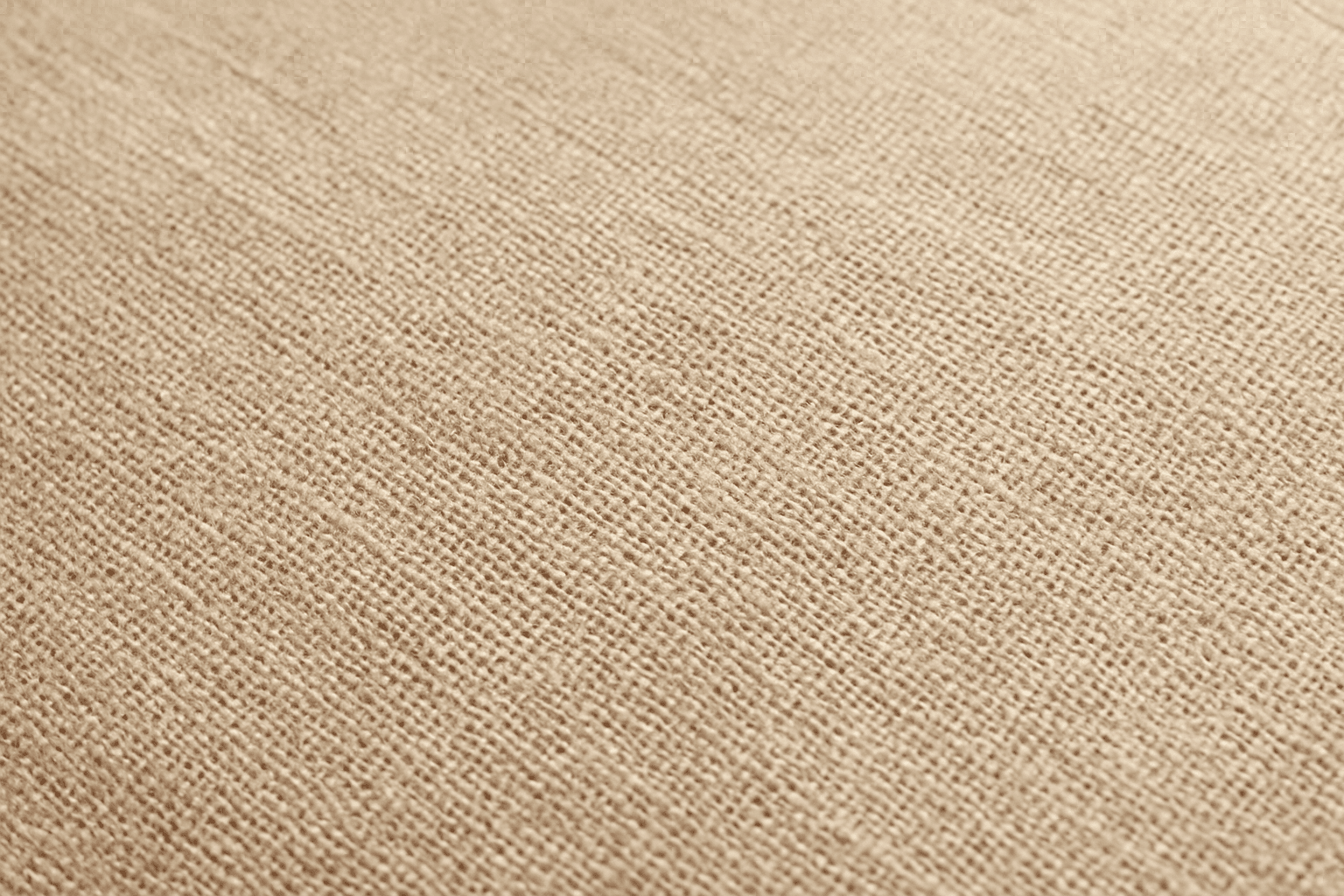
Textured Canvas Material
Using the textured canvas material keyword in AI image generation simulates the look and feel of real canvas fabric, widely appreciated in art and design fields. It brings a traditional, handcrafted quality to digital images, making them appear as if printed or painted on a physical canvas. This effect improves the sensory richness and realism of images, especially paintings, portraits, or background textures. Digital artists and content creators can use this keyword to add authentic fabric texture without manually editing textures, saving time while enhancing visual appeal.