Matte Paper Texture
Incorporating matte paper texture into AI-generated images creates a refined, tactile feel that mimics real matte paper. This texture is prized for its understated elegance because it reduces unwanted reflections and highlights, allowing for crisp and clear details. Matte finishes carry a sophisticated, professional look often used in print design, fine art, and editorial projects to convey quality and subtlety. Using this keyword enhances realism especially when simulating printed materials, photography backdrops, or artistic media. Understanding and leveraging matte paper texture enables creators to craft visuals with depth and softness that stand apart from glossy or metallic textures.

Definition
Matte paper texture in AI image prompts describes the addition of a soft, non-reflective paper surface finish to a generated image. This keyword influences the AI to simulate the appearance of paper with minimal gloss or shine, creating an understated and elegant backdrop or surface that differs from glossy or metallic textures.
Visual Characteristics
- Soft, diffuse light reflection with no shiny highlights
- Fine, subtle surface grain without gloss or shimmer
- Muted, flat color appearance enhancing softness and detail
Prompt Formula
To incorporate matte paper texture effectively, combine descriptive phrases with lighting and focus terms to emphasize surface quality. Use patterns such as: '...on matte paper texture, soft lighting, subtle grain, natural shadows' or '...printed on matte finish paper, diffuse light, fine texture'. These formulations guide the AI to render an image that clearly exhibits the matte paper's characteristics.
Best Use Cases
- High-quality print mockups such as brochures or invitations
- Editorial photography with soft, understated surfaces
- Fine art reproductions requiring realistic paper backgrounds
Creative Variations
To avoid repetitive outputs and add artistic variety, experiment with different lighting conditions like warm afternoon sun or cool diffused studio light, adjust color palettes from muted earth tones to pastel hues, or combine matte paper texture with complementary materials like linen or canvas. Additionally, changing composition styles—minimalist layouts, intricate patterns, or macro close-ups—can further diversify image results.
Industry Applications
Matte paper texture is versatile across industries. In advertising, it helps create premium print mockups that communicate quality. Editorial teams use it for magazine covers or photo spreads that benefit from subtle surfaces. Ecommerce businesses apply it to product shots or packaging visuals where non-reflective, realistic backgrounds enhance product visibility and appeal.
- Graphic design print mockups for presentations
- Editorial layouts showcasing photos or illustrations
- Ecommerce product photography styled with realistic paper textures
Common Mistakes
A frequent error is pairing matte paper texture with overly bright or harsh lighting that contradicts the soft, diffuse surface, resulting in unrealistic shininess. Another is specifying generic 'paper texture' without clarifying matte finish, which can confuse the AI into generating glossy or rough looks. To avoid muddy or flat images, balance the texture with adequate contrast and avoid overusing modifiers that dilute the matte effect.
FAQ
How does matte paper texture differ from glossy textures in AI image prompts?
Matte paper texture simulates a non-reflective, soft surface that diffuses light evenly, eliminating highlights and glare, whereas glossy textures create bright reflections and shine that emphasize surface smoothness and specularity.
Can matte paper texture be combined with other material textures in prompts?
Yes, it can be combined with textures like linen or canvas to create rich, layered surface appearances, but it's important to maintain clarity in the prompt to ensure the matte characteristic remains dominant.
What common prompt phrase helps emphasize matte quality?
Phrases such as 'soft lighting,' 'diffuse light,' 'non-glossy finish,' and 'subtle grain' help signal the AI to render the matte paper texture accurately.
Continue Exploring
Related Prompts
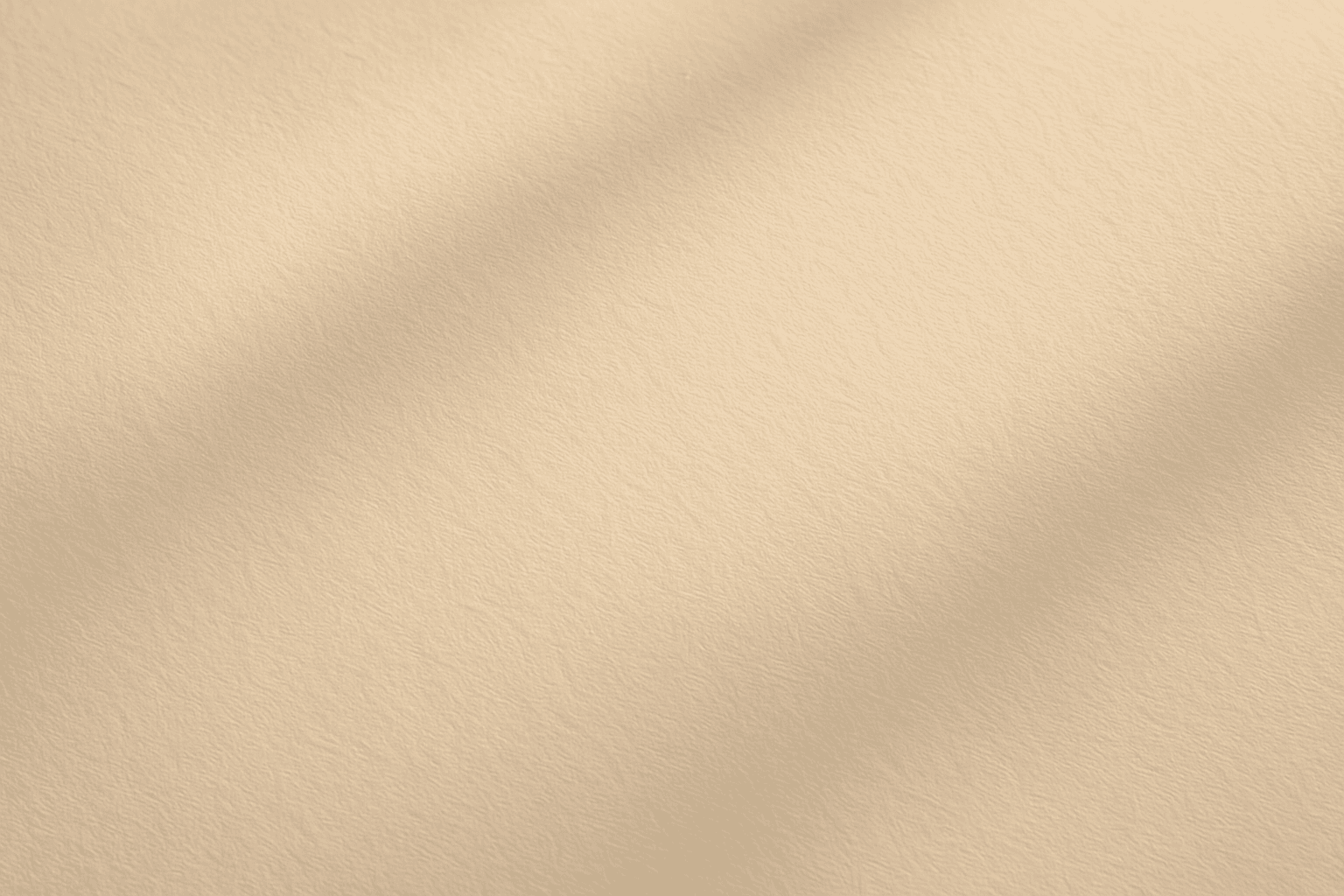
Soft Matte Paper Texture
Soft Matte Paper Texture is a specialized prompt keyword that helps artists and designers generate images featuring realistic, tactile paper surfaces with a matte finish. This texture is characterized by subdued reflections and a soft, natural look that avoids glare or shine. Using this keyword in AI prompts supports creations such as book covers, packaging mockups, stationery backgrounds, and fine art prints where the paper quality matters. The resulting images carry a premium aesthetic, imitating high-quality paper stock that is often sought after in print-design visualizations and marketing materials. Overall, employing Soft Matte Paper Texture enriches an AI image with subtle tactile cues contributing to a refined, understated finish.
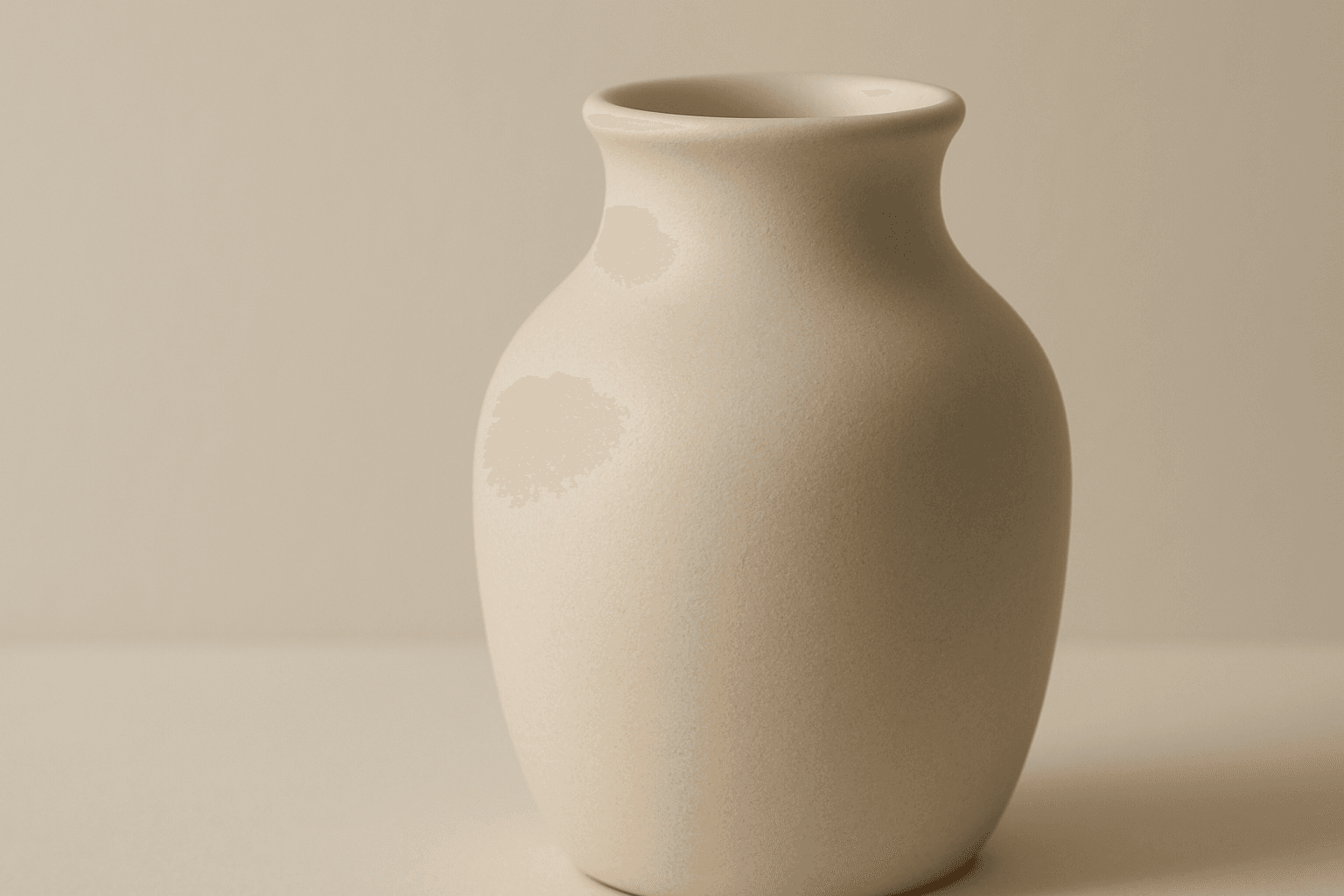
Matte Surface Texture
The 'Matte Surface Texture' keyword in AI image generation is fundamental when aiming for realism and subtlety in material appearance. Unlike glossy or reflective surfaces, matte textures offer a restrained light interaction, producing soft shadows and even visual tones. This texture is valued for its fine grain, softness, and understated elegance, making images appear modern and refined. Including this keyword enhances the material rendition of subjects like ceramics, paper, cloth, or painted surfaces, enabling photorealistic or stylized outputs that emphasize tactile qualities without distracting reflections. It's especially effective for editorial visuals, product mockups, and interior materials where controlling reflection is crucial.
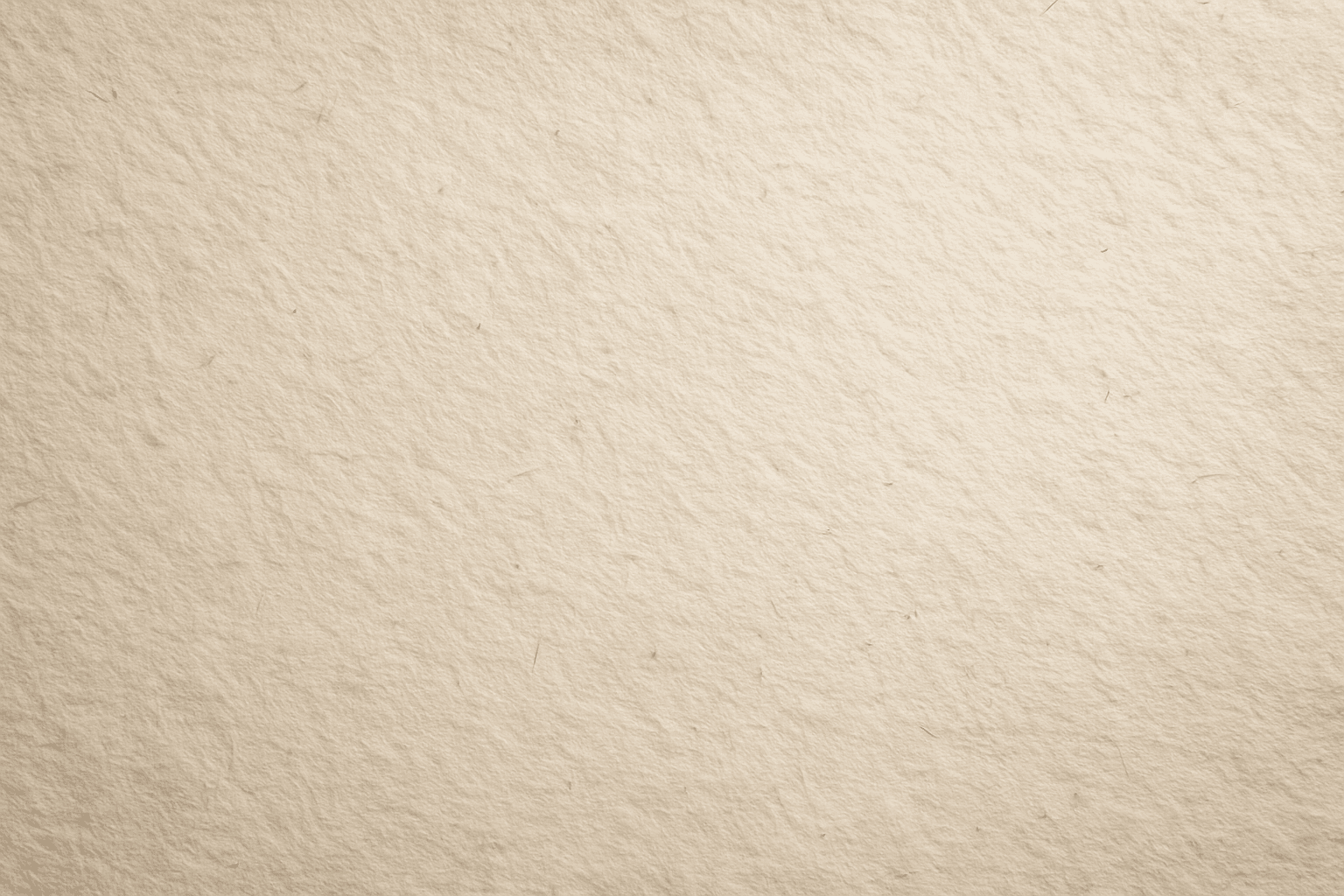
Textured Paper Background
Adding the 'Textured Paper Background' keyword to an AI-generated image prompt introduces a tactile and organic feel, mimicking the subtle fibers and natural imperfections of real paper. It optimizes visual depth and material realism, making backgrounds appear authentic and refined. This effect is particularly useful in artistic, editorial, or product-related images where a clean yet textural backdrop is desired. By specifying this texture, users can elevate the image's material presentation, avoiding flat or digital-only appearances. The result is a premium stock-image-quality background with sophisticated lighting and nuanced detail that enhances focus on the main subject without distraction.
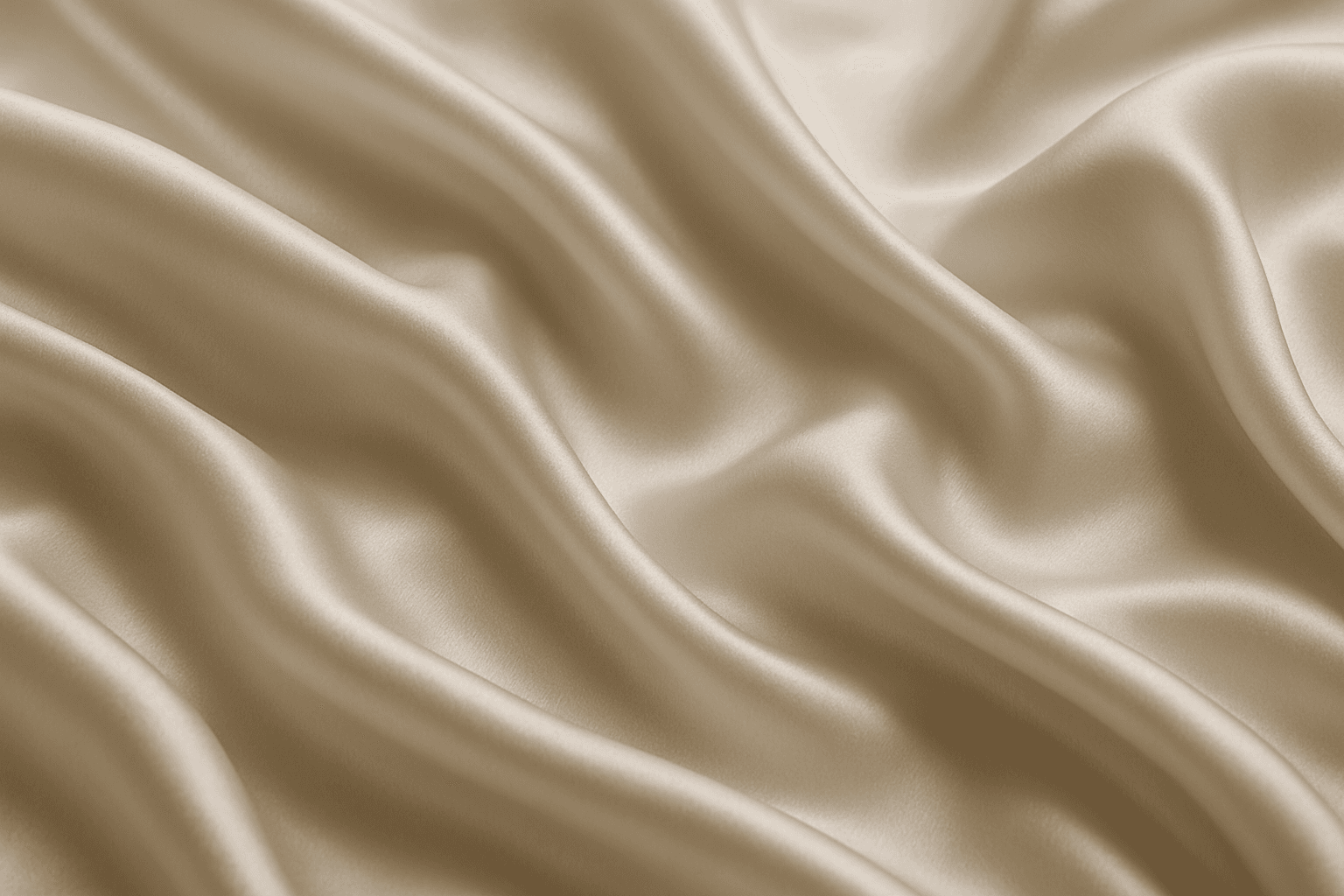
Smooth Silk Fabric Texture
Smooth silk fabric texture is prized for its elegant appearance and soft touch, making it a favored material in fashion, interiors, and luxury goods. In AI image generation, this keyword triggers the creation of images showcasing silk's signature sheen, fluid motion, and delicate surface details. When used in prompts, it helps produce visuals with refined lighting that emphasize silk’s smoothness and reflective quality. This texture enhances images requiring a premium, sophisticated look by mimicking silk’s characteristic glow and tactile softness, suitable for editorial hero shots, product photography simulations, and stylized compositions.
Paper Fiber Texture
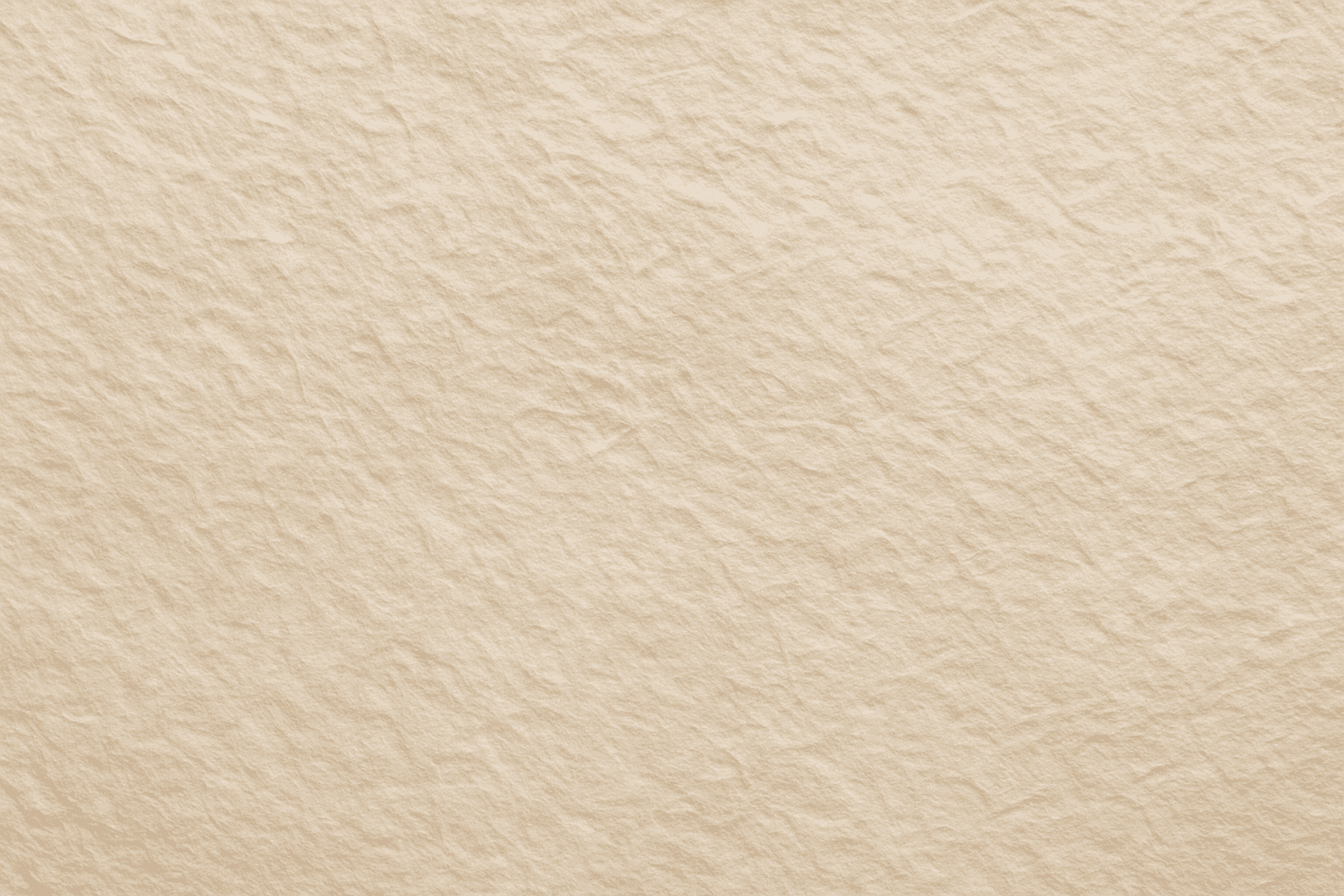
Paper Fiber Texture in AI-generated images enhances realism by simulating the microscopic fibers found in physical paper. This texture adds subtle detail and tactile qualities to artwork, making backgrounds or materials appear organic and handcrafted. When included in prompts, it helps models focus on delicate and uneven surfaces rather than flat or overly smooth ones. This keyword is especially useful in designs needing authenticity or vintage aesthetics, offering an alternative to digital or synthetic textures. It works well combined with lighting descriptions to highlight the tactile aspects of the fibers and create refined editorial visuals.
Leather Grain Texture
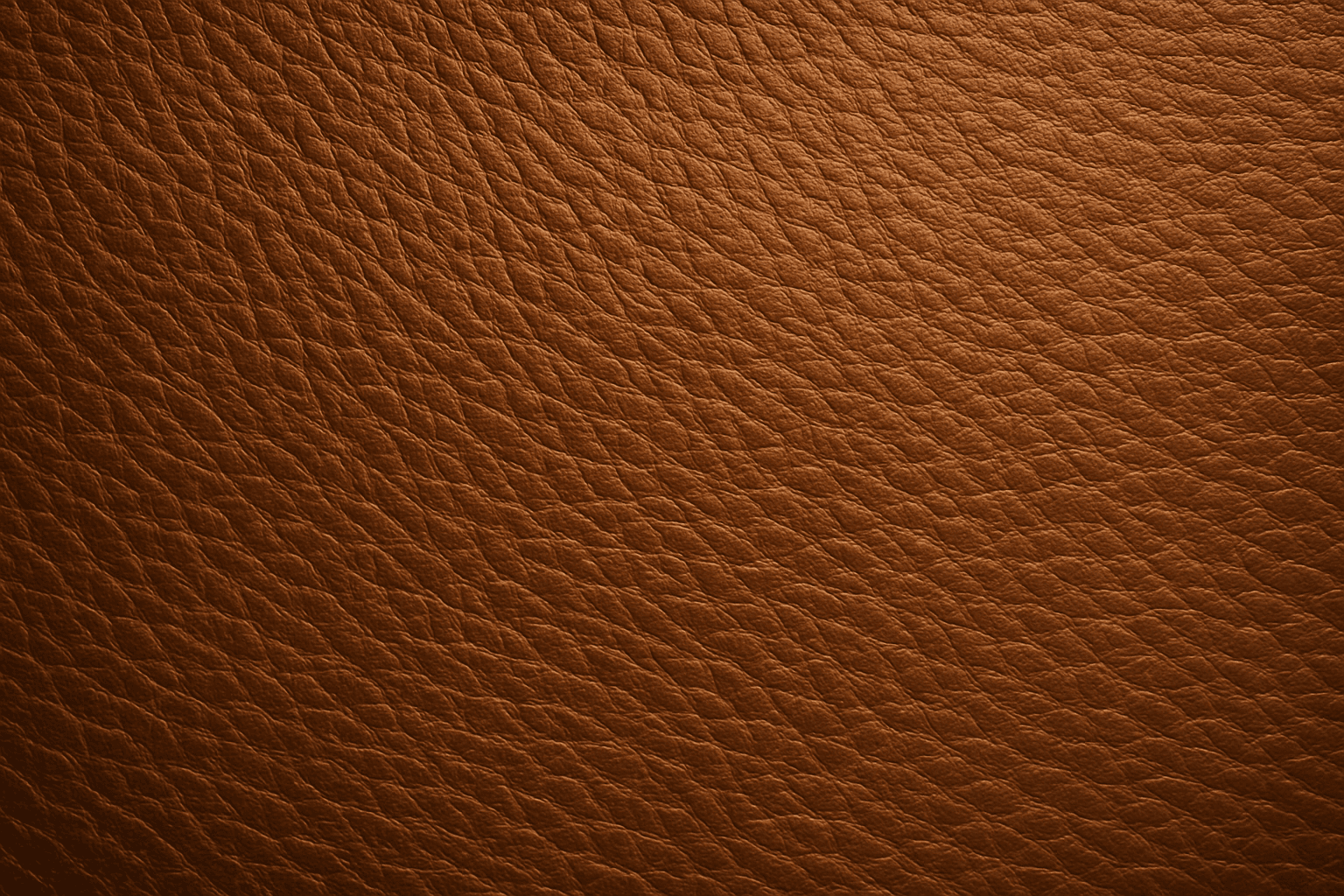
Using 'Leather Grain Texture' in AI image prompts allows creators to generate images with highly detailed and realistic leather surfaces. This keyword enhances the tactile quality of materials depicted, making them appear more authentic and premium. The characteristic grain patterns convey luxury and craftsmanship, useful for designs needing sophisticated material representation. When combined with appropriate lighting and composition, this texture can create visually rich images suitable for product visualization, fashion editorials, or interior design concepts. Mastery of this keyword helps artists achieve depth and realism in their material renderings, appealing to audiences seeking visually convincing visuals.