Industrial Concrete Surface
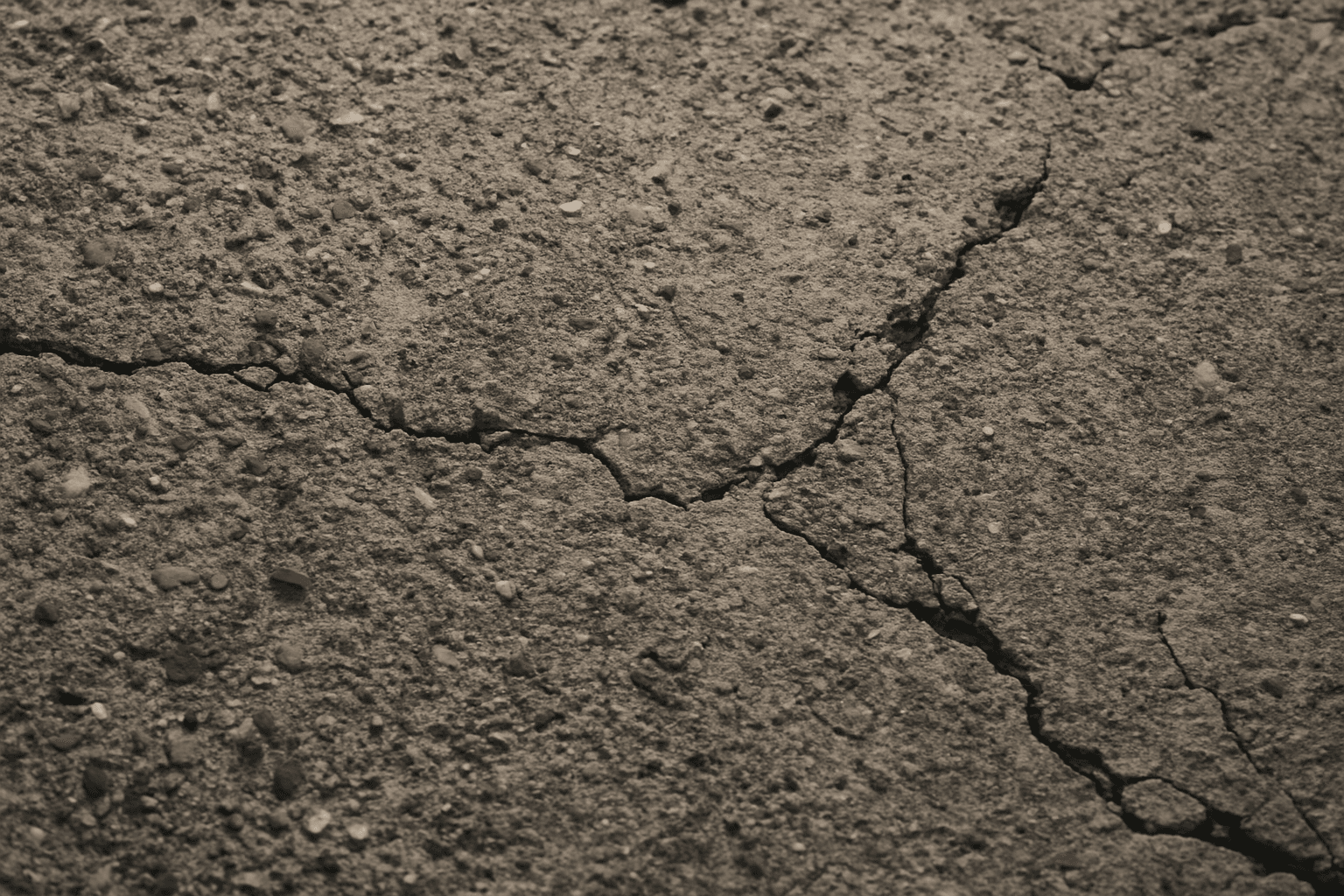
Industrial Concrete Surface textures bring an authentic, utilitarian feel to AI-generated images by emphasizing robust materials commonly found in factories, warehouses, urban outdoors, and architectural structures. Using this keyword results in imagery that features realistic, textured gray concrete surfaces showcasing toughness and industrial character. This texture serves well for backgrounds, flooring, walls, or construction elements, providing visual depth and a strong material presence distinct from smooth or polished surfaces. It suits modern and minimalistic design themes that highlight raw materiality and functional aesthetics.
Definition
'Industrial Concrete Surface' describes the texture and appearance of concrete materials commonly found in industrial or urban environments. This keyword in AI prompts directs the generation toward rough, solid, gray surfaces featuring realistic imperfections, cracks, and aggregate details. It adjusts the image tone to industrial, architectural contexts emphasizing material authenticity.
Prompt Formula
Use 'industrial concrete surface' combined with texture descriptors and lighting details to create realistic visuals. Example formula: "[subject] on/with an industrial concrete surface, [lighting], [detail level], [style]". Incorporate adjectives like rough, weathered, granular and lighting like ambient, soft shadow to enhance realism.
- "industrial concrete surface with rough texture and subtle cracks"
- "industrial concrete surface under soft natural lighting, high detail"
- "product on industrial concrete surface, minimal shadows, sharp focus"
Best Use Cases
- Backgrounds for architectural visualization emphasizing industrial design
- Staging surfaces in product photography for a raw material aesthetic
- Editorial and advertising visuals with urban or structural themes
Creative Variations
To avoid repetitive outputs when using 'industrial concrete surface,' vary the style by adjusting lighting (e.g., harsh versus diffused), color tone (cool grays versus warm concrete hues), and composition (close-up texture shots or wider environmental views). Introduce creative elements like partial moss growth, paint markings, or wet concrete reflections to diversify appearance.
- Change lighting: golden hour sunlight, overcast shadowing
- Incorporate color variations: weathered stains, rust adjacent surfaces
- Compose with nearby industrial elements: metal pipes, bolts, graffiti
Industry Applications
Industrial concrete surfaces have vast applications across commercial fields. Interior designers use this texture for visualizing modern industrial-style environments. Marketers and advertisers incorporate it to evoke durability and authenticity in their campaigns. E-commerce platforms utilize concrete surfaces to stage products for a clean, neutral, yet edgy background suitable for various goods.
- Interior design renderings for urban and loft spaces
- Advertising imagery focusing on industrial or durable product themes
- E-commerce product photography with minimalistic textured backgrounds
Common Mistakes
A typical mistake when prompting industrial concrete surfaces is overgeneralizing with broad terms, resulting in generic or unrealistic textures lacking depth or detail. Another pitfall is asking for excessively clean concrete, which contradicts the natural roughness expected in industrial settings. Avoid prompts that combine incongruent styles, causing muddled outputs.
- Using vague terms like 'concrete' without 'industrial' or texture descriptors
- Requesting 'smooth' or 'polished' surface conflicting with industrial roughness
- Combining with incompatible styles that dull texture realism
Advanced Techniques
Refine your prompts by combining 'industrial concrete surface' with specific lighting conditions (e.g., side lighting to emphasize texture relief) or environmental contexts (wet surfaces, cracked aged concrete). Introducing constraints like 'high resolution detail' or style modifiers such as 'photorealistic' and 'macro shot' can increase image fidelity and focus on tactile qualities.
- Add lighting effects: "dramatic side lighting emphasizing surface texture"
- Specify condition: "worn and cracked industrial concrete surface"
- Use style tags: "photorealistic, ultra-detailed, high resolution"]},{
- type":"professionalWorkflow","title":"Professional Workflow","body":"A solid workflow starts with briefing the AI using clear prompt formulas including 'industrial concrete surface' plus desired style and lighting. Generate multiple variants, then select images that best capture texture detail and material authenticity. Refine chosen images by adjusting prompt detail or using post-processing to enhance contrast and texture definition for final professional use.","items":["Define concrete texture and environmental context precisely","Generate multiple output variations for comparison","Select images with optimal detail and realism","Refine prompts or post-process to enhance surface tactile qualities"]}],
- faqs":[{
Professional Workflow
A solid workflow starts with briefing the AI using clear prompt formulas including 'industrial concrete surface' plus desired style and lighting. Generate multiple variants, then select images that best capture texture detail and material authenticity. Refine chosen images by adjusting prompt detail or using post-processing to enhance contrast and texture definition for final professional use.
- Define concrete texture and environmental context precisely
- Generate multiple output variations for comparison
- Select images with optimal detail and realism
- Refine prompts or post-process to enhance surface tactile qualities
FAQ
What lighting conditions best showcase industrial concrete surfaces in AI images?
Soft ambient or directional side lighting is ideal to accentuate the texture depth and surface imperfections of industrial concrete, creating realistic shadows and highlights.
How can I avoid generic concrete textures in my AI prompts?
Specify 'industrial' along with descriptive adjectives like rough, cracked, or weathered. Including context such as environmental elements or lighting further prevents flat or generic outputs.
Continue Exploring
Related Prompts

Rough Concrete Surface Texture
The 'Rough Concrete Surface Texture' keyword is essential for generating realistic architectural and artistic images where material authenticity is key. This texture conveys the tactile sensation of coarse, unfinished concrete, distinguished by its irregular surface, visible small stones, and imperfections like cracks and pores. Including this keyword in AI prompts enhances image realism by focusing on material detail. It is especially valuable in designs requiring gritty, industrial, or urban aesthetics, contributing to a sense of depth and authenticity in both digital and print projects. Mastery of rendering this texture helps designers and artists produce compelling visuals that resonate with users seeking raw and tangible surfaces.
Concrete Wall Texture
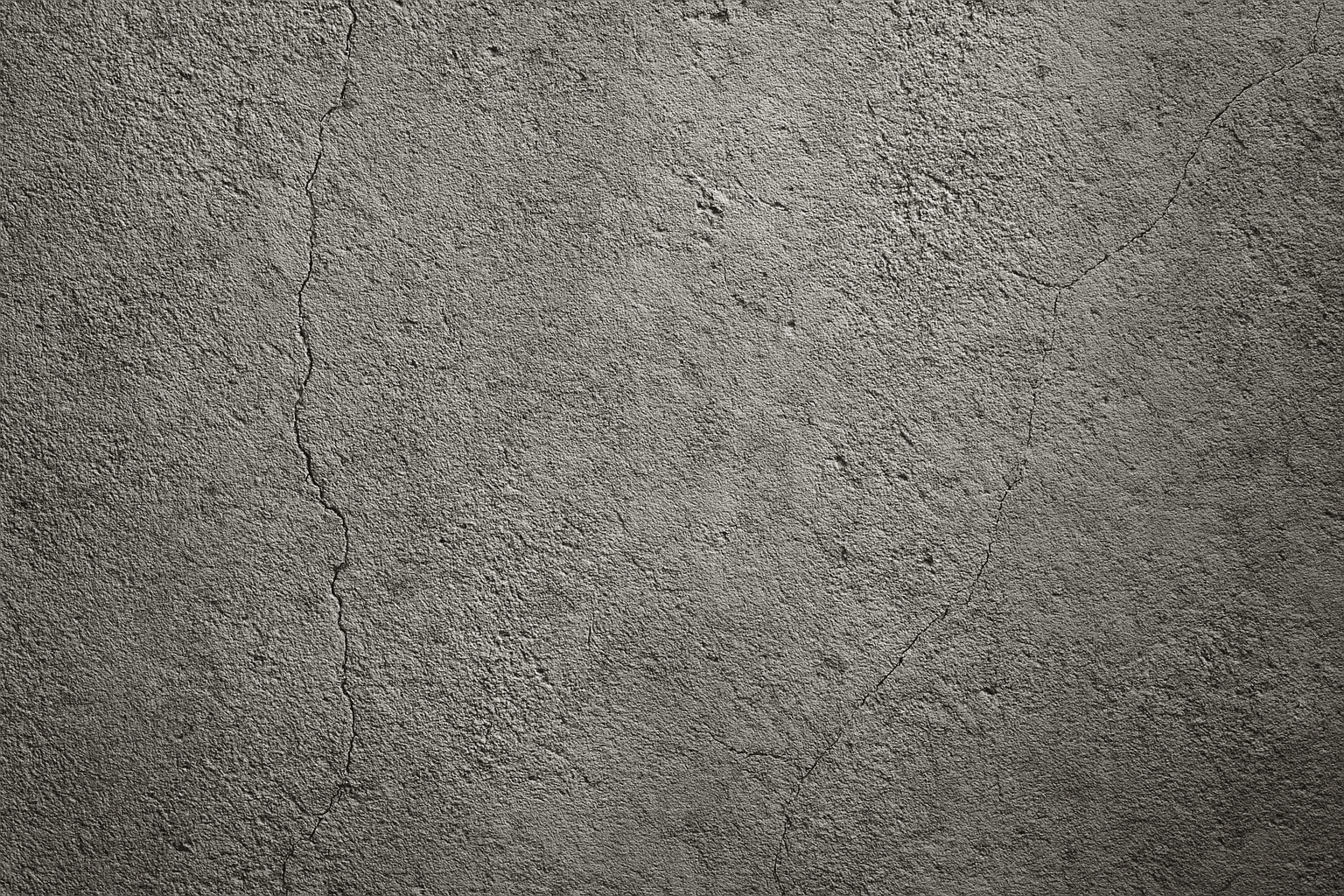
Concrete wall textures are a popular element in AI-generated imagery, valued for their ability to add a rugged, industrial feel to backgrounds and surfaces. This texture closely mimics the real-world appearance of concrete, featuring a mix of gray hues, roughness, and often subtle imperfections like streaks or cracks. When used in AI prompts, it directs image generators to emphasize materiality and structural realism, making it indispensable for architectural visualizations, graphic designs, and product backgrounds that require a tactile, authentic look. This keyword enhances the visual depth and lends an understated rawness to compositions, without drawing focus away from the main subject.
Concrete Texture
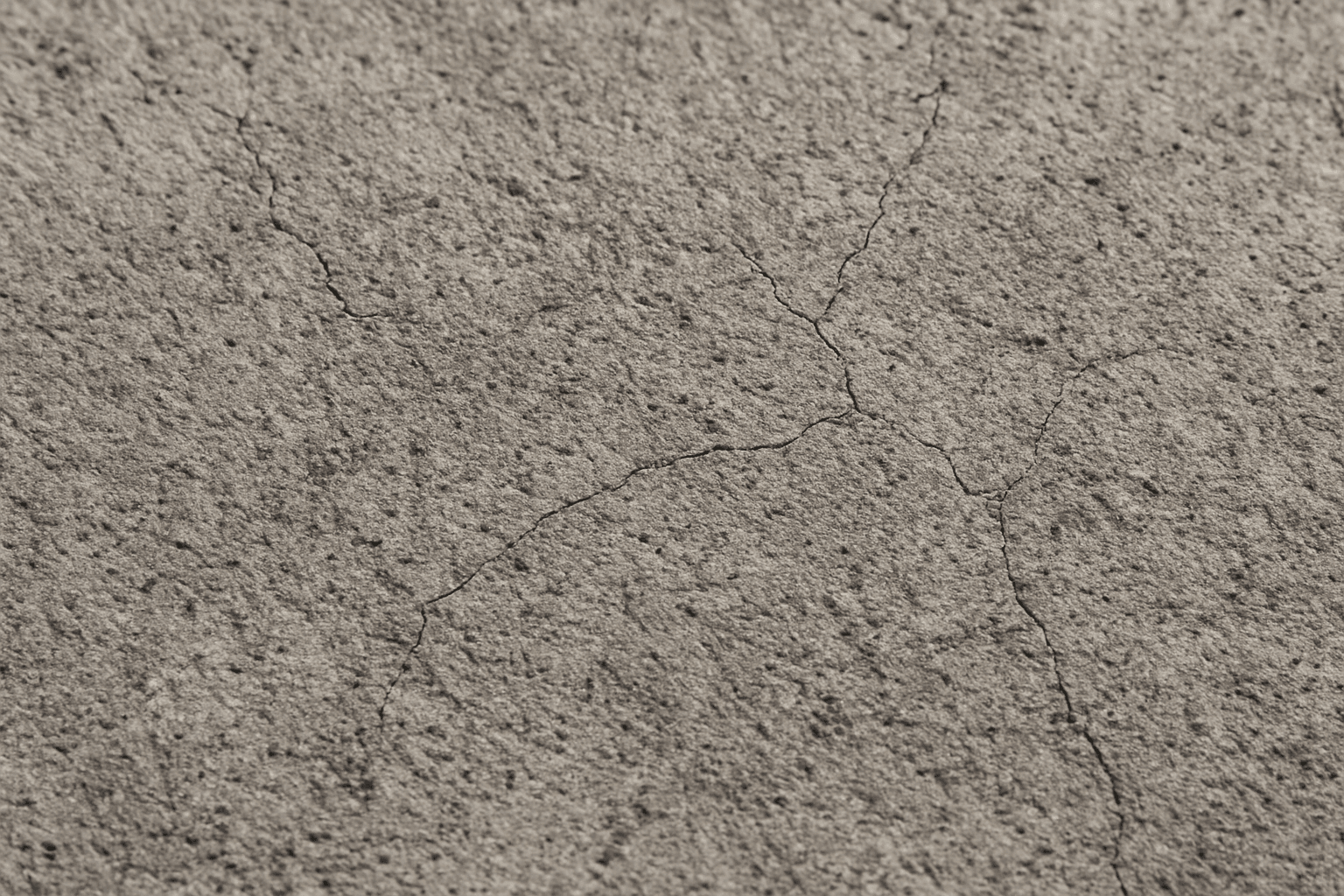
Using 'Concrete Texture' as a keyword in AI image generation is essential when aiming to simulate authentic concrete surfaces. This texture is characterized by its rough, grainy appearance with fine cracks and natural variations in tone, which contribute to a realistic material effect. Incorporating 'Concrete Texture' enriches scenes by adding depth and tactility, suitable for architectural renders, product backgrounds, or abstract compositions. It helps avoid flat or artificial appearances of concrete elements by instructing the AI to focus on the physical traits of concrete surfaces. This keyword is especially useful when high-fidelity material depiction is required for design presentations or digital art.
Frosted Glass Surface
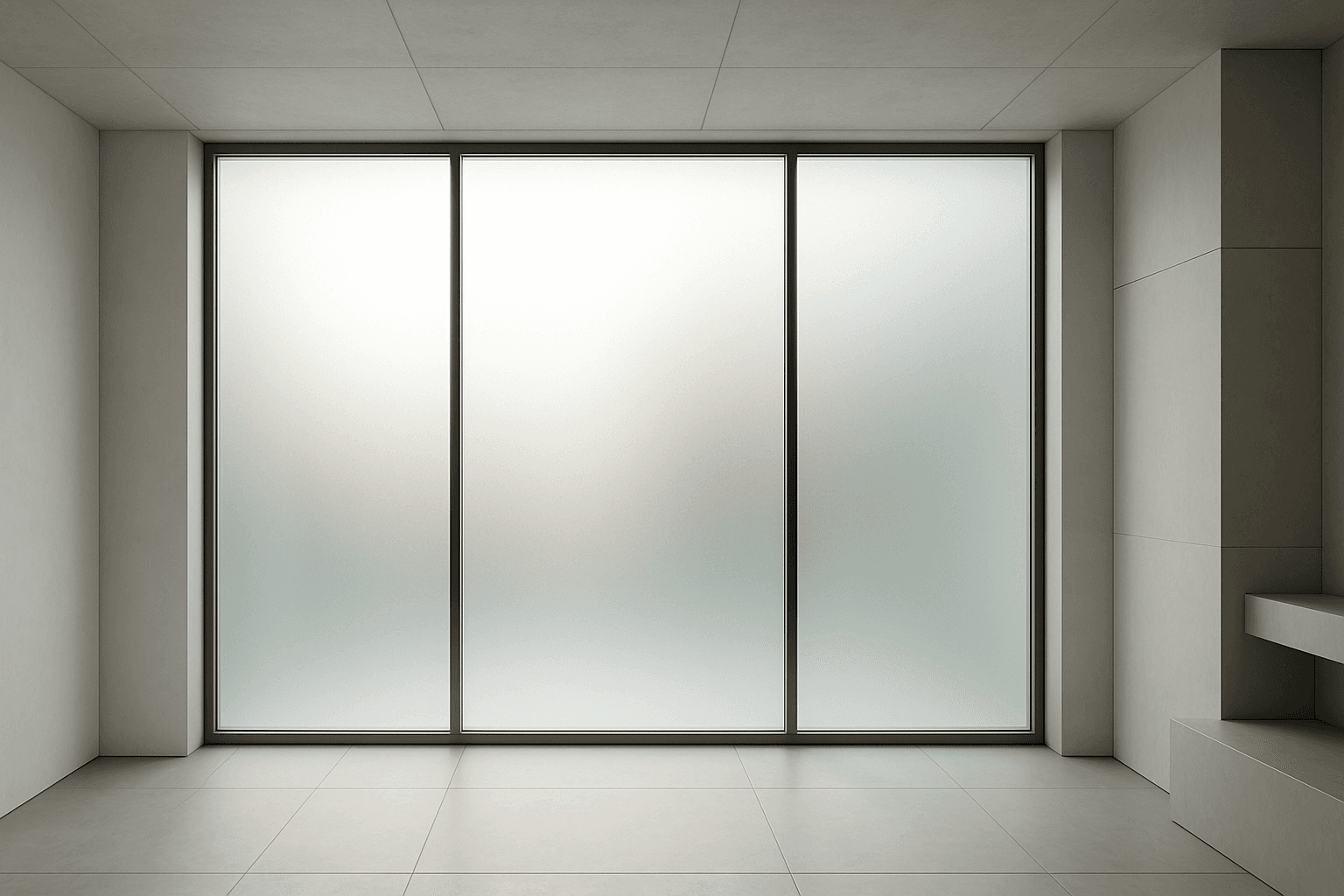
Frosted glass surfaces are widely used in modern design to provide privacy without sacrificing natural light. When incorporated into AI image prompts, this texture lends a subtle, elegant diffusion effect that replicates real-world glass treatments. It enhances scenes requiring sophisticated material realism and refined lighting. The frosted finish creates soft visual layers, allowing light to scatter gently and producing an inviting atmosphere. This texture works well in architecture, product design, and abstract compositions, adding depth while maintaining clarity of shape and color. Using this keyword correctly guides AI models to render nuanced glass surfaces with premium polish and tactile authenticity.
Granular Surface Texture
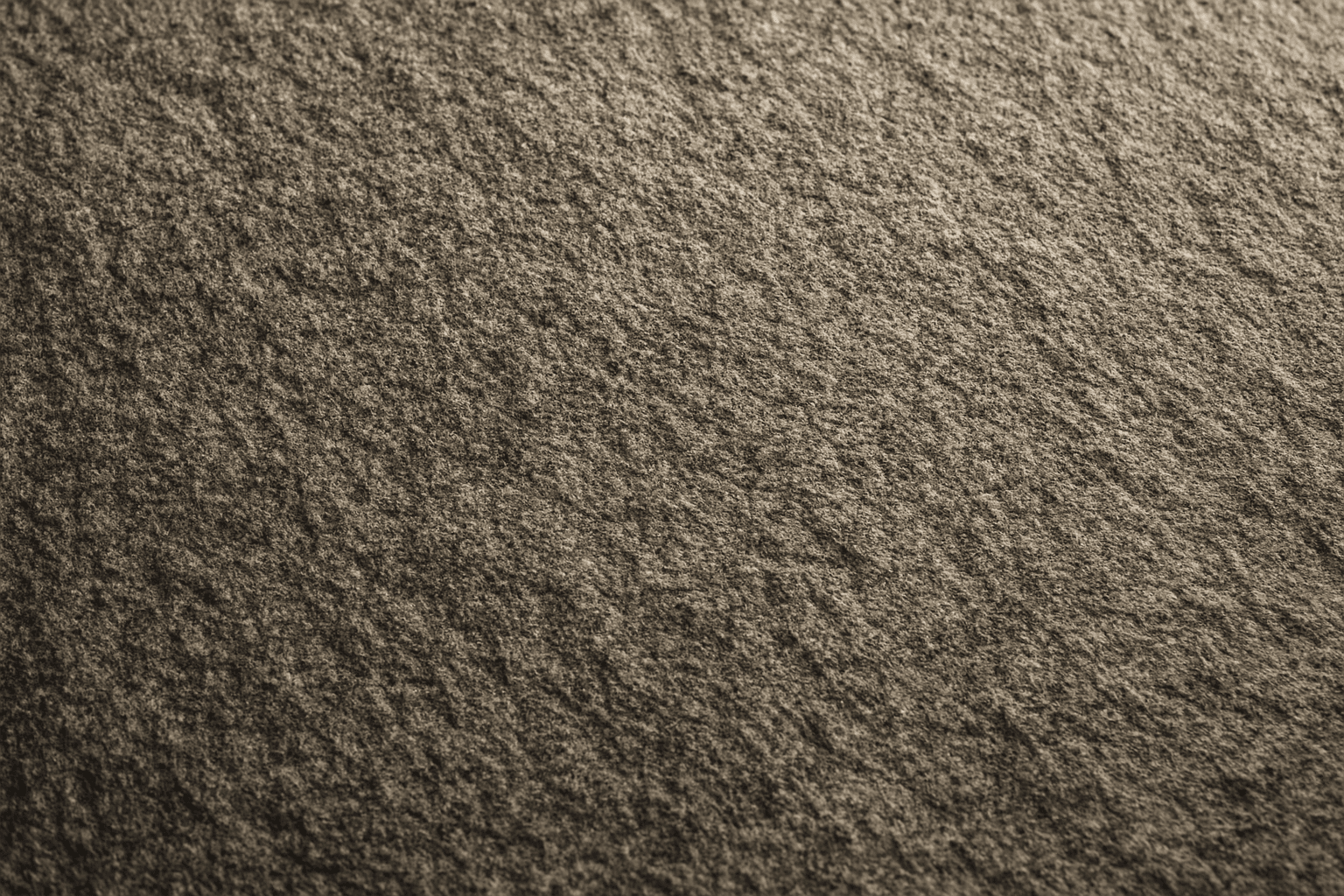
Granular Surface Texture is a key descriptive keyword used in AI image prompting to achieve photorealistic and tactile surfaces characterized by finely distributed grains or tiny particles. This texture offers an intricate level of detail that enriches the material quality of objects, making them appear more natural and tangible. When included in prompts, it encourages the generation of surfaces akin to sandpaper, concrete, rough fabric, or unpolished stone, providing visual complexity that appeals to designers and artists alike. Its use can transform otherwise flat or generic surfaces into engaging, dynamic visuals with depth and interest. This makes it valuable across many creative projects, from product visualization to environmental design.
Ceramic Surface
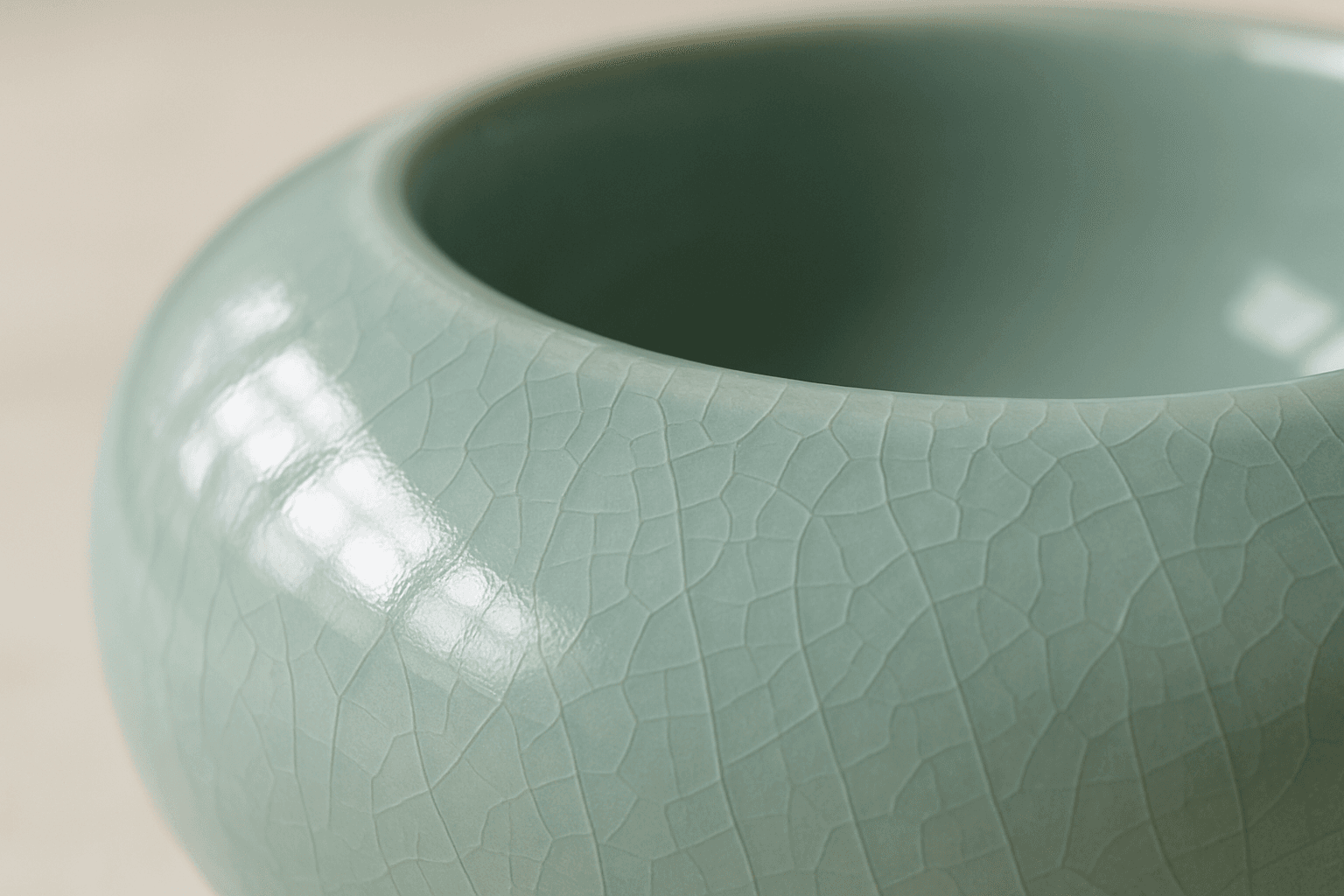
The keyword 'Ceramic Surface' in AI image generation targets a distinct material aesthetic recognizable by its smooth, often glossy finish and subtle textural nuances like glaze or crackle effects. Using this keyword refines renders to showcase the refined, tactile qualities of ceramics. It is essential for creating realistic representations of items like pottery, ceramic tiles, or porcelain wares, especially under nuanced lighting that enhances surface reflections and textures. The effect adds depth and realism, making objects appear tangible and convincing within various artistic or commercial compositions.