Chalk Texture Background
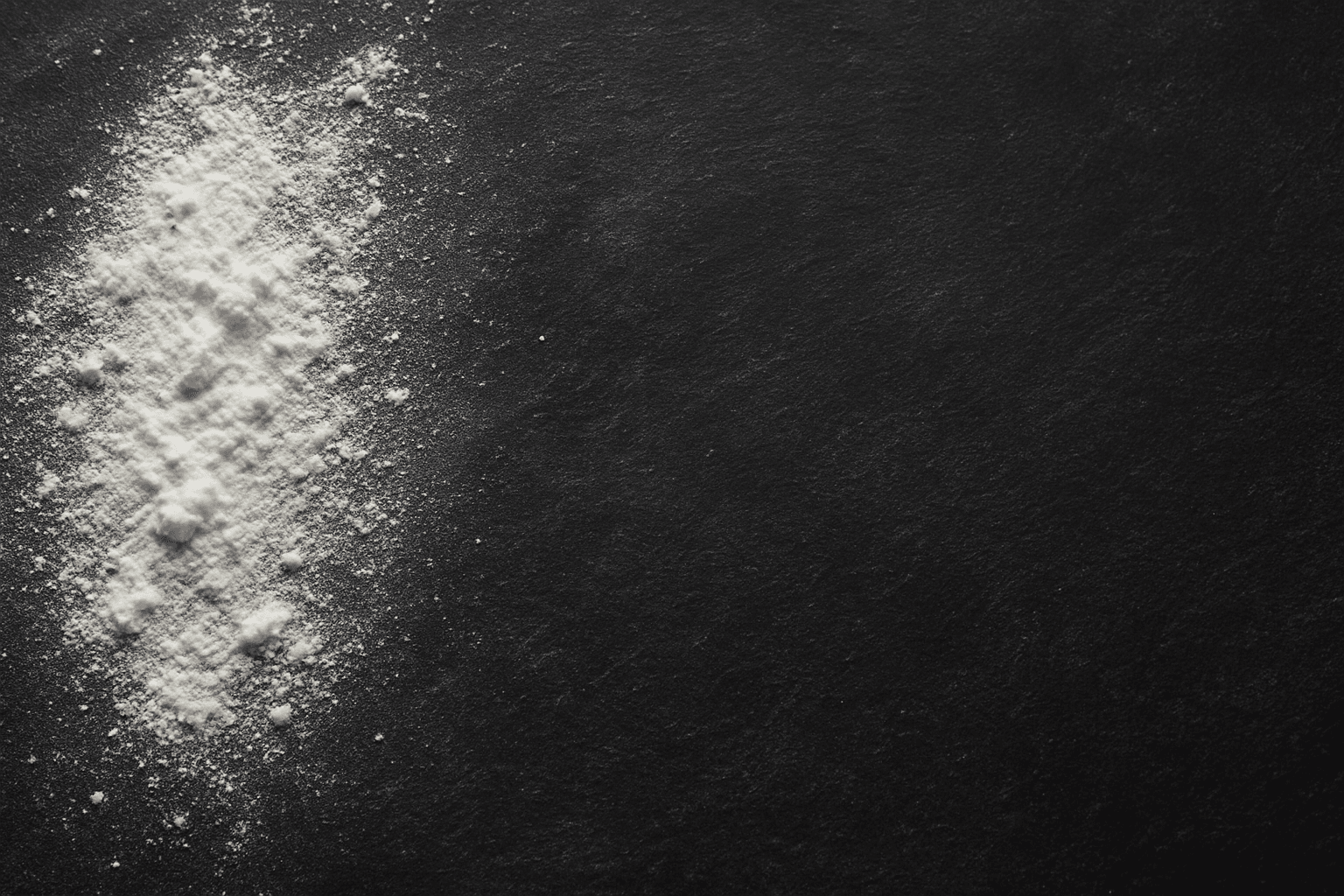
The 'Chalk Texture Background' keyword is a valuable addition to AI image prompting that instructs the model to render backgrounds mimicking chalk surfaces. This texture evokes an organic, handcrafted aesthetic characterized by grainy, dusty finishes with subtle imperfections. Ideal for mimicking blackboards, chalk art, or educational themed visuals, it adds a tactile quality rarely captured in digital images. When included, it helps deepen visual narratives by infusing backgrounds with textural nuance, useful across creative and commercial projects aiming for authenticity or artistic flair.
Definition
The 'Chalk Texture Background' keyword guides AI models to generate backgrounds resembling the distinct visual and tactile qualities of chalk surfaces. This includes a powdery, grainy texture with subtle variations typical of chalk dust spread across darker materials like blackboards or slate, imparting a handcrafted appearance. Including this keyword helps beginners specify the textural ambiance needed for artistic or educational visuals.
Visual Characteristics
- Powdery, grainy texture with soft, uneven chalk dust patches
- Matte surface lacking shine, often layered with false imperfections
- Light chalky white or pastel strokes on dark base resembling blackboard surfaces
Prompt Formula
To craft effective prompts, combine the base subject with descriptive chalk texture cues. Examples include: "[subject] on chalk texture background," "chalkboard style [subject] with powdery texture," or "hand-drawn chalk art effect with grainy background." Adding lighting descriptors like "soft lighting" or style notes like "vintage" enhances realism.
- [Subject] on chalk texture background
- Chalkboard style [subject] with powdery finish
- Hand-drawn chalk art effect, grainy background
Best Use Cases
- Educational graphics and classroom-themed visuals
- Artistic posters and social media content with chalk art aesthetics
- Product photos needing a rustic or matte-textured background
Creative Variations
To diversify outputs and avoid repetitive designs, vary lighting, colors, and composition. Use different chalk colors, such as pastel hues instead of only white, or add subtle smudges for wear effects. Experiment with perspective angles, focal points, or layering chalk textures with other materials like wood or paper backgrounds to enrich depth and visual interest.
- Use pastel chalk colors instead of only white
- Add chalk smudges or eraser marks for texture variety
- Combine chalk texture with wood or paper backdrops
Industry Applications
- Advertising campaigns for education or art supplies
- Editorial illustrations for magazines and blogs about learning
- Ecommerce backgrounds for handmade or rustic product photography
Common Mistakes
A frequent error is overloading the prompt with vague terms like "chalk" without specifying texture or context, leading to flat or unrealistic results. Another pitfall is ignoring lighting or color contrasts, causing muddy or washed-out chalk effects. To avoid this, pair the keyword with descriptive adjectives (e.g., powdery, grainy) and appropriate lighting (soft, directional) while ensuring color contrasts highlight the texture details.
- Avoid vague use of 'chalk' without texture context
- Include descriptors like 'powdery' or 'grainy' for realism
- Balance lighting and contrast to prevent washed-out or muddy looks
FAQ
How do I best use 'Chalk Texture Background' to enhance AI-generated art?
Include specific descriptors like "powdery," "grainy," or "matte finish" alongside 'Chalk Texture Background' to guide the AI in capturing authentic chalk visuals, and complement it with lighting and color details for richer results.
Can 'Chalk Texture Background' be combined with other texture keywords?
Yes, combining 'Chalk Texture Background' with related textures like 'wood texture' or 'paper grain' can create layered, more complex backgrounds that enhance the visual interest and realism of the image.
Continue Exploring
Related Prompts
Distressed Paper Texture
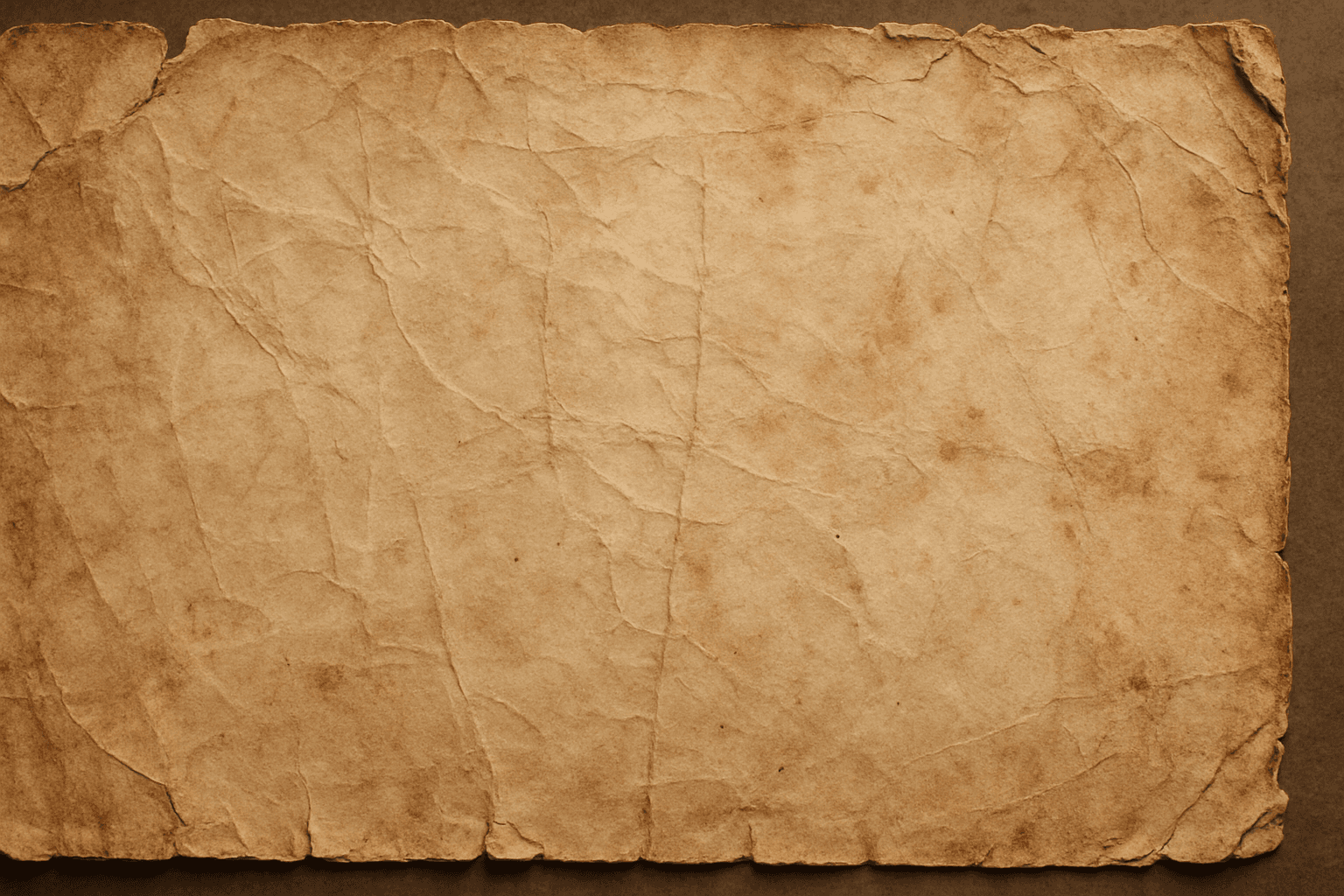
The distressed paper texture keyword is a valuable tool in AI image generation that adds authenticity and historical ambiance to digital artworks by simulating the look of aged or damaged paper. This effect is popular for creating backgrounds, overlays, or standalone textures in graphic design, photography adjustments, and illustrative projects. Incorporating distressed paper elements enriches visual storytelling, evokes nostalgia, and can enhance the mood of vintage or handmade aesthetics. Controlled application within prompts ensures that the wear appears natural without overpowering the primary subject.
Soft Matte Paper Texture
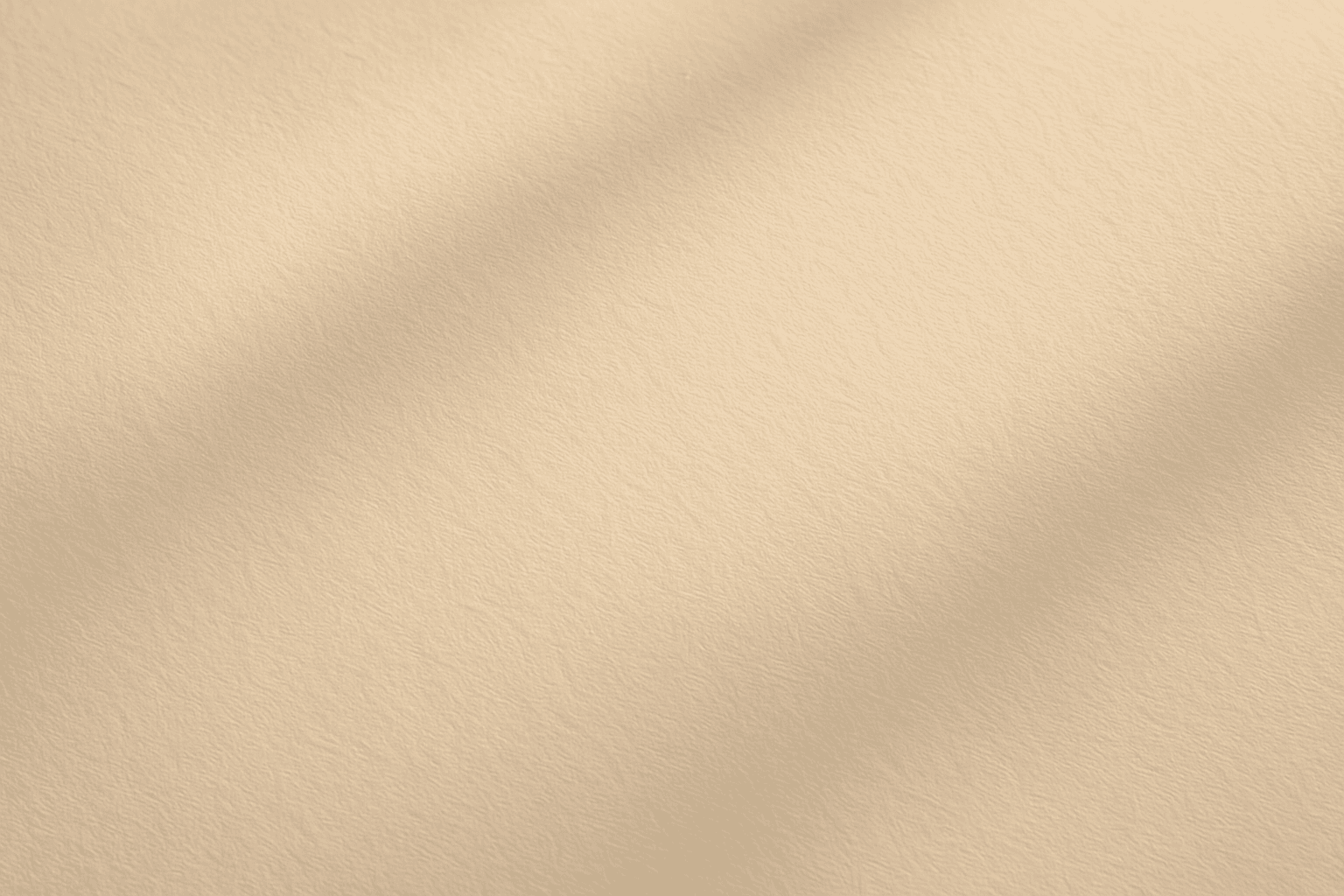
Soft Matte Paper Texture is a specialized prompt keyword that helps artists and designers generate images featuring realistic, tactile paper surfaces with a matte finish. This texture is characterized by subdued reflections and a soft, natural look that avoids glare or shine. Using this keyword in AI prompts supports creations such as book covers, packaging mockups, stationery backgrounds, and fine art prints where the paper quality matters. The resulting images carry a premium aesthetic, imitating high-quality paper stock that is often sought after in print-design visualizations and marketing materials. Overall, employing Soft Matte Paper Texture enriches an AI image with subtle tactile cues contributing to a refined, understated finish.

Grainy Film Overlay Texture
Grainy Film Overlay Texture brings the authentic look of analog photography to AI-generated images. This texture injects tiny speckles and visual noise that replicate the characteristics of traditional film, offering a tactile and imperfect surface effect. It works by layering a grain pattern over the image, enhancing texture without overpowering details. The result is an artistic and cinematic atmosphere that evokes nostalgia and moodiness. This effect is widely appreciated in creative fields where polished digital clarity is deliberately softened to create ambiance and emotional depth. Using this texture helps bridge the gap between digital art and classic photography aesthetics.

Organic Fabric Texture
Organic fabric textures evoke the raw, natural qualities of textiles derived from plants and animals, such as cotton, linen, or wool. AI-generated images tagged with this keyword focus on capturing the tactile, authentic look of these fabrics. This includes detailed weaves, slight irregularities in fiber distribution, and earthy tones that convey warmth and eco-friendliness. Using organic fabric textures enhances visual storytelling when the goal is to emphasize sustainability, artisanal craftsmanship, or comfort in product visuals and editorial design. This keyword is suitable for creating nuanced backgrounds, material samples, and realistic textile representations in digital art and commercial imagery.
Textured Paper Background
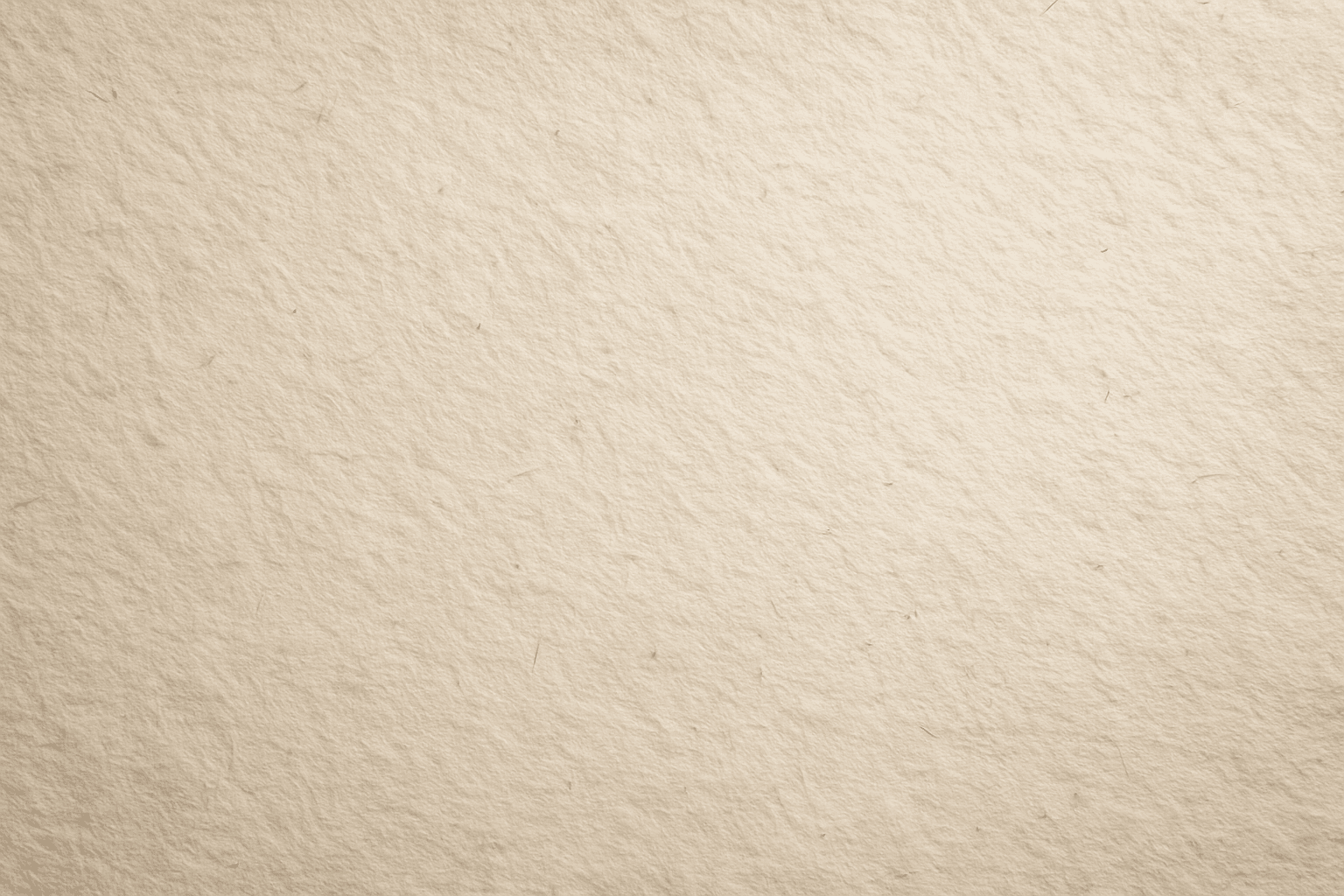
Adding the 'Textured Paper Background' keyword to an AI-generated image prompt introduces a tactile and organic feel, mimicking the subtle fibers and natural imperfections of real paper. It optimizes visual depth and material realism, making backgrounds appear authentic and refined. This effect is particularly useful in artistic, editorial, or product-related images where a clean yet textural backdrop is desired. By specifying this texture, users can elevate the image's material presentation, avoiding flat or digital-only appearances. The result is a premium stock-image-quality background with sophisticated lighting and nuanced detail that enhances focus on the main subject without distraction.
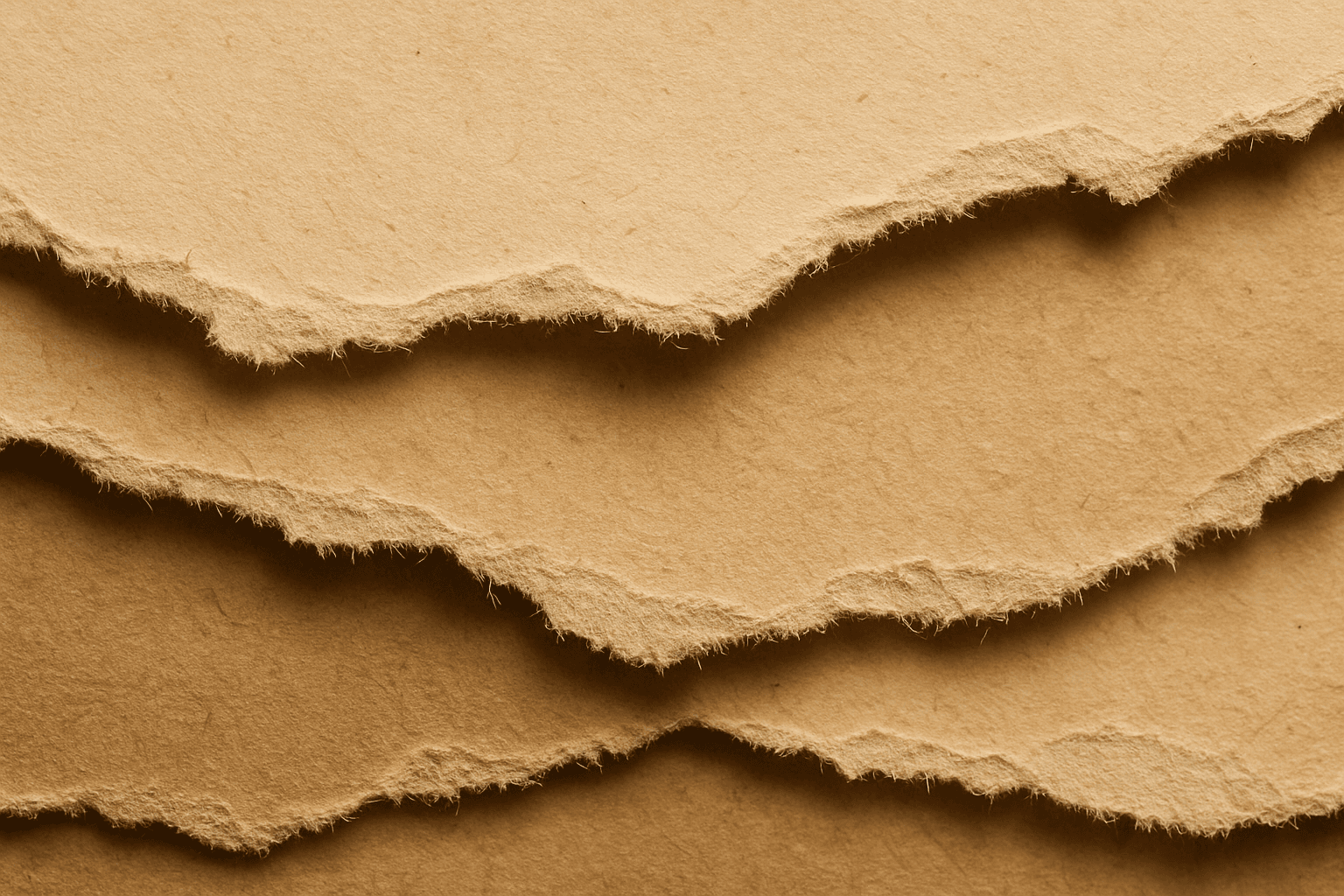
Torn Paper Texture
Using the Torn Paper Texture keyword in AI image prompts helps generate visuals that mimic torn paper edges and surfaces. This texture adds depth and realism by introducing naturally imperfect boundaries, often with visible fibers and roughness. It's ideal for creating collage effects, vintage posters, scrapbook aesthetics, or rustic backgrounds. Incorporating torn paper details can lend a tactile and handcrafted feel to digital images, making them stand out with organic imperfection rather than smooth, flat edges.