Smooth Marble Surface Texture
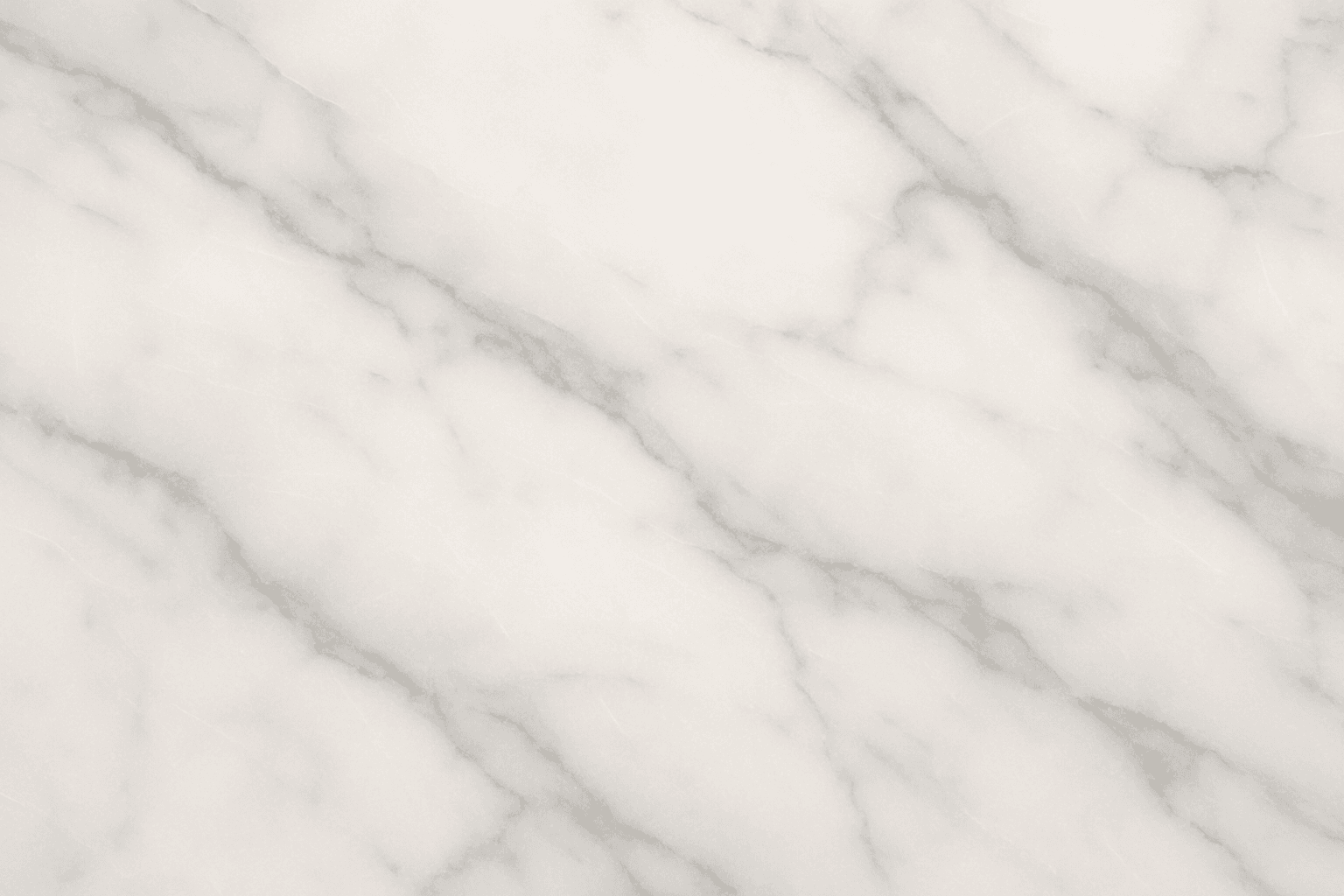
The smooth marble surface texture keyword is valuable for artists and designers aiming to replicate the luxurious and timeless appeal of marble in AI-generated images. It ensures the depiction of natural stone with polished, shiny surfaces, gentle veining, and realistic material depth. By incorporating this texture in prompts, creators can generate images suitable for high-end interiors, product mockups, or branding visuals that call for sophisticated marble backgrounds. The smoothness and fine detailing elevate the perceived quality and visual interest of the images.
Definition
The 'Smooth Marble Surface Texture' keyword in AI image generation refers to directing the model to create images that capture the look and feel of polished marble stone surfaces. This includes fine details such as gentle veining, a glossy or semi-reflective finish, and an overall smooth appearance without roughness or cracks. Incorporating this keyword changes prompts by emphasizing realistic marble material qualities, making generated images suitable for contexts requiring high-end stone textures.
Visual Characteristics
- Polished glossy finish with soft reflections
- Subtle organic veining patterns varying in color intensity
- Uniform smoothness without roughness or cracks
Prompt Formula
To create effective prompts using the 'smooth marble surface texture' keyword, combine it with specific qualifiers to refine material realism and context. Use the formula: [Close-up or environment] + 'smooth marble surface texture' + [lighting condition] + [detail level] + [style/realism]. For example, 'close-up of smooth marble surface texture with soft natural light, ultra-realistic detail' or 'modern interior with smooth marble surface texture, ambient lighting, photorealistic.' This pattern helps ensure consistent and high-quality marble texture generation.
Best Use Cases
- Luxury interior design visualizations (e.g., countertops, flooring)
- High-end product backgrounds requiring elegant natural stone
- Architectural renders showcasing polished marble elements
Creative Variations
To diversify outputs and avoid repetitive marble textures, experiment with lighting such as warm sunset tones versus cool daylight. Adjust color palettes by incorporating variations like creamy white, soft beige, or dramatic black marble. Consider composition changes including macro close-ups to highlight texture details or wide-angle shots showing marble within architectural contexts. Introducing reflections, shadow play, or subtle imperfections like faint cracks can add creative uniqueness while preserving smooth marble qualities.
Industry Applications
- Advertising luxury lifestyles and real estate
- Editorial content in home decor and architecture magazines
- Ecommerce product displays for upscale goods
Model-Specific Tips
For optimal results with modern AI image models, combine 'smooth marble surface texture' with precise descriptors related to lighting and realism to reduce ambiguity. Avoid overly complex syntax—keep prompts clear but detailed, including adjectives like 'polished,' 'glossy,' or 'natural veining.' Utilize negative prompting where available to suppress unwanted texture roughness or noise, ensuring smoother surfaces. Testing variations and referencing model updates helps maintain compatibility without relying on any model-specific tokens or fragile syntax.
FAQ
How does adding 'smooth marble surface texture' affect AI-generated images?
It guides the AI to render surfaces that mimic polished marble, featuring smoothness, subtle veins, and a glossy finish, enhancing the realism of stone materials in the image.
Can I use this keyword for colored marble textures?
Yes, combining this keyword with color descriptors like 'black,' 'white,' or 'beige' marble helps generate varied marble texture colors while retaining smooth surface qualities.
Continue Exploring
Related Prompts

Smooth Marble Texture
The 'Smooth Marble Texture' keyword is invaluable for users seeking to create images featuring high-quality polished marble surfaces. By incorporating this keyword, AI image generators focus on capturing the luxurious smoothness and subtle veining inherent to natural marble. This texture is often used in modern and classic designs to convey elegance and durability. Professionals in interior design, advertising, and visual content creation rely on realistic marble textures for backgrounds, product displays, and architectural visualizations. Proper prompt usage elevates image realism and enhances the material aesthetic, lending premium appeal and refined detail to digital compositions.
Polished Wood Texture
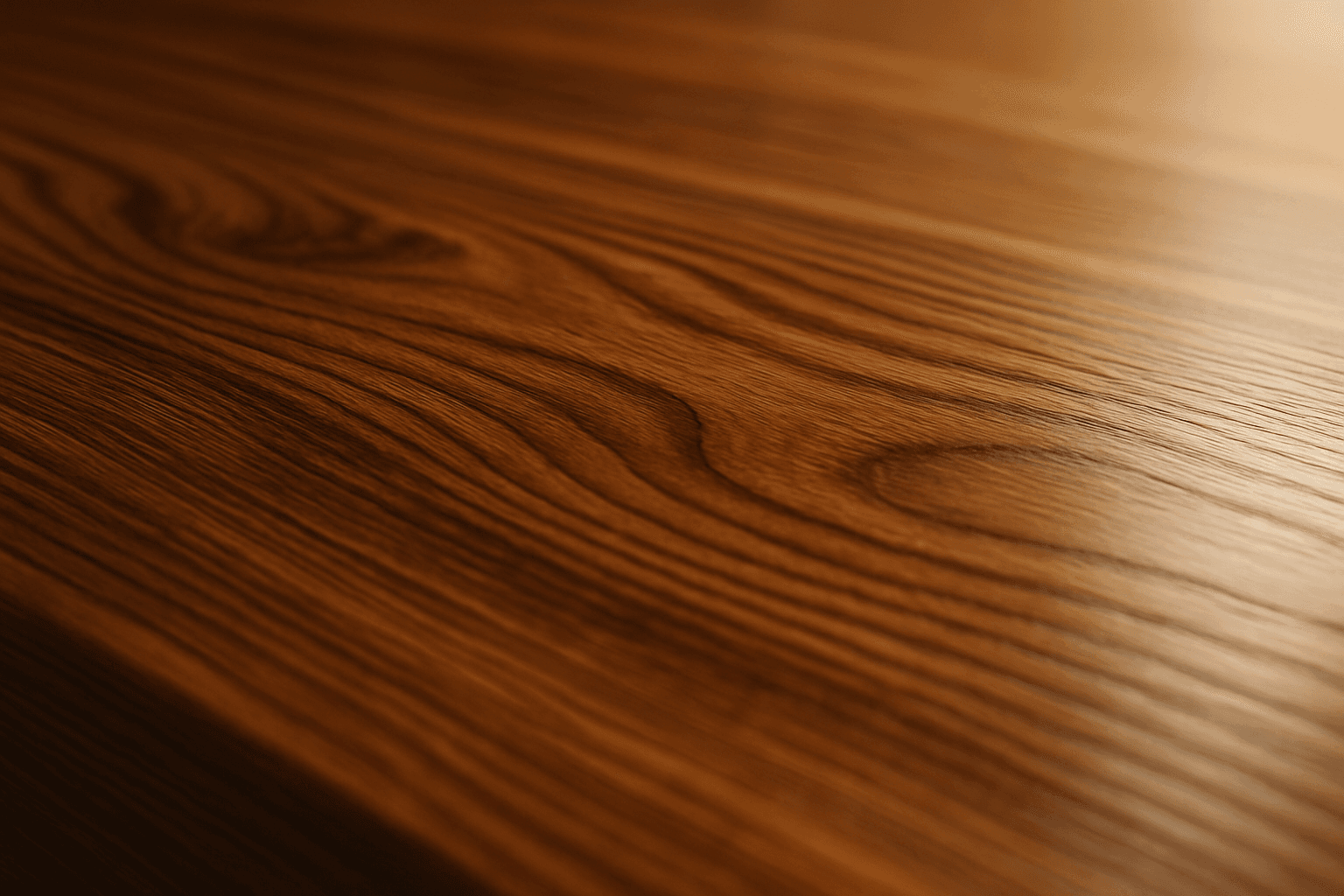
The 'Polished Wood Texture' keyword is essential for creating highly realistic and visually appealing wood surfaces in AI-generated imagery, especially in product design, interior visualization, and material studies. This texture emphasizes the fine finish and reflective qualities of wood that has been carefully sanded and treated with a glossy coating, producing subtle light reflections and depth. Using this keyword, artists and designers can quickly convey a sense of luxury, craftsmanship, and natural warmth in their images. It works effectively with various wood types and complements modern editorial aesthetics that value clean, premium material representations. Leveraging this texture in AI-generated images helps achieve a refined realism suitable for high-end design presentations or stock imagery.
Smooth Silk Fabric Texture
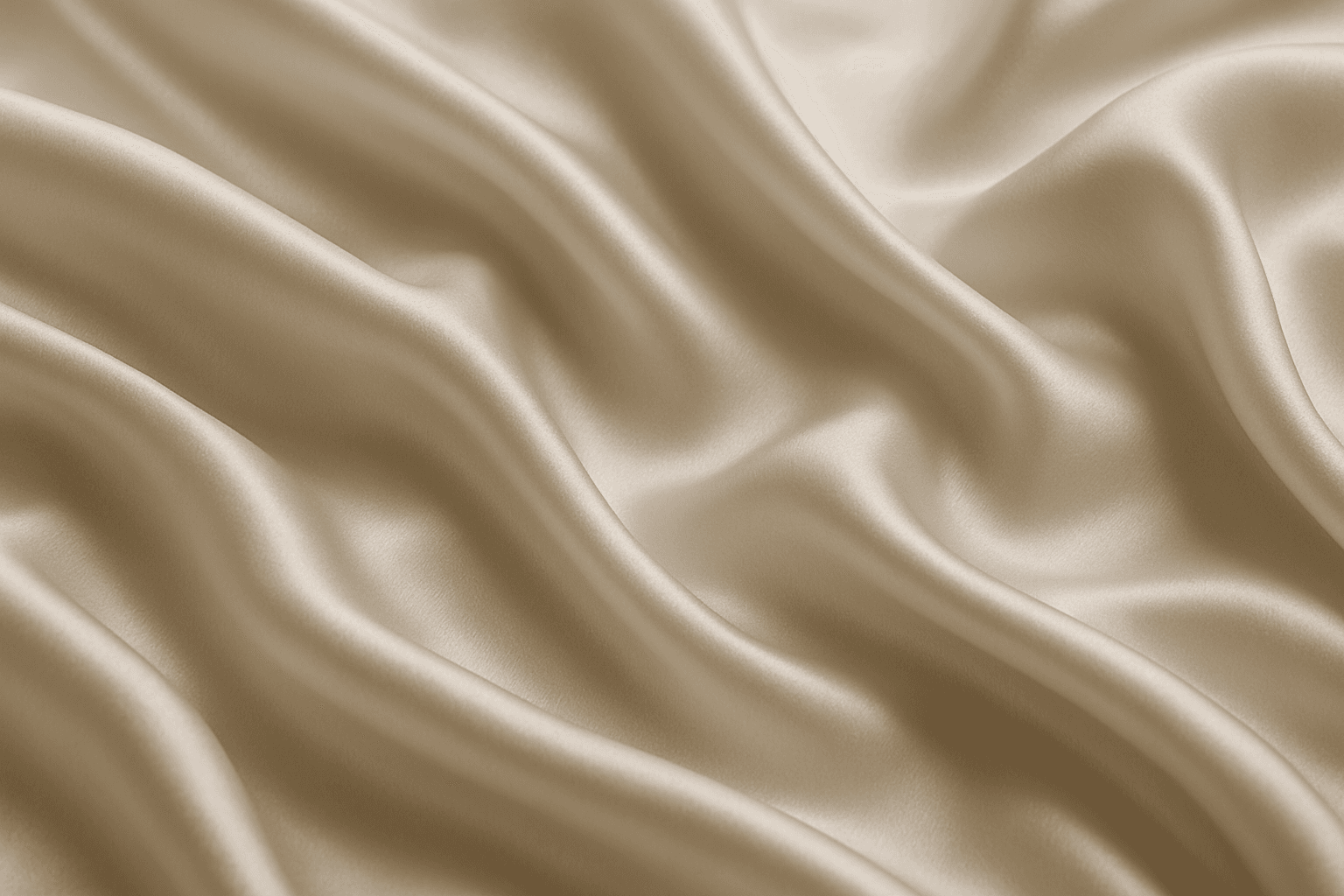
Smooth silk fabric texture is prized for its elegant appearance and soft touch, making it a favored material in fashion, interiors, and luxury goods. In AI image generation, this keyword triggers the creation of images showcasing silk's signature sheen, fluid motion, and delicate surface details. When used in prompts, it helps produce visuals with refined lighting that emphasize silk’s smoothness and reflective quality. This texture enhances images requiring a premium, sophisticated look by mimicking silk’s characteristic glow and tactile softness, suitable for editorial hero shots, product photography simulations, and stylized compositions.
Smooth Silk Texture
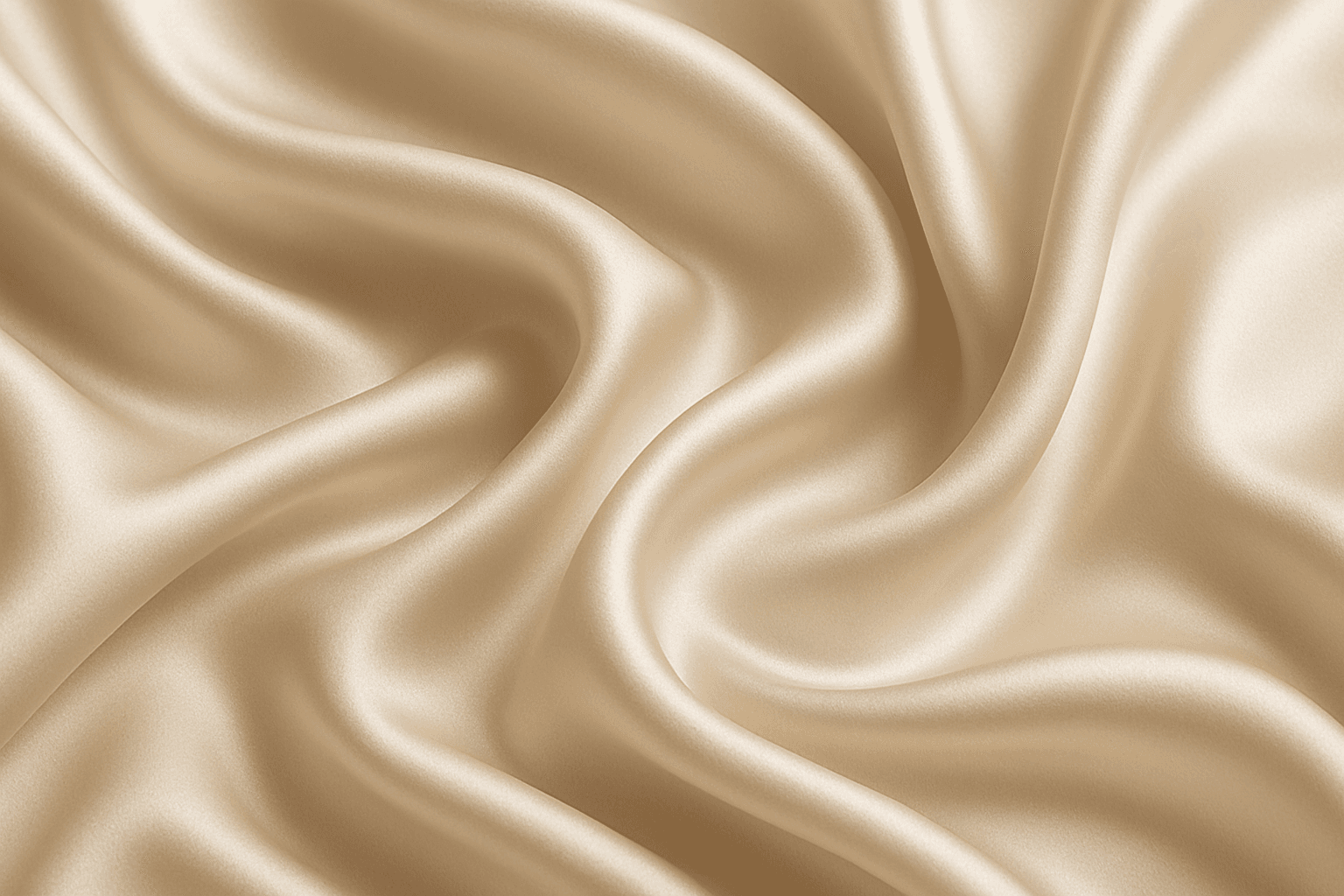
Using 'Smooth Silk Texture' as a keyword in AI prompts enhances image realism by replicating the distinct tactile and visual properties of silk fabric. This effect includes gentle light reflections, fine surface softness, and natural fold dynamics that emphasize quality and luxury. Including this keyword guides models to generate images with refined lighting and smooth gradients, often used in fashion, interiors, or product visuals where sophisticated fabric appearance is needed. It also adds subtle depth without harsh texture or noise, ensuring elegant and premium aesthetics suitable for editorial and commercial projects.

Rough Concrete Surface Texture
The 'Rough Concrete Surface Texture' keyword is essential for generating realistic architectural and artistic images where material authenticity is key. This texture conveys the tactile sensation of coarse, unfinished concrete, distinguished by its irregular surface, visible small stones, and imperfections like cracks and pores. Including this keyword in AI prompts enhances image realism by focusing on material detail. It is especially valuable in designs requiring gritty, industrial, or urban aesthetics, contributing to a sense of depth and authenticity in both digital and print projects. Mastery of rendering this texture helps designers and artists produce compelling visuals that resonate with users seeking raw and tangible surfaces.
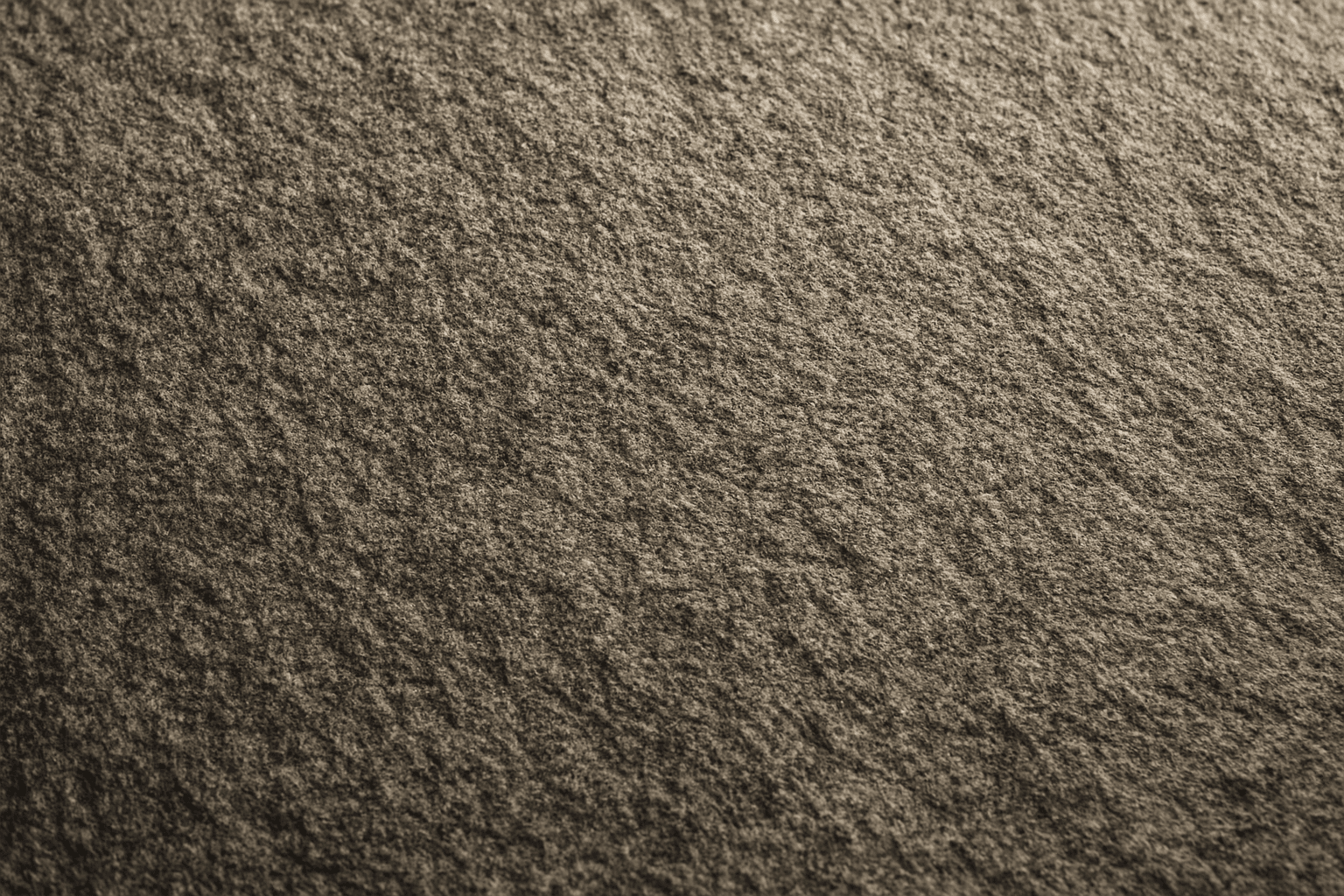
Granular Surface Texture
Granular Surface Texture is a key descriptive keyword used in AI image prompting to achieve photorealistic and tactile surfaces characterized by finely distributed grains or tiny particles. This texture offers an intricate level of detail that enriches the material quality of objects, making them appear more natural and tangible. When included in prompts, it encourages the generation of surfaces akin to sandpaper, concrete, rough fabric, or unpolished stone, providing visual complexity that appeals to designers and artists alike. Its use can transform otherwise flat or generic surfaces into engaging, dynamic visuals with depth and interest. This makes it valuable across many creative projects, from product visualization to environmental design.