Rough Canvas Surface Texture
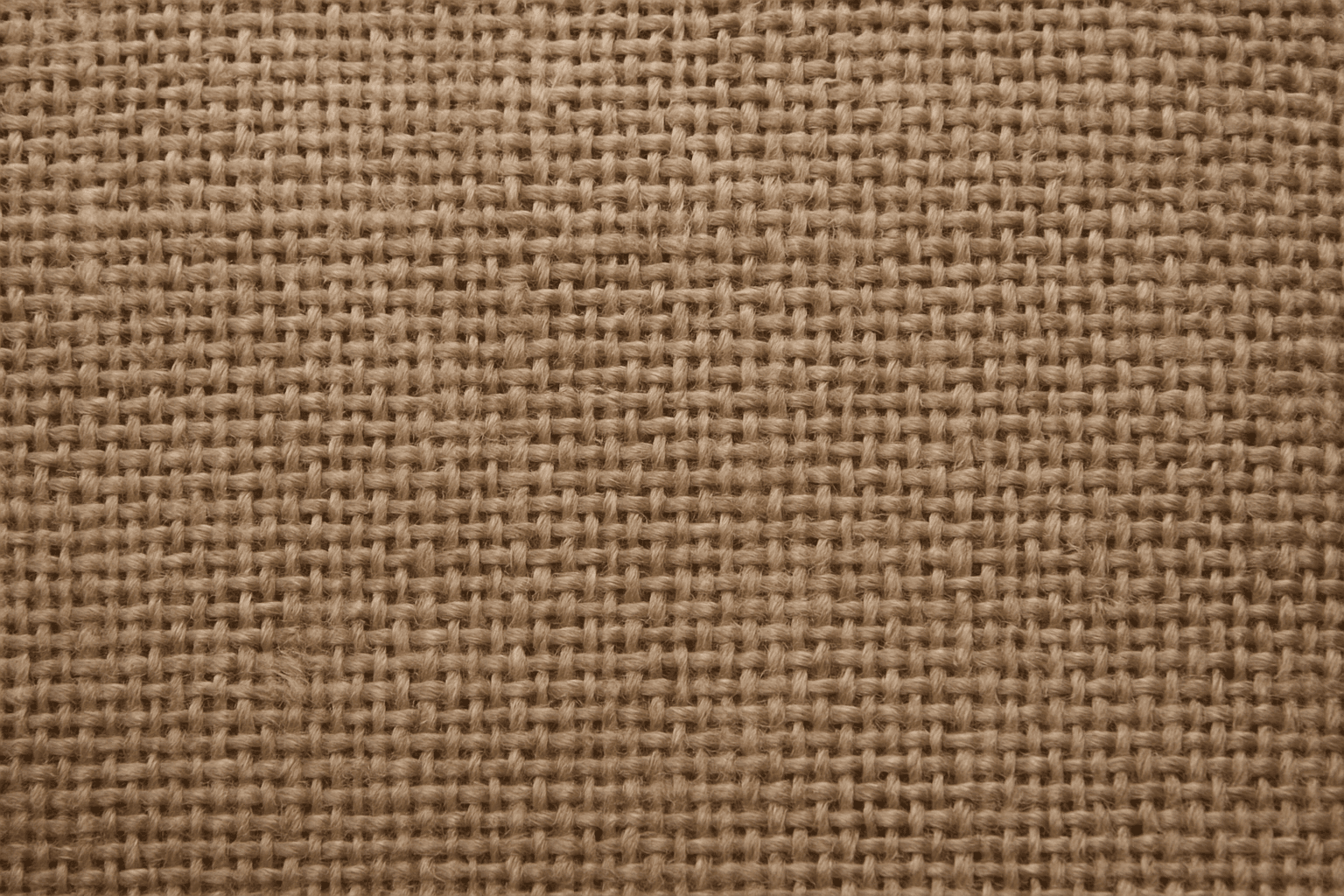
Rough Canvas Surface Texture is a popular keyword in the AI art community used to replicate the physical characteristics of a traditional painter's canvas within digital images. By incorporating this texture, artists and designers can introduce a natural, tactile element that enriches visual storytelling with the impression of real-world materials. This adds both photorealistic and artistic qualities, making AI-generated images evocative, detailed, and perfect for various creative projects that require a handcrafted feel. Whether aiming for a classic painting effect or textured backgrounds, this keyword guides AI models to recreate complex fiber surfaces realistically.
Definition
Rough Canvas Surface Texture is a descriptive keyword used in AI image prompts to simulate the look and feel of a coarse, woven canvas material. It emphasizes the visual elements of fibers, irregular threads, and graininess found in traditional artist's canvases, helping to add tactile realism and depth to generated images. Using this keyword instructs AI to reproduce not just color and shape, but the material's surface characteristics, often resulting in images that convey a handcrafted, organic quality.
Visual Characteristics
- Irregular and visible woven thread patterns creating a coarse fabric look
- Textured grain and fibrous surface details enhancing depth perception
- Matte finish with nuanced shadows emphasizing surface roughness
Prompt Formula
To effectively incorporate Rough Canvas Surface Texture into your AI prompts, combine material and lighting descriptors to highlight the texture. Use phrases that specify the canvas type and emphasize tactile features. For example, pairing "rough canvas surface texture" with modifiers like "natural lighting," "visible fiber weave," or "coarse grain" can increase texture prominence and realism.
- "rough canvas surface texture with visible weave and natural soft lighting"
- "portrait on coarse canvas fabric, detailed thread texture, subtle shadows"
- "still life painting, rough canvas surface, textured fibers, warm studio light"
Best Use Cases
- Digital artwork mimicking traditional paintings requiring realistic canvas backgrounds
- Textured backdrops for graphic design projects conveying artisanal quality
- Stock images emphasizing natural, handcrafted materials for marketing use
Creative Variations
Experimenting with variations can prevent repetitive results when using Rough Canvas Surface Texture. Change the lighting to harsh midday sun or dramatic low-key shadows to alter texture perception. Introduce different canvas colors, from natural beige to dyed variations. Apply combined artistic styles like impressionism or abstract expressionism on rough canvas. Vary composition by focusing on macro close-ups of the texture or integrating the texture as subtle backgrounds.
- Change lighting: soft diffused vs. hard directional
- Alter canvas color: natural beige, white, colored dyed
- Integrate painting styles: impressionist, abstract, hyper-realistic
- Adjust composition: extreme close-up of fibers, wide canvas overview
Industry Applications
- Advertising visuals promoting handcrafted or artisanal products
- Editorial illustrations and covers requiring traditional art textures
- Ecommerce displays for art supplies, frames, and canvas products
Model-Specific Tips
When working with diverse AI image models, keep Rough Canvas Surface Texture prompts clear and descriptive without relying on model-specific jargon. Focus on tangible visual descriptors like "visible coarse weave," "fibrous texture," or "linen-like canvas surface." Experiment with layering texture keywords alongside lighting and style modifiers to enhance the effect. Avoid overly complex syntax; simple phrase combinations tend to yield consistent texture portrayal across models.
FAQ
How does Rough Canvas Surface Texture improve AI-generated art?
It adds a realistic tactile dimension by simulating the coarse weave and fibers of traditional canvases, making digital images feel more authentic and handcrafted.
Can I combine Rough Canvas Surface Texture with other materials?
Yes, pairing it with keywords like "oil paint," "washed linen," or "aged paper" can produce rich, layered textures enhancing artistic depth.
Continue Exploring
Related Prompts
Rough Canvas Texture
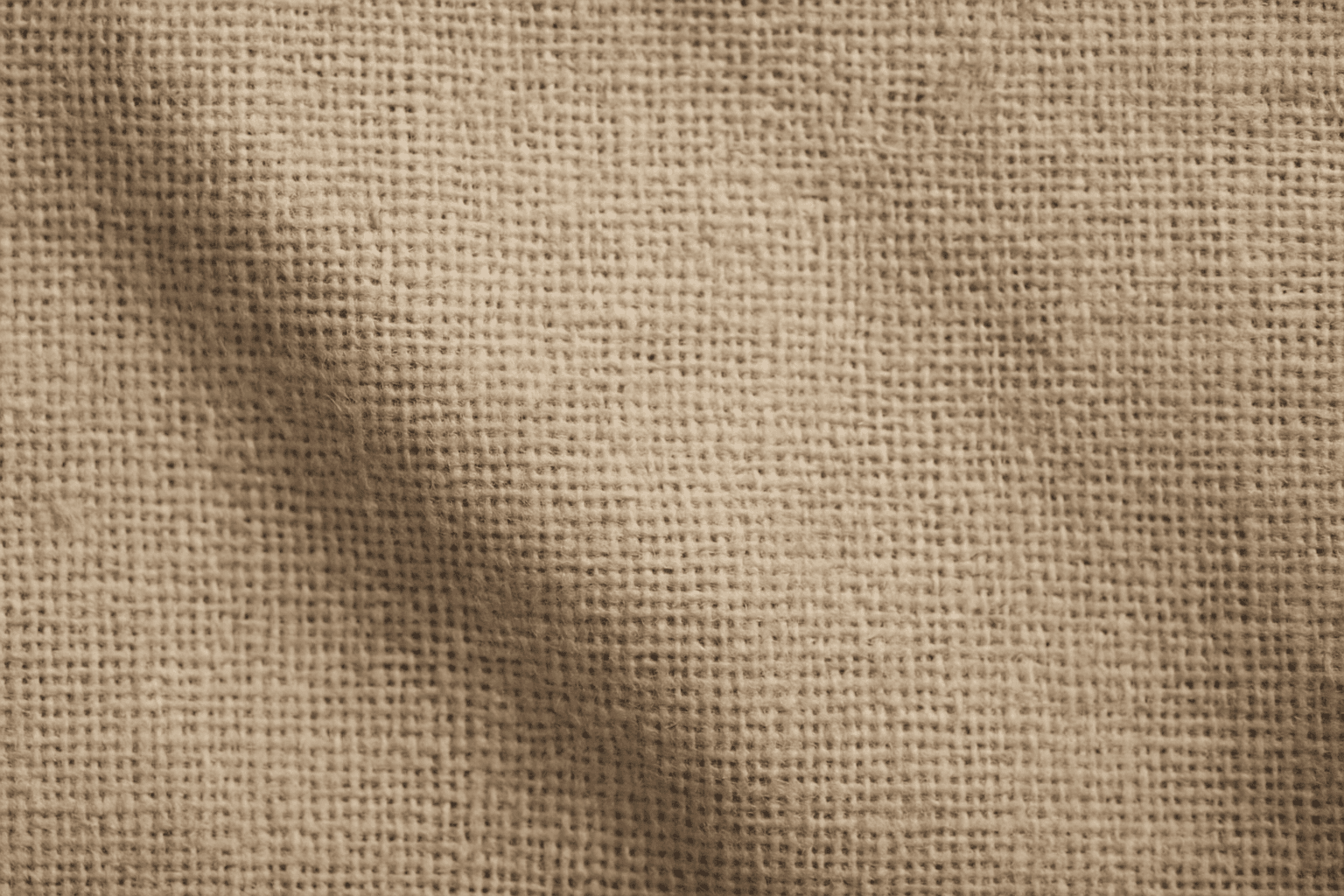
Rough Canvas Texture describes the distinct appearance of coarse woven fabric, typically made from natural fibers like cotton or linen. This texture is characterized by a pronounced weave pattern and a tactile, uneven surface. When used in AI image prompts, it enhances realism by simulating the physical characteristics of canvas materials often seen in paintings, upholstery, or artistic backgrounds. It helps bring a natural, handcrafted feel to digital images, enriching their visual depth and authenticity. This texture suits creative projects aiming to blend digital art with organic elements, serving as a compelling backdrop or detail layer.

Rough Canvas Surface
Using 'Rough Canvas Surface' in AI image prompts introduces a rich textural layer that replicates the tactile qualities of genuine coarse canvas fabric. This texture lends authenticity and tactile depth by showcasing natural weave patterns and surface irregularities that scatter light softly. Ideal for artworks, product mockups, or backgrounds, this texture elevates imagery to feel handcrafted and organic. Its detailed grain adds subtle complexity without overpowering the composition, making it perfect for refined, premium visuals.
Textured Canvas Surface
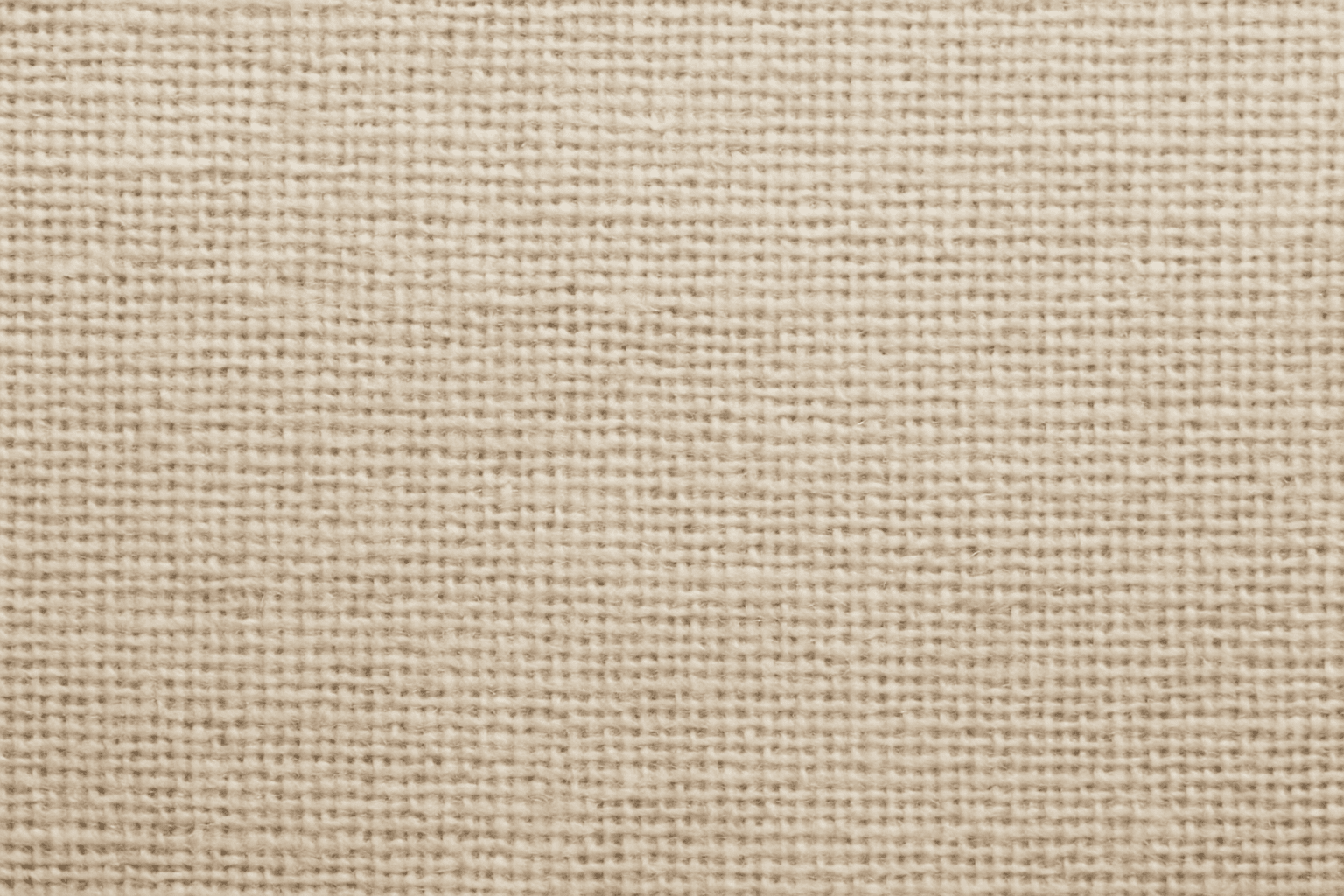
In AI image generation, adding a 'Textured Canvas Surface' imparts the look and feel of traditional canvas materials, enriching digital images with a tactile, handcrafted aesthetic. This feature is vital when aiming for realism in artworks simulating paintings or prints, as it introduces subtle texture variations and surface depth that digital renders often lack. This keyword helps bridge the gap between digital creation and physical artistry by mimicking the fibrous structure and matte finish of real canvas, offering a premium and authentic appearance. Used carefully, it can elevate stock images, fine art reproductions, and editorial visuals that benefit from material authenticity.
Rough Stone Surface Texture
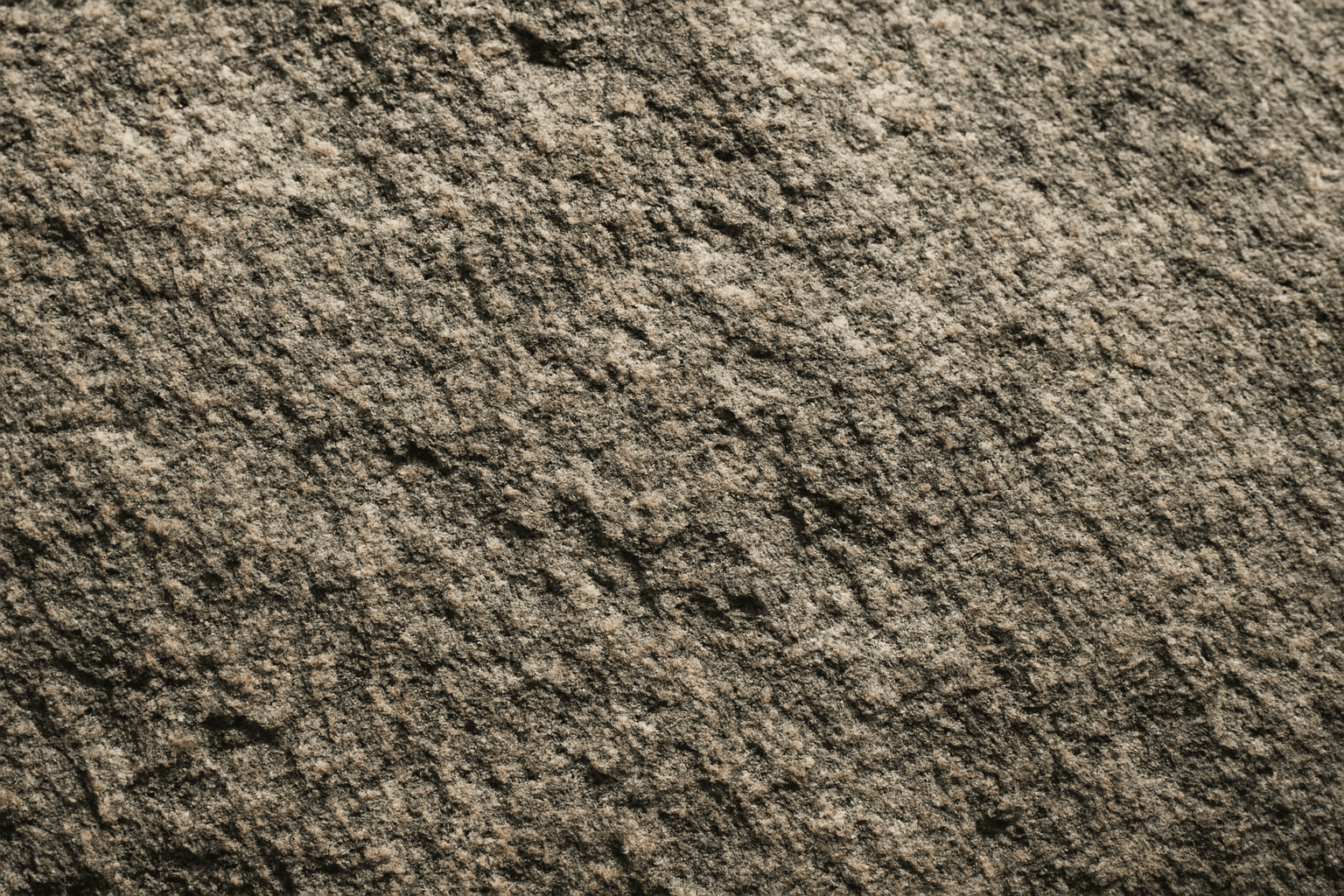
The 'rough stone surface texture' keyword enriches AI-generated images by emphasizing the coarse and uneven qualities of stone materials. Incorporating this into prompts directs the AI to produce surfaces with natural irregularities, such as grains, cracks, and rugged edges, which simulate real-world rough stone. This texture adds depth and realism, making visuals suitable for architectural renders, backgrounds, or tactile material studies. By mastering this keyword, creators can enhance visual storytelling where material authenticity plays a key role in immersion or aesthetic appeal.

Rough Concrete Surface Texture
The 'Rough Concrete Surface Texture' keyword is essential for generating realistic architectural and artistic images where material authenticity is key. This texture conveys the tactile sensation of coarse, unfinished concrete, distinguished by its irregular surface, visible small stones, and imperfections like cracks and pores. Including this keyword in AI prompts enhances image realism by focusing on material detail. It is especially valuable in designs requiring gritty, industrial, or urban aesthetics, contributing to a sense of depth and authenticity in both digital and print projects. Mastery of rendering this texture helps designers and artists produce compelling visuals that resonate with users seeking raw and tangible surfaces.
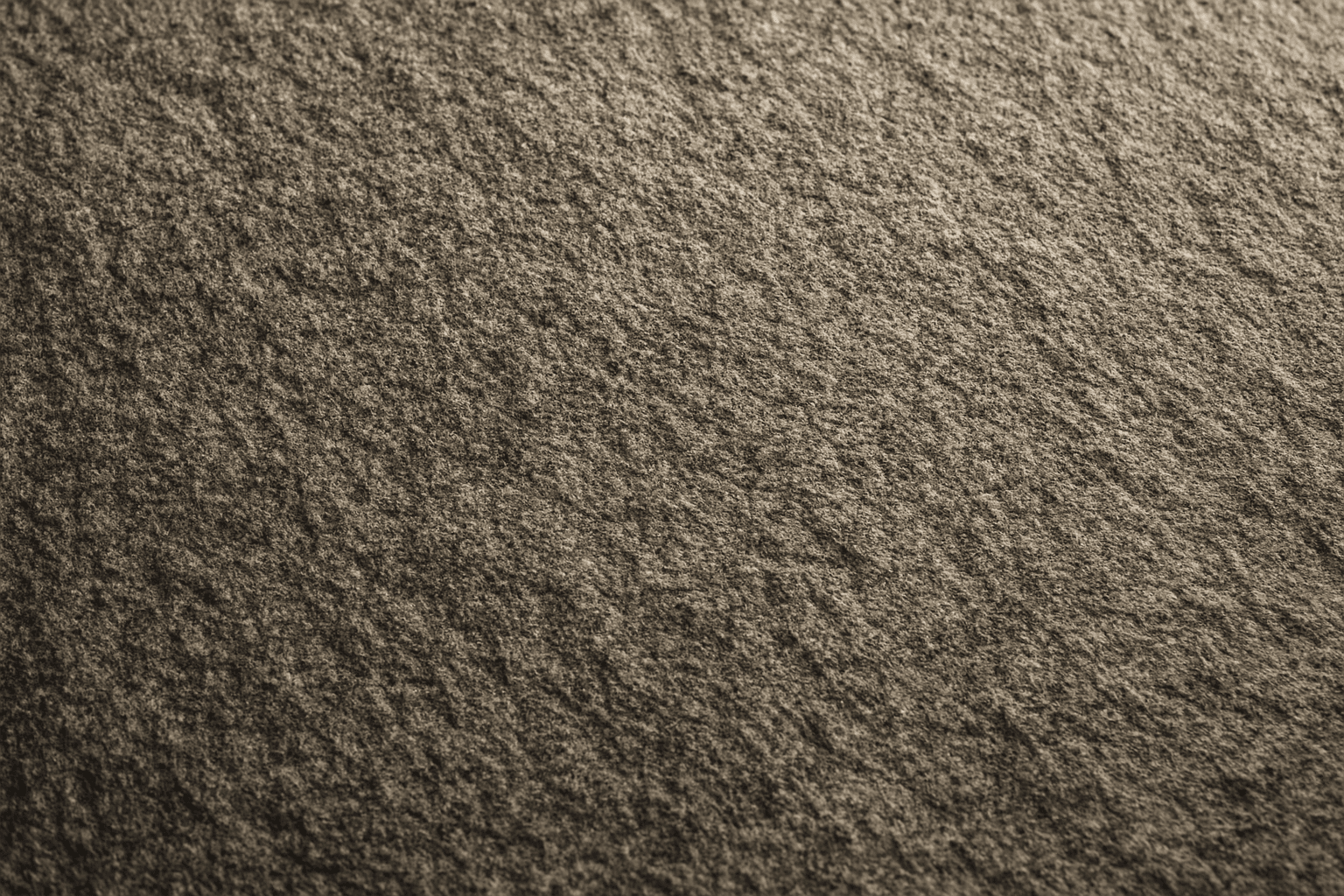
Granular Surface Texture
Granular Surface Texture is a key descriptive keyword used in AI image prompting to achieve photorealistic and tactile surfaces characterized by finely distributed grains or tiny particles. This texture offers an intricate level of detail that enriches the material quality of objects, making them appear more natural and tangible. When included in prompts, it encourages the generation of surfaces akin to sandpaper, concrete, rough fabric, or unpolished stone, providing visual complexity that appeals to designers and artists alike. Its use can transform otherwise flat or generic surfaces into engaging, dynamic visuals with depth and interest. This makes it valuable across many creative projects, from product visualization to environmental design.