Distressed Leather Material
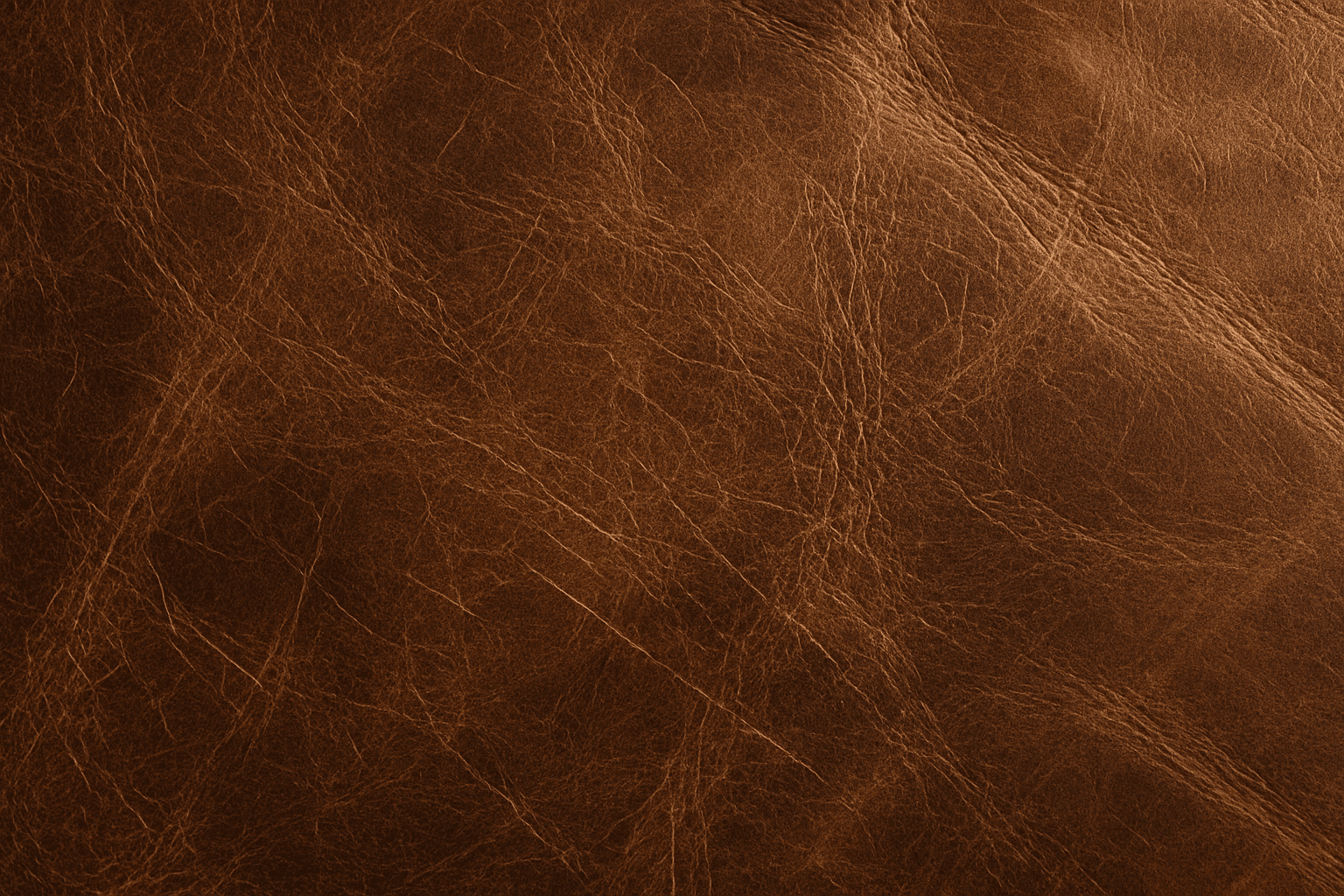
Distressed leather material is a popular texture choice in digital art and design, known for its vintage and rugged aesthetic. When integrated into AI image prompts, it imparts a tactile, realistic feel characterized by natural wear, color fading, and textural depth. This material is typically used to evoke a sense of history or durability in objects like furniture, accessories, and fashion items. Including this keyword in AI prompts enhances the visual complexity and authenticity of leather surfaces, making rendered images more appealing and believable in contexts ranging from product visualization to conceptual art.
Definition
Distressed leather material describes leather that has been purposefully or naturally aged to show visible wear, such as scratches, fading, and creases. In AI image generation, this keyword instructs the model to produce leather textures that look rugged and imperfect instead of smooth and new. It's essential for creating realistic depictions of vintage or well-used leather goods.
Prompt Formula
Use these patterns to incorporate distressed leather material in your prompts effectively:
- [Object] made of distressed leather material with visible creases and scratches
- Close-up of distressed leather texture featuring worn, faded patches
- [Scene] styled with vintage furniture in distressed leather material under warm lighting
Best Use Cases
- Design mockups of vintage furniture featuring aged leather upholstery
- Fashion editorials emphasizing rugged leather jackets or bags
- Product shots of artisanal leather goods suggesting hand craftsmanship
Related Styles
Distressed leather material blends well with styles focusing on realism, rustic charm, and vintage appeal. Keywords that complement it include 'vintage leather texture' for aged looks, 'weathered leather finish' for surfaces exposed to environmental wear, and 'worn leather surface' emphasizing tactile imperfections. Combining these can deepen the textural complexity in AI-generated images.
- Vintage leather texture
- Weathered leather finish
- Worn leather surface
Model-Specific Tips
When generating distressed leather textures across AI models, focus on descriptive texture details rather than relying on exact tags. Use terms like 'visible scratches,' 'faded color areas,' and 'natural creasing' to guide the model towards realistic results. Adjust lighting settings to highlight surface imperfections, and specify close-up views for enhanced textural visibility. Avoid vague terms to reduce ambiguity in material representation.
FAQ
How can I make the distressed leather material look more realistic in AI images?
Include detailed descriptors such as 'scratches,' 'creases,' and 'faded color patches' in your prompt. Also, specify lighting conditions like soft natural or warm lighting to emphasize texture depth. Using close-up angles helps showcase the material's nuances clearly.
Is distressed leather suitable for modern design themes?
Yes, distressed leather can add character and contrast in modern designs, especially when combined with minimalist elements. It introduces warmth and authenticity, balancing clean lines with a rugged texture.
Continue Exploring
Related Prompts
Leather Texture
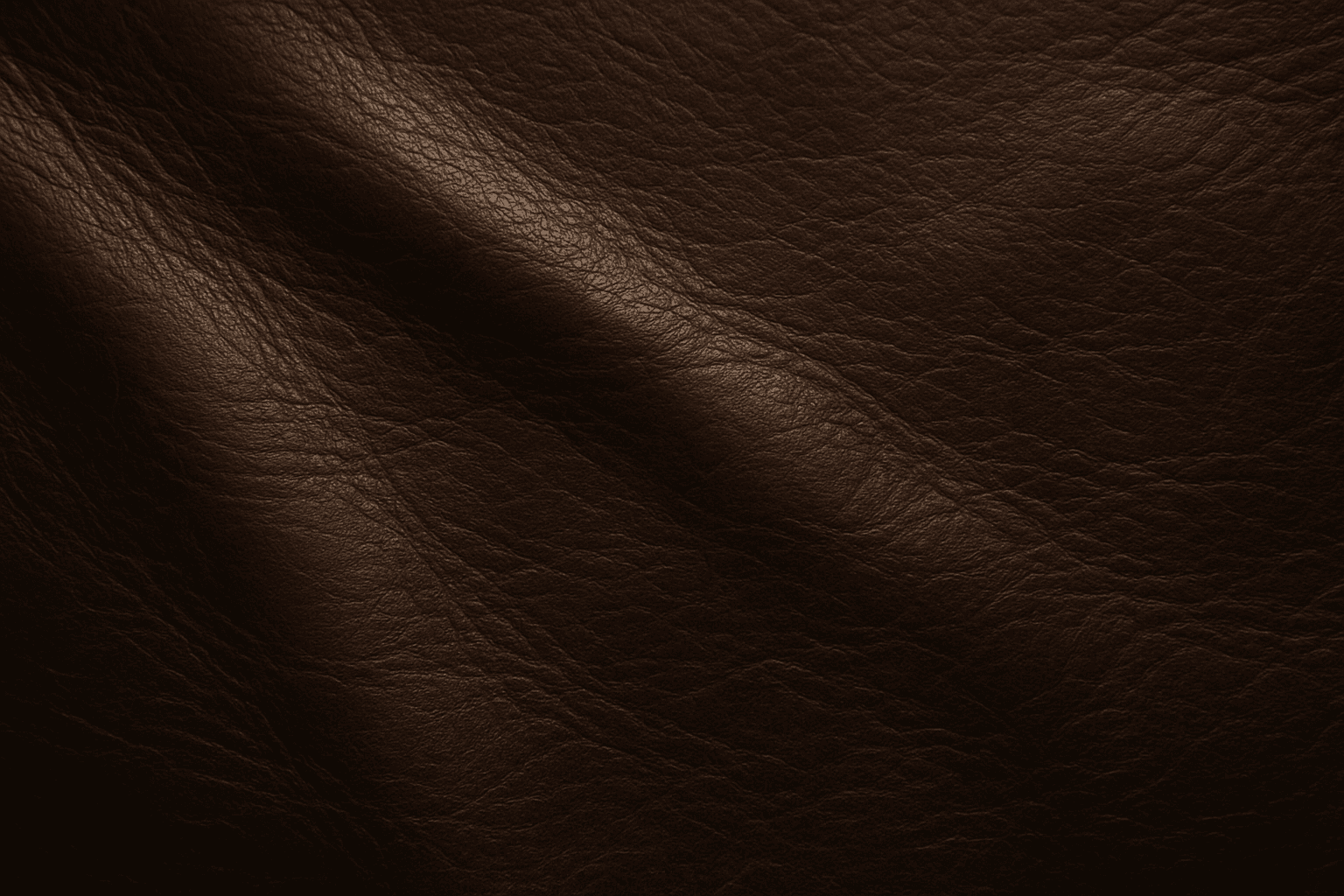
Leather Texture evokes the visual and tactile qualities of genuine leather surfaces in AI-generated art. It introduces nuanced details like grain, pores, creases, and color variations that make materials appear authentic and luxurious. This texture is widely employed in fashion illustration, interior design renderings, product visualization, and materials studies. By using the leather texture keyword, AI models simulate the complex interplay of light, shadow, and surface imperfections typical in high-quality leather. This enriches compositions with warmth and premium appeal. Its adaptable nature supports everything from rough, distressed hides to smooth, polished finishes, providing versatility across genres and styles.
Leather Grain Texture
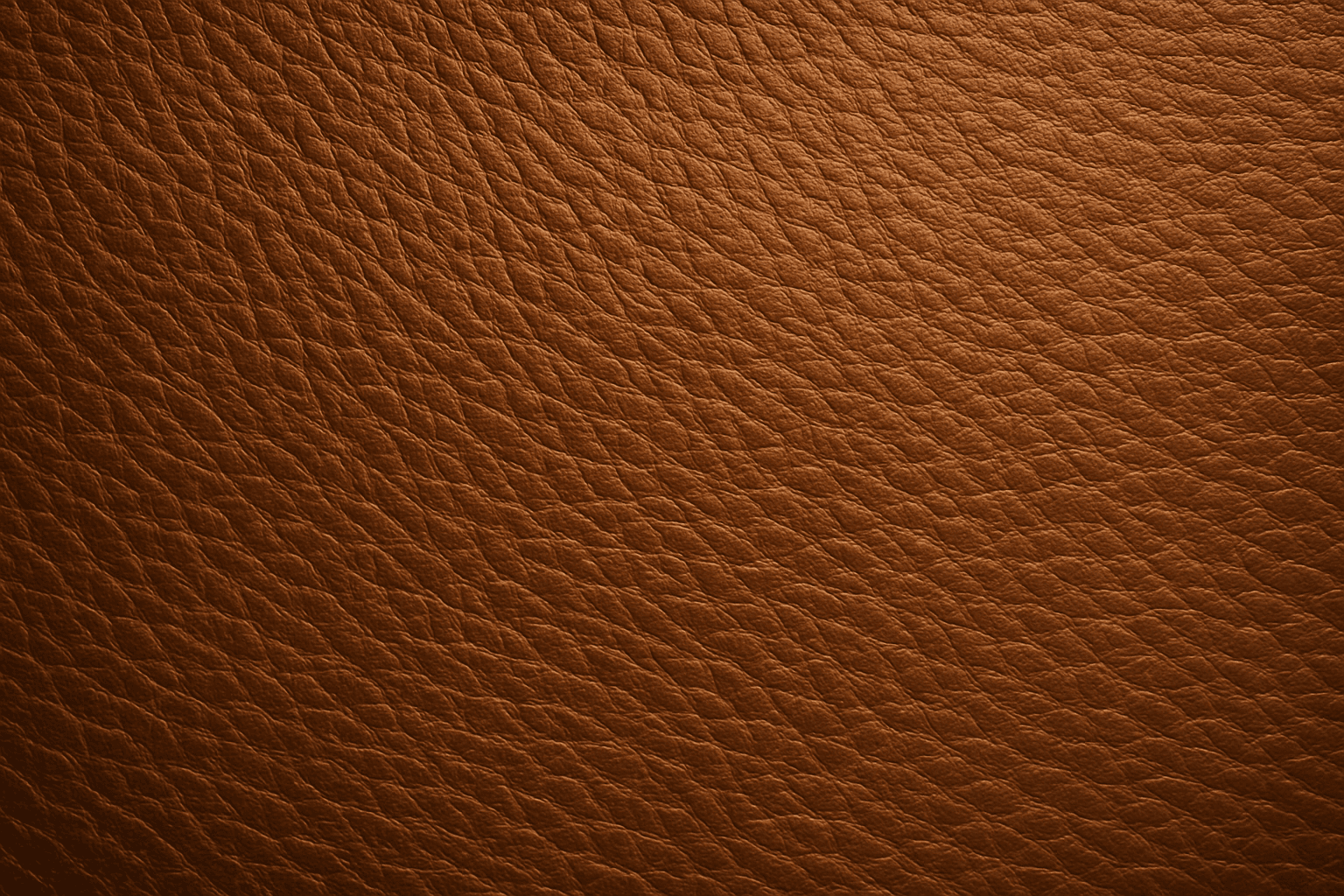
Using 'Leather Grain Texture' in AI image prompts allows creators to generate images with highly detailed and realistic leather surfaces. This keyword enhances the tactile quality of materials depicted, making them appear more authentic and premium. The characteristic grain patterns convey luxury and craftsmanship, useful for designs needing sophisticated material representation. When combined with appropriate lighting and composition, this texture can create visually rich images suitable for product visualization, fashion editorials, or interior design concepts. Mastery of this keyword helps artists achieve depth and realism in their material renderings, appealing to audiences seeking visually convincing visuals.
Rustic Metal Texture
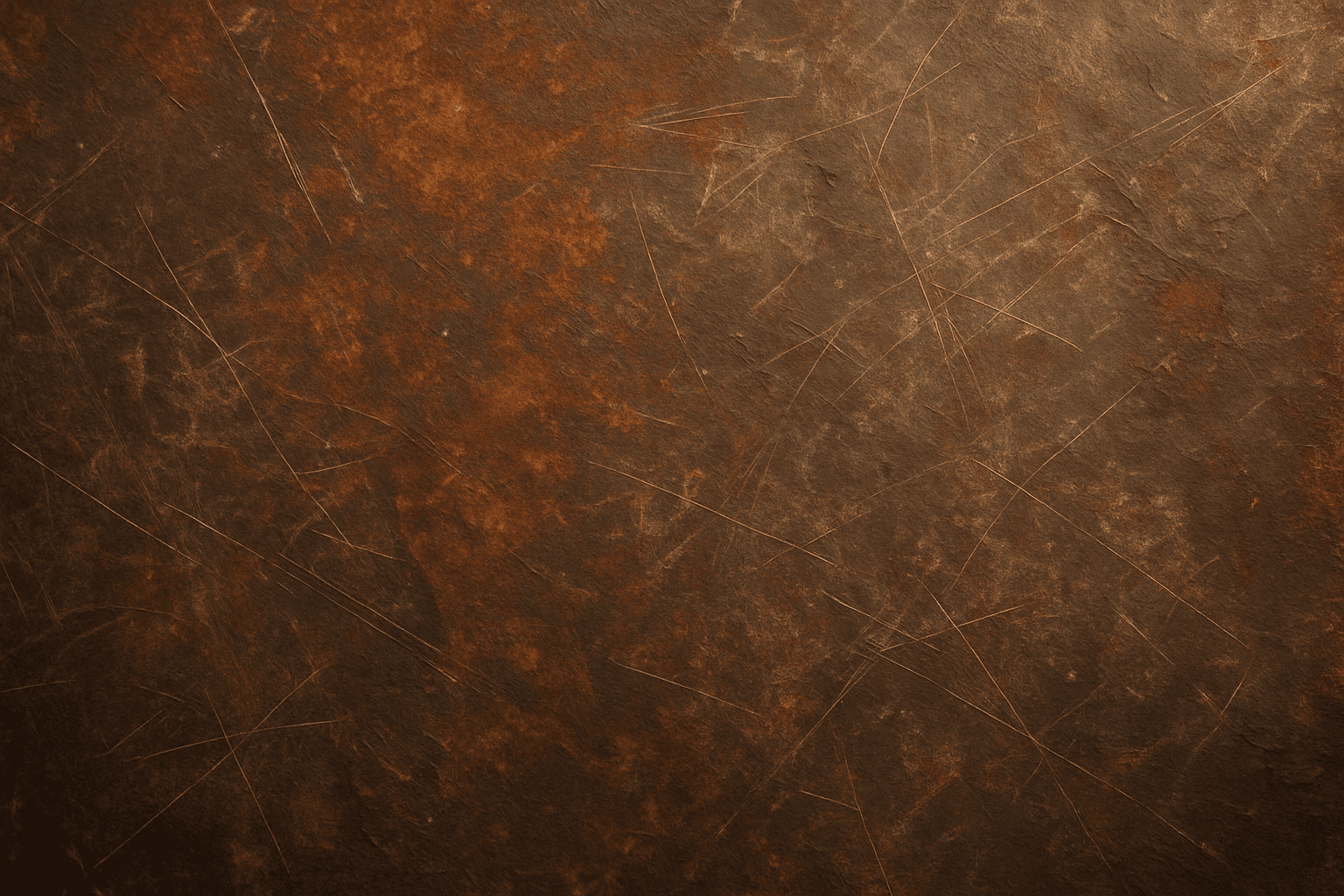
Using the Rustic Metal Texture keyword in AI image generation prompts enables artists and designers to depict materials that evoke a tactile sense of history and industrial age charm. The effect mimics the natural aging process on metals, featuring oxidation, pitting, and surface irregularities, which deliver a realistic and visually compelling finish. This texture works well in designs requiring an authentic vintage or handcrafted aesthetic, often used to contrast smoother, newer materials or to emphasize material quality and environment. Incorporating this keyword enhances the feel of depth and realism, making digital renders more tangible and atmospheric for editorial, product visualization, and concept art contexts.
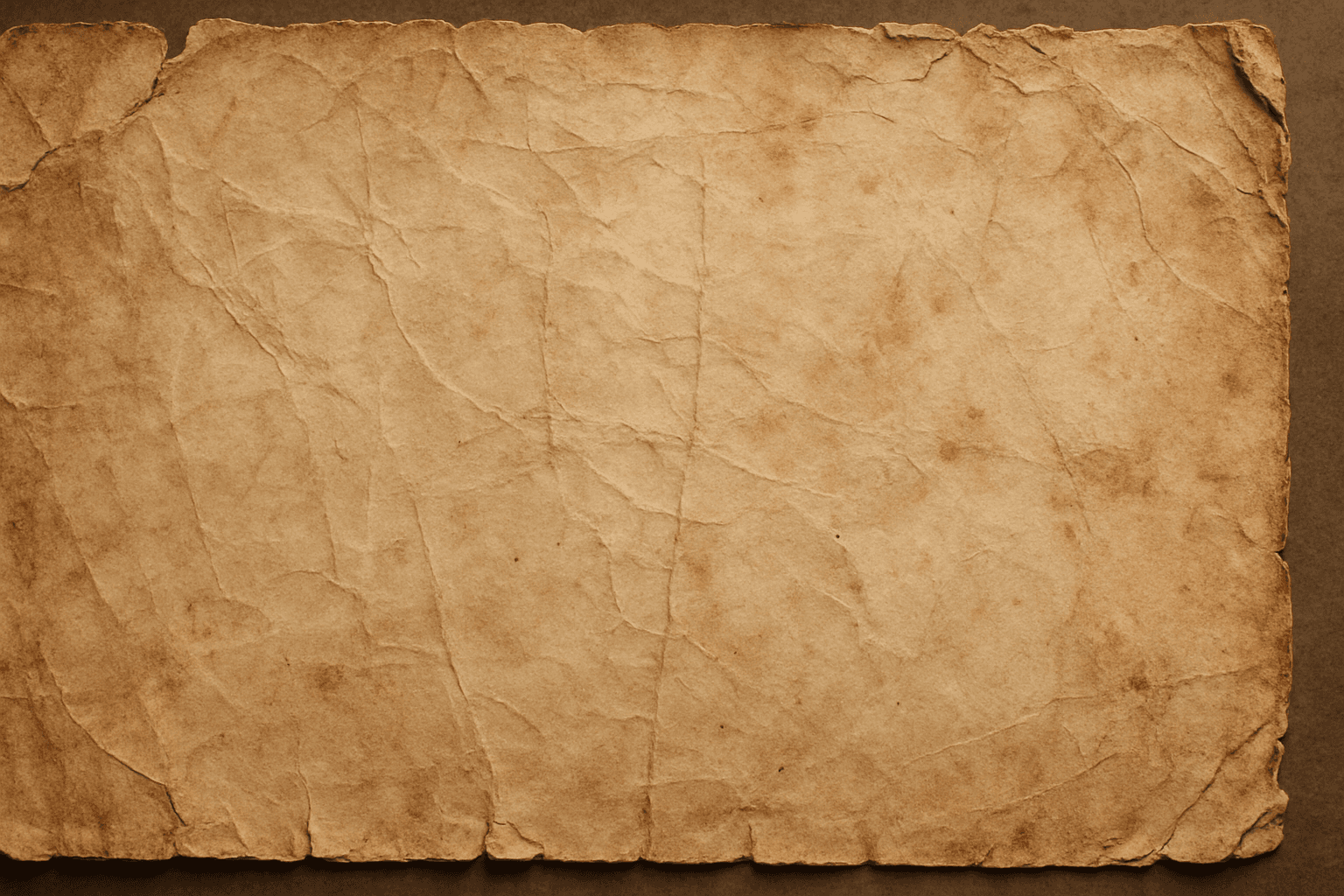
Distressed Paper Texture
The distressed paper texture keyword is a valuable tool in AI image generation that adds authenticity and historical ambiance to digital artworks by simulating the look of aged or damaged paper. This effect is popular for creating backgrounds, overlays, or standalone textures in graphic design, photography adjustments, and illustrative projects. Incorporating distressed paper elements enriches visual storytelling, evokes nostalgia, and can enhance the mood of vintage or handmade aesthetics. Controlled application within prompts ensures that the wear appears natural without overpowering the primary subject.
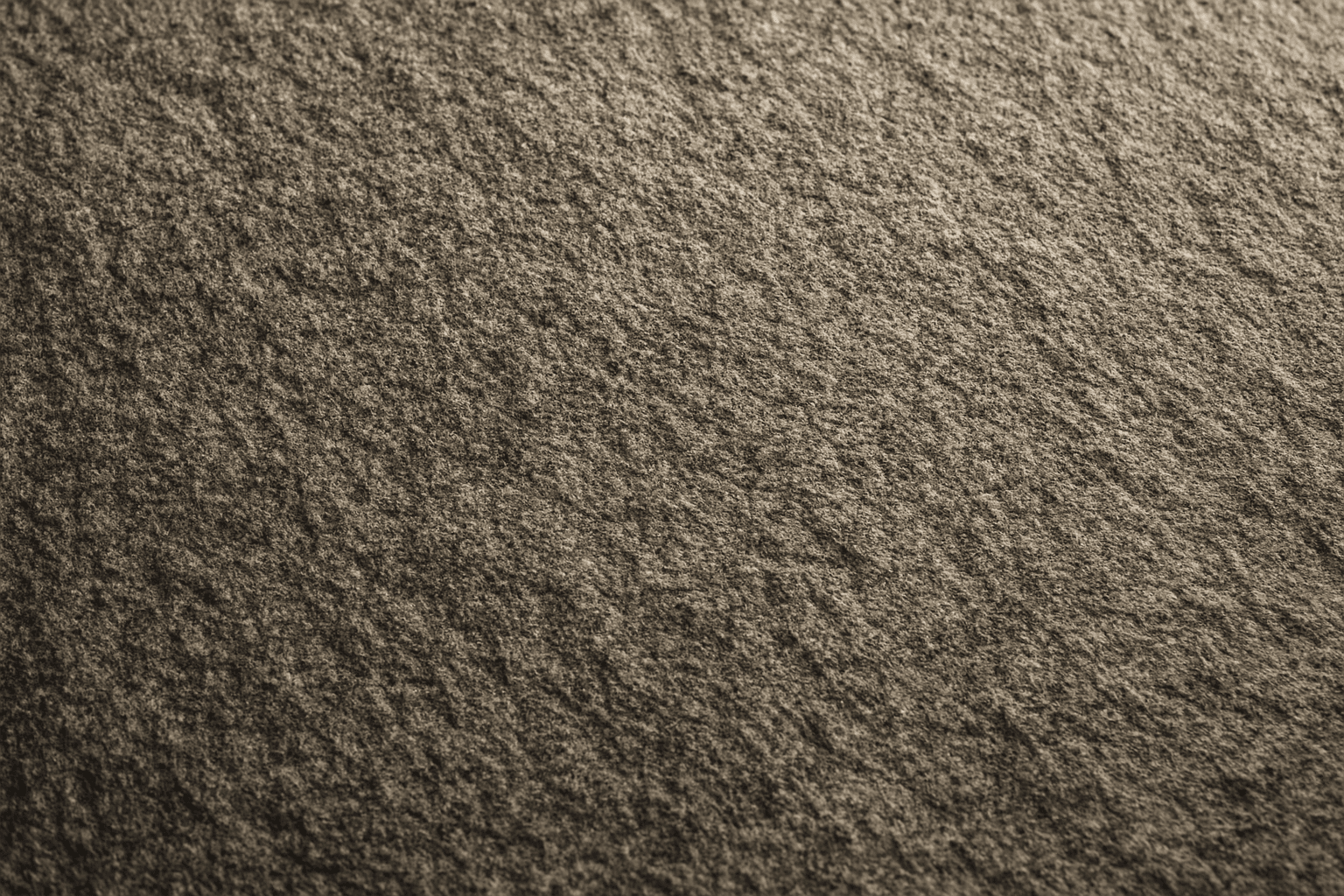
Granular Surface Texture
Granular Surface Texture is a key descriptive keyword used in AI image prompting to achieve photorealistic and tactile surfaces characterized by finely distributed grains or tiny particles. This texture offers an intricate level of detail that enriches the material quality of objects, making them appear more natural and tangible. When included in prompts, it encourages the generation of surfaces akin to sandpaper, concrete, rough fabric, or unpolished stone, providing visual complexity that appeals to designers and artists alike. Its use can transform otherwise flat or generic surfaces into engaging, dynamic visuals with depth and interest. This makes it valuable across many creative projects, from product visualization to environmental design.

Embossed Leather Texture
Embossed leather texture is a specialized material representation used in AI-generated images to simulate luxurious and tactile surfaces often found in fashion, upholstery, and accessories. By integrating 'embossed leather texture' in prompts, artists can achieve highly detailed visuals characterized by the interplay of raised patterns and natural leather grain, rendered with refined lighting and subtle depth. This texture lends a premium and sophisticated feel, suitable for editorial product shots, background elements, or design mockups. Employing embossed leather enhances images by conveying material realism and surface complexity, enriching the sensory experience for viewers and buyers alike.