Ink Wash Texture
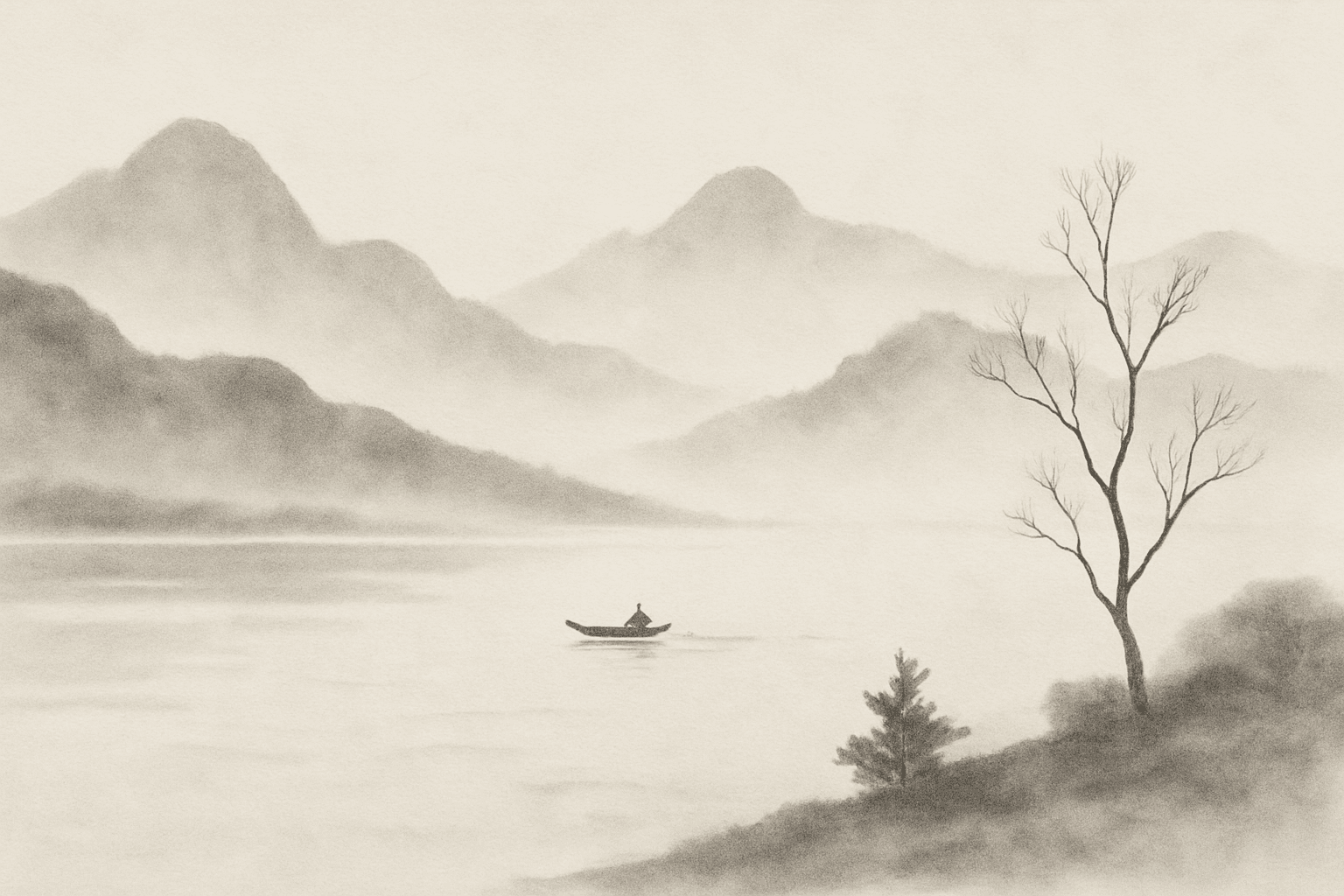
Ink Wash Texture is a powerful prompt keyword that infuses AI-generated images with the aesthetic qualities of traditional ink wash paintings. This technique draws from historic East Asian art, emphasizing natural brush strokes, tonal gradations, and subtle texture, lending images an artistic and sophisticated feel. When applied in AI prompts, it helps digital creations transcend flatness by simulating the irregularity and beauty of hand-applied ink. This makes it ideal for artists, designers, and illustrators seeking to combine digital precision with the poetry of classic brushwork in their projects.
Definition
Ink Wash Texture refers to the artistic texture resembling traditional East Asian ink wash paintings, characterized by fluid brush strokes and subtle tonal gradations. In AI prompts, it signals the generation to mimic these handcrafted ink effects, enhancing the image with soft edges and nuanced shading.
- Fluid, organic brushwork mimicry
- Tonal gradation and ink diffusion effect
- Adds artistic, handcrafted feel
Prompt Formula
To effectively use 'Ink Wash Texture' in AI image generation, combine it with specific subjects and artistic descriptors. Example formulas include:
- [Subject] with delicate ink wash texture and subtle brush strokes
- [Scene], painted in traditional ink wash style, emphasizing soft gradients
- Abstract composition featuring fluid ink wash textures and grayscale tones
Best Use Cases
Ink Wash Texture excels in scenarios where an artistic, classical aesthetic is desired. Top use cases include:
- Book or editorial cover designs needing elegant visual depth
- Concept art requiring natural, hand-painted texture
- Cultural or historical visuals inspired by East Asian ink art
Advanced Techniques
Experienced prompt writers can refine Ink Wash Texture effects by combining it with lighting, mood, and style constraints. Techniques include:
- Pairing with 'soft ambient light' to emphasize ink diffusion
- Adding color constraints like 'monochrome black and gray' for traditional authenticity
- Using modifiers like 'expressive brush strokes' or 'fluid gradients' to control texture intensity
Professional Workflow
A professional approach to using Ink Wash Texture involves a multi-stage process:
- 1. Define artistic goals and select subjects suited for ink wash style
- 2. Craft prompts combining subject, texture, and mood elements
- 3. Generate multiple image variants to explore texture effects
- 4. Select images with authentic brushwork and tonal quality
- 5. Refine selections in post-processing for balance and clarity
FAQ
What kinds of images benefit most from Ink Wash Texture?
Images aiming for a traditional, artistic look—such as landscapes, portraits, or abstract art inspired by East Asian ink painting—benefit most from Ink Wash Texture, as it adds depth and a handcrafted quality.
Can Ink Wash Texture be combined with color prompts?
Yes, while traditionally monochromatic, combining Ink Wash Texture with subtle color accents or desaturated palettes can produce unique hybrid styles blending ink wash aesthetics with modern color schemes.
Is Ink Wash Texture suitable for beginners?
Yes, it is accessible for beginners but achieving refined results may require experience in balancing prompt details to capture the fluidity and tonal nuance inherent in ink wash art.
Continue Exploring
Related Prompts
Rough Canvas Surface Texture
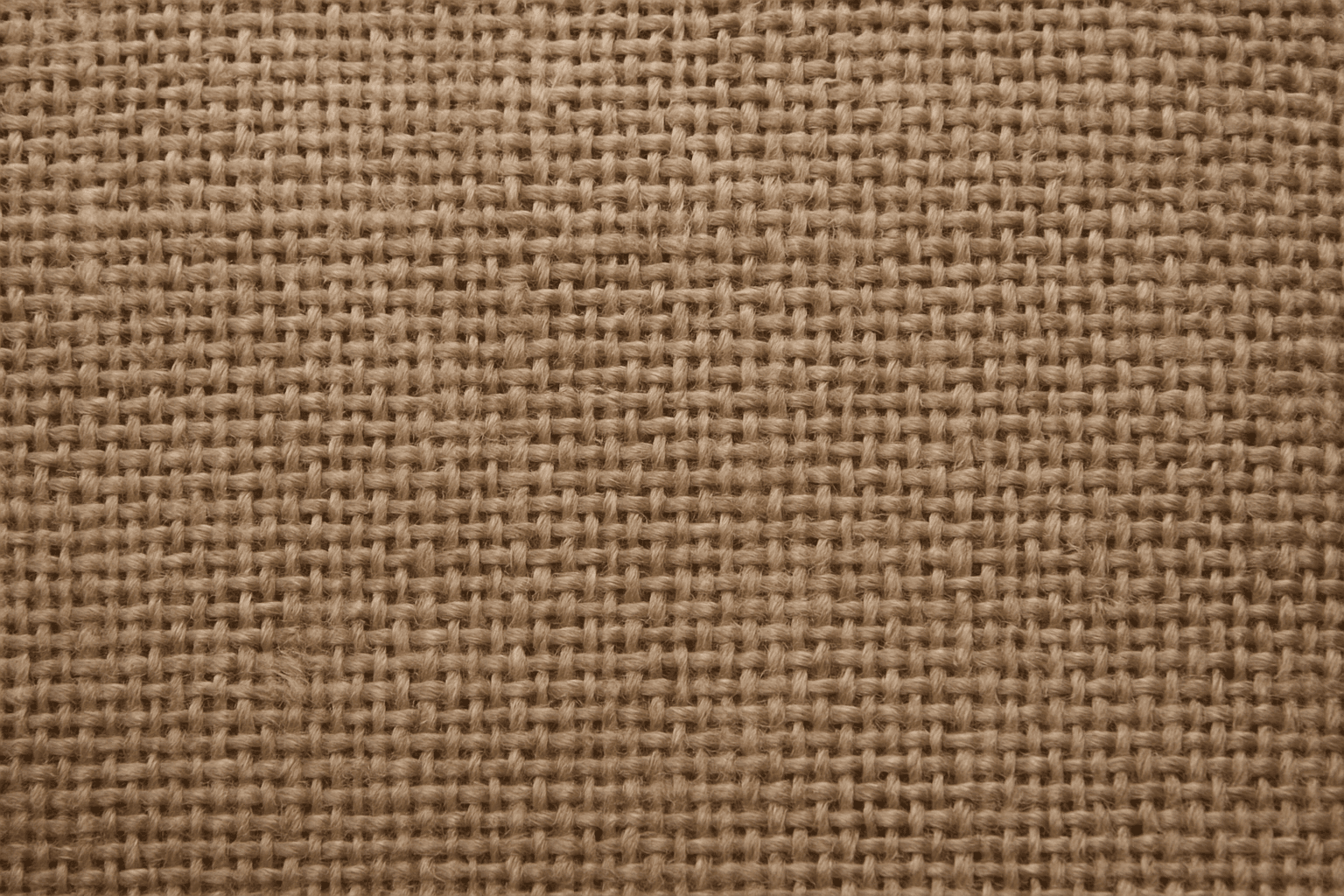
Rough Canvas Surface Texture is a popular keyword in the AI art community used to replicate the physical characteristics of a traditional painter's canvas within digital images. By incorporating this texture, artists and designers can introduce a natural, tactile element that enriches visual storytelling with the impression of real-world materials. This adds both photorealistic and artistic qualities, making AI-generated images evocative, detailed, and perfect for various creative projects that require a handcrafted feel. Whether aiming for a classic painting effect or textured backgrounds, this keyword guides AI models to recreate complex fiber surfaces realistically.
Crosshatching Texture
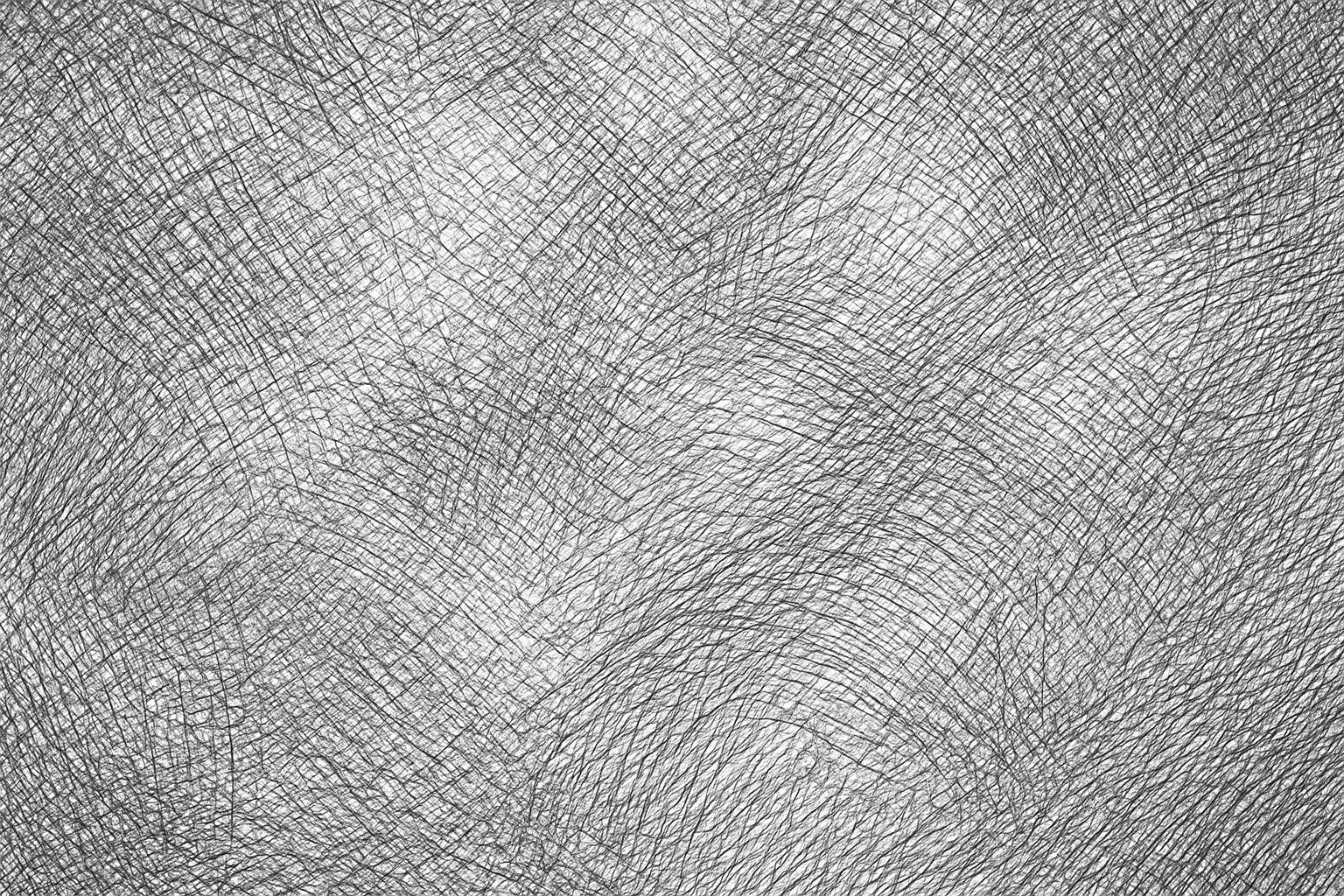
Crosshatching texture is a visual style that emulates hand-drawn shading through intersecting lines, widely used in pen and ink illustrations. When incorporated in AI art prompts, it enhances images with refined shading effects and a tactile quality reminiscent of classical sketching. This texture adds depth by simulating shadows and volume without solid fills, making visuals appear more organic and crafted. Artists and designers leverage crosshatching to achieve nuanced contrast and artistic expressiveness, especially in black-and-white or monochrome compositions. Using this keyword effectively guides AI models to produce images rich in detailed linework and traditional illustrative charm, suitable for creative projects seeking an analog texture feel within digital artworks.
Oil Paint Texture
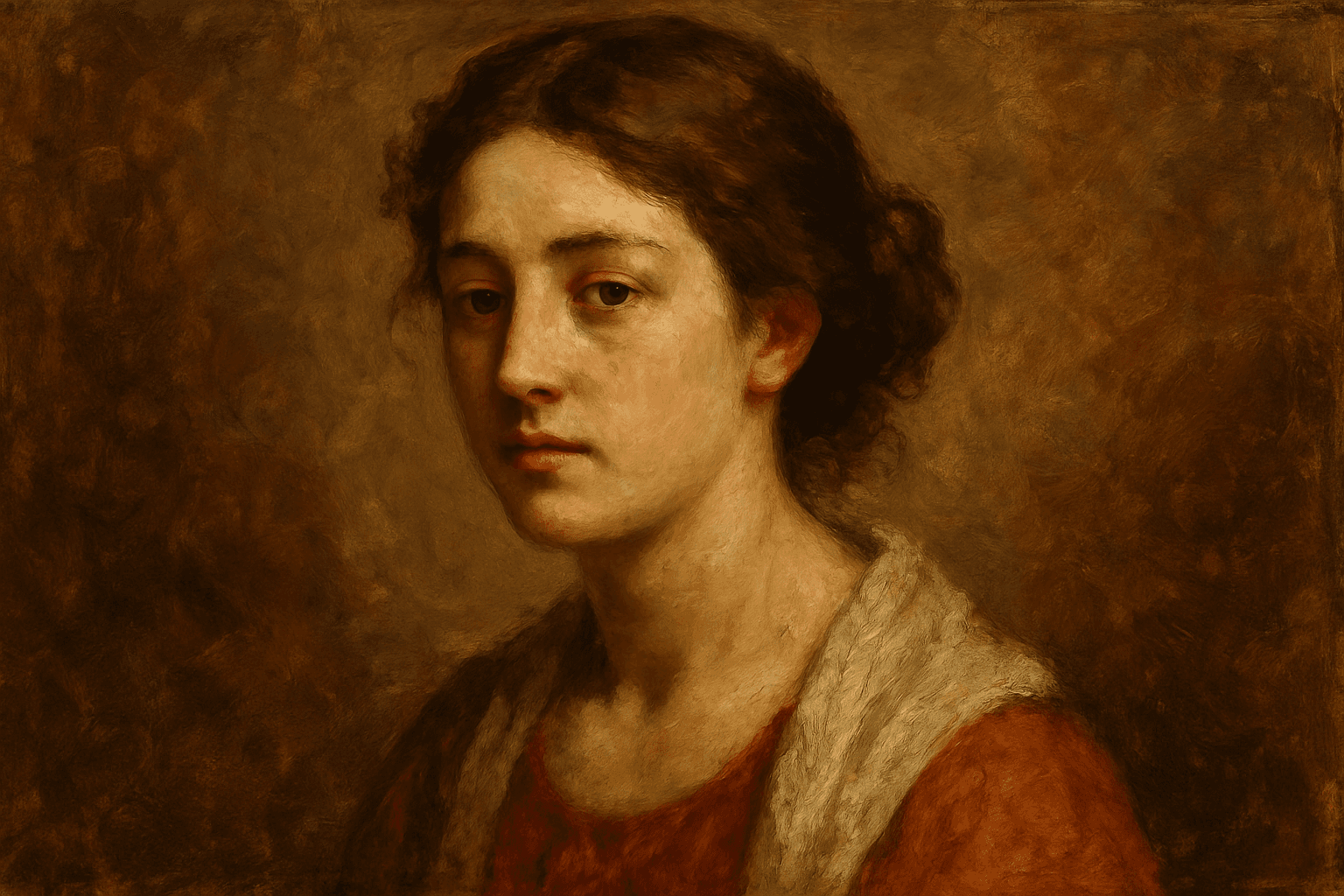
In AI image generation, incorporating the 'Oil Paint Texture' keyword transforms the visual output by imparting a handcrafted artistic quality typical of oil paintings. This texture evokes the physicality of layered paint and distinct brushwork, providing images that appear rich, deep, and textured rather than flat or overly polished. Its use is valuable for artists, designers, and content creators seeking to add classic fine art aesthetics or realistic painterly effects to portraits, landscapes, still lifes, and abstract artworks. By emphasizing brushstroke dynamics and color depth, the oil paint texture enhances visual storytelling and emotional resonance.
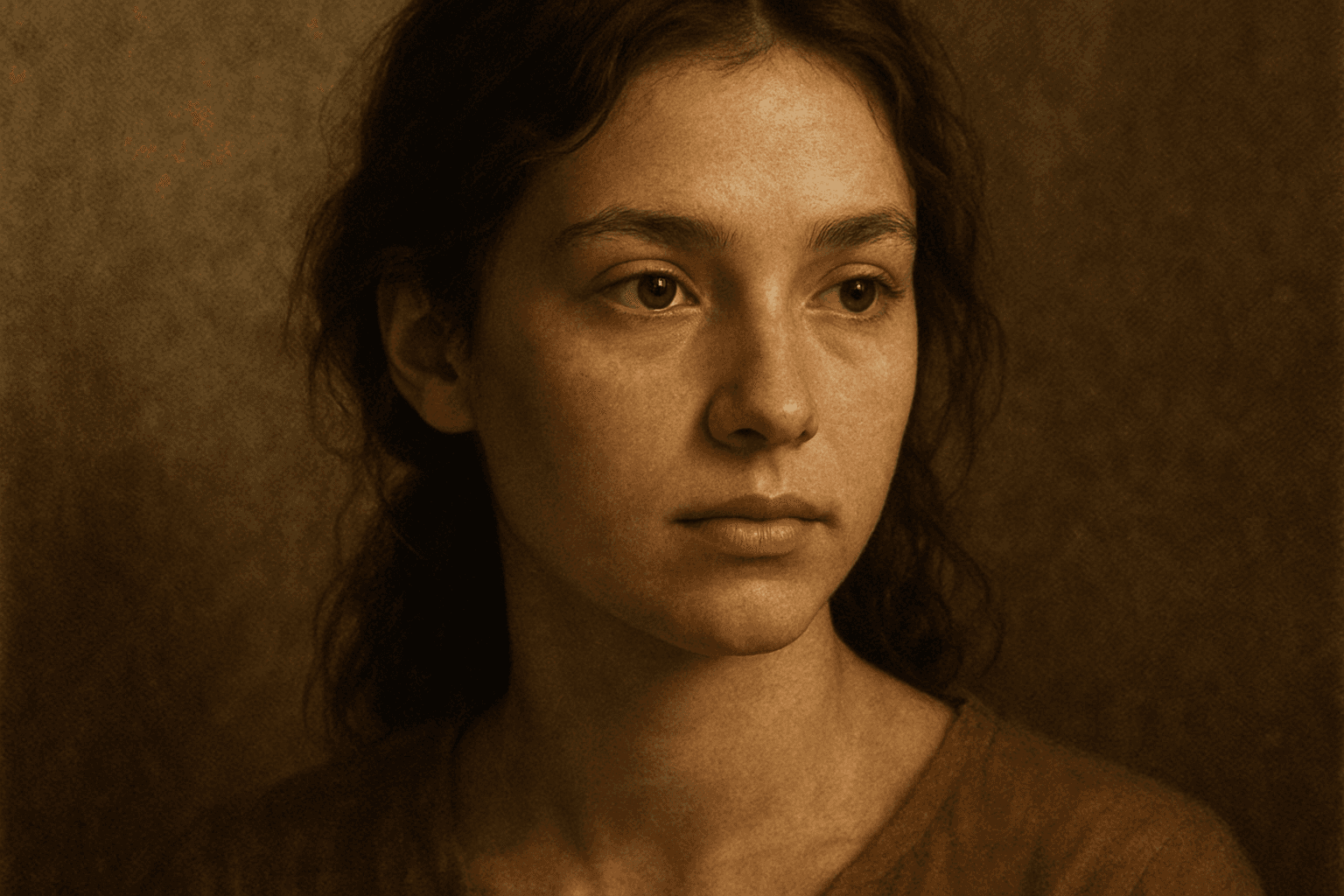
Texture Overlay Techniques
Texture Overlay Techniques are essential for artists and designers using AI image generation to add realistic or stylized surface qualities to their visuals. By specifying textures in a prompt, you can transform flat or generic images into rich, detailed creations that mimic physical materials or artistic effects. These overlays help in achieving mood, authenticity, or unique artistry by adding layers of complexity without altering the core composition. Whether you want a weathered wall effect or a glossy metallic finish, texture overlays deepen the narrative and visual appeal. Understanding how to incorporate texture keywords and their combinations allows for controlled refinement and diverse outputs, making images stand out in editorial, commercial, or creative projects.
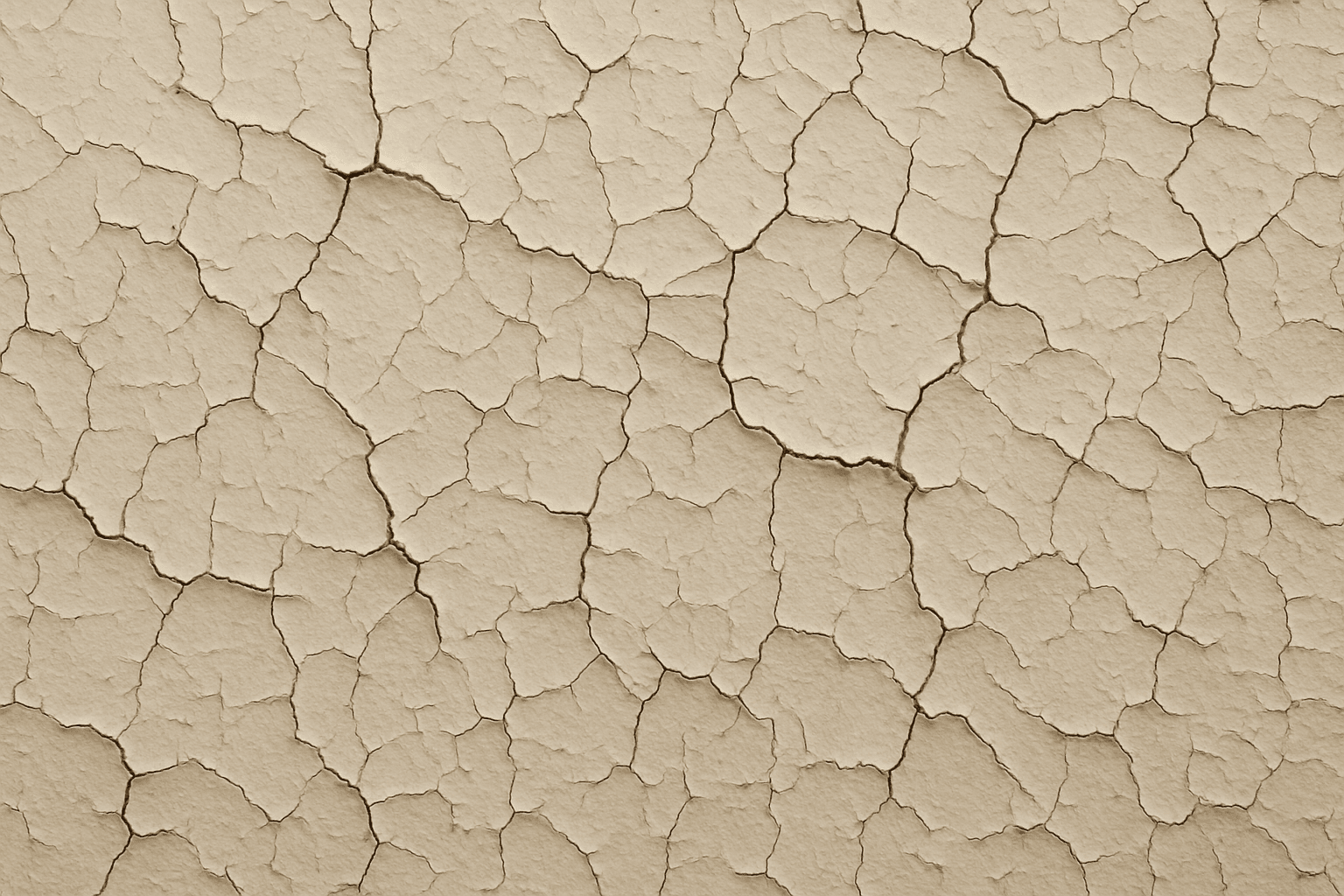
Cracked Paint Wall Texture
Cracked paint wall texture is a highly sought-after element in digital art and design for its ability to convey urban decay, vintage charm, or neglected environments. When applied to AI image generation, this keyword guides models to create detailed and photorealistic renderings of distressed wall surfaces marked by peeling, cracking, and flaking paint. These textures can evoke strong visual interest and tactile realism, ideal for use in backgrounds, material references, or concept art. Incorporating cracked paint enhances an image’s authenticity by simulating natural deterioration effects often seen in outdoor or abandoned settings, influencing the mood with aged aesthetics and weathered charm.
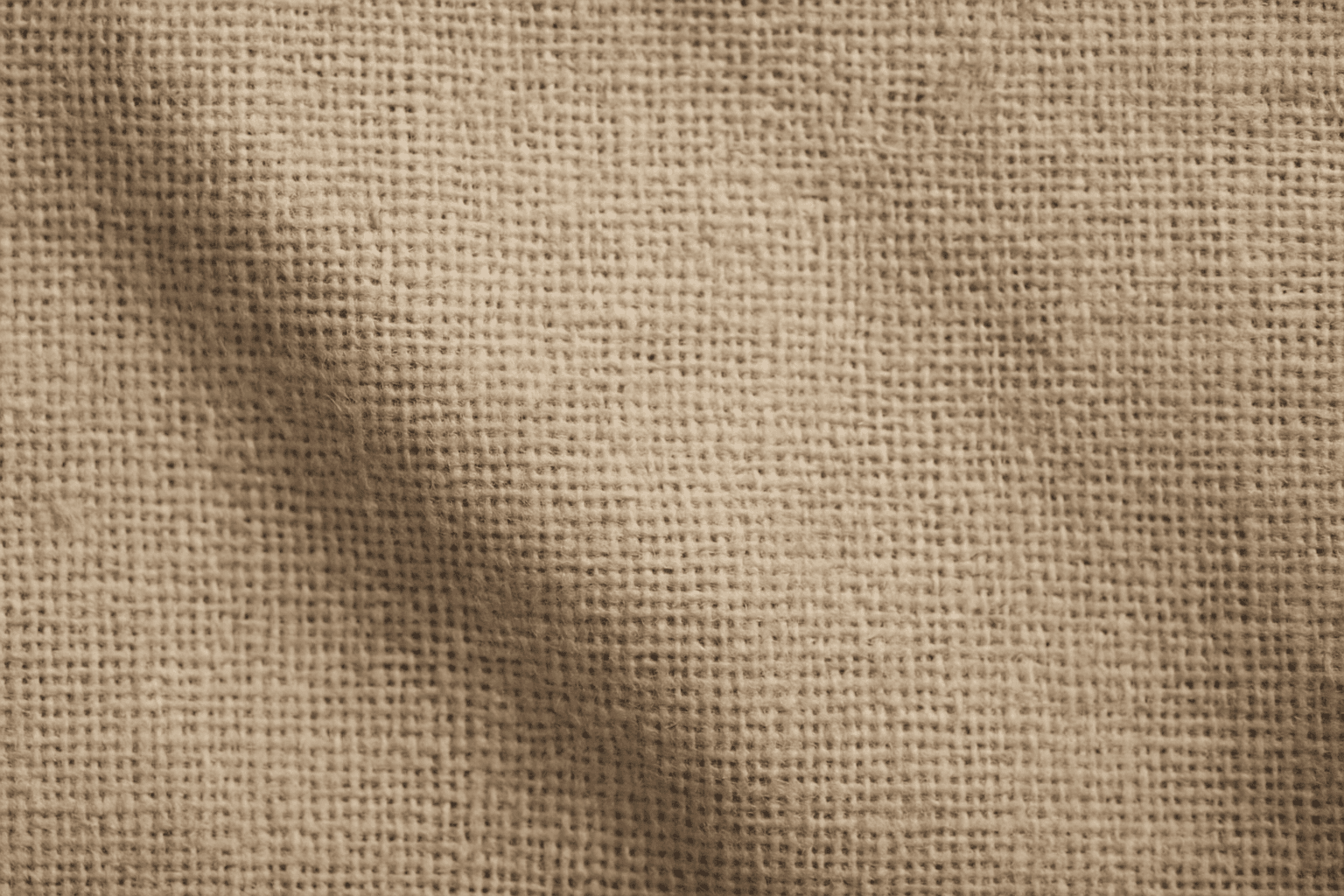
Rough Canvas Texture
Rough Canvas Texture describes the distinct appearance of coarse woven fabric, typically made from natural fibers like cotton or linen. This texture is characterized by a pronounced weave pattern and a tactile, uneven surface. When used in AI image prompts, it enhances realism by simulating the physical characteristics of canvas materials often seen in paintings, upholstery, or artistic backgrounds. It helps bring a natural, handcrafted feel to digital images, enriching their visual depth and authenticity. This texture suits creative projects aiming to blend digital art with organic elements, serving as a compelling backdrop or detail layer.