Paper Texture
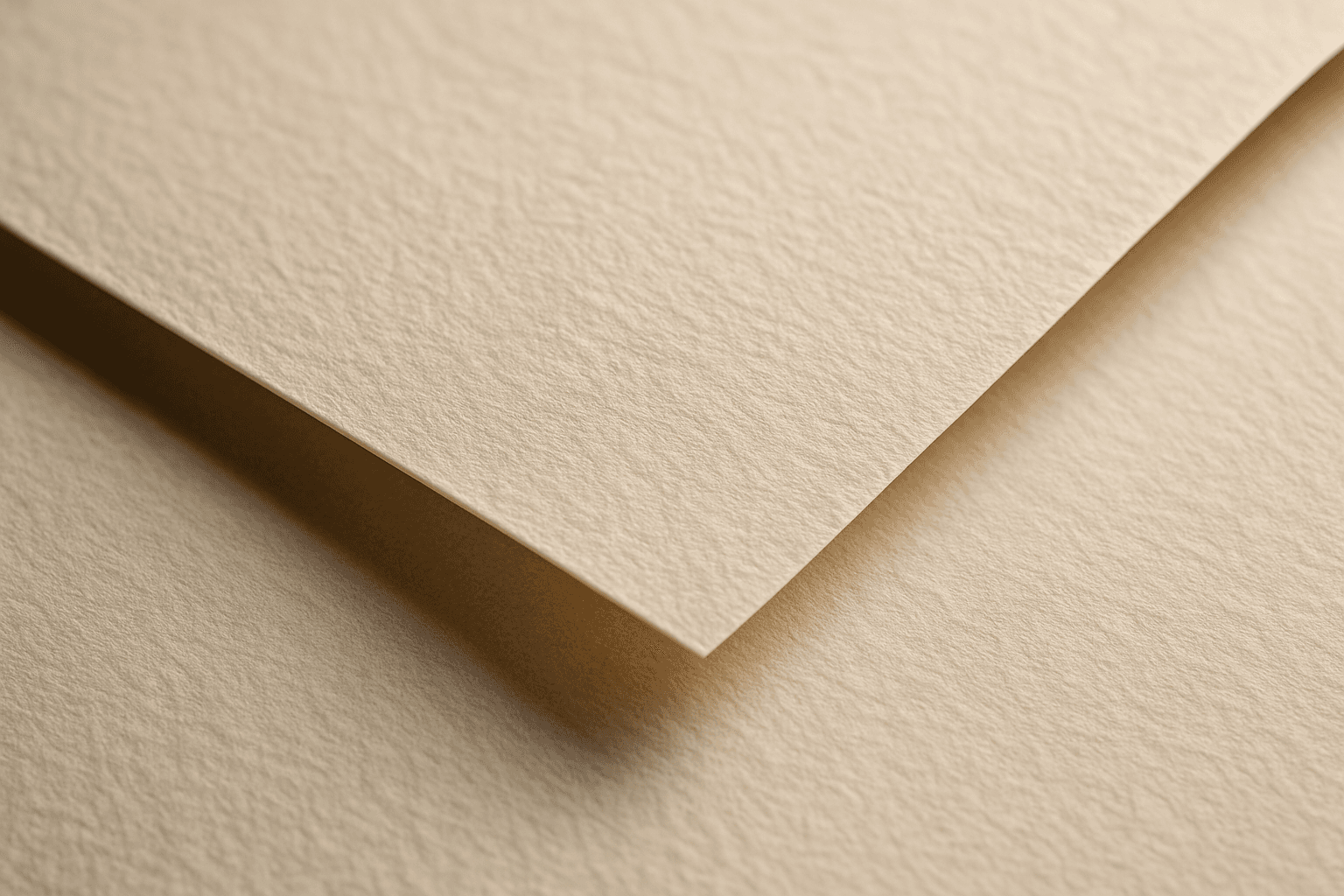
Paper Texture is a material keyword that adds visible fibers, grain, folds, recycled surfaces, handmade edges, or printed paper detail.
Definition
Paper Texture is a material keyword that adds visible fibers, grain, folds, recycled surfaces, handmade edges, or printed paper detail.
Visual Characteristics
- Tactile fibers, matte surfaces, subtle shadows, deckled edges, folds, or recycled flecks.
- Crafted, editorial, natural, handmade, or stationery-focused mood.
- Works with packaging, invitations, books, cards, labels, and flat lays.
Best Use Cases
- Stationery, packaging, branding mockups, invitations, books, labels, and editorial backgrounds.
- Eco packaging, handmade goods, craft brands, and design portfolio visuals.
- Stock concepts about craft, sustainability, writing, planning, creativity, and print design.
Prompt Examples
- Close up of recycled paper packaging, paper texture, earth tones, soft light, minimalist layout.
- A handmade wedding invitation on linen, paper texture, soft shadows, elegant stationery photography.
- A blank notebook page with paper texture, neutral colors, negative space, clean desk scene.
Adobe Stock Potential
Paper Texture has solid stock potential for backgrounds, mockups, stationery, packaging, and eco branding. Blank or lightly styled paper images are especially useful for designers.
FAQ
What prompts improve paper texture?
Use handmade paper, recycled fibers, matte surface, deckled edge, close up, and soft light.
Is paper texture good for backgrounds?
Yes. It creates subtle tactile backgrounds for branding, stationery, and editorial layouts.
Continue Exploring
Related Prompts
Soft Matte Paper Texture
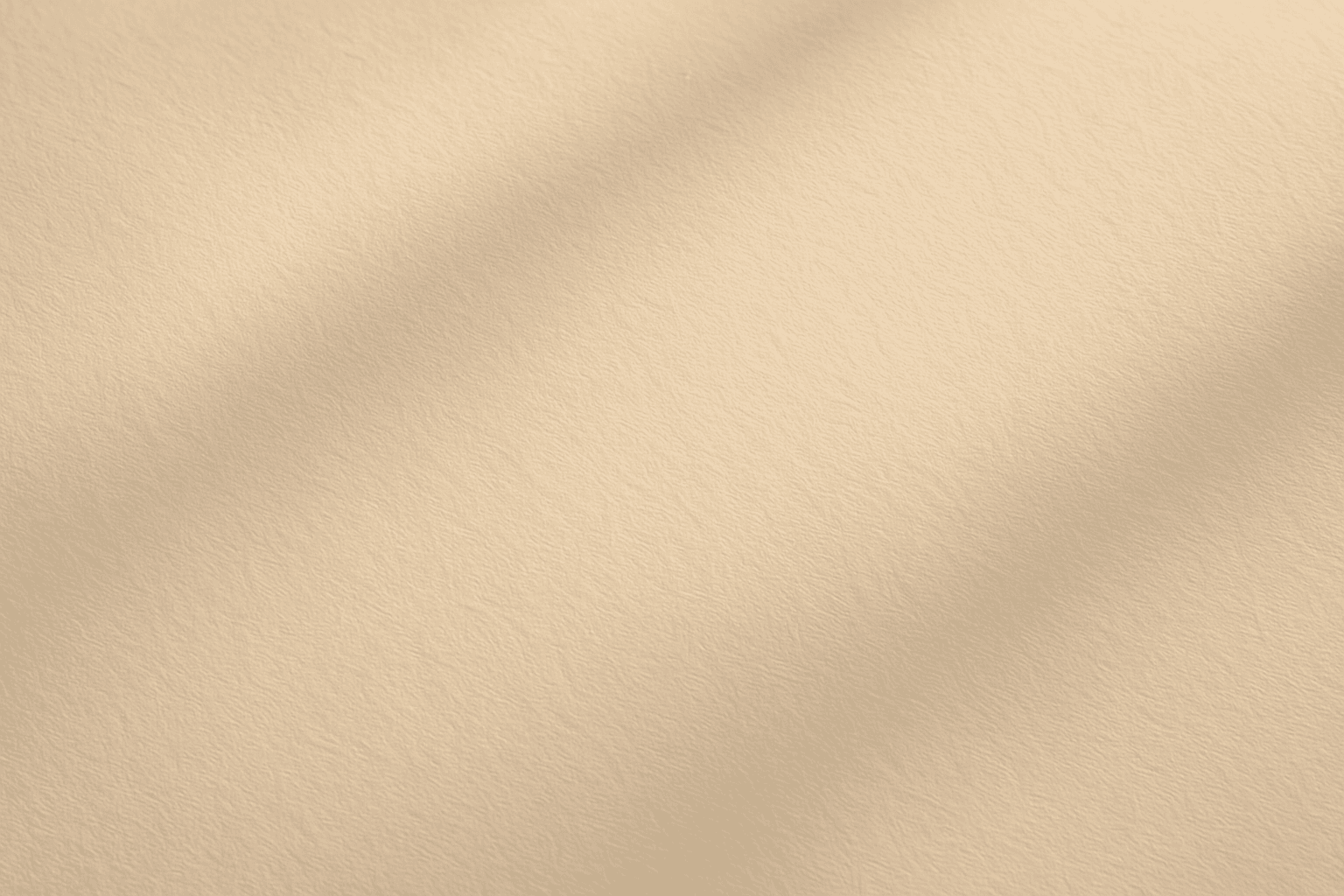
Soft Matte Paper Texture is a specialized prompt keyword that helps artists and designers generate images featuring realistic, tactile paper surfaces with a matte finish. This texture is characterized by subdued reflections and a soft, natural look that avoids glare or shine. Using this keyword in AI prompts supports creations such as book covers, packaging mockups, stationery backgrounds, and fine art prints where the paper quality matters. The resulting images carry a premium aesthetic, imitating high-quality paper stock that is often sought after in print-design visualizations and marketing materials. Overall, employing Soft Matte Paper Texture enriches an AI image with subtle tactile cues contributing to a refined, understated finish.
Matte Paper Texture
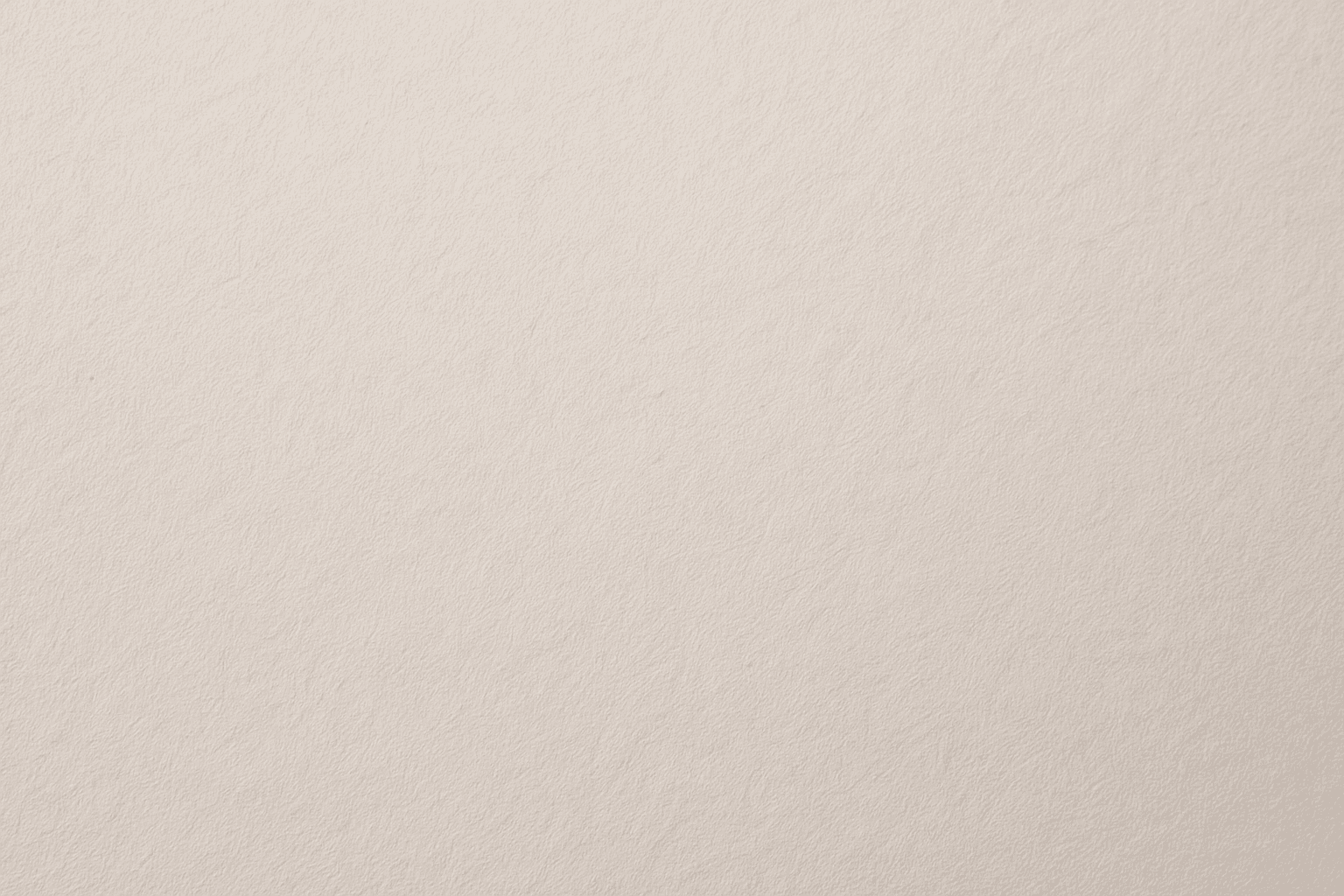
Incorporating matte paper texture into AI-generated images creates a refined, tactile feel that mimics real matte paper. This texture is prized for its understated elegance because it reduces unwanted reflections and highlights, allowing for crisp and clear details. Matte finishes carry a sophisticated, professional look often used in print design, fine art, and editorial projects to convey quality and subtlety. Using this keyword enhances realism especially when simulating printed materials, photography backdrops, or artistic media. Understanding and leveraging matte paper texture enables creators to craft visuals with depth and softness that stand apart from glossy or metallic textures.
Torn Paper Texture
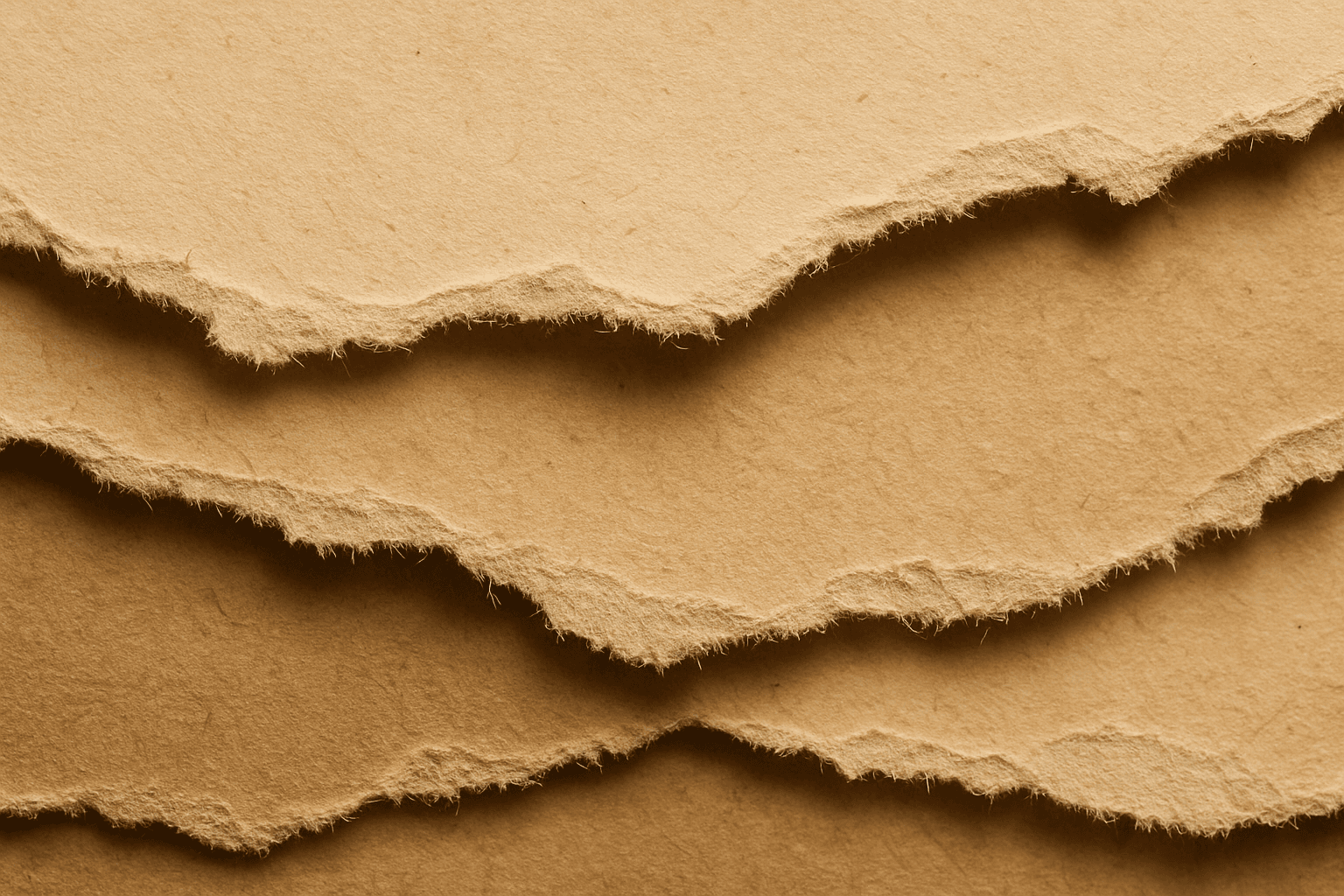
Using the Torn Paper Texture keyword in AI image prompts helps generate visuals that mimic torn paper edges and surfaces. This texture adds depth and realism by introducing naturally imperfect boundaries, often with visible fibers and roughness. It's ideal for creating collage effects, vintage posters, scrapbook aesthetics, or rustic backgrounds. Incorporating torn paper details can lend a tactile and handcrafted feel to digital images, making them stand out with organic imperfection rather than smooth, flat edges.
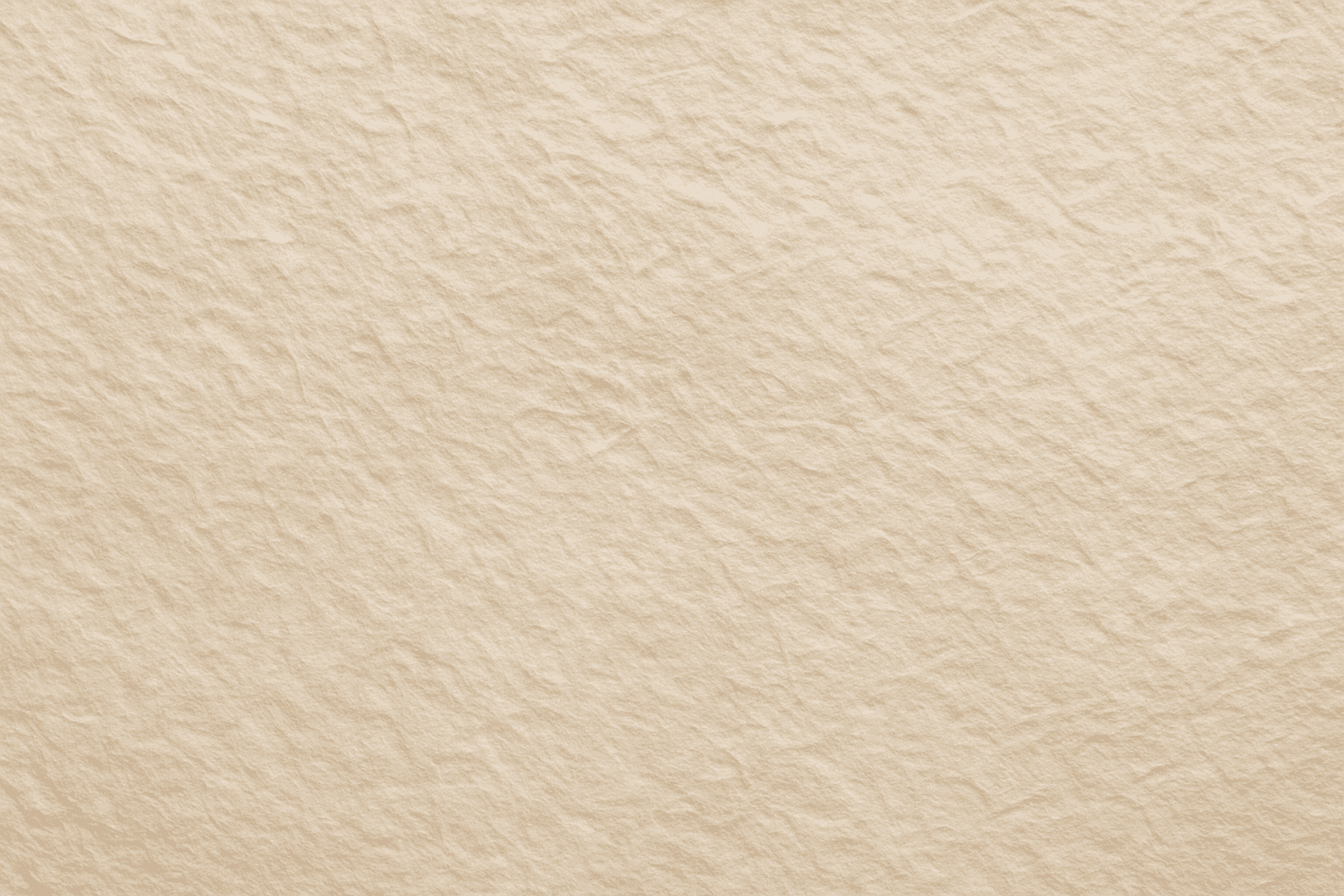
Paper Fiber Texture
Paper Fiber Texture in AI-generated images enhances realism by simulating the microscopic fibers found in physical paper. This texture adds subtle detail and tactile qualities to artwork, making backgrounds or materials appear organic and handcrafted. When included in prompts, it helps models focus on delicate and uneven surfaces rather than flat or overly smooth ones. This keyword is especially useful in designs needing authenticity or vintage aesthetics, offering an alternative to digital or synthetic textures. It works well combined with lighting descriptions to highlight the tactile aspects of the fibers and create refined editorial visuals.
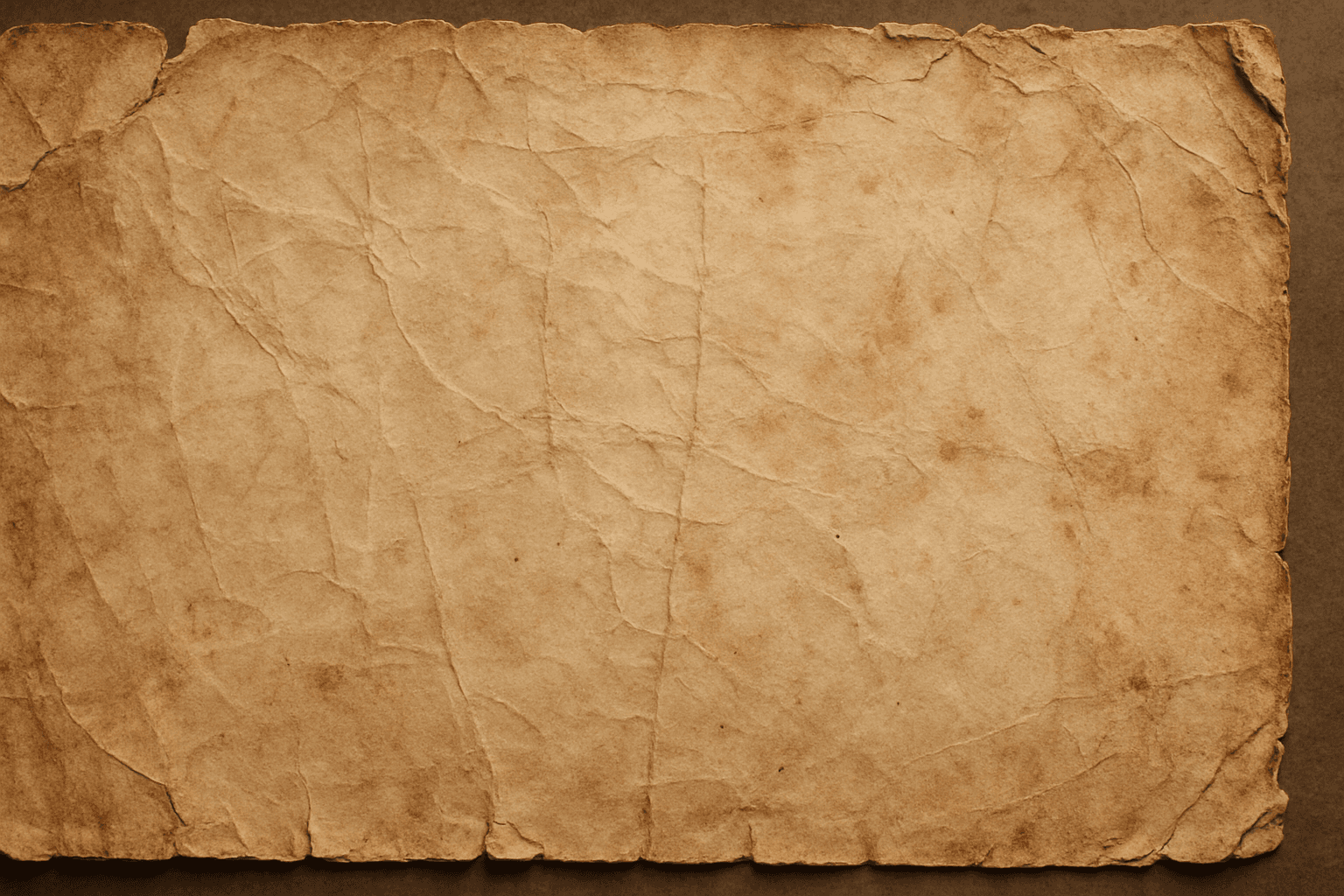
Distressed Paper Texture
The distressed paper texture keyword is a valuable tool in AI image generation that adds authenticity and historical ambiance to digital artworks by simulating the look of aged or damaged paper. This effect is popular for creating backgrounds, overlays, or standalone textures in graphic design, photography adjustments, and illustrative projects. Incorporating distressed paper elements enriches visual storytelling, evokes nostalgia, and can enhance the mood of vintage or handmade aesthetics. Controlled application within prompts ensures that the wear appears natural without overpowering the primary subject.

Wood Grain Surface Texture
Wood grain surface texture captures the intricate patterns and natural beauty found in wooden materials. This texture is characterized by flowing lines, knots, and a warm color palette that conjures the organic essence of wood. When incorporated in AI image generation prompts, it helps models produce authentic wooden surfaces, from smooth polished floors to rustic furniture with visible fibers. Wood grain lends tactile depth and aesthetic appeal, making images more immersive and rich in detail. Its versatility allows for use across design, interior visualization, product mockups, and artistic compositions, enhancing the material realism dramatically.