Soft Shadow Gradients
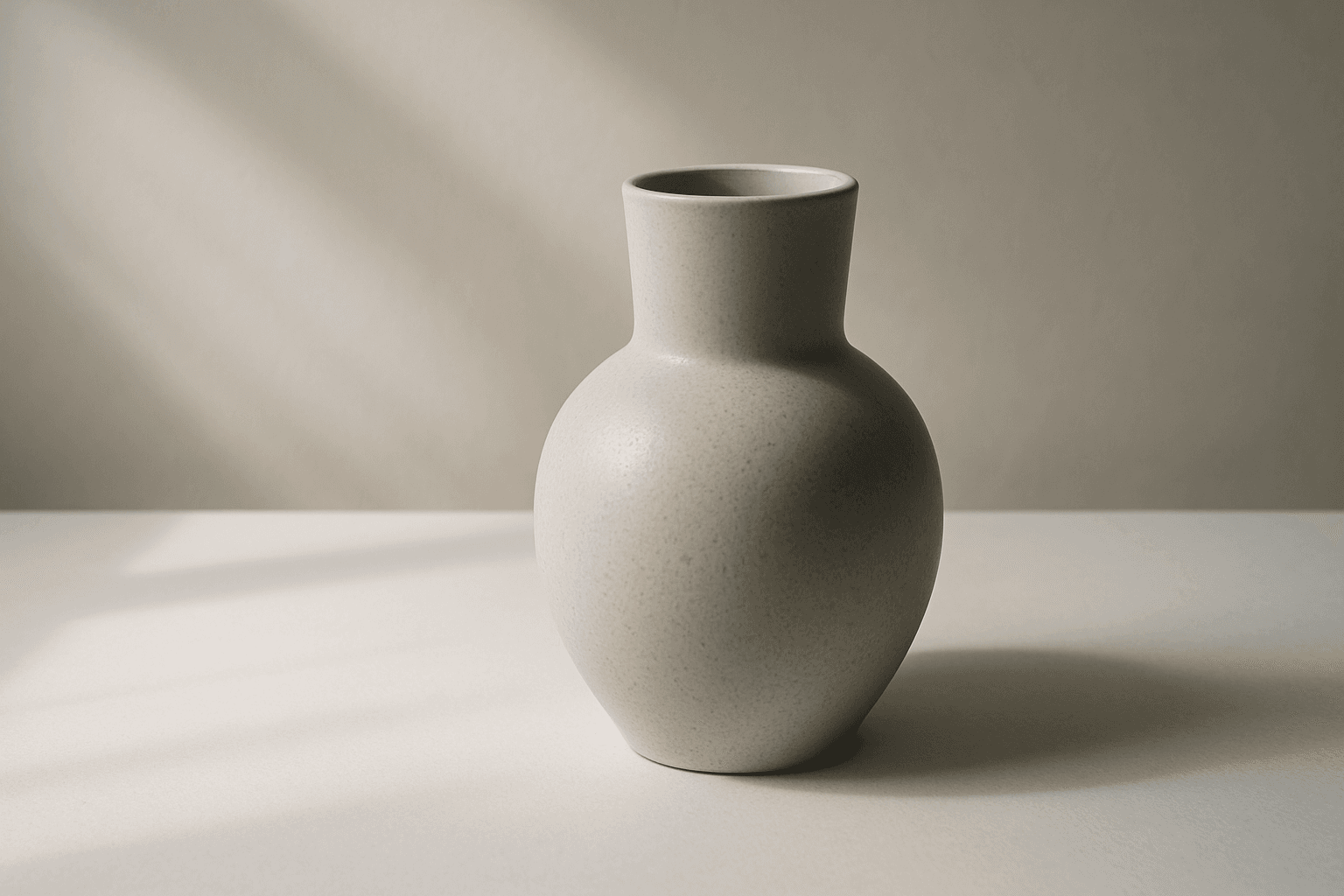
Soft Shadow Gradients introduce nuanced shading that elevates AI-generated images through natural, gentle light transitions. Instead of stark shadows and high contrast, this lighting style produces sophisticated visuals with a premium feel, ideal for editorial and commercial artwork. By specifying this effect in prompts, creators achieve images with refined lighting that highlight textures and shapes gracefully. This enhances realism and adds visual interest without overpowering the subject matter, supporting modern, clean compositions favored in digital design and advertising.
Definition
Soft Shadow Gradients refer to a lighting technique that creates smooth, gradual transitions between light and shadow in AI-generated images. This effect softens shadow edges, replacing harsh and stark contrasts with gentle tonal blends. In an AI prompt, including 'Soft Shadow Gradients' guides the model to render shadows with delicate gradations that mimic natural, diffused lighting conditions, resulting in enhanced depth and realism suitable for subtle, elegant visual presentations.
- Smooth transition between light and shadow
- No sharp or harsh edges in shadows
- Mimics natural ambient or diffused lighting
Prompt Formula
To effectively incorporate Soft Shadow Gradients in AI prompts, combine descriptive lighting terminology with subject details. Use phrases such as "soft shadow gradients," "gentle light transitions," or "diffused shadows" alongside materials and environment descriptors for desired effect. This pattern ensures the AI emphasizes gradual shading and ambiance.
- [Subject] with soft shadow gradients
- Scene under diffused natural light and gentle shadows
- Use adjectives like "smooth," "subtle," or "ambient" to complement the effect
Best Use Cases
Soft Shadow Gradients excel in scenarios where natural lighting enhances subject realism and atmosphere without overwhelming detail. They work best in product photography to highlight textures gracefully, portraits to flatter features with gentle shading, and editorial or lifestyle images demanding polished yet understated visual moods.
- Product imagery showcasing texture and form
- Portrait photography emphasizing natural skin tones
- Editorial content requiring elegant, subtle lighting
Creative Variations
To keep outputs fresh and avoid repetitive lighting, experiment with different color temperatures, shadow softness levels, and compositional angles. Vary the source or nature of light: soft morning sunlight, twilight ambient glow, or indoor diffused lamps. Combine with varied subjects, from organic materials to reflective surfaces, to yield diverse yet coherent results.
- Change lighting color temperature: warm, cool, neutral
- Adjust shadow softness: ultra-soft to moderately soft
- Vary light source: natural daylight, studio diffused, ambient interior light
- Experiment with subject material: matte, glossy, textured surfaces
Industry Applications
The use of Soft Shadow Gradients is prevalent across multiple industries. In advertising, they impart a premium feel to product shots, enhancing perceived value. Editorial content leverages this lighting for mood and professionalism in portraits and still lifes. Ecommerce benefits by presenting products with realistic shading that aids consumer decision-making, while interior design visuals gain subtle spatial depth.
- Advertising for high-quality product presentation
- Editorial photography and magazine layouts
- Ecommerce platforms showcasing realistic product lighting
Common Mistakes
Common pitfalls when using Soft Shadow Gradients in prompts include over-describing shadow softness leading to washed-out images, or underspecifying resulting in harsh shadows. Avoid generic instructions like 'soft shadows' without contextual cues, which may generate unrealistic or bland lighting. Balance is key: prompt for subtle gradients preserving contrast and form without over-smoothing.
- Avoid excessive softness creating flat images
- Specify context to prevent generic lighting
- Maintain contrast to preserve depth and realism
FAQ
How do Soft Shadow Gradients differ from regular soft shadows in AI images?
Soft Shadow Gradients emphasize a smooth gradient transition within shadows rather than just general softness, creating a nuanced tonal flow that adds depth, whereas regular soft shadows may just blur shadow edges without tonal progression.
Can Soft Shadow Gradients be applied to all subjects?
While applicable broadly, they are most effective on subjects benefiting from subtle light transitions, such as portraits, products, or still lifes, and less impactful on abstract or highly stylized compositions that favor dramatic lighting.
Continue Exploring
Related Prompts
Soft Shadow Play
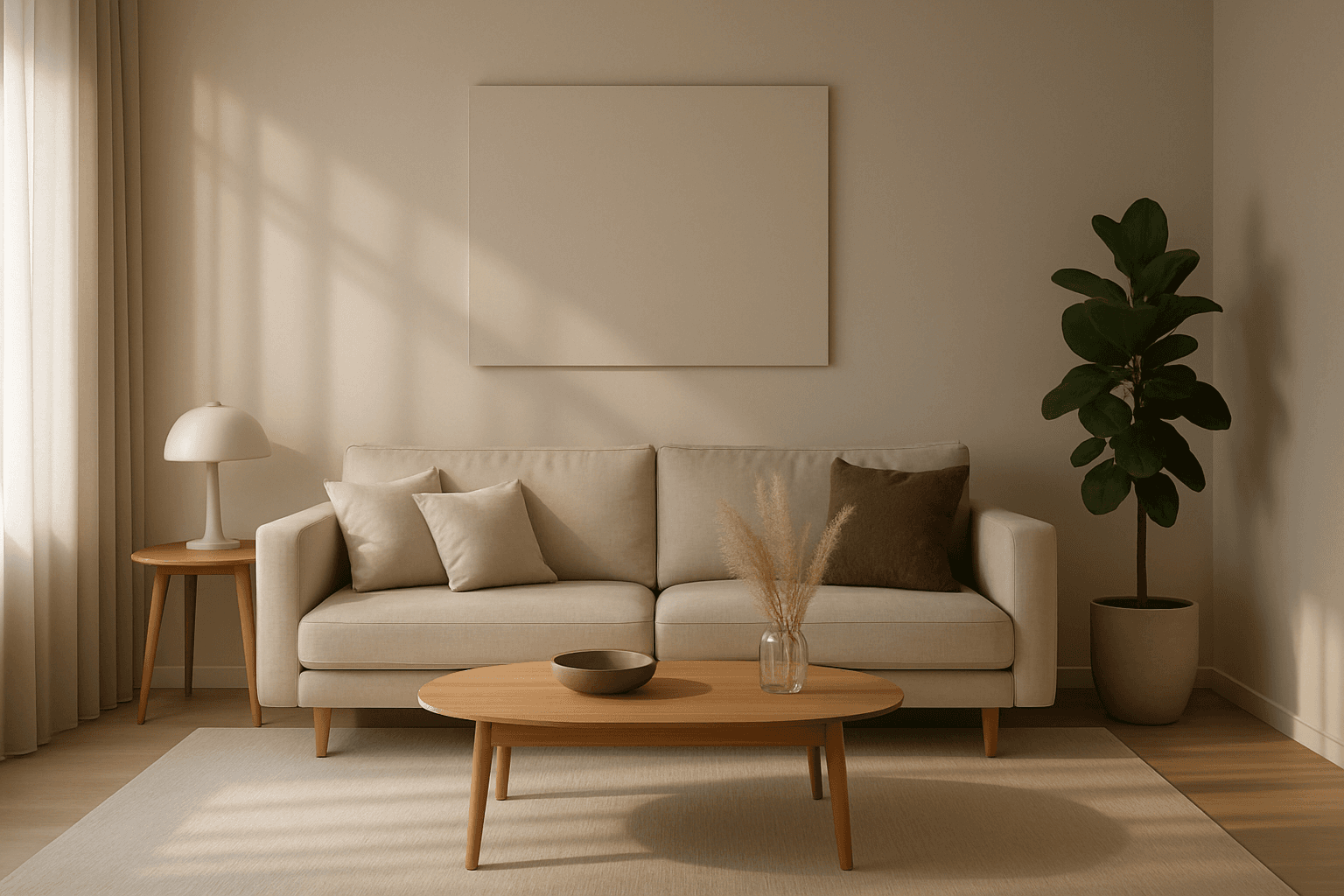
Soft Shadow Play enriches AI-generated visuals by introducing diffused shadows that simulate natural lighting conditions. Rather than sharp, stark shadows, this effect ensures that shadows appear smooth and blend seamlessly with illuminated areas. Incorporating Soft Shadow Play into prompts supports a refined, premium look with delicate depth cues. It is ideal for compositions where a gentle atmosphere and realistic lighting nuance are desired, such as portraits, product photography, or serene landscapes. Mastering this technique empowers creators to produce images with a calm, elegant mood and enhanced three-dimensionality.
Soft Diffused Lighting
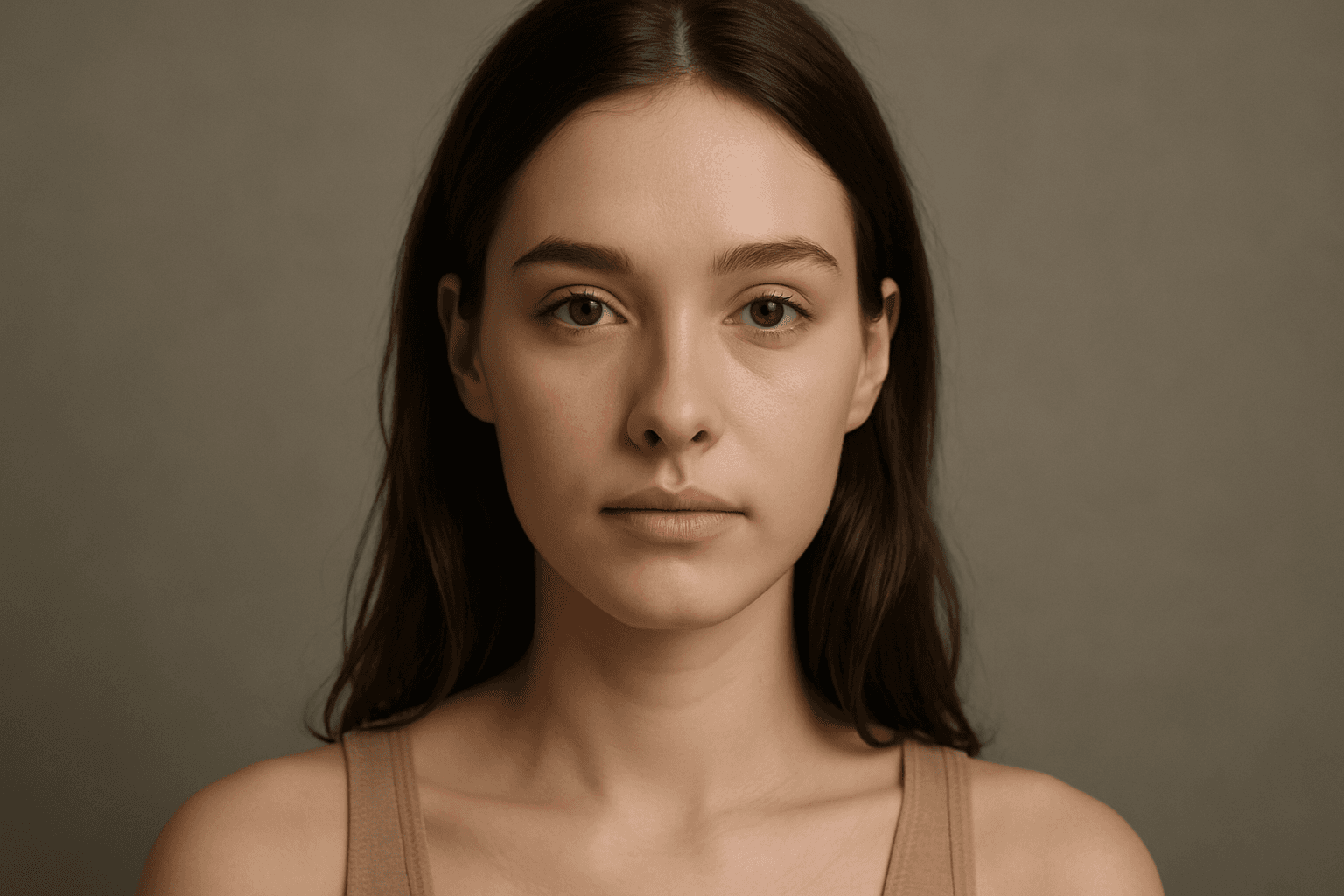
Soft diffused lighting is a popular lighting technique used to create visually appealing images with gentle, even illumination. This lighting style reduces harsh shadows and highlights, producing a smooth transition of light on subjects and backgrounds. In AI-generated imagery, specifying soft diffused lighting helps to evoke a natural, calming mood, making subjects appear more realistic and intricate details visible without stark contrast. It is commonly used in portraiture, product photography, and editorial imagery to deliver a polished, premium look. Leveraging soft diffused lighting enhances an image’s depth and material realism, ensuring a refined and aesthetically balanced output.
Soft Ambient Glow
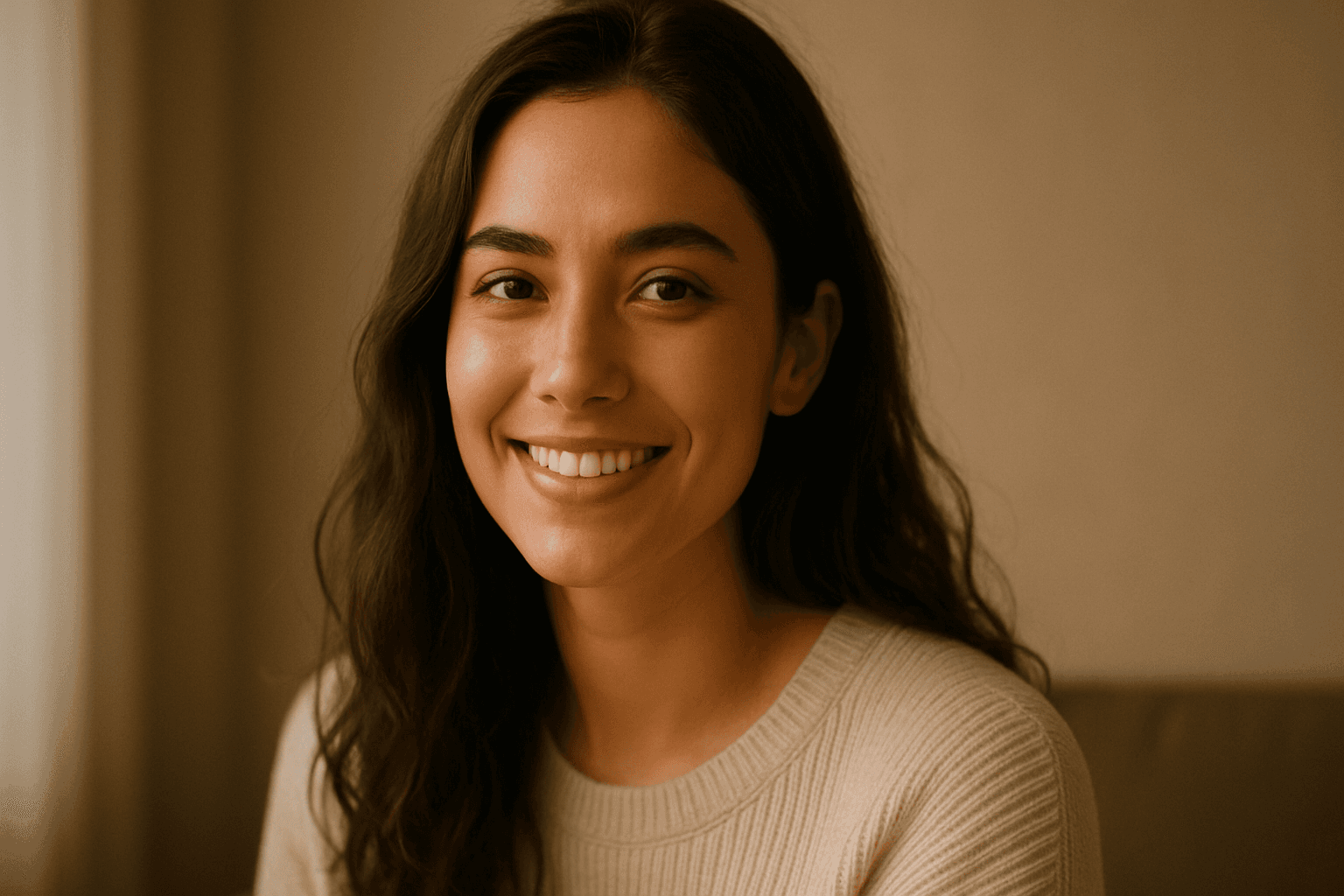
The Soft Ambient Glow keyword is essential for adding subtle warmth and diffuse light to AI-generated images. Unlike direct or harsh lighting, it creates a gentle, enveloping glow that enriches texture and form while maintaining natural shadow gradations. This effect works well in editorial portraits, interior scenes, and nature photography, helping images feel intimate and polished. By leveraging this effect, creators can evoke mood and focus attention without overwhelming brightness. It’s particularly useful for achieving premium, realistic visuals that appeal to lifestyle, advertising, or stock image markets. Soft Ambient Glow enhances quality through refined lighting sophistication.
Hard Shadow Contrast
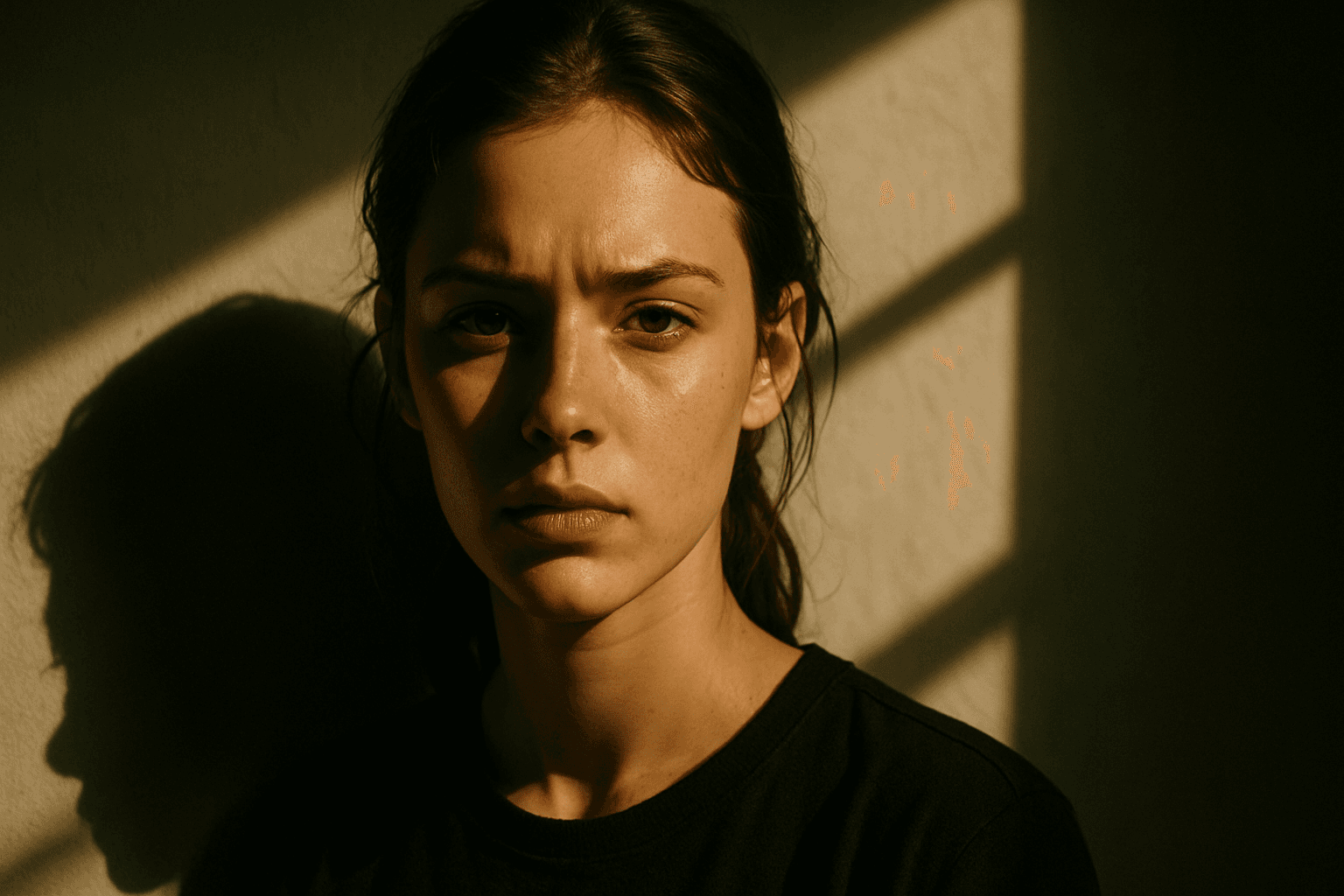
Hard Shadow Contrast is a lighting effect that dramatically defines shadows with crisp, sharp edges and pronounced contrast between light and dark areas. In AI-generated images, incorporating this characteristic elevates the visual impact by adding dimensionality and emphasizing surface textures. It is particularly useful in highlighting form, structure, and materials, creating a striking and refined appearance. By controlling this effect through prompts, artists and designers can guide AI models to produce compositions with cinematic or editorial lighting moods, enhancing realism or artistic expression without soft or diffuse shading.
Golden Hour Soft Light
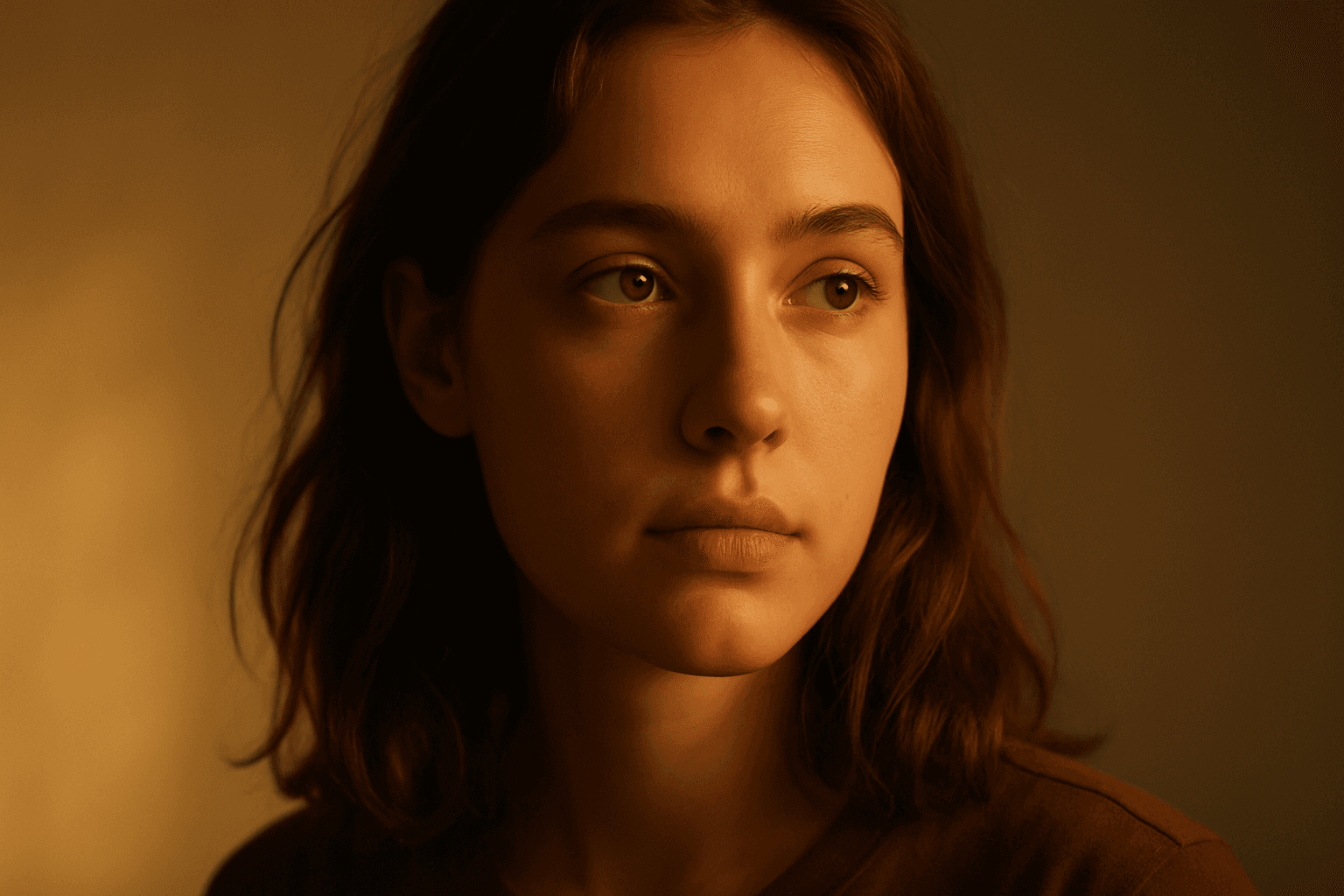
Golden Hour Soft Light captures the magical lighting conditions during the early morning or late afternoon sun. This natural lighting style is prized for its warm colors and flattering softness, often leading to images that feel intimate and aesthetically pleasing. When incorporated into AI prompts, it helps generate scenes with realistic ambient and directional light that evokes emotion and depth. This lighting style works well across portraiture, landscapes, and still-life imagery, providing a premium and elegant look. It subtly enhances textures and materials without harsh contrasts or glare, offering a polished and professional finish suitable for editorial and commercial use.

Soft Fill Light Setup
Soft fill light setup is an essential lighting approach in photography, cinematography, and AI image generation that focuses on enhancing visual clarity by gently illuminating subjects. This method employs diffused light sources positioned strategically to fill in shadows without creating new ones or flattening the image's depth. In AI-generated images, specifying a soft fill light setup guides the model to render scenes with subtle shading and natural contrast, making portraits, still life, and product shots appear more realistic and appealing. By balancing the interplay between light and shadow, the soft fill light setup adds dimension while maintaining a polished and professional look suitable for editorial, commercial, and creative projects.