Soft Light
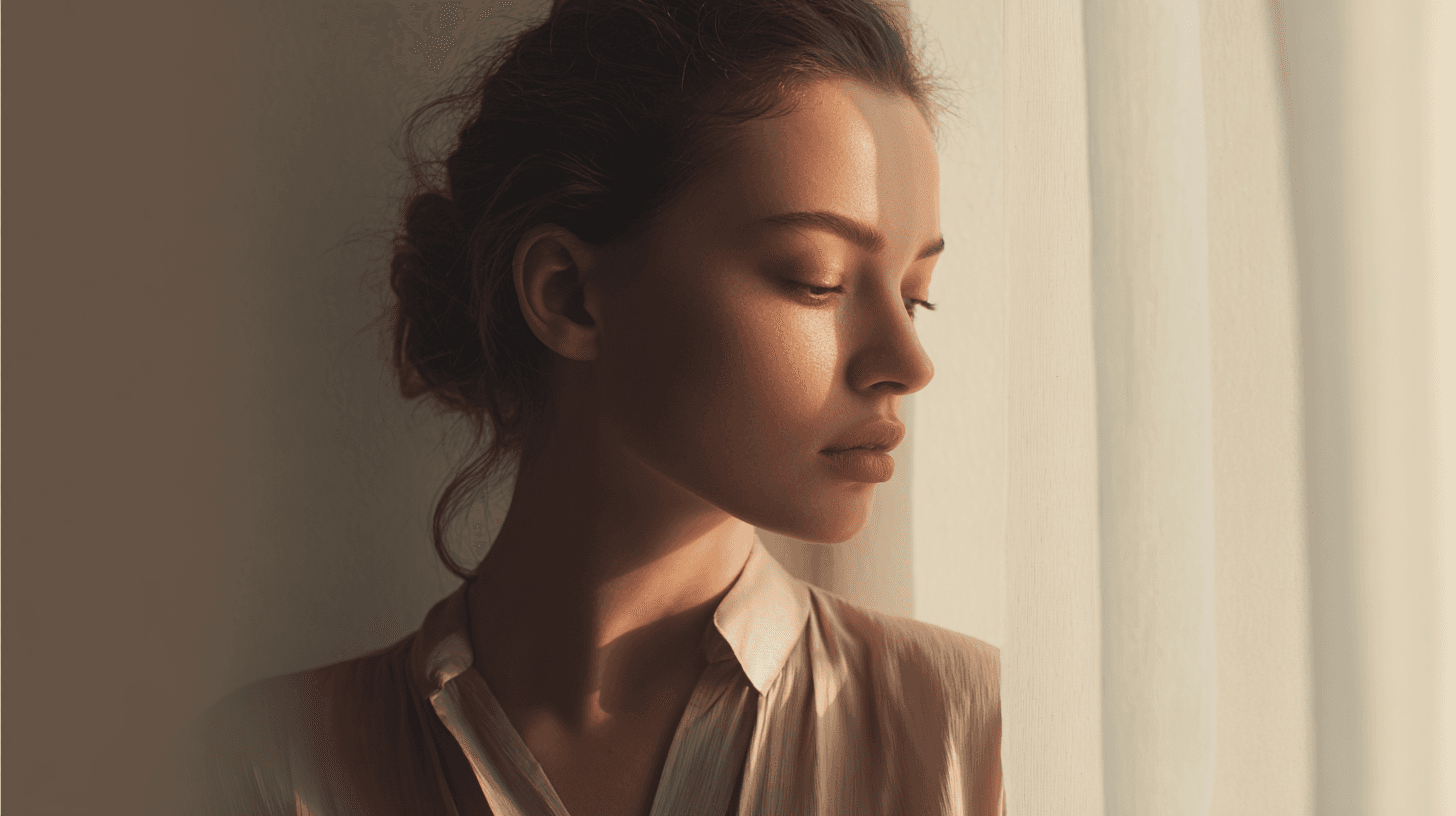
Soft Light is a lighting keyword used to create gentle, flattering, low-contrast images. It describes light that has been diffused before it reaches the subject, like daylight through a sheer curtain, a large studio softbox, or cloudy outdoor light. In AI image prompts, Soft Light is especially useful when you want the image to feel calm, natural, welcoming, and easy to use commercially. It reduces harsh shadow edges and helps skin, products, interiors, and materials look smoother. For beginners, Soft Light is one of the safest lighting keywords because it improves many images without making them feel too dramatic or overly stylized.
Overview
Soft Light is a lighting keyword used to create gentle, flattering, low-contrast images. It describes light that has been diffused before it reaches the subject, like daylight through a sheer curtain, a large studio softbox, or cloudy outdoor light. In AI image prompts, Soft Light is especially useful when you want the image to feel calm, natural, welcoming, and easy to use commercially. It reduces harsh shadow edges and helps skin, products, interiors, and materials look smoother. For beginners, Soft Light is one of the safest lighting keywords because it improves many images without making them feel too dramatic or overly stylized.
What It Does
When you add Soft Light to a prompt, the model is encouraged to create broader highlights, smoother transitions, and less aggressive contrast. Shadows may still exist, but they feel gradual rather than sharp. This helps portraits look more approachable, product photos feel cleaner, and interior scenes feel peaceful. Soft Light also works well when you need a neutral stock image because it does not force a strong mood. It can support beauty, wellness, lifestyle, ecommerce, food, home decor, and business imagery. To control the result, pair it with practical phrases like natural window light, diffused studio light, soft shadows, clean background, realistic skin tones, or gentle highlights. If the image becomes too flat, add a subtle rim light, shallow depth of field, or a clear focal object.
Best Use Cases
- Portraits, wellness imagery, and lifestyle scenes where people should look relaxed, friendly, and natural rather than dramatic or intense.
- Beauty, skincare, food, ceramics, stationery, and ecommerce product images where smooth surfaces and soft shadows make the subject feel premium and accessible.
- Interior and home decor visuals that need a calm, bright atmosphere. Soft Light helps rooms feel livable and visually clean.
- Stock imagery for concepts such as comfort, care, clarity, health, productivity, calm workspaces, and everyday modern living.
Example Prompt
Adobe Stock Potential
Soft Light has excellent Adobe Stock potential because it creates broadly usable images that buyers can adapt across many industries. Designers often need images that feel polished but not overly specific, and Soft Light supports that. It works for beauty campaigns, healthcare content, wellness blogs, family lifestyle, product mockups, food packaging, online shops, and presentation visuals. For better stock value, keep the subject clear, avoid clutter, and leave some negative space for text. Soft Light can sometimes make an image feel too generic, so combine it with a clear use case such as skincare product photography, modern home office, healthy breakfast table, or calm wellness portrait.
Continue Exploring
Related Prompts
High Key Lighting
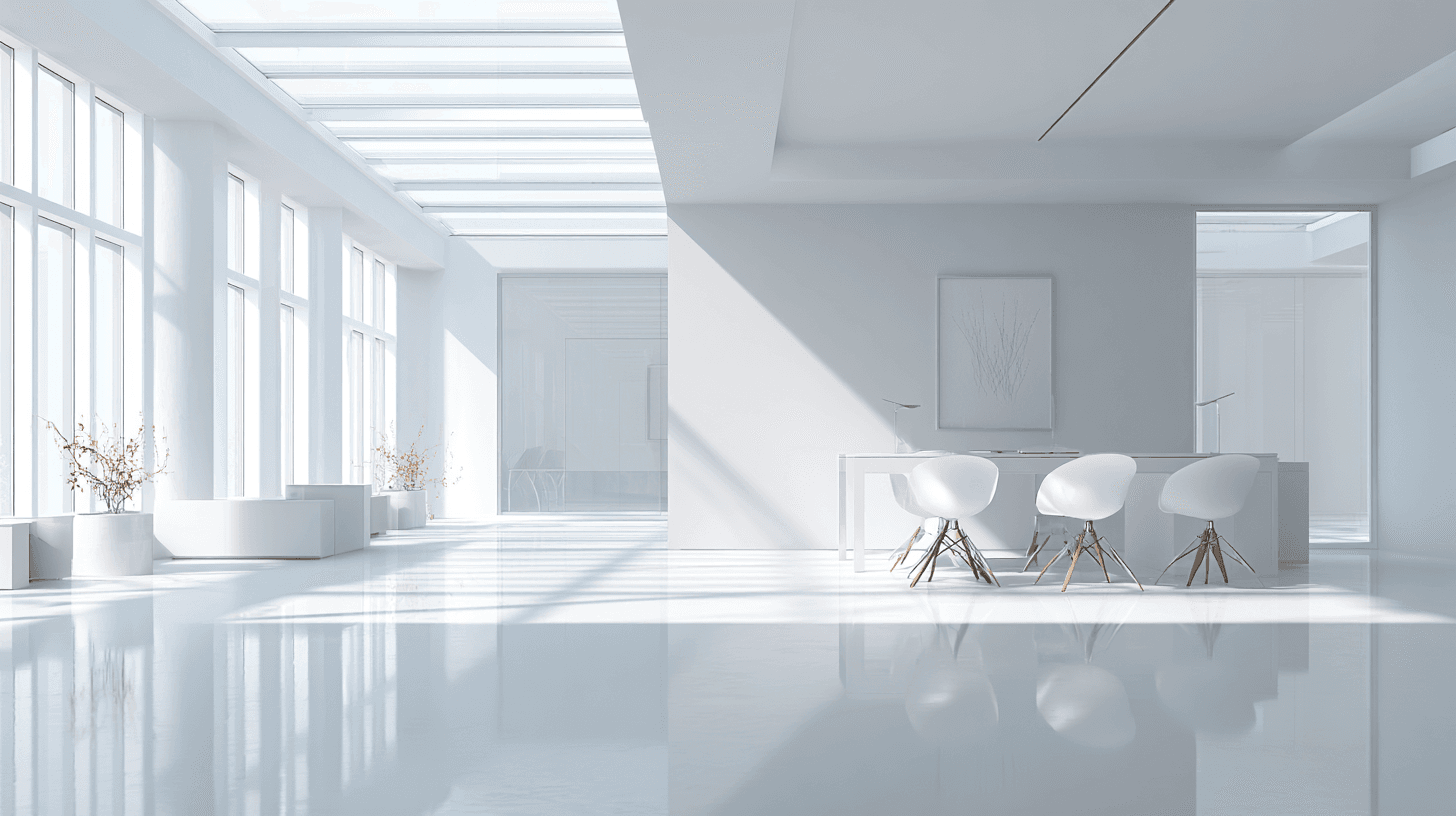
High Key Lighting is a bright lighting style with low contrast, pale shadows, and an airy overall feeling. In AI image prompts, it is useful for creating clean, optimistic, fresh, and approachable images. The background is often white or light-toned, and the subject is evenly illuminated. High Key Lighting is common in beauty campaigns, wellness imagery, ecommerce product photography, healthcare visuals, baby and family photography, and modern business imagery. For beginners, it is a helpful keyword when you want a bright commercial look without harsh shadows or heavy drama.
Golden Hour
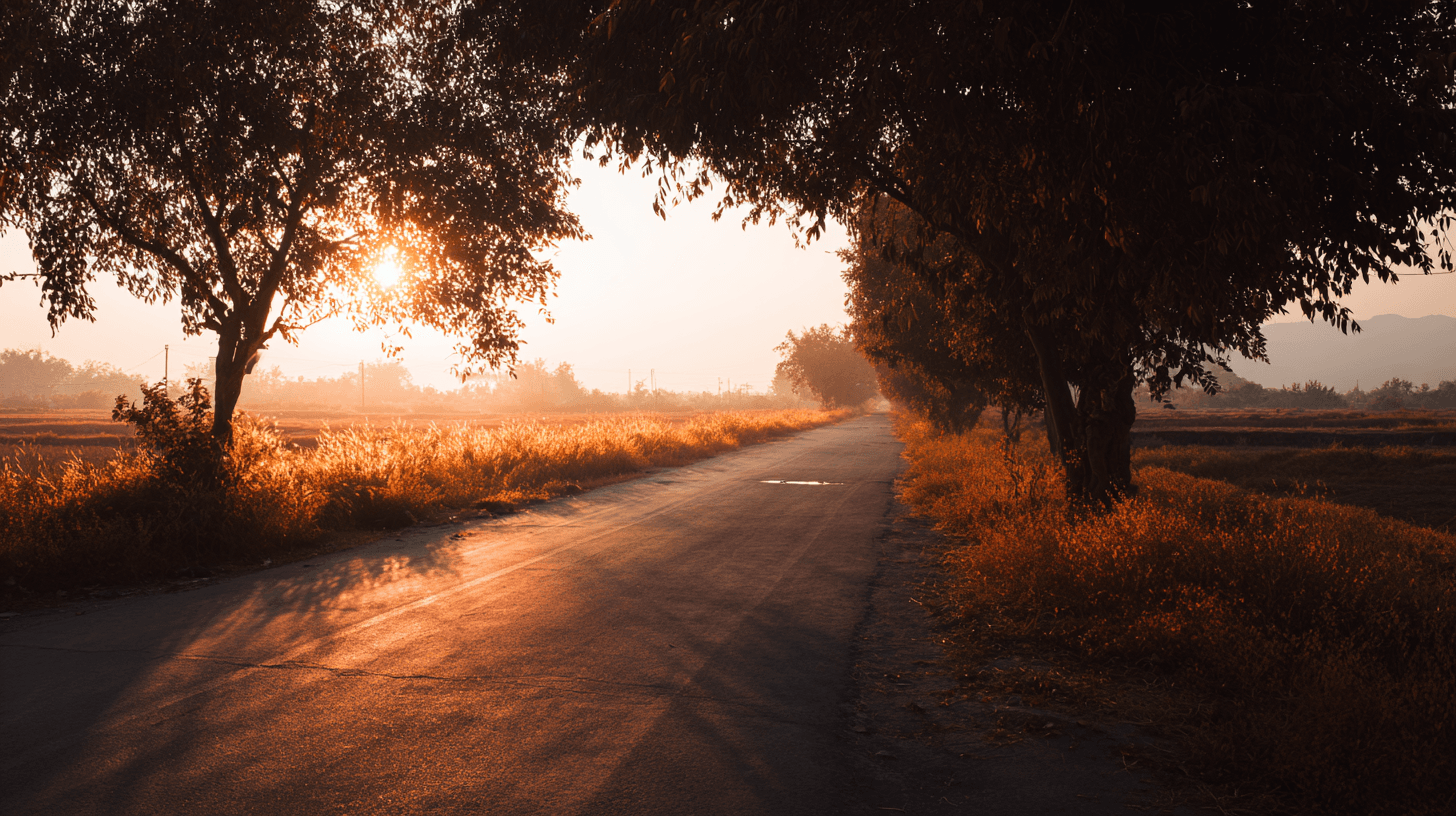
Golden Hour is a lighting keyword that refers to the warm, low-angle sunlight shortly after sunrise or shortly before sunset. In AI image prompts, it is one of the easiest ways to make a scene feel natural, emotional, and commercially appealing. The light is usually softer than midday sun, the shadows are longer, and the color temperature leans warm. This makes subjects feel more flattering and environments feel more inviting. For beginners, Golden Hour is a dependable keyword because it improves mood without requiring a complicated lighting setup. It works for people, landscapes, products, interiors, food, travel scenes, and lifestyle imagery.
Studio Lighting
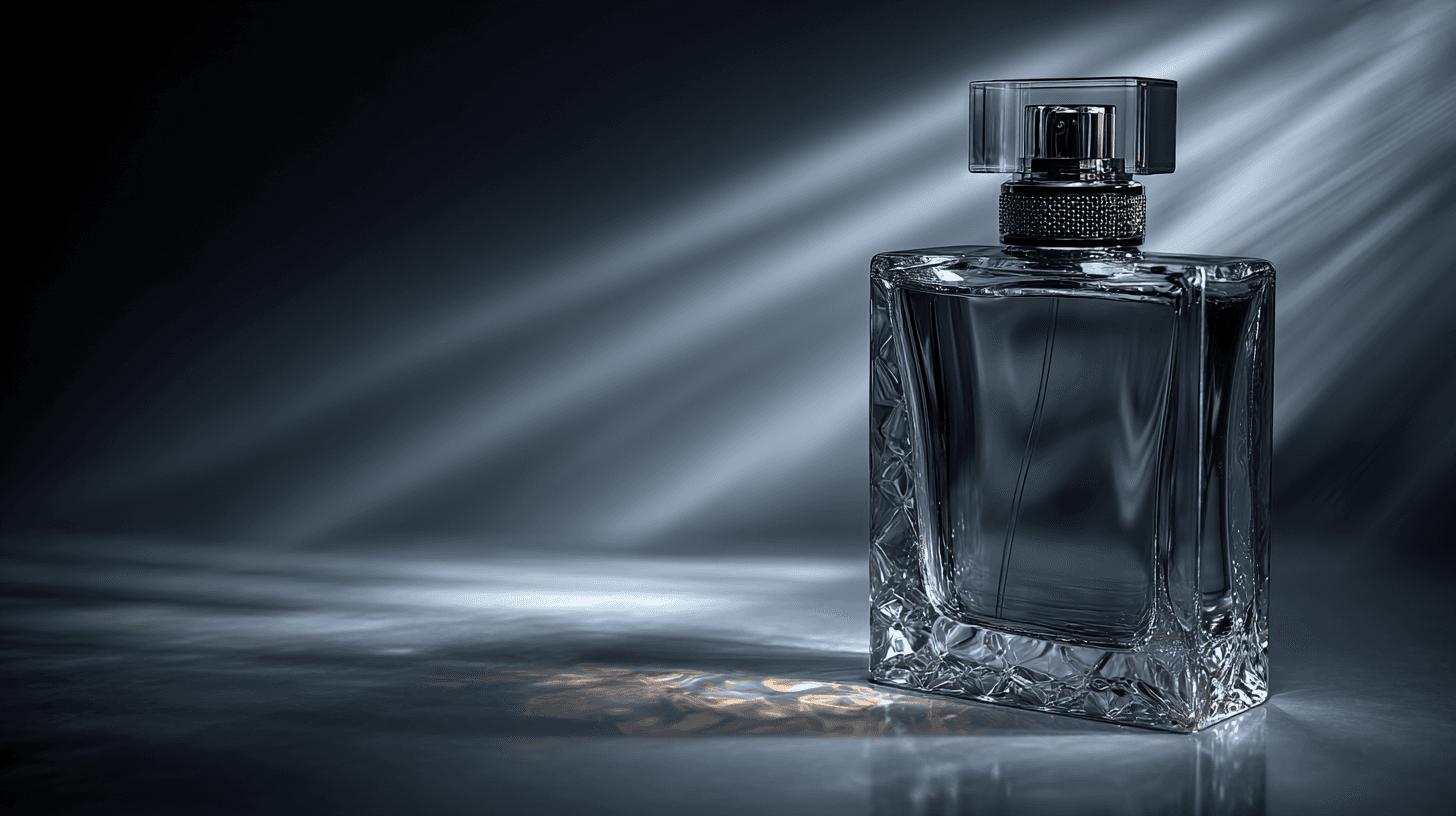
Studio Lighting is a prompt keyword that suggests a controlled, professional lighting setup. Instead of relying on natural sunlight or random environmental light, Studio Lighting points the model toward clean highlights, intentional shadows, balanced exposure, and a polished commercial finish. It is one of the most practical lighting keywords for AI image creators because it works across product photography, portraits, ecommerce, fashion, corporate visuals, and catalog-style imagery. For beginners, Studio Lighting is helpful when you want an image to look professional, reliable, and ready for business use.
Cinematic Lighting
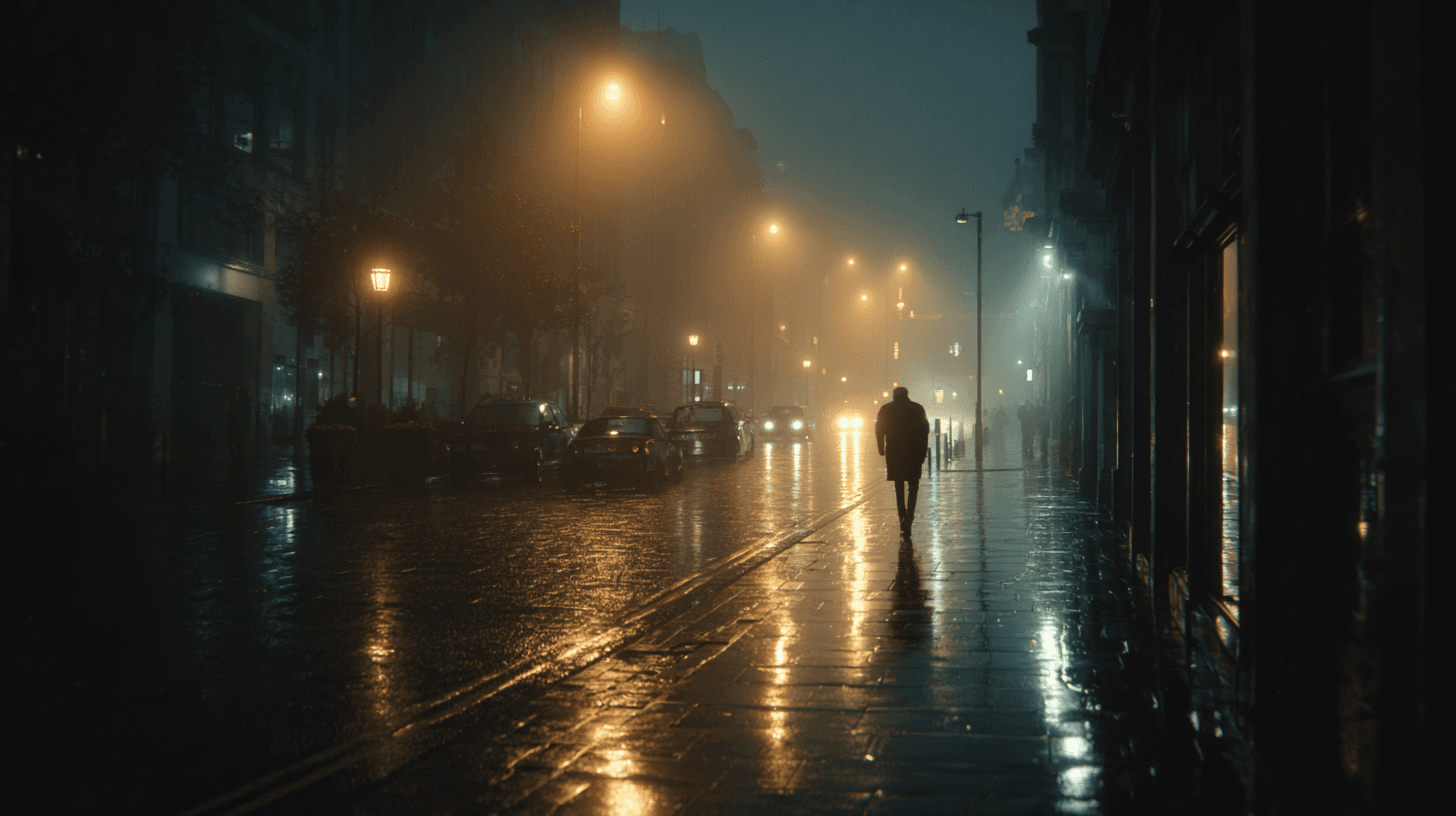
Cinematic Lighting is one of the most useful prompt keywords for making AI-generated images feel intentional, polished, and story-driven. Instead of asking for a flat, evenly lit image, this keyword signals that the scene should feel as if it was lit for a film, commercial, or high-end editorial shoot. The result often includes stronger direction in the light source, more purposeful shadows, richer contrast, and a clearer sense of atmosphere. For beginners, it is a reliable way to move an image away from a generic render and toward something that feels composed, dramatic, and visually memorable.
Backlight
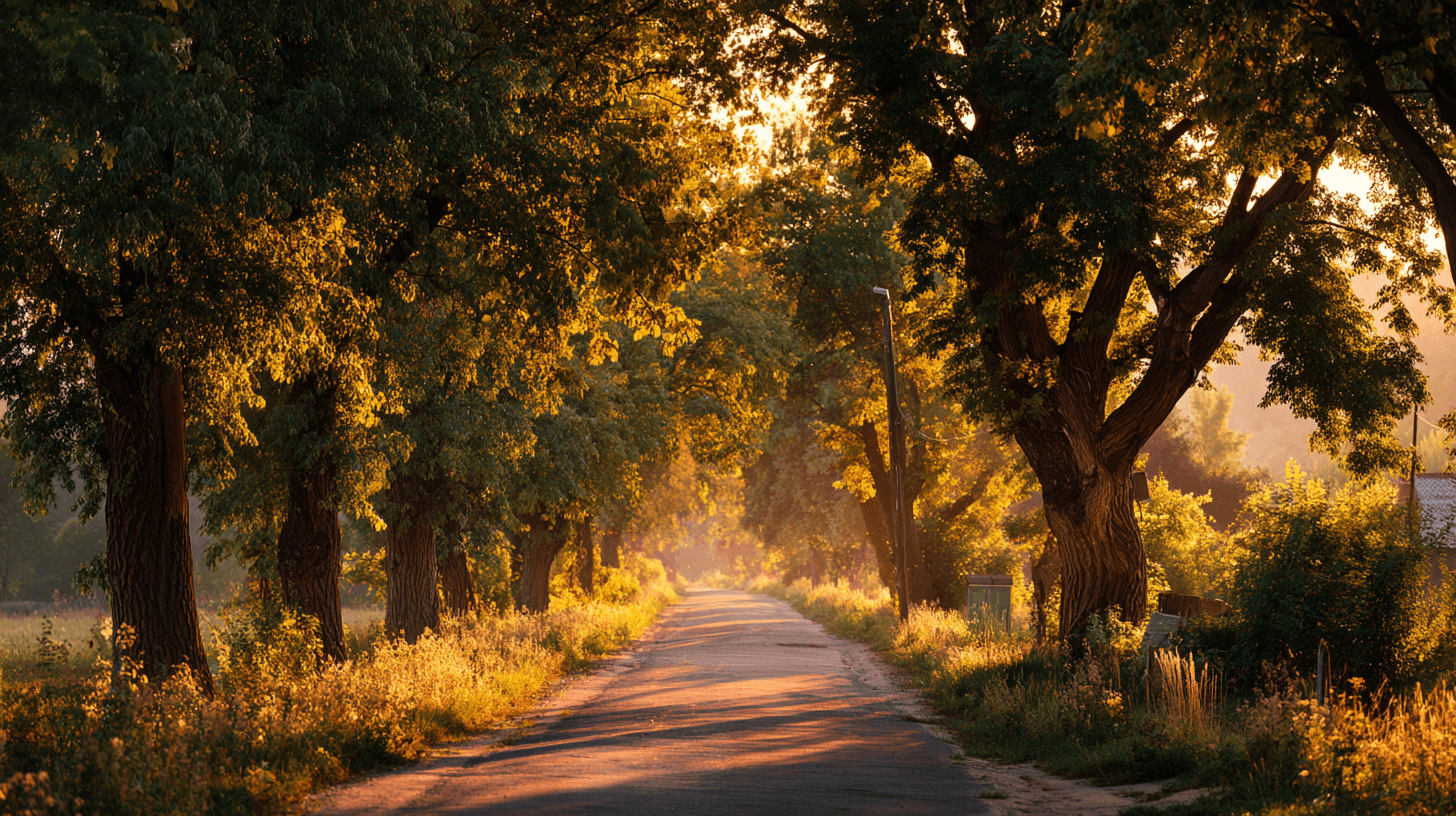
Backlight is a lighting direction where the main light source sits behind the subject, facing toward the camera. It can create glowing edges, silhouettes, translucent materials, and a strong sense of atmosphere. In AI image prompts, Backlight is useful when you want an image to feel warm, emotional, mysterious, or visually layered. It is common in outdoor lifestyle photography, travel imagery, nature scenes, music videos, and cinematic portraits. Beginners can use Backlight to make a simple scene feel more dramatic without needing complicated camera or lighting language.
Rim Light
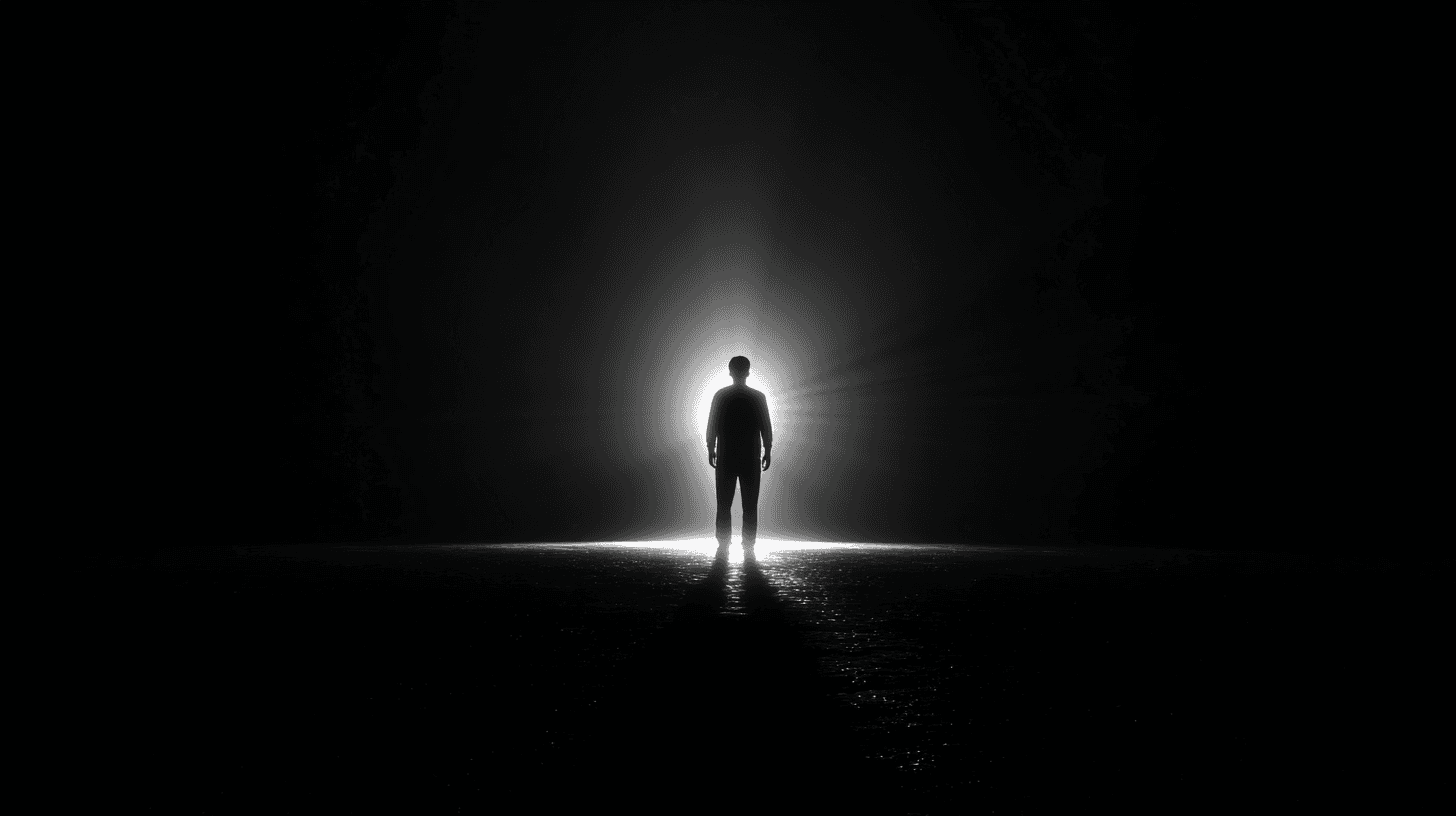
Rim Light is a lighting keyword that describes a bright edge of light around a subject. The light usually comes from behind or slightly behind the subject, catching the outline of hair, shoulders, products, glass, metal, or other edges. In AI image generation, Rim Light is useful when the subject blends into the background or when you want a more professional, cinematic result. It adds separation, depth, and polish. For beginners, Rim Light is a practical keyword because it solves a common problem: flat images where the subject does not stand out clearly.