Neon Glow
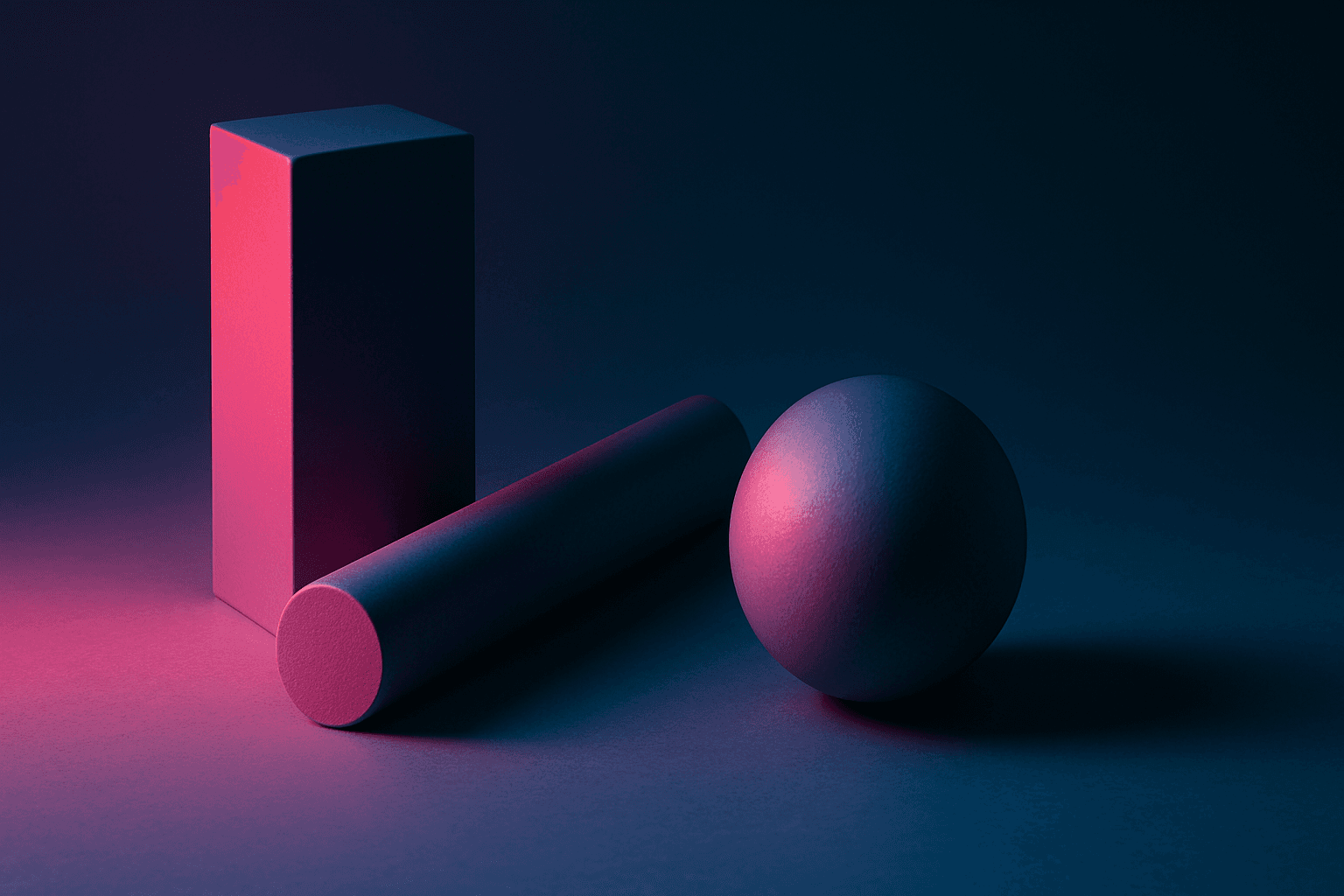
Neon Glow is a lighting keyword for bright colored illumination, usually inspired by neon signs, nightlife, cyberpunk cities, gaming visuals, and futuristic product scenes.
Definition
Neon Glow is a lighting keyword for bright colored illumination, usually inspired by neon signs, nightlife, cyberpunk cities, gaming visuals, and futuristic product scenes.
Visual Characteristics
- Saturated colored light in pink, cyan, purple, blue, green, or orange.
- Visible glow around signs, edges, reflective surfaces, glass, rain, or glossy materials.
- A modern, energetic mood connected to nightlife, technology, music, and entertainment.
Best Use Cases
- Cyberpunk cities, gaming art, music posters, nightlife campaigns, and tech visuals.
- Product shots for electronics, headphones, sneakers, beverages, and digital brands.
- Social media ads, event graphics, and futuristic brand assets.
Prompt Examples
- A pair of transparent headphones on glossy acrylic, neon glow, cyan and magenta lighting, futuristic product photography.
- A rainy cyberpunk street market, neon glow signs, wet reflections, cinematic night atmosphere.
- A gaming laptop hero image, neon glow, dark studio background, vibrant blue and purple highlights.
Adobe Stock Potential
Neon Glow is useful for Adobe Stock when aimed at technology, entertainment, nightlife, gaming, and youth-oriented campaigns. Keep compositions clean; too many neon elements can make the image hard to use commercially.
FAQ
How do I make neon glow look realistic?
Use reflective surfaces, dark backgrounds, rain, glass, or visible light spill.
Can neon glow work for products?
Yes. It is effective for electronics, gaming accessories, sneakers, beverages, and music-related products.
Continue Exploring
Related Prompts
Rim Light
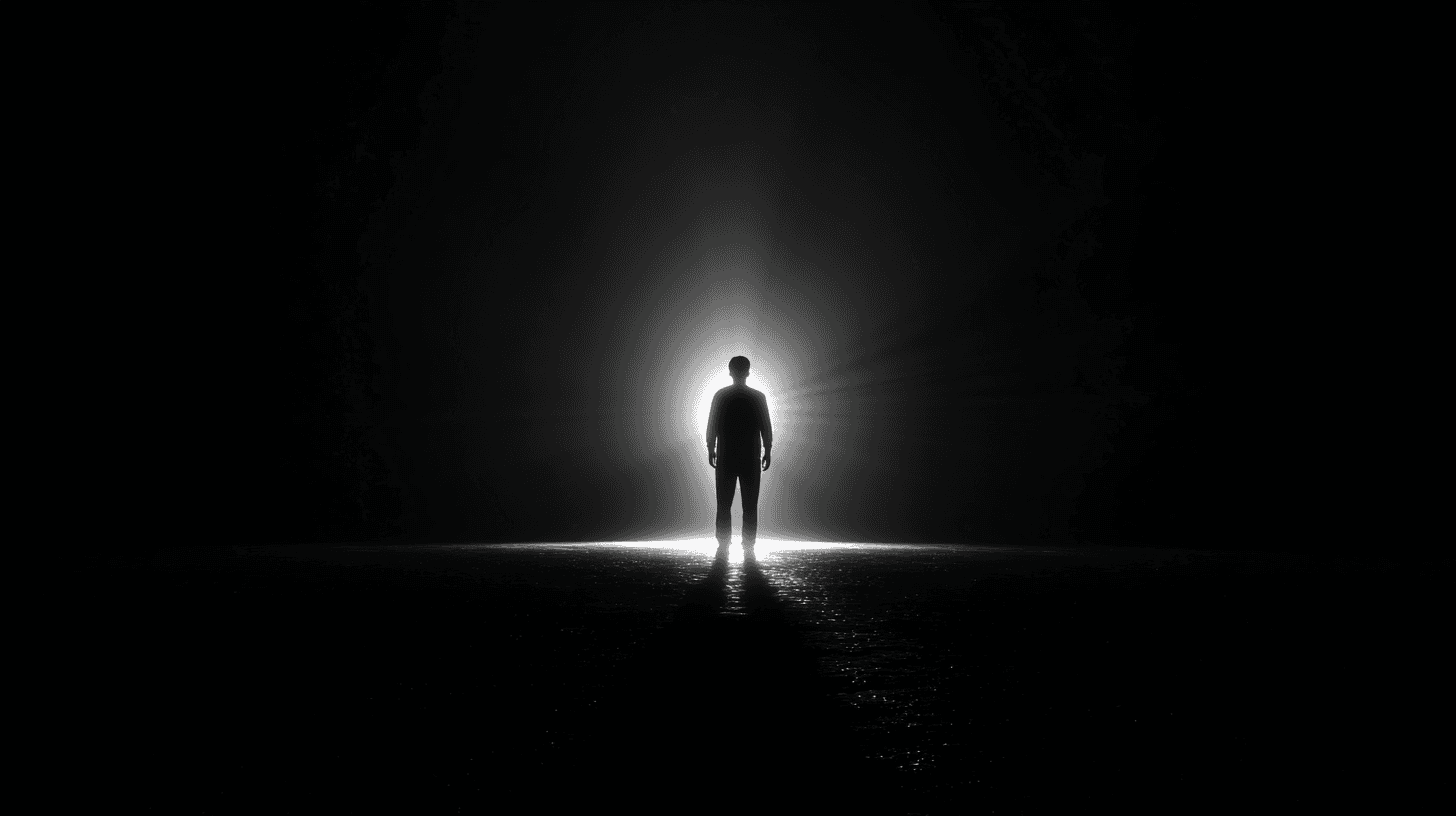
Rim Light is a lighting keyword that describes a bright edge of light around a subject. The light usually comes from behind or slightly behind the subject, catching the outline of hair, shoulders, products, glass, metal, or other edges. In AI image generation, Rim Light is useful when the subject blends into the background or when you want a more professional, cinematic result. It adds separation, depth, and polish. For beginners, Rim Light is a practical keyword because it solves a common problem: flat images where the subject does not stand out clearly.
Light Painting Technique
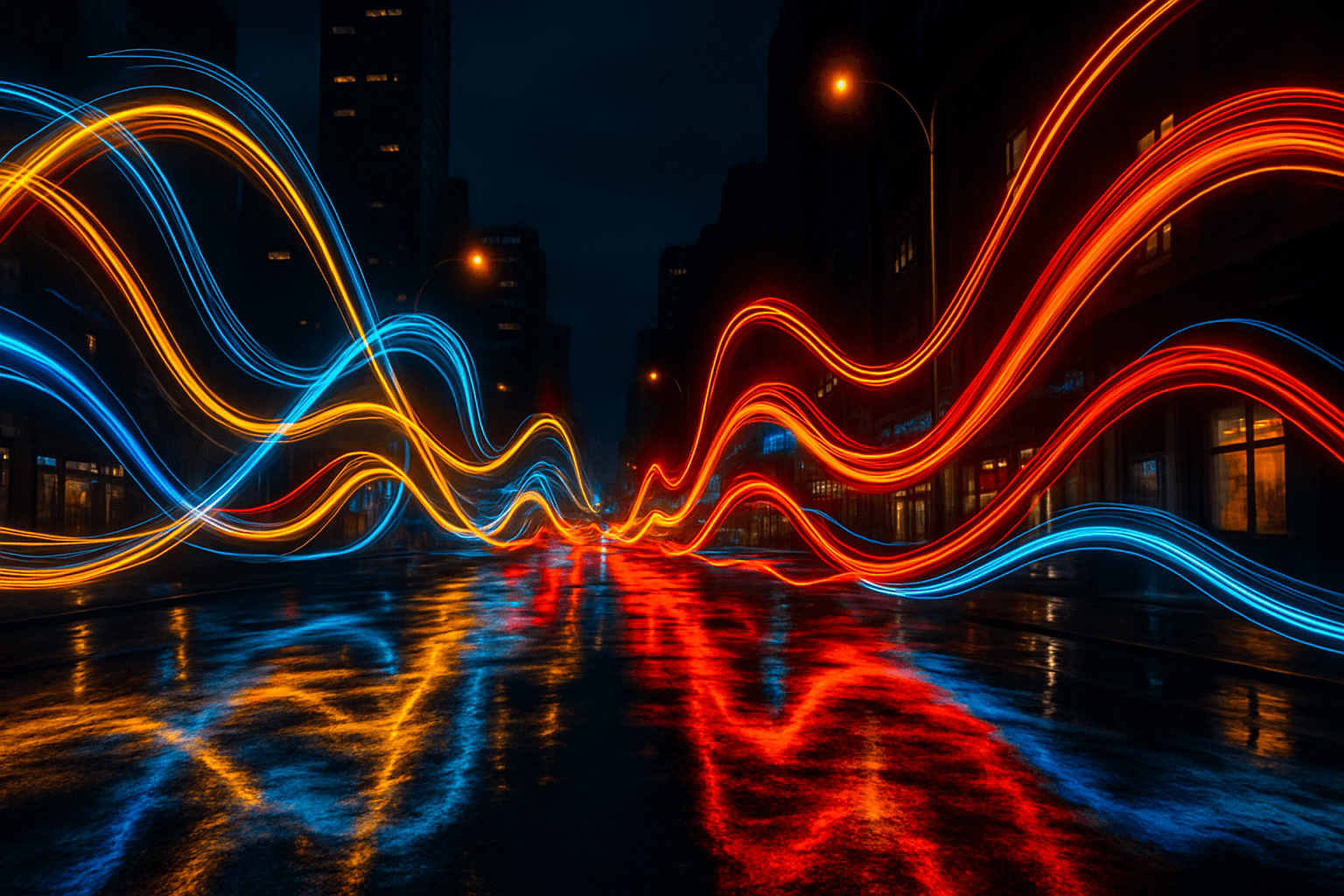
Light Painting Technique is a powerful keyword in AI image generation that mimics the real-world photographic method of painting with light during long exposures. By incorporating this keyword into prompts, users can evoke dramatic, ethereal lighting effects that add movement and vibrancy to images. This technique is particularly effective for creating dynamic scenes featuring motion, abstract light art, or futuristic aesthetics. Using the Light Painting Technique keyword enables creators to explore an innovative lighting style that transforms ordinary settings into visually captivating compositions with glowing and fluid light elements.
Low Key Lighting
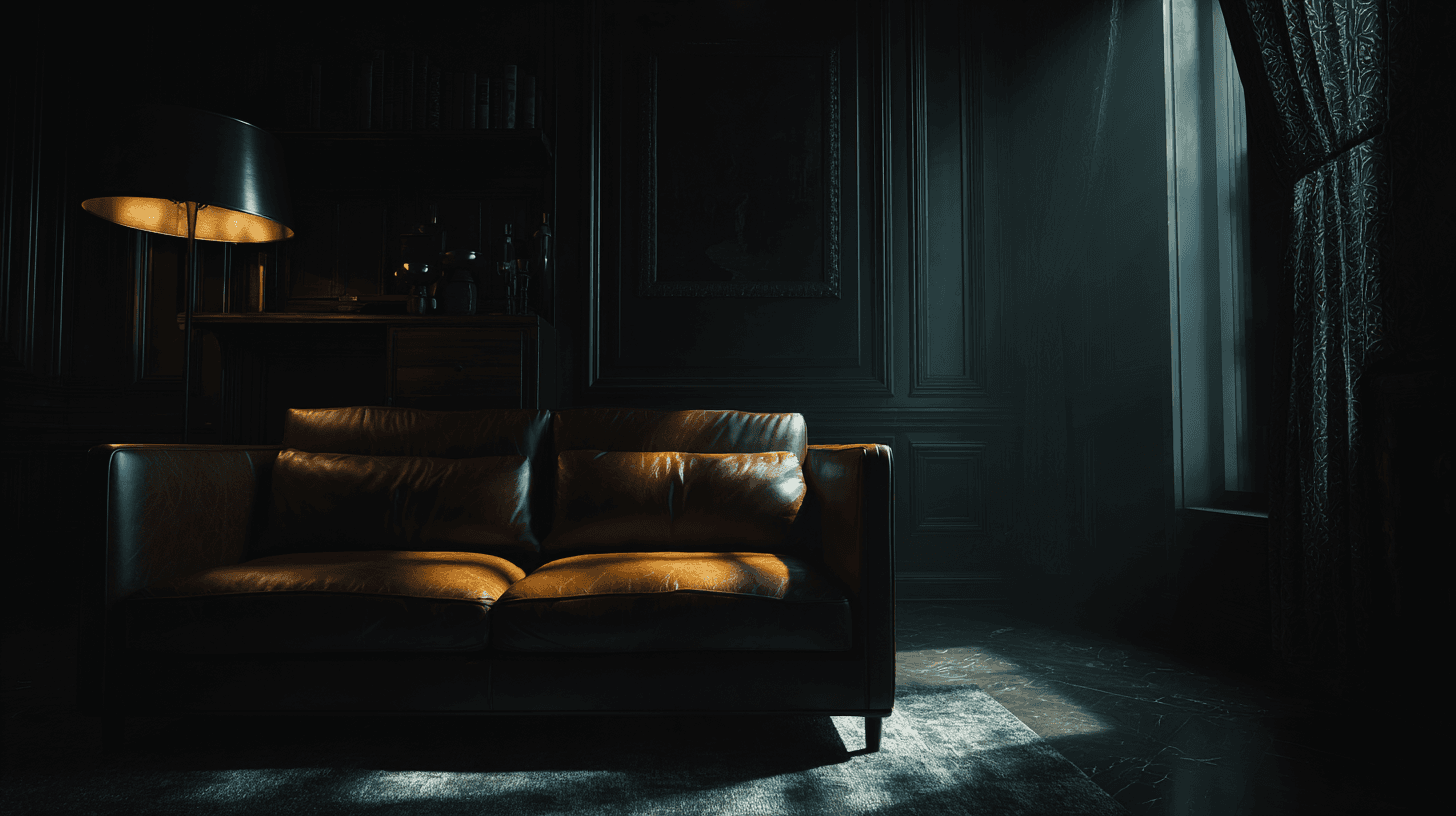
Low Key Lighting is a lighting style built around darkness, contrast, and selective illumination. In AI image prompts, it usually creates images with deep shadows, darker backgrounds, and a small amount of focused light on the subject. The result can feel dramatic, mysterious, premium, serious, or cinematic. Low Key Lighting is often used in luxury product photography, film posters, athletic portraits, music visuals, and editorial images. For beginners, it is a useful keyword when you want more mood and depth, but it needs a clear subject so the image does not become too dark to read.
Radiant Glow Effect
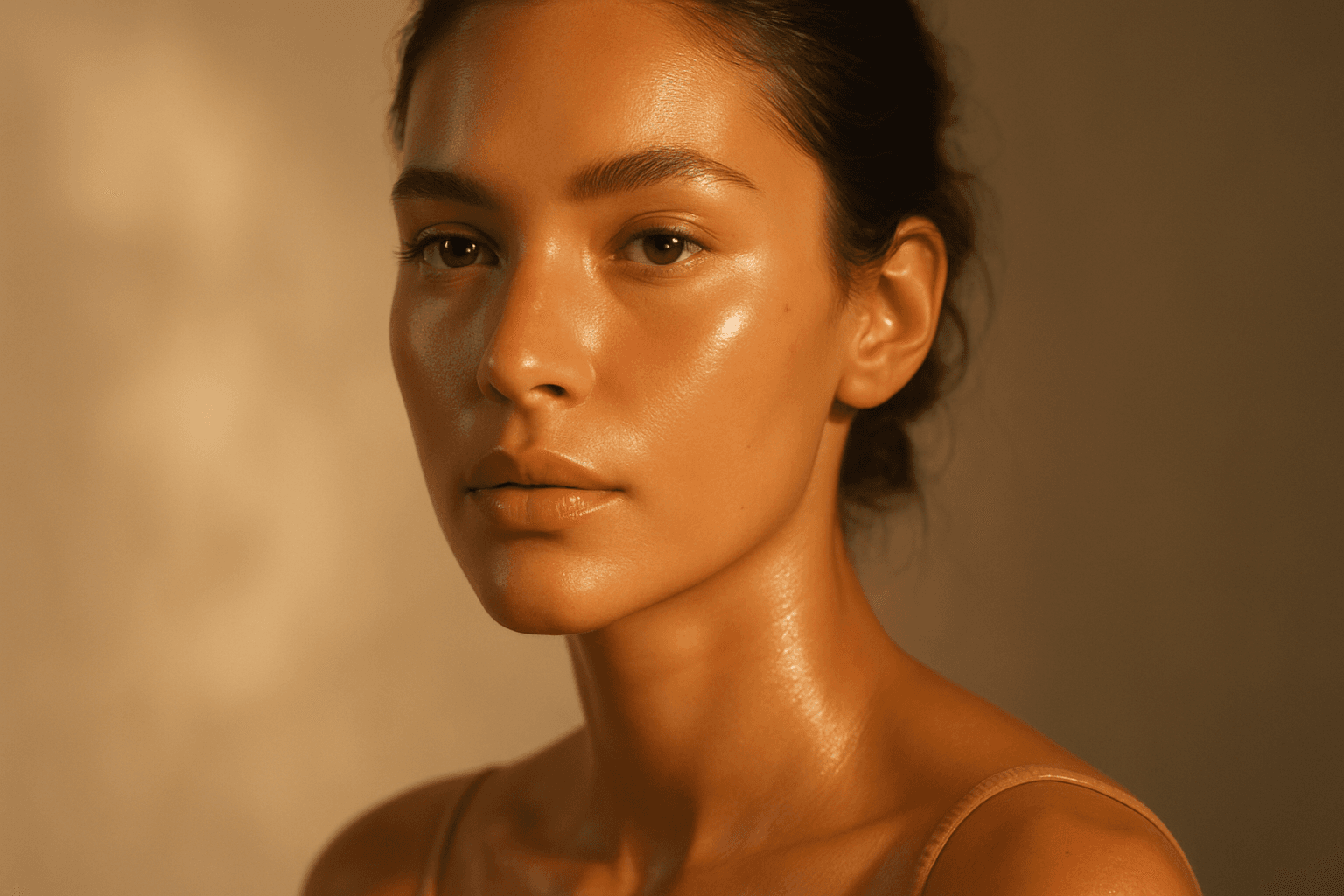
The Radiant Glow Effect is a popular keyword in AI-generated imagery for its ability to create captivating lighting that enhances the mood and realism of digital compositions. By incorporating this effect in prompts, users encourage the model to simulate light that softly radiates, producing a luminous aura around objects or environments. This effect can transform flat or dull scenes into vibrant, atmospheric visuals that feel warm and inviting. It is particularly valuable in scenes featuring candles, neon signs, sunsets, or magical elements where the glow enriches the overall narrative of the image. The effect works well complementing realistic materials and natural lighting setups, contributing to images that are both eye-catching and emotionally engaging.
Backlight
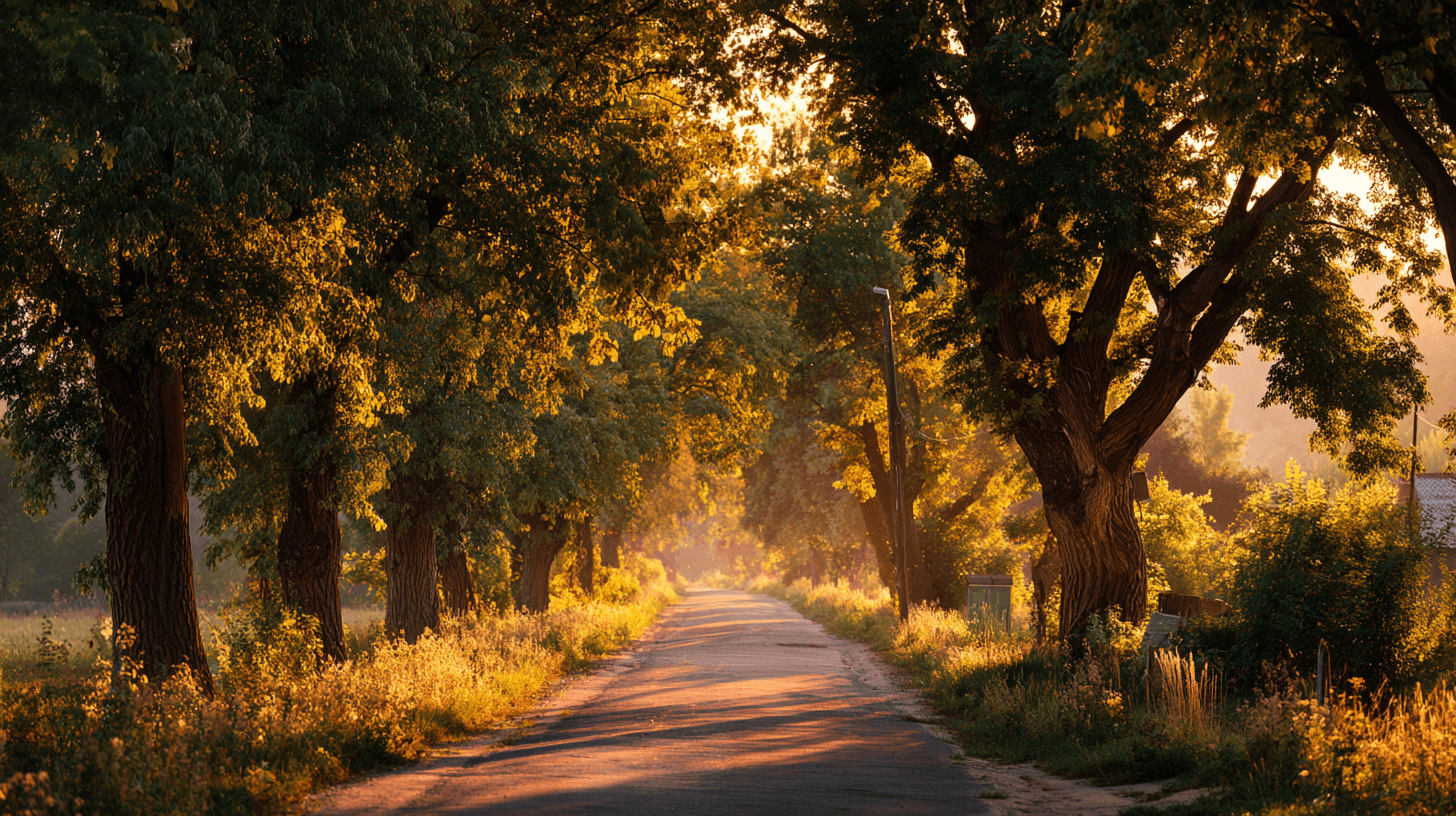
Backlight is a lighting direction where the main light source sits behind the subject, facing toward the camera. It can create glowing edges, silhouettes, translucent materials, and a strong sense of atmosphere. In AI image prompts, Backlight is useful when you want an image to feel warm, emotional, mysterious, or visually layered. It is common in outdoor lifestyle photography, travel imagery, nature scenes, music videos, and cinematic portraits. Beginners can use Backlight to make a simple scene feel more dramatic without needing complicated camera or lighting language.
Volumetric Lighting
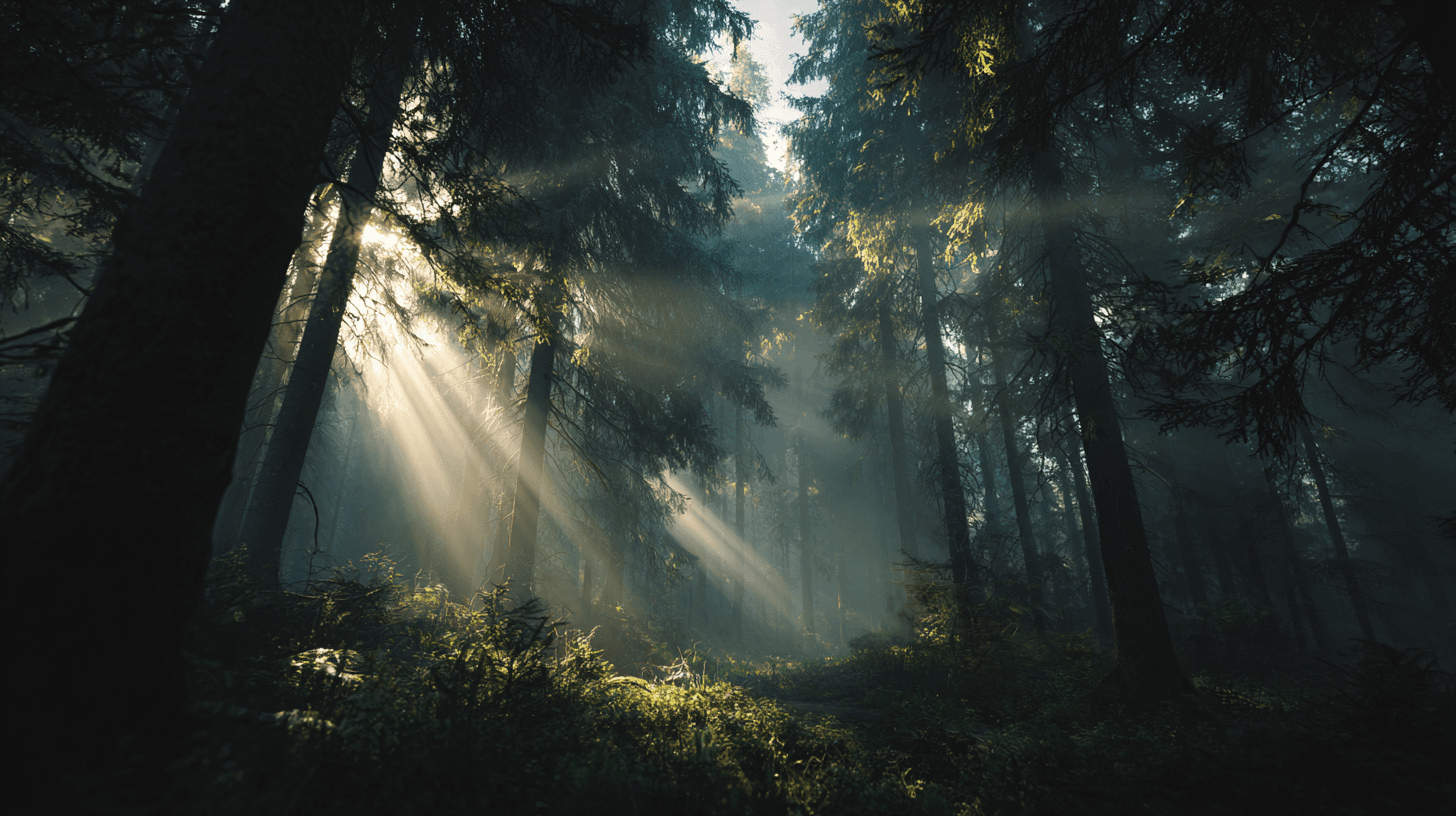
Volumetric Lighting describes visible beams of light traveling through particles in the air, such as mist, dust, smoke, fog, or atmospheric haze. In AI image generation, it is a powerful keyword for adding depth and drama. Instead of light simply landing on objects, the light itself becomes visible inside the scene. This can make an image feel cinematic, mysterious, sacred, futuristic, or magical depending on the setting. Beginners can use Volumetric Lighting when a prompt feels flat or lacks atmosphere. It is especially useful when you want the viewer to feel the scale of a space, the direction of the light, or the mood of an environment.