God Rays
God Rays are visible beams of sunlight or strong light streaming through clouds, trees, windows, fog, or dust. In AI prompts, they create a sense of awe, spirituality, scale, and atmosphere.

Definition
God Rays are visible beams of sunlight or strong light streaming through clouds, trees, windows, fog, or dust. In AI prompts, they create a sense of awe, spirituality, scale, and atmosphere.
Visual Characteristics
- Radiating beams of light with visible direction and depth.
- Works best when haze, mist, dust, clouds, or forest canopy make the light visible.
- Often creates inspirational, mystical, cinematic, or nature-focused imagery.
Best Use Cases
- Forests, mountains, cathedrals, temples, fantasy scenes, and dramatic landscapes.
- Inspirational posters, book covers, spiritual visuals, and travel imagery.
- Backgrounds where light direction needs to guide the viewer toward a focal point.
Prompt Examples
- A misty forest path at sunrise, god rays through tall trees, atmospheric haze, cinematic nature photography, peaceful mood.
- An ancient cathedral interior, god rays through stained glass, dust particles, quiet spiritual atmosphere.
- A mountain valley after rain, dramatic clouds, god rays, wide angle travel photography, epic scale.
Adobe Stock Potential
God Rays have strong stock potential for inspirational, spiritual, nature, travel, and fantasy themes. Avoid making the rays too artificial; buyers usually prefer believable atmosphere and a clear subject or usable copy space.
FAQ
Are god rays the same as volumetric lighting?
They are related. God Rays are a specific visible beam effect, while volumetric lighting is the broader technique of seeing light through particles.
What should I pair with god rays?
Atmospheric haze, mist, forest canopy, clouds, cathedral windows, or sunrise lighting.
Continue Exploring
Related Prompts
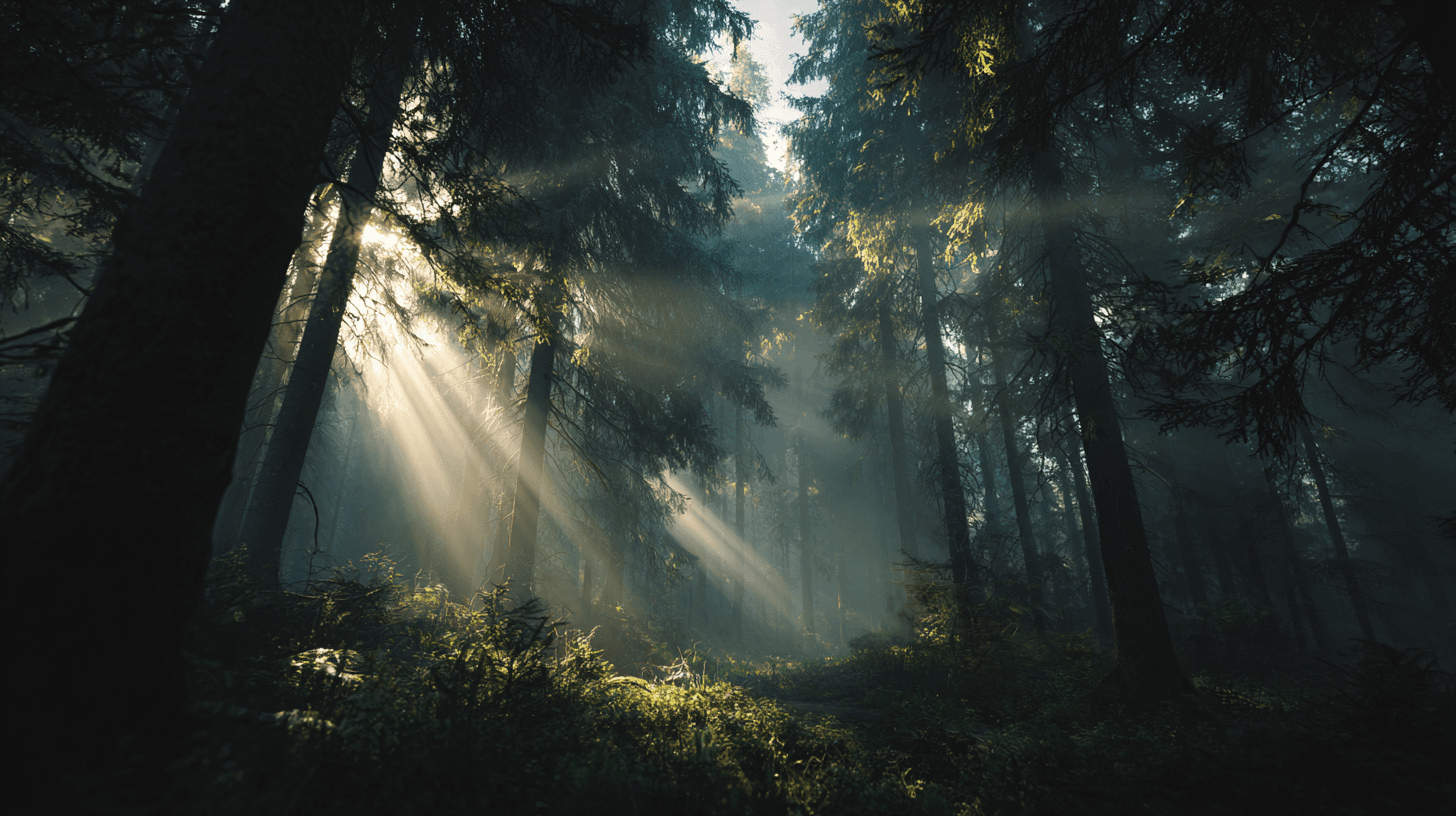
Volumetric Lighting
Volumetric Lighting describes visible beams of light traveling through particles in the air, such as mist, dust, smoke, fog, or atmospheric haze. In AI image generation, it is a powerful keyword for adding depth and drama. Instead of light simply landing on objects, the light itself becomes visible inside the scene. This can make an image feel cinematic, mysterious, sacred, futuristic, or magical depending on the setting. Beginners can use Volumetric Lighting when a prompt feels flat or lacks atmosphere. It is especially useful when you want the viewer to feel the scale of a space, the direction of the light, or the mood of an environment.
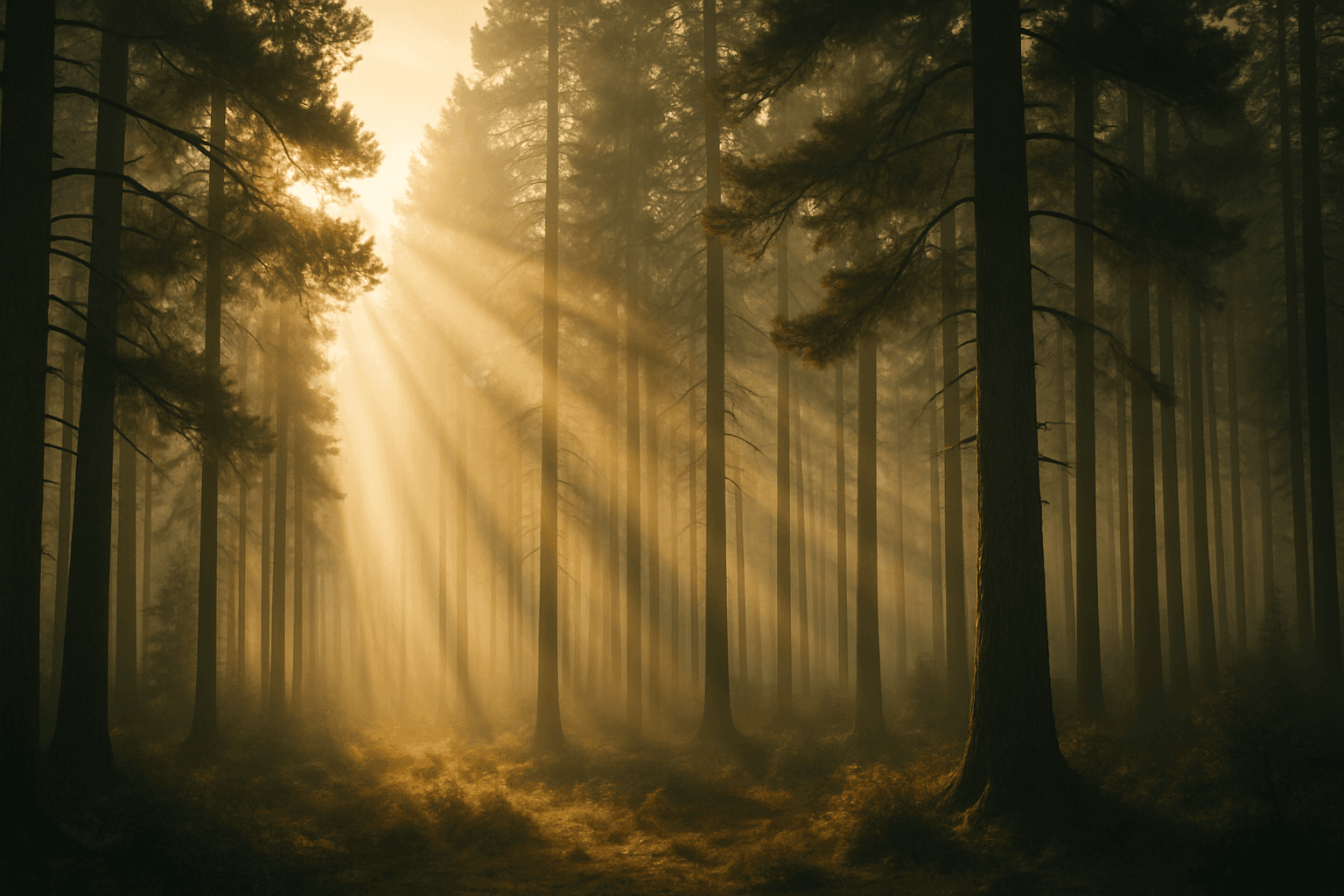
Volumetric Light Rays
Volumetric light rays serve as a compelling lighting effect in AI-generated images, offering a sense of realism and spatial depth by mimicking how light interacts with particles in the air. Incorporating this keyword in prompts helps create scenes lit through fog, dust, or haze where beams of light are visible, producing cinematic or ethereal atmospheres. Common in landscape photography, interiors with windows, and dramatic portraits, volumetric light rays enhance storytelling by emphasizing ambient conditions or time of day. This effect can elevate compositions by adding subtle guiding lines that direct viewers’ attention and foster a mood of mystery, tranquility, or awe.
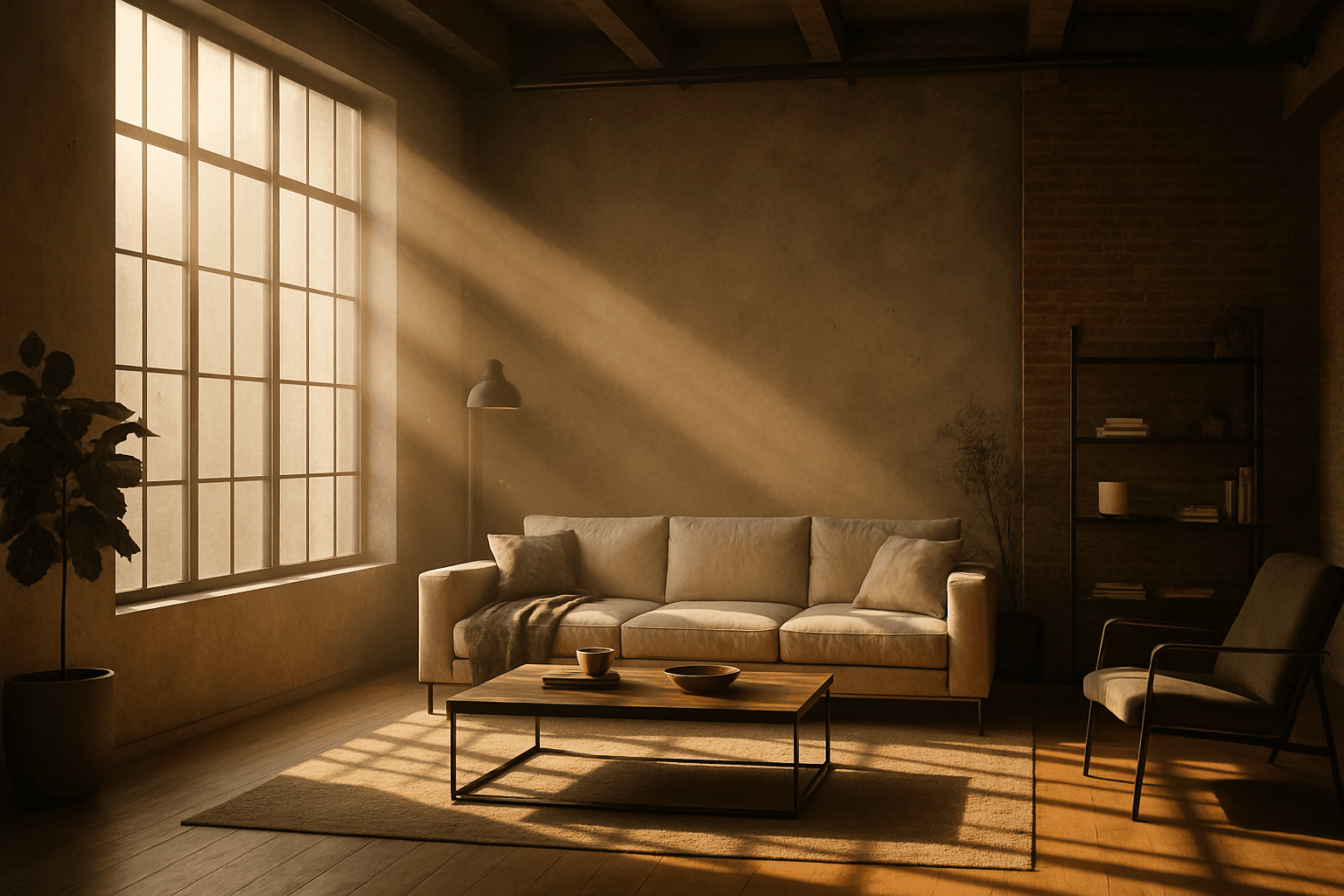
Volumetric Light Effects
Volumetric light effects bring a tangible sense of atmosphere and depth to images by mimicking how light interacts with particles in the air. When used in AI-generated visuals, these effects help establish mood, highlight focal points, and add realism by showcasing how light rays disperse through fog, smoke, or dust. This technique is commonly seen in cinematic scenes, landscape photography, and architectural renderings to give a premium, immersive quality. Adding volumetric lighting prompts to your AI commands can dramatically transform flat or static compositions into vivid, textured visuals with a professional polish.
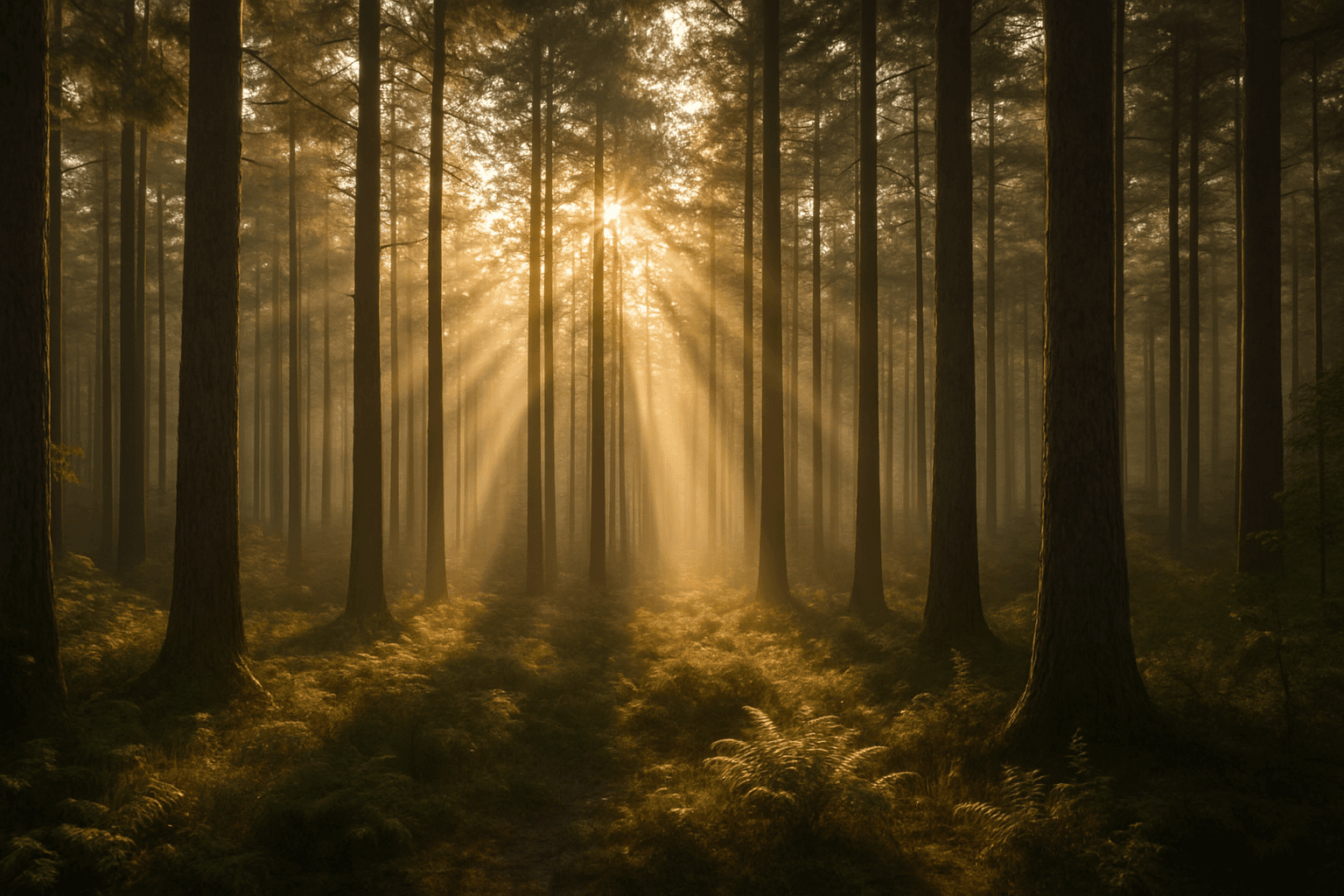
Volumetric Light Beams
Volumetric Light Beams dramatically influence the mood and spatial perception of AI-generated images by simulating the way light interacts with airborne particles. When incorporated into prompts, these beams create distinct shafts of light that visually extend from a source, adding realistic highlights and shadows to compositions. This effect is widely used in photography and cinematic visuals to evoke feelings of mystery, warmth, or ethereal beauty. In AI art generation, it helps transform flat lighting into immersive three-dimensional ambiance, emphasizing light direction and environmental presence.
Backlight
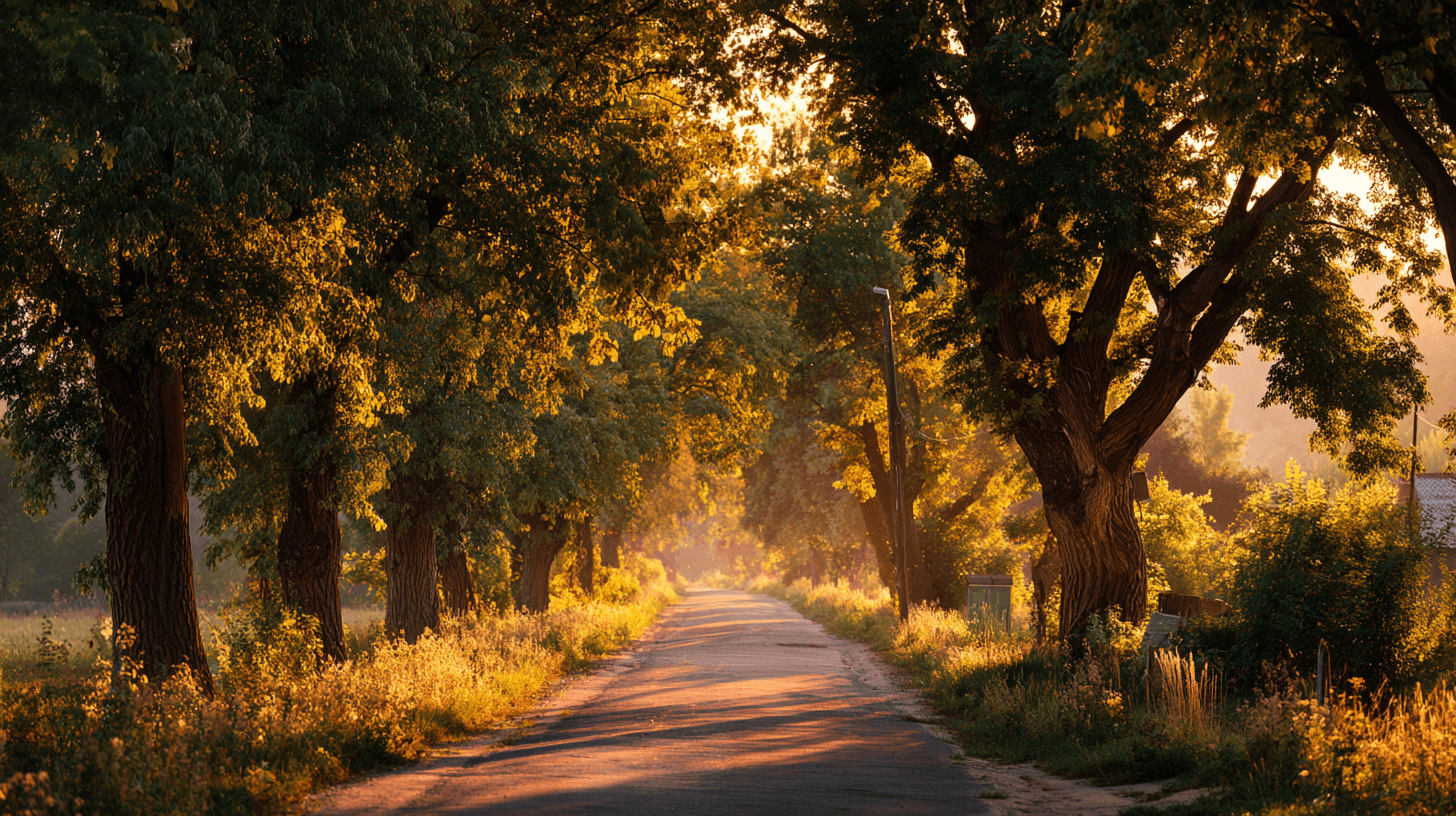
Backlight is a lighting direction where the main light source sits behind the subject, facing toward the camera. It can create glowing edges, silhouettes, translucent materials, and a strong sense of atmosphere. In AI image prompts, Backlight is useful when you want an image to feel warm, emotional, mysterious, or visually layered. It is common in outdoor lifestyle photography, travel imagery, nature scenes, music videos, and cinematic portraits. Beginners can use Backlight to make a simple scene feel more dramatic without needing complicated camera or lighting language.
Cinematic Lighting
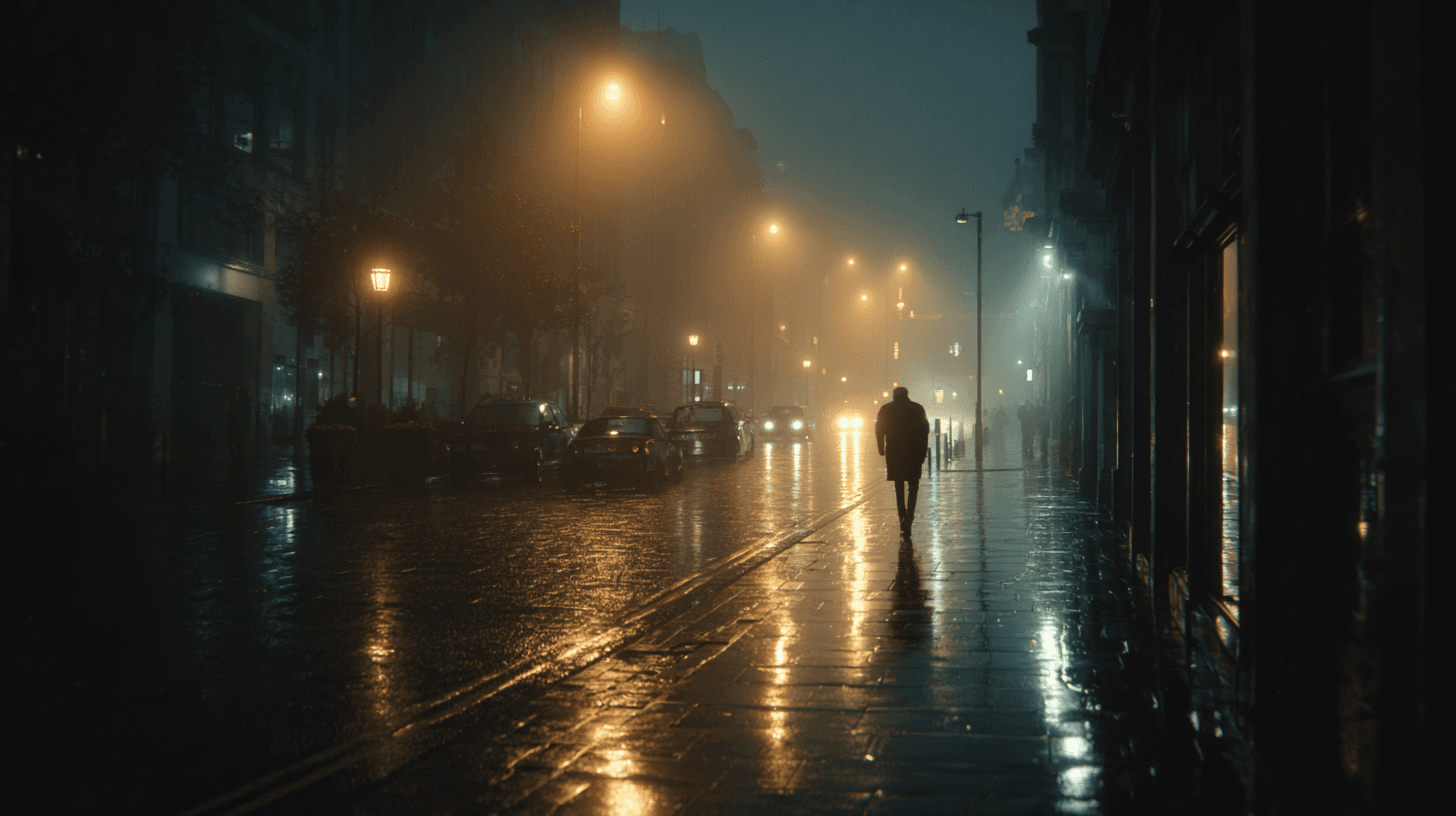
Cinematic Lighting is one of the most useful prompt keywords for making AI-generated images feel intentional, polished, and story-driven. Instead of asking for a flat, evenly lit image, this keyword signals that the scene should feel as if it was lit for a film, commercial, or high-end editorial shoot. The result often includes stronger direction in the light source, more purposeful shadows, richer contrast, and a clearer sense of atmosphere. For beginners, it is a reliable way to move an image away from a generic render and toward something that feels composed, dramatic, and visually memorable.