Golden Spiral Composition
The Golden Spiral Composition uses a mathematical spiral to arrange visual elements harmoniously. Rooted in the Fibonacci sequence, it directs the viewer’s gaze fluidly through the image, emphasizing a natural progression from less to more important areas. In AI image generation, including this term helps the model prioritize spatial arrangement, creating aesthetically pleasing, balanced images ideal for editorial, advertising, and fine art contexts. This composition style enhances storytelling and focus, making images feel more organic and engaging.

Definition
Golden Spiral Composition is a design technique that uses a logarithmic spiral derived from the Fibonacci sequence to arrange elements within an image. This spiral guides a viewer's eye through the composition in a natural and aesthetically pleasing way. For AI image prompts, including 'golden spiral composition' signals the generation model to spatially organize visual components along this spiral path, enhancing harmony and focus within the image.
Prompt Formula
Use descriptive phrases combined with the golden spiral to direct visual arrangement clearly. Examples: - "subject placed following golden spiral composition" - "elements arranged along a soft golden spiral" - "balanced layout with golden spiral flow" Include lighting and material details to complement composition.
- [Subject] placed along a golden spiral composition
- Elements arranged with golden spiral visual flow
- Balanced and harmonious image structured by golden spiral
Best Use Cases
- Editorial photography requiring natural eye movement
- Product shows highlighting features with guided focus
- Artistic compositions emphasizing balance and flow
Industry Applications
Golden Spiral Composition finds strong utility in various commercial fields that prioritize visual harmony. Advertising makes use of it to direct consumer attention effectively. Editorial design leverages it to enhance storytelling through images. Ecommerce benefits from it by guiding viewers to key product features, increasing engagement and conversions.
- Advertising campaigns with dynamic yet natural focal points
- Magazine and editorial layouts emphasizing flow and harmony
- Ecommerce visuals focused on directing buyer attention
Common Mistakes
Prompts can sometimes misuse golden spiral by placing unrelated subjects loosely along the spiral without clear visual flow, creating confusion. Overcrowding elements or ignoring lighting can muddy the image’s impact. To avoid this, clearly define subject placement, maintain balanced element spacing, and use lighting that enhances the spiral’s natural guide path.
- Avoid placing too many unrelated elements along the spiral
- Prevent clutter that breaks natural eye flow
- Use complementary lighting to support spiral guidance
Advanced Techniques
Experienced prompt writers refine golden spiral compositions by combining them with focal lighting cues, depth of field control, and material contrasts. Constraints like 'sharp focus on spiral’s center' or 'soft vignette guiding eye into spiral' enhance the effect. Layering related compositional rules like Rule of Thirds can create more dynamic yet balanced images.
- Combine golden spiral with selective focus on spiral center
- Use lighting gradients that enhance spiral flow
- Integrate complementary compositions like Rule of Thirds for depth
Professional Workflow
Start by defining the subject and key focal points, then incorporate ’golden spiral composition’ into the AI prompt to guide layout. Generate multiple images and evaluate based on spiral clarity and visual flow. Select images with balanced element arrangement and retouch if needed to refine lighting or contrast. Repeat iterations focusing on maintaining natural, effortless visual progression.
- Brief clear subject and focal points
- Include golden spiral in prompt for layout guidance
- Generate multiple variations for selection
- Refine chosen image for lighting and balance
FAQ
How does golden spiral composition improve AI-generated images?
It organizes visual elements in a natural spiral path, enhancing flow and viewer focus, resulting in balanced and harmonious images.
Can I combine golden spiral with other composition rules in prompts?
Yes, blending golden spiral with techniques like Rule of Thirds or leading lines can create more dynamic and visually appealing images.
Continue Exploring
Related Prompts

Balanced Triangular Composition
Balanced Triangular Composition is a classic layout technique that organizes main components into a triangular arrangement, fostering a sense of equilibrium and visual interest. When used in AI image prompting, it directs the model to position subjects or objects at three points, creating a natural flow and structure that viewers find pleasing. This composition leverages geometric balance to enhance storytelling or highlight product details, making images appear intentional and professionally crafted. Its balanced yet dynamic nature helps prevent clutter while maintaining engagement, ideal for diverse creative outputs.
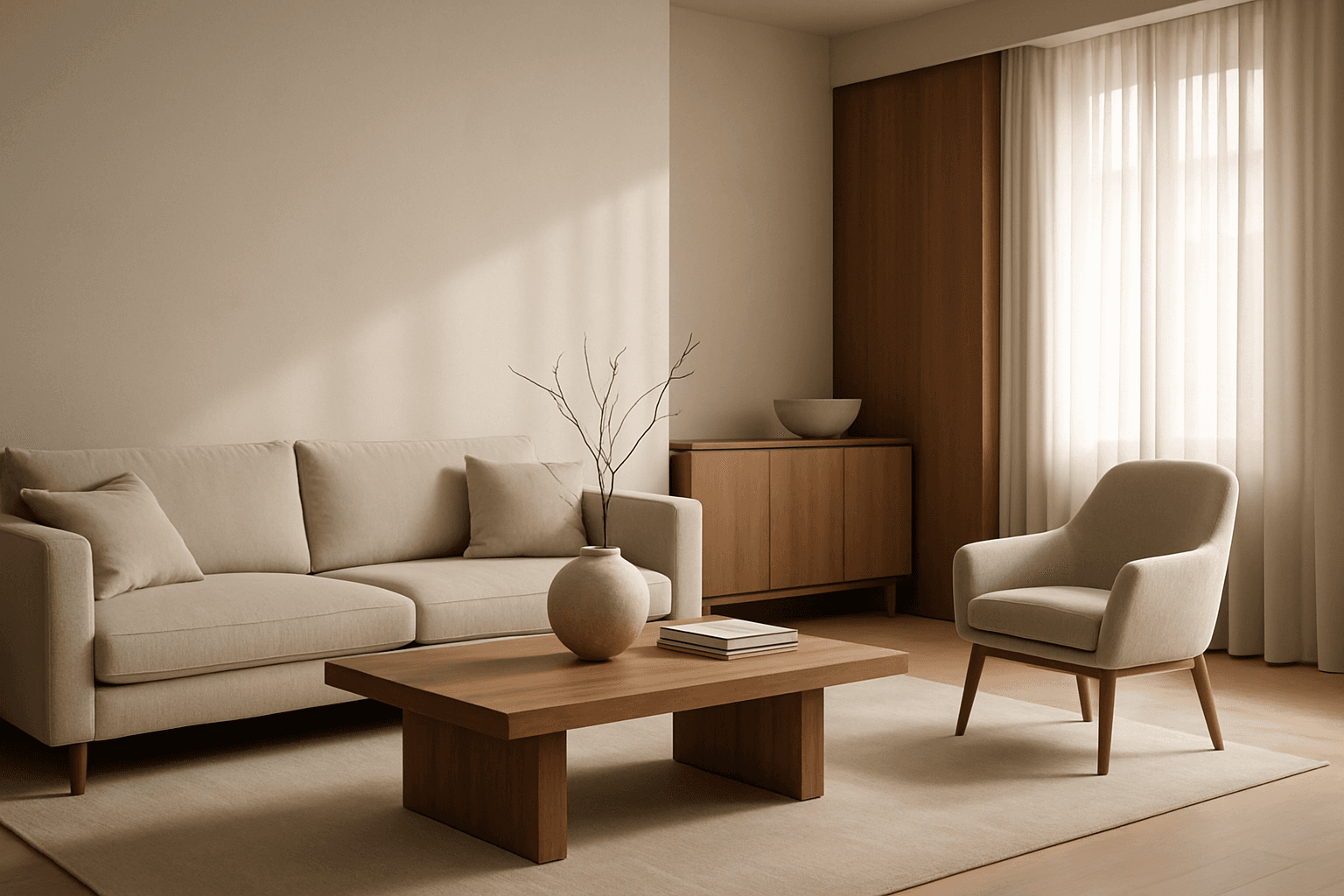
Golden Ratio Composition
Golden Ratio Composition is a classic design technique adapted into AI image creation to improve the balance and flow of visual elements. Utilizing this composition brings a natural harmony to images, often perceived as more beautiful and engaging due to the ratio's deep-rooted presence in nature and classical art. When incorporated into AI prompts, it instructs the model to place key subjects and backgrounds following this mathematical layout, enhancing the viewer's focus and emotional impact. This method benefits various AI-generated artwork genres, from landscapes to product photography, by improving framing without manual adjustments.

Golden Triangle Composition
Golden Triangle Composition is an artistic technique that divides an image space into four triangles using a diagonal line from one corner to the opposite, then adding two lines from the other corners intersecting this diagonal. This composition guides where important elements should be placed, encouraging a dynamic asymmetry that still feels balanced and natural. When used in AI image generation, specifying Golden Triangle Composition helps produce images where subjects and focal points are arranged according to these diagonals, making scenes visually interesting and engaging, avoiding static or centered layouts. This composition is favored in photography, painting, and design for its ability to create harmonious and dynamic visuals that maintain viewer interest.

Diagonal Flow Composition
Diagonal Flow Composition elevates imagery by breaking away from static, horizontal, or vertical layouts. It leverages diagonal lines across the frame to create tension, balance, and dynamism, drawing the viewer's attention naturally through the scene. For AI-generated images, specifying diagonal flow helps emphasize visual pathways that suggest movement or lead the gaze, making compositions feel more alive and engaging. This technique is widely used in photography, graphic design, and cinematography to evoke energy and make visuals more striking.
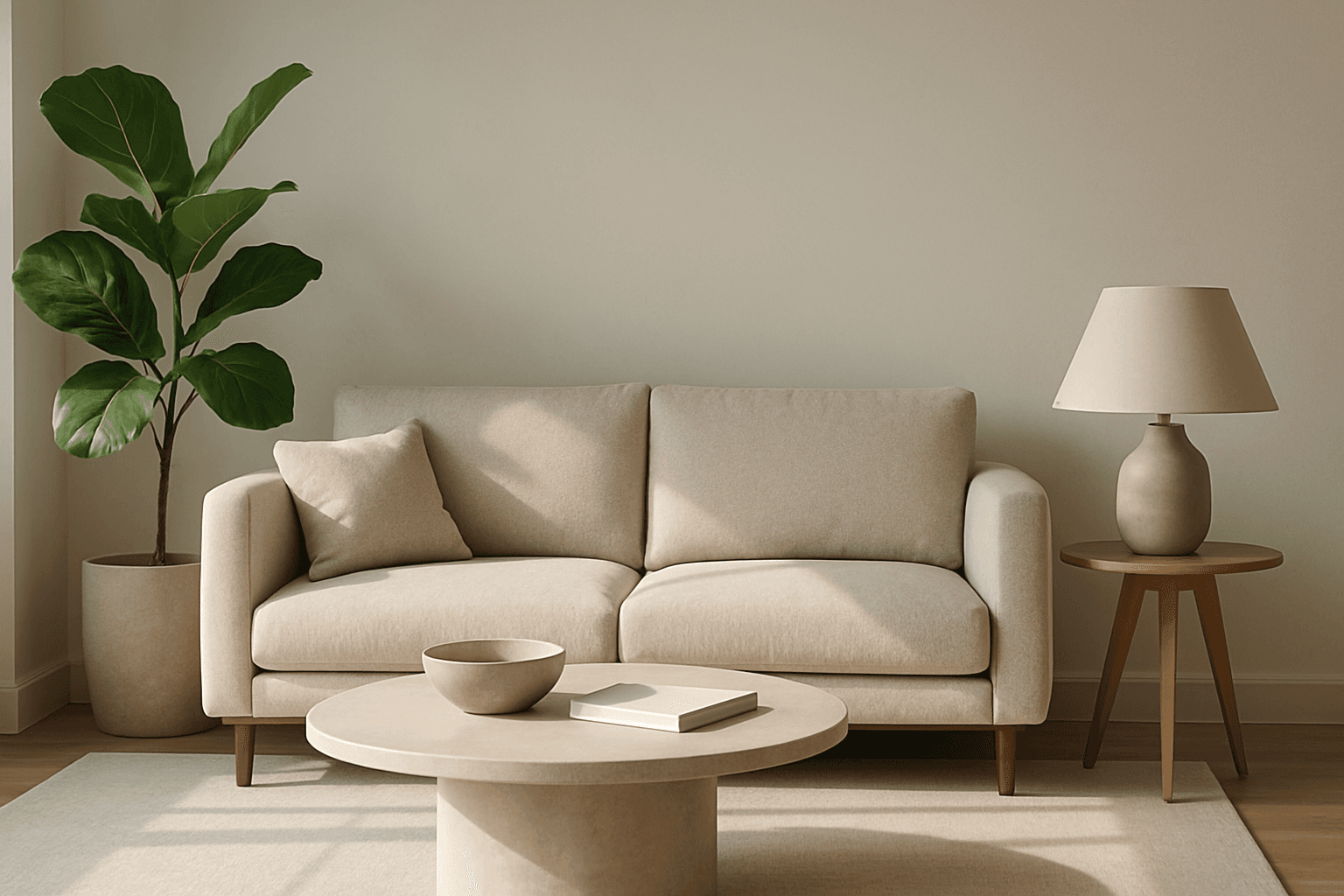
Golden Ratio Layout
The Golden Ratio Layout is a timeless compositional principle found in nature, art, and design, used to establish visually harmonious and aesthetically compelling images. Applying this concept to AI image generation helps create compositions where the subject placement and background elements follow the golden section, improving viewer engagement and creating a sense of balance and flow. This layout is especially favored in editorial photography, branding visuals, and architectural renders to evoke sophistication and natural beauty. By including the Golden Ratio Layout keyword in your prompts, you encourage AI models to prioritize this balanced and elegant arrangement, enhancing the professional quality of outputs.

Rule Of Thirds Composition
The Rule of Thirds Composition is widely used in photography, design, and art to create engaging and balanced visuals. By mentally dividing images into thirds horizontally and vertically, this approach directs both human observers and AI models to position important subjects where the eye naturally gravitates. Incorporating this rule into AI prompts helps produce images that feel organized and pleasing without appearing overly static. It works well across portrait, landscape, and product imagery, guiding the AI to arrange elements thoughtfully for maximum impact.