Product Catalog Layout
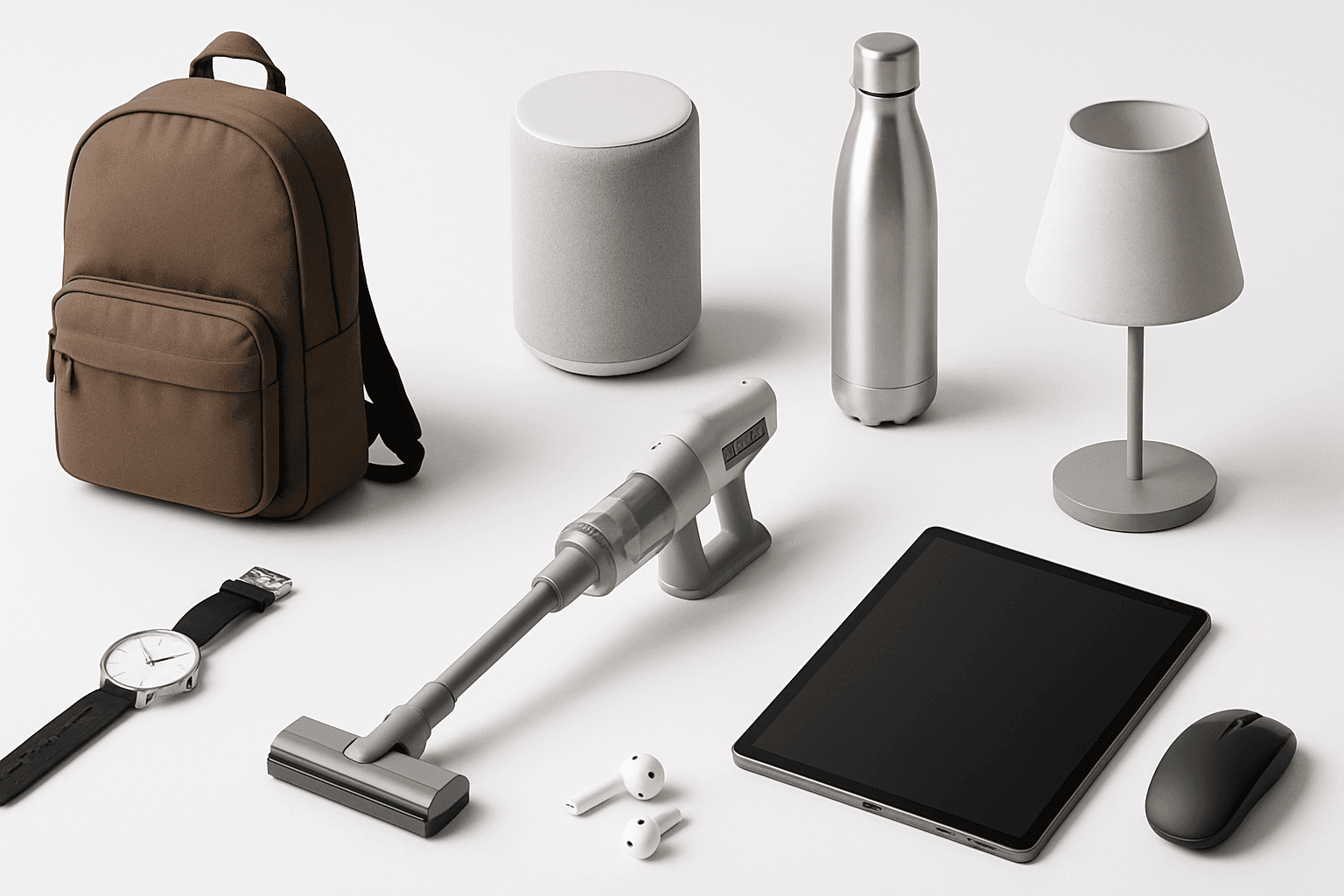
Product Catalog Layout is an essential keyword for generating AI images that mimic the professional and polished style of commercial product catalogs. This approach ensures images have a well-organized display, typically using grids or segmented sections that highlight each product distinctly. The style favors minimalistic and modern editorial design with premium stock image qualities like refined lighting and realistic textures. By incorporating this into prompts, creators can produce visuals suitable for ecommerce listings, print brochures, and web catalogs where clarity and premium presentation are paramount, making it a versatile asset for marketing and sales-oriented projects.
Definition
A Product Catalog Layout is a structured visual format highlighting products in a neat, organized manner that resembles professional commerce catalogs. When included in AI image prompts, it directs the model to create images with clean, grid-based compositions featuring realistic product details, natural lighting, and no textual or branding elements. This helps generate images fit for sales and marketing needs, emphasizing clarity and polish.
Prompt Formula
Use these prompt patterns to compose effective Product Catalog Layout images: - Start with 'Product Catalog Layout' to define the core structure. - Add descriptors like 'clean grid arrangement', 'minimalistic design', or 'modern editorial style'. - Specify lighting and material traits such as 'refined soft lighting', 'realistic textures', or 'subtle depth'. - Exclude text and branding by adding 'no text, no logos, no watermark'. - Finish with commercial tags like 'premium stock image' to enhance quality.
- Product Catalog Layout, clean grid arrangement, minimalistic design
- Refined soft lighting, realistic textures, subtle depth
- No text, no logos, no watermark
- Modern editorial style, premium stock image
Best Use Cases
- Ecommerce product hero images showcasing categories
- Printed brochures or catalogs for product marketing
- Online advertisements focusing on product clarity and appeal
Industry Applications
The Product Catalog Layout is widely used across several commercial industries. In ecommerce, it facilitates clear product listings that enhance buyer experience with visually appealing displays. Advertising agencies utilize it for print and digital brochures, ensuring consistent and sophisticated presentation of merchandise. Editorial content creators leverage this layout style to produce clean product spreads in magazines or online platforms, maintaining a premium look that aligns with brand aesthetics.
- Ecommerce platforms for product display
- Advertising agencies for marketing brochures
- Editorial publishing for product showcases
Common Mistakes
Common errors when prompting Product Catalog Layout include overloading the image with too many products which reduces clarity, including text or logos that clutter the composition, and requesting overly dramatic lighting that distracts from product details. Another frequent issue is vague styling instructions leading to generic or unrealistic outputs. To avoid this, keep prompts precise about layout cleanliness, lighting subtlety, and exclude non-visual elements to maintain a polished commercial look.
- Too many products causing cluttered images
- Including text, logos, or watermarks
- Overly dramatic or harsh lighting
- Vague styling resulting in unrealistic visuals
Advanced Techniques
For experienced prompt writers, combining Product Catalog Layout with thematic lighting effects like soft natural light or directional spotlighting can enhance realism. Applying constraints such as specifying ‘white seamless background’ or ‘matte vs. glossy product finishes’ directs material rendering fidelity. Layering this keyword with product-specific descriptors (e.g., 'electronics', 'fashion accessories') combined with style modifiers (e.g., 'high contrast', 'shallow depth of field') can produce nuanced catalog imagery tailored to niche markets.
- Combine with lighting modifiers: soft natural light, spotlights
- Specify background and material finish: white seamless, matte, glossy
- Add product-specific descriptors: electronics, fashion, beauty
- Incorporate style tweaks: high contrast, shallow depth of field
Professional Workflow
Start by defining clear briefing goals highlighting product types and intended commercial use. Construct prompts using the Product Catalog Layout formula to ensure precise layout and style instructions. Generate multiple variations to explore composition options. Select images that best meet clarity, realism, and aesthetic standards. Refine chosen outputs with minor edits or upscale as needed. Finally, validate images against client or platform guidelines to ensure suitability for stock or commercial marketing use.
- Define product and usage requirements
- Craft prompts incorporating Product Catalog Layout
- Generate multiple image variations
- Select and refine best outputs
- Confirm compliance with commercial standards
Related Styles
The Product Catalog Layout aligns closely with styles such as Modern Editorial Style, highlighting clean and sophisticated design principles. It complements Ecommerce Product Display visuals focusing on commercial clarity. Additionally, Commercial Product Photography shares adjacent visual goals, emphasizing realistic presentation and lighting. These interrelated styles enrich prompt options for creators seeking diverse but consistent product imaging aesthetics.
- Modern Editorial Style
- Ecommerce Product Display
- Commercial Product Photography
FAQ
What does 'Product Catalog Layout' mean in AI image prompts?
It directs AI to create images with organized, clean arrangements of products, resembling professional commerce catalogs, emphasizing clarity, lighting, and realism without added text or logos.
How can I avoid clutter in product catalog images generated by AI?
Limit the number of products, specify grid or modular layouts, and mention 'clean' or 'minimalistic' designs in your prompt to maintain clear and organized visuals.
Continue Exploring
Related Prompts

E-Commerce Product Layout
The E-Commerce Product Layout keyword is essential for creating AI-generated images that mimic professional online retail displays. These images typically feature clean, minimalistic compositions that put the product front and center, using subtle depth and natural lighting to showcase textures and materials. Such layouts avoid clutter, watermarks, or text, ensuring the product's appeal is maximized for commercial applications such as digital catalogs, social media ads, and website hero images. The modern editorial style aligns with premium stock imagery, offering versatility and polish across various e-commerce platforms.

Product Showcase Setup
A Product Showcase Setup keyword guides AI image generation to create scenes where products are displayed in a controlled, studio-like environment. It ensures images resemble professional commercial photography, focusing on clean editorial compositions with premium polish and refined lighting. This setup avoids clutter and distractions, emphasizing realistic materials and subtle depth. The keyword is essential for producing images suitable for article hero sections, thumbnails, and commercial catalogs, delivering a consistent modern aesthetic without text, logos, or watermarks.

Print Advertisement Layout
Print Advertisement Layout is foundational in creating compelling commercial visuals optimized for print media. These layouts emphasize structured design that balances images and text areas, achieving clarity and visual appeal to capture viewer attention effectively. In AI-generated imagery, integrating this keyword encourages clean editorial compositions with refined lighting and realistic materials, avoiding clutter or distracting elements. By focusing on such layouts, designers and marketers ensure their ads deliver messages efficiently across magazines, brochures, and other printed marketing materials, fostering brand engagement and recognition.

Product Photography Guidelines
Product Photography Guidelines serve as a foundational element when crafting AI prompts for commercial product images. They guide the AI to replicate classic photographic techniques—such as clean compositions, premium lighting setups, and subtle depth of field—to emphasize the product as the main subject. These guidelines help avoid clutter and ensure materials look realistic, which is crucial for marketing, ecommerce, and editorial photography. Applying these principles in prompts results in images that look polished and professional, suitable for high-end stock image platforms and advertising campaigns.

Book Cover Layout
The Book Cover Layout keyword is essential for generating AI images tailored to book cover design, emphasizing aesthetic balance and editorial clarity. It enables creators and designers to visualize potential cover concepts that appeal to publishers and readers alike, incorporating premium visuals without text or distractions. This keyword enhances image quality by directing attention to the spatial relationship between cover elements, such as title areas, central themes, and background textures, framed with refined lighting effects. It supports the creation of versatile designs suitable for various genres and professional commercial uses, streamlining the creative process in digital publishing and marketing.
E-Commerce Banner Layout
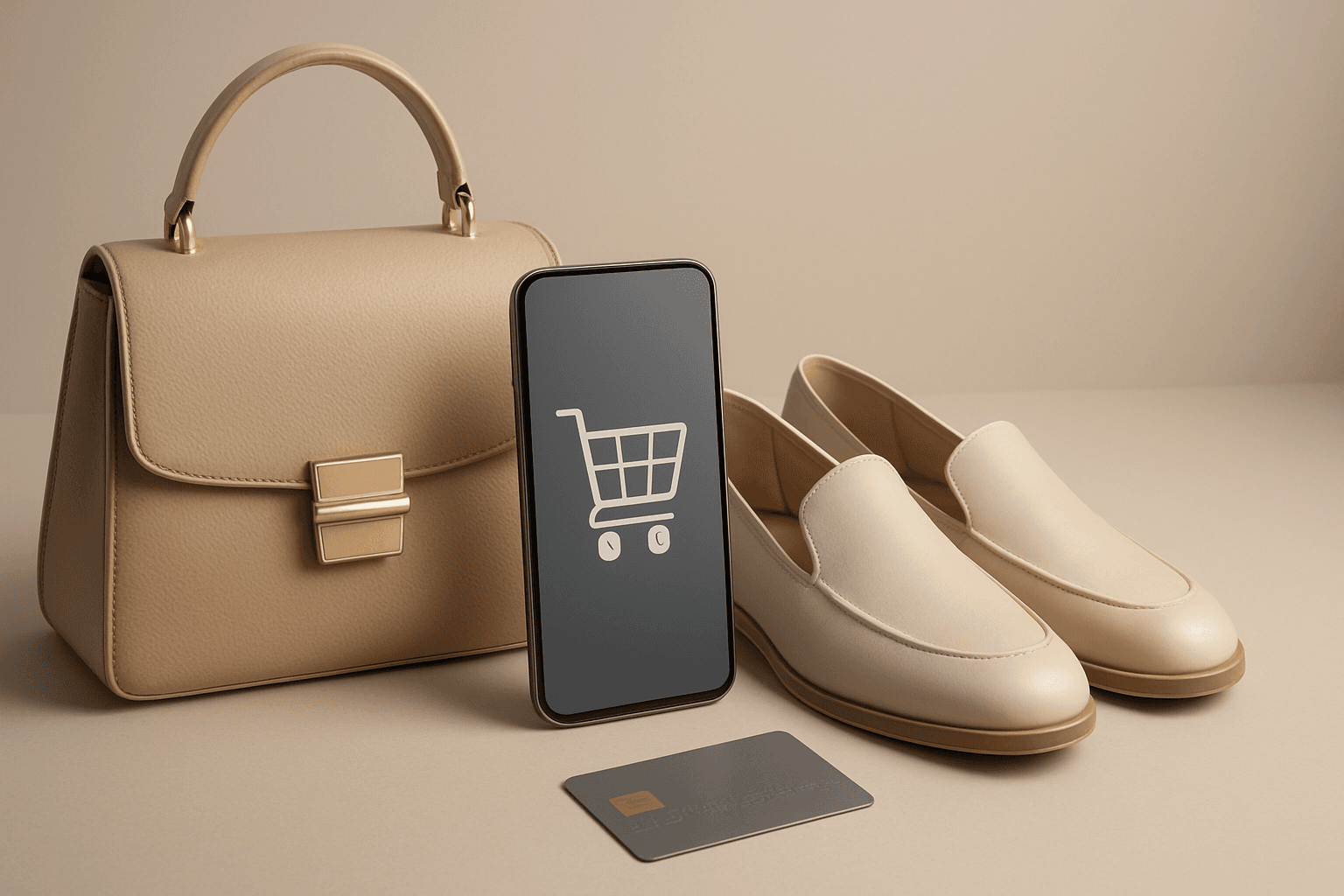
E-Commerce Banner Layout is a vital keyword in AI image generation that helps create visually engaging banners tailored for online retail environments. These layouts emphasize product visibility, aesthetic harmony, and balanced negative space to facilitate adding promotional text or calls to action later. By incorporating this keyword, AI models generate images with a refined commercial style resembling professional stock banners suitable for websites, social media ads, and newsletters. The focus is on clean editorial composition, premium polish, and subtle depth that enhances product appeal without overwhelming the viewer. Utilizing this layout keyword ensures images meet modern e-commerce design standards and help brands effectively present their merchandise in a digital-first marketplace.