Surreal Fantasy Scene
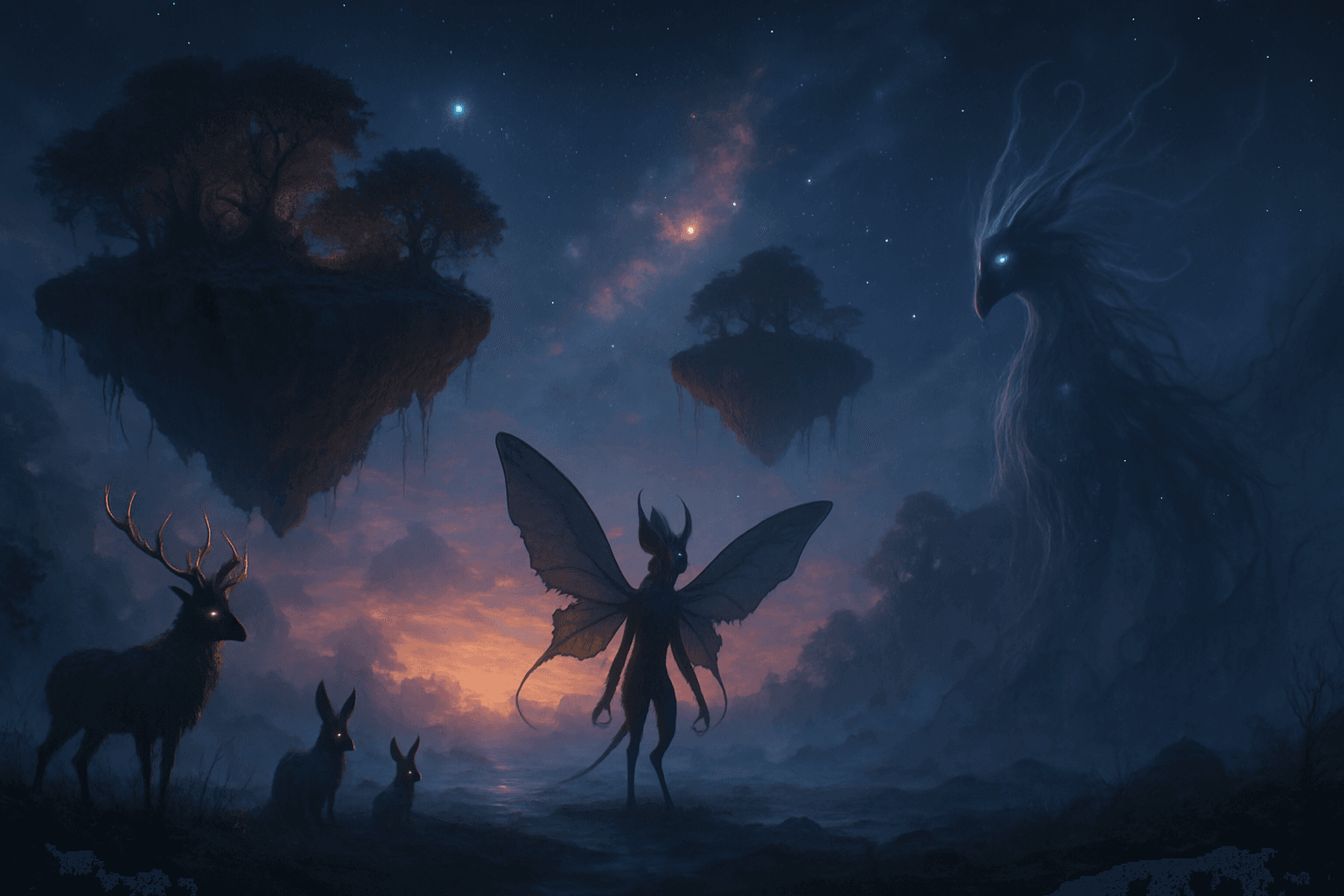
Surreal Fantasy Scene prompts transport viewers into imaginative worlds where reality bends and extraordinary elements coexist in harmony. These scenes often feature magical landscapes, ethereal lighting, and fantastical creatures that challenge the laws of physics and logic. Using surreal fantasy in AI art generation allows creators to explore abstract concepts, emotional depths, and symbolic imagery in visually compelling ways. This keyword helps steer models towards crafting otherworldly visuals that feel both mystical and thought-provoking, ideal for storytelling, game design, or artistic expression. The balance between fantasy and surrealism ensures a unique, memorable atmosphere, drawing audiences into a vividly creative experience.
Definition
A Surreal Fantasy Scene blends elements of fantasy and surrealism, creating dreamlike worlds that defy logic and reality. This keyword directs AI models to generate imaginative visuals featuring impossible landscapes, bizarre object combinations, and ethereal environments. Adding this to a prompt shifts the image from typical fantasy towards more abstract, thought-provoking compositions.
Visual Characteristics
- Impossible or distorted architectural forms
- Vivid, unnatural lighting and color contrasts
- Fantastical creatures and floating or fragmented elements
Prompt Formula
To create a surreal fantasy scene prompt, combine a key setting or subject with surreal descriptors and fantastical elements. For example: "[Scene] + surreal lighting + dreamlike atmosphere + fantastical creatures + vivid colors + intricate details." This formula ensures a balance of fantasy richness and surreal abstraction.
- [Main subject or setting]
- Surreal lighting and color effects
- Dreamlike or misty atmosphere
- Fantastical or hybrid creatures
- Highly detailed textures and elements
Best Use Cases
- Fantasy concept art for games or films
- Illustrations for fantasy or speculative fiction books
- Creative backgrounds for social media and marketing visuals
Creative Variations
Vary your surreal fantasy prompts by adjusting lighting conditions (e.g., bioluminescent glow, twilight hues), changing composition (close-up on mystical creatures vs. wide panoramic views), experimenting with color palettes (monochrome with bursts of neon), or blending different fantasy genres like steampunk surrealism or dark fantasy magic. These tweaks help avoid repetition and generate fresh, engaging outputs.
- Use chiaroscuro lighting for dramatic contrast
- Focus on surreal textures like liquid metal or glass surfaces
- Mix fantasy genres for unique creature design
- Incorporate abstract geometric shapes or floating elements
- Shift color schemes from warm to cool for mood changes
Industry Applications
- Entertainment: concept visuals for movies and videogames
- Advertising: eye-catching campaign imagery
- Publishing: book covers and editorial illustration
Common Mistakes
A frequent mistake is overloading prompts with too many fantastical elements, which can clutter the composition and confuse the AI, resulting in muddy or incoherent images. Avoid vague descriptors like "weird" or "cool" without specifics. Also, insufficient detail in lighting or foreground/background can yield flat or generic scenes. Balance is key: give clear surreal and fantasy cues while maintaining a focused theme to keep images striking and cohesive.
- Overcrowding the scene with unrelated elements
- Using ambiguous terms instead of precise descriptors
- Neglecting lighting and texture details
- Ignoring composition leading to flat or chaotic visuals
- Repeating common cliches without innovation
FAQ
How do I make a surreal fantasy scene look realistic?
Focus on realistic lighting, shadows, and textures while maintaining surreal elements. Use detailed materials and ensure coherent composition to blend fantasy and realism.
Can surreal fantasy scenes include modern elements?
Yes, integrating contemporary or futuristic objects in surreal contexts can enhance creativity and uniqueness in the scene.
Continue Exploring
Related Prompts
Surreal Atmosphere
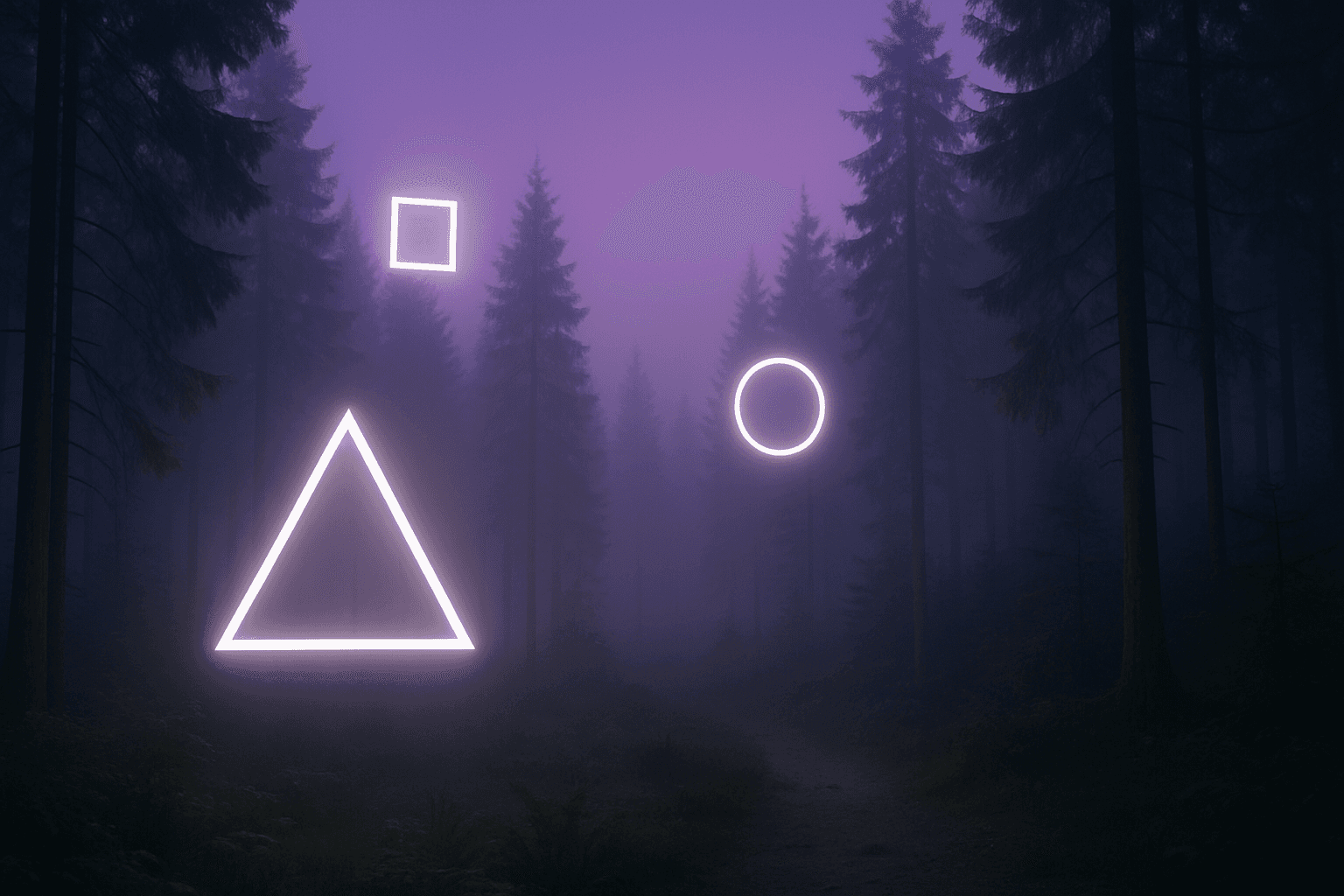
Surreal atmosphere in AI-generated imagery refers to the creation of scenes that evoke a dreamlike or otherworldly mood. By blending realistic details with fantastical or impossible elements, these images stimulate imagination and curiosity. The atmosphere often employs unexpected lighting, unconventional perspectives, and imaginative compositions to challenge the viewer’s perception of reality. This style is widely used in art, storytelling, and advertising to convey unique concepts or evoke specific emotions. Surreal atmospheres encourage viewers to explore beyond ordinary experiences, creating memorable and visually engaging content.
Moody Urban Atmosphere
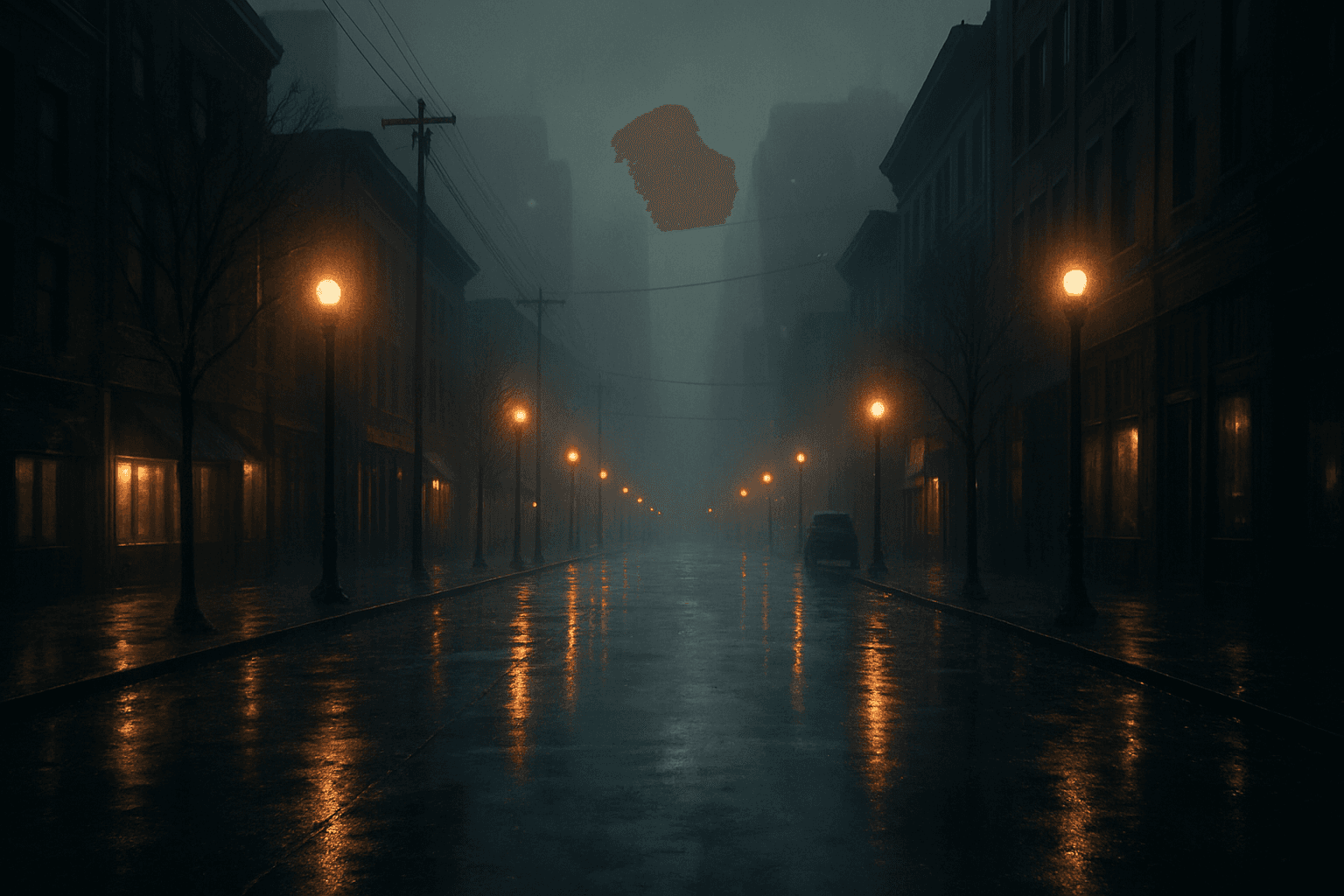
The 'Moody Urban Atmosphere' keyword guides AI image models to produce city environments imbued with emotional depth and cinematic tension. These images emphasize a specific ambiance characterized by somber lighting and subdued colors, evoking feelings such as nostalgia, solitude, or suspense. Artists and designers often seek this mood to communicate urban stories beyond the hustle and bustle, focusing instead on quiet moments or reflective scenes. Using this keyword effectively helps generate images that appear both realistic and emotionally charged, suitable for editorial content, film concept art, or evocative backgrounds in multimedia projects.
Mystic Forest Atmosphere
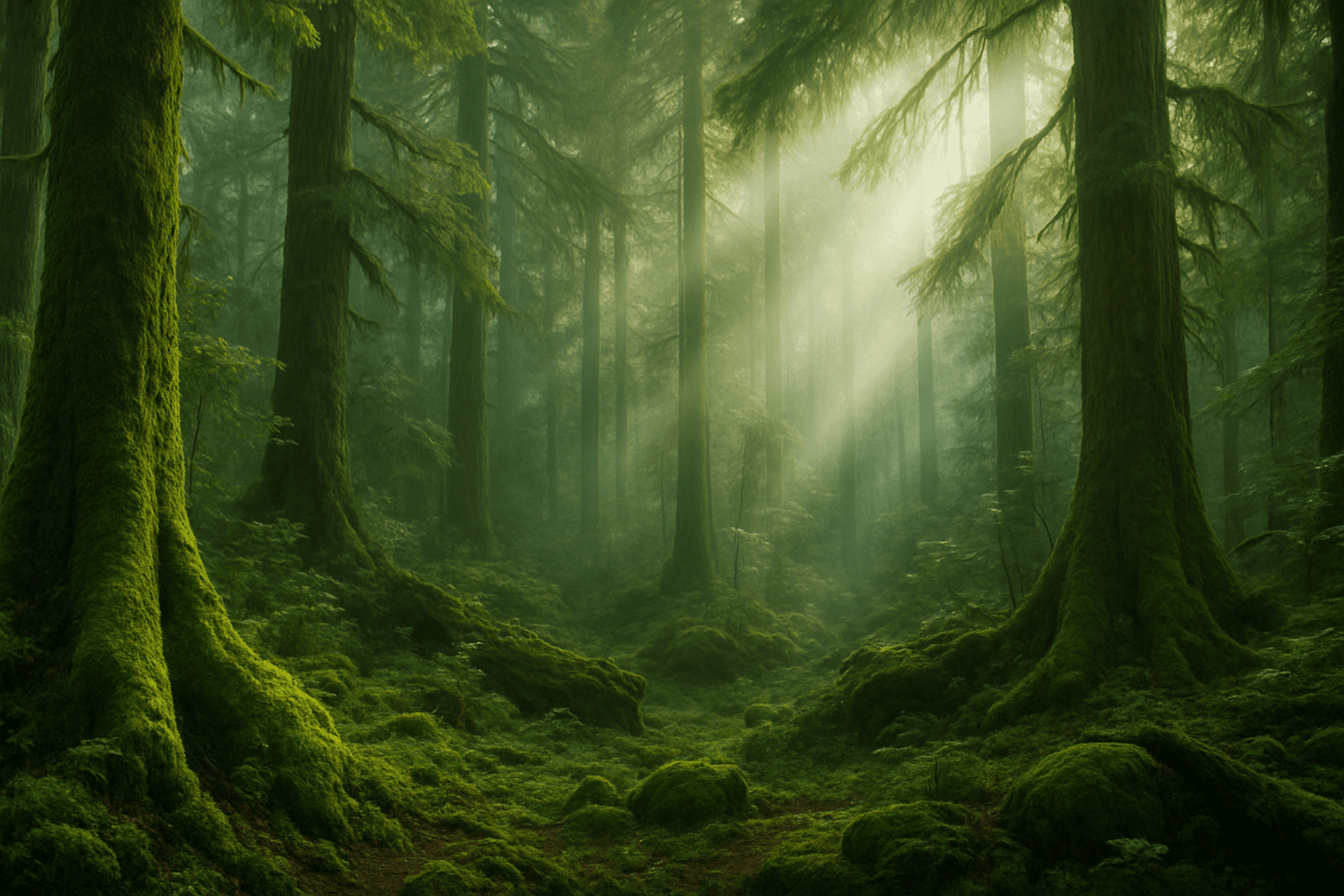
The Mystic Forest Atmosphere keyword brings an enchanting, otherworldly vibe to AI-generated images by conjuring scenes rich with natural mystery and subdued lighting. This atmosphere typically involves densely packed trees interspersed with mist or gentle fog that softens the scene and creates a sense of depth and intrigue. Light often filters through the canopy in dappled or diffuse beams that highlight textures and shadows, lending a dreamlike quality. Artists and creators use this atmosphere to evoke emotion, suggest fantasy realms, or produce contemplative natural landscapes. When added to an AI image prompt, it shifts the focus to mood over detail and sophistication over simplicity, making the scene feel immersive and timeless.
Dreamlike Ethereal Atmosphere
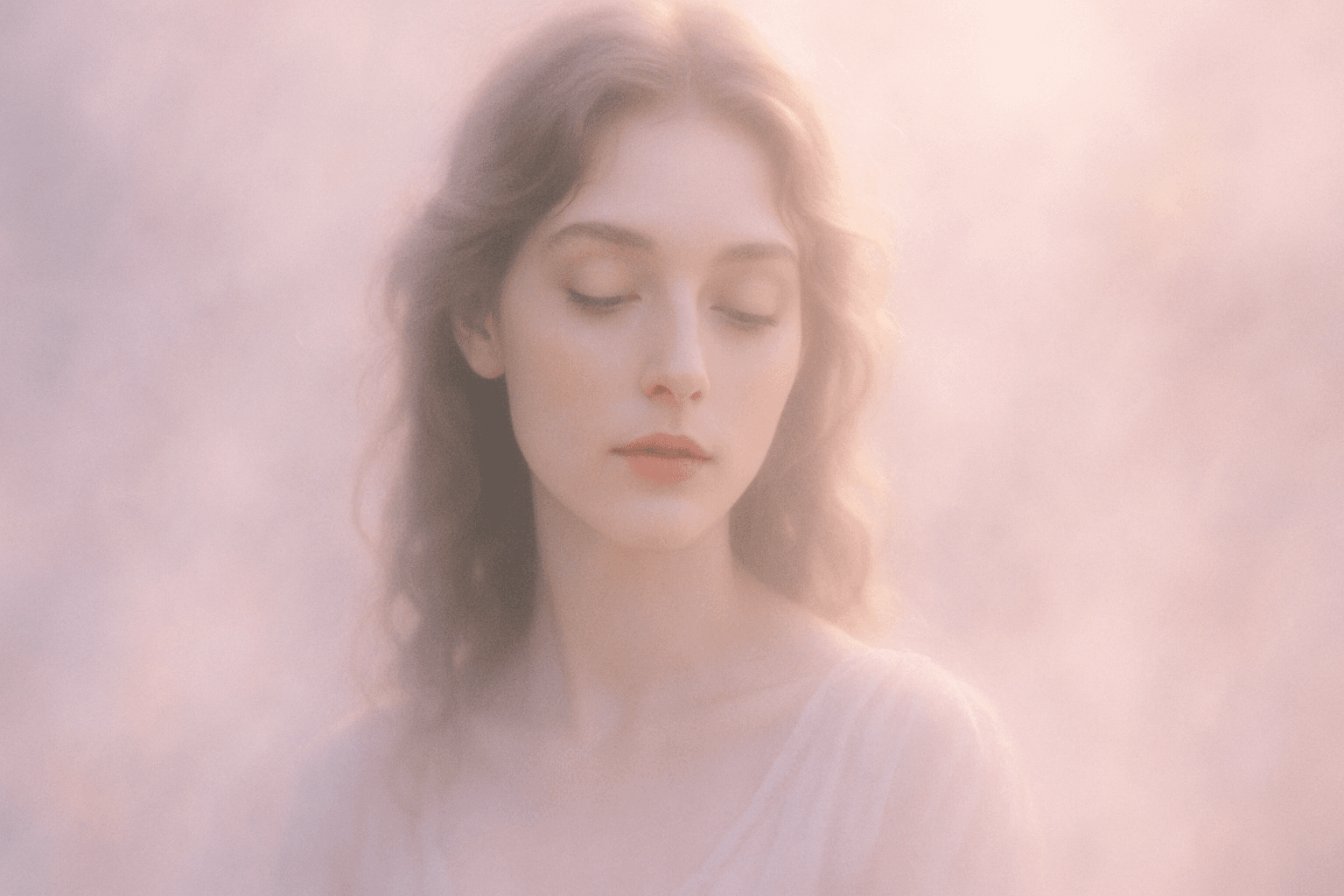
The Dreamlike Ethereal Atmosphere keyword is a powerful tool for AI image creators aiming for subtle surrealism and poetic visuals. It shapes compositions that evoke feelings of calm, wonder, and mystique by leveraging soft-focused light effects and muted colors. This atmosphere works well to transform ordinary scenes into evocative dreamscapes or fantasy realms. By integrating it in your prompts, you guide the AI to soften edges, add translucency, and produce delicate gradations of light and shadow, making images ideal for editorial hero shots, conceptual art, or mood-driven backgrounds.
Snowy Winter Atmosphere
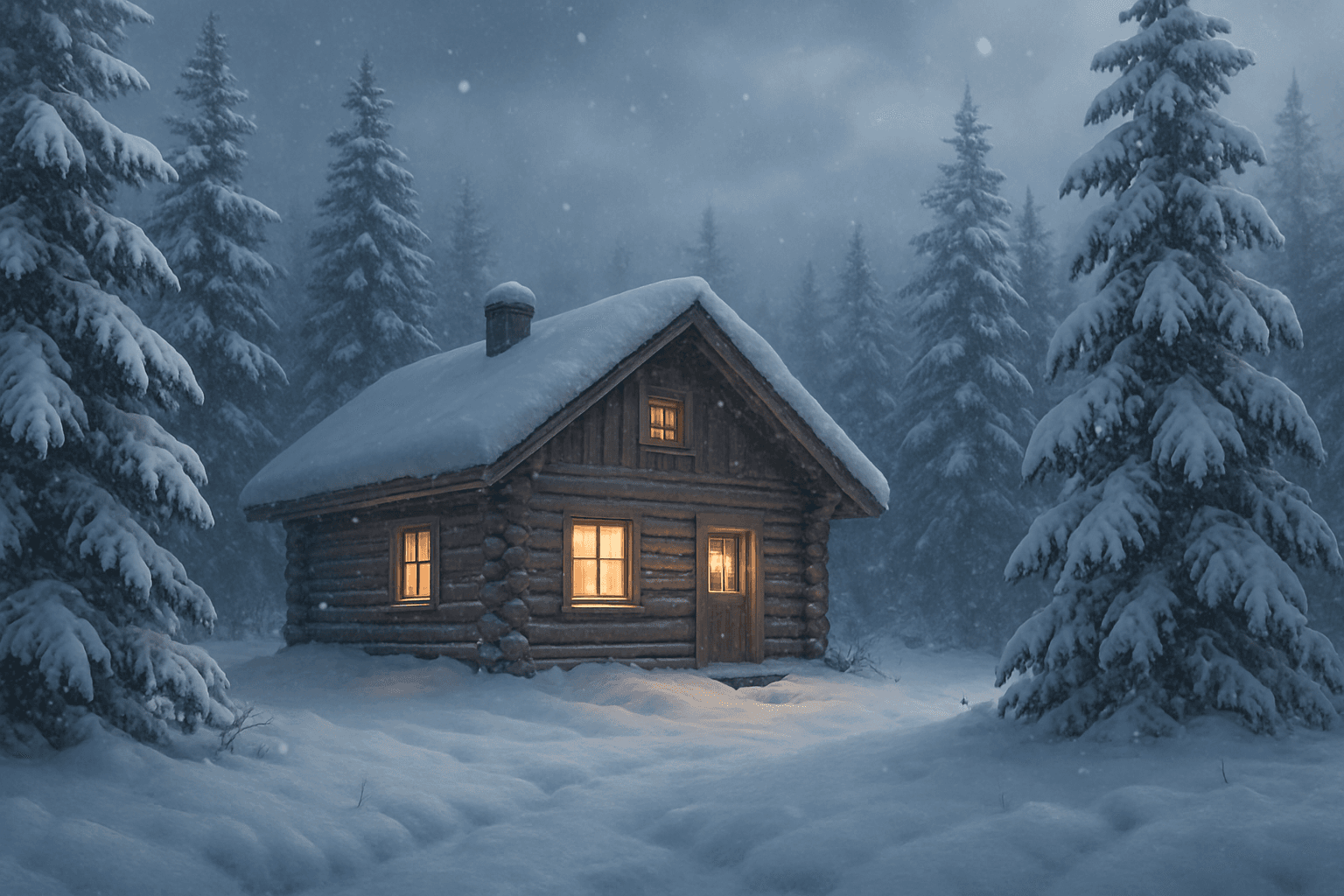
In AI image generation, the 'Snowy Winter Atmosphere' keyword helps create scenes saturated with the unique sensory and visual qualities of a cold, snow-laden landscape. It signifies an environment where snow falls gently or lies thickly, the air feels crisp, and nature undergoes a serene transformation. This atmosphere is achieved through soft, diffused lighting, monochromatic and cool color tones, and subtle textural details such as frosted branches and icy surfaces. Whether representing a quiet winter village, a forest in deep snow, or a festive holiday setting, this prompt keyword helps artists and creators evoke the distinct mood of winter's snowy embrace, suitable for evocative storytelling or seasonal design themes.
Foggy Landscape Mood
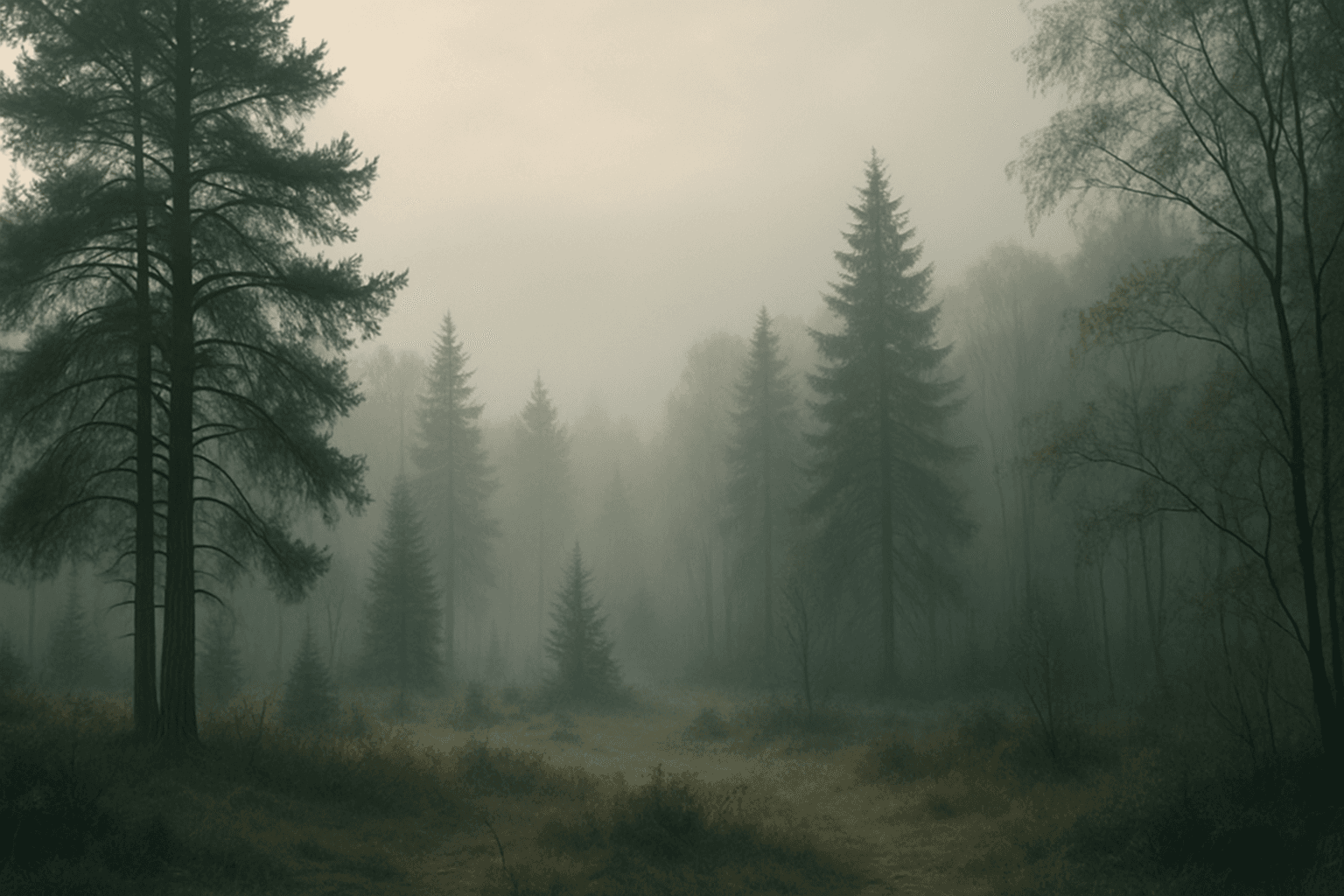
The Foggy Landscape Mood keyword is essential for generating serene and ethereal nature scenes using AI image models. By introducing fog or mist, images gain a layered depth and emotional resonance, often invoking feelings of quiet solitude or mystery. This mood softens sharp details and shadows, lending a dreamy or suspenseful tone that works well for forest, mountain, or waterfront environments. Artists and designers leverage this effect to create immersive atmospheres that feel both natural and cinematic, making it suitable for editorial, fine art, or conceptual visuals.