Framing With Natural Elements
Framing with natural elements is a powerful compositional technique that uses elements such as trees, foliage, rocks, or water to surround or partially enclose the main subject or focal point of an image. This approach helps guide the viewer’s eye directly to the intended subject while adding layers of depth and realism. In AI image generation, including natural framing cues in prompts encourages the model to position these elements strategically in the foreground or edges, leading to rich and engaging visuals. This technique is particularly valuable in nature photography, portraiture, and storytelling imagery to convey atmosphere and context. Implementing this compositional style enhances visual harmony and boosts the professional quality of generated content.

Definition
Framing with natural elements in AI image prompts means using descriptive language to specify framing components such as branches, leaves, flowers, or rocks positioned around the main subject. This guides the AI model to incorporate these elements as a visual border or foreground interest, improving composition by directing the viewer’s attention and adding depth. Beginners can think of it as digitally replicating how photographers use natural surroundings to frame their subjects within the scene.
Prompt Formula
To effectively use framing with natural elements in your prompts, combine subject description with specific natural frame components and desired mood or lighting. Example formula: [subject] framed by [natural elements] in the foreground, [lighting style], [depth effect], highly detailed, realistic.
- Subject framed by overhanging tree branches and leaves, soft morning light, shallow depth of field
- Close-up of [subject] surrounded by colorful flowers, warm sunlight, bokeh background
- Rustic cabin framed by moss-covered rocks and ferns, misty atmosphere, ambient light
Best Use Cases
This compositional technique is particularly effective in the following scenarios:
- Outdoor portraiture where tree limbs or foliage frame the face or figure
- Product photography featuring natural elements like grass or petals to highlight the item authentically
- Scenic landscape shots where framing with rocks, water, or plants adds depth and guides eye movement
Industry Applications
Framing with natural elements has broad relevance across commercial fields:
- Advertising: Creates inviting, eco-conscious visuals for brand storytelling
- Editorial: Enhances magazine spreads with immersive, nature-inspired contexts
- Ecommerce: Elevates product presentations by situating items in appealing natural backgrounds
Common Mistakes
Common pitfalls when prompting for natural framing include:
- Vague framing instructions leading to sporadic or cluttered elements
- Overuse of framing causing distraction from the main subject
- Ignoring lighting and depth which makes the framing appear flat or unrealistic
Advanced Techniques
Experienced prompt writers can refine framing with natural elements by:
- Specifying exact count and placement of framing elements, e.g., ‘two twisted branches on left’
- Combining with lighting constraints like ‘golden hour sunlight filtering through leaves’
- Adding texture details such as ‘dew-covered leaves’ or ‘mossy rough bark’ for realism
Professional Workflow
A streamlined approach to leveraging framing with natural elements involves:
- Brief: Clearly define subject, natural elements for framing, mood, and context
- Generate: Use prompt formulas combining these aspects with style descriptors
- Select: Evaluate images for effective focus, balance, and natural framing quality
- Refine: Adjust prompts to improve element placement, lighting, or detail as needed
Related Styles
Framing with natural elements complements several related styles and keywords:
- Natural Light Composition: focusing on how sunlight enhances framing
- Organic Texture Contrast: emphasizing tactile natural surfaces as framing devices
- Foreground Interest Elements: strategically placing objects in the foreground to lead viewer focus
FAQ
How can I ensure the natural framing elements don’t overpower the main subject?
Balance the composition by specifying the framing elements as subtle or partial, such as ‘overhanging branches gently framing’ or instructing soft focus on framing elements to keep the subject dominant.
Can I use artificial objects as natural framing elements in AI prompts?
While possible, framing with authentic natural elements like foliage or rocks generally produces more organic and visually pleasing results, especially when aiming for realistic imagery.
Continue Exploring
Related Prompts
Vignette Framing Technique
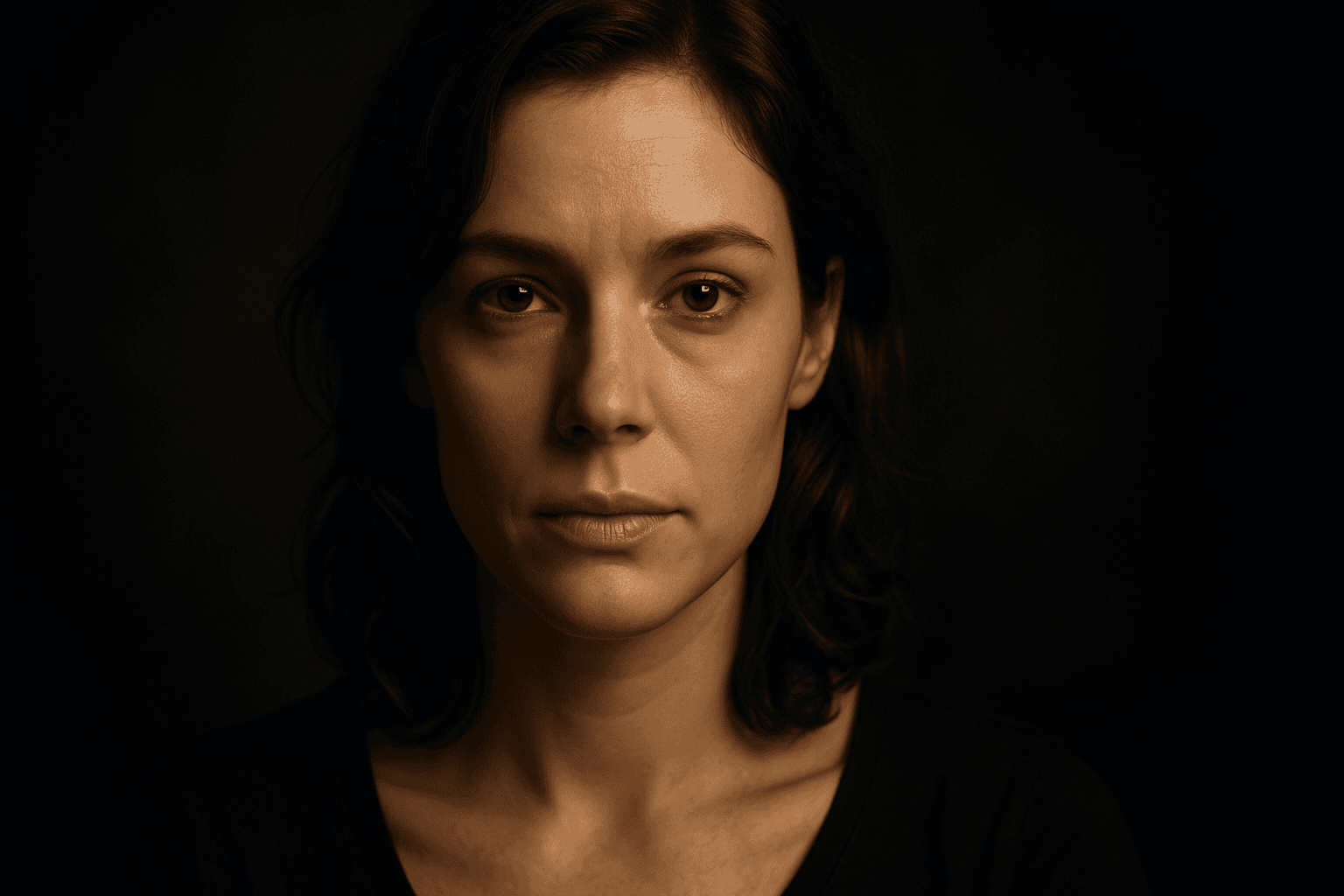
The Vignette Framing Technique is widely used in photography and digital art to subtly guide the viewer's eye toward the main subject. When incorporated into AI image prompts, it suggests the system to create imagery where the edges are softened, darkened, or less detailed, enhancing central focus and depth perception. This approach elevates the visual impact, especially in portraits, still-life, or scene compositions requiring a mood or intimate feel. Employing vignetting in AI-generated images creates a professional, polished look by framing the scene organically, subtly isolating subjects without the need for harsh borders or cropping.

Golden Ratio Framing
Golden Ratio Framing applies the classical golden ratio (approximately 1:1.618) to modern AI image generation, influencing where main subjects and details are arranged to maximize visual appeal. Utilizing this technique in prompts encourages AI models to create images with a refined, natural composition that feels intuitively pleasing. This method is especially valued in photography, art, and design, where visual harmony enhances storytelling or product presentation. By integrating Golden Ratio Framing into prompts, users can elevate the aesthetic quality and balance of AI-generated visuals without manually adjusting layout post-generation.
Centered Focus Composition
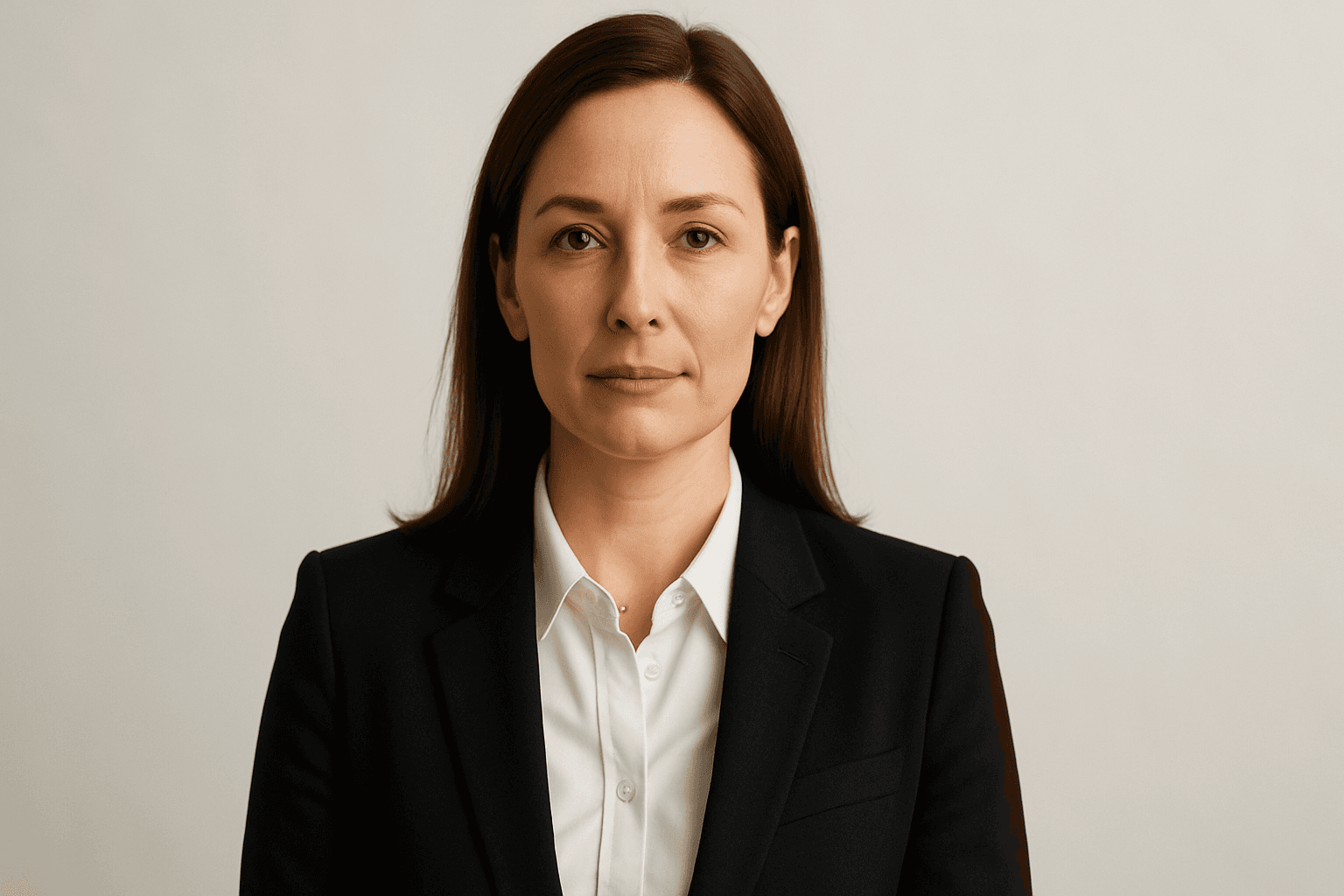
Centered Focus Composition is a fundamental technique in visual art and photography where the main subject is aligned precisely at the center of the frame. This method draws the viewer's eye directly to the focal point, emphasizing clarity and simplicity. In AI image generation, including terms related to 'centered focus' guides the model to replicate this balanced layout. This composition is effective for portraits, product shots, and editorial imagery where impact and emphasis are key. Centered framing exudes a formal, stable aesthetic and reduces visual clutter, making it ideal for high-quality, professional visuals guided by refined lighting and realistic materials.

Layered Foreground Background
In AI-generated imagery, achieving convincing spatial depth is key to visual impact. The 'Layered Foreground Background' composition style organizes visual elements so that there is a tangible separation between the front and back parts of a scene. This approach helps direct viewer attention to important subjects while providing context with background details. By defining prompt terms that specify layering, users encourage AI models to render multiple distinct planes with differing focus and clarity. The result is images with realistic depth cues, subtle volumetric lighting, and engaging storytelling potential. This technique is versatile across genres such as landscapes, portraits, and still life, giving compositions professional polish and clarity.

Symmetrical Framing Composition
Symmetrical framing composition is a powerful design technique that places visual elements evenly on either side of a central axis, resulting in an image that feels balanced and harmonious. This approach often highlights a main subject by placing it centrally and reflecting supporting elements symmetrically around it. Including this composition style in AI prompts helps generate images with clear order and structure, which are both aesthetically pleasing and easy to interpret. This is ideal for hero shots, architectural visuals, portraits, and product photography where balance enhances the subject's prominence.

Asymmetrical Balance Composition
Asymmetrical balance composition is a powerful design principle that infuses AI-generated images with dynamic harmony and visual interest. Unlike traditional symmetrical layouts, this technique balances elements of varying sizes, colors, or textures to create a cohesive whole without mirroring. Within AI prompting, directing the model to apply asymmetrical balance produces images that feel organic and engaging, often enhancing storytelling and emotional impact. This composition style is widely used in editorial design, contemporary art, and photography to avoid predictability and add depth. For AI creatives, mastering asymmetrical balance opens new pathways to dynamic, polished, and visually compelling imagery.