Leading Lines
Leading Lines are visual lines that guide the viewer's eye toward a subject or deeper into the scene. In AI prompts, they improve depth, direction, and composition.

Definition
Leading Lines are visual lines that guide the viewer's eye toward a subject or deeper into the scene. In AI prompts, they improve depth, direction, and composition.
Visual Characteristics
- Roads, rails, hallways, shadows, tables, paths, or architecture that point toward a focal area.
- Creates movement, depth, and visual flow.
- Works especially well with wide angle, architecture, travel, and transportation.
Best Use Cases
- Roads, train platforms, office corridors, city streets, architecture, and product perspective shots.
- Travel, business, transport, real estate, and cinematic scene prompts.
- Stock concepts about journey, progress, direction, focus, and opportunity.
Prompt Examples
- A modern train platform with leading lines, wide angle, cinematic lighting, clean commercial photo.
- A road through desert hills, leading lines toward the horizon, golden hour travel photography.
- A sleek office hallway, leading lines, cool color palette, professional architecture stock image.
Adobe Stock Potential
Leading Lines can make stock images feel professional and dynamic. It is especially strong for business, travel, architecture, and journey-related concepts.
FAQ
What objects create leading lines?
Roads, paths, rails, buildings, shadows, tables, fences, and hallways.
Do leading lines need to point to a person?
No. They can lead to a product, horizon, building, doorway, or abstract focal point.
Continue Exploring
Related Prompts
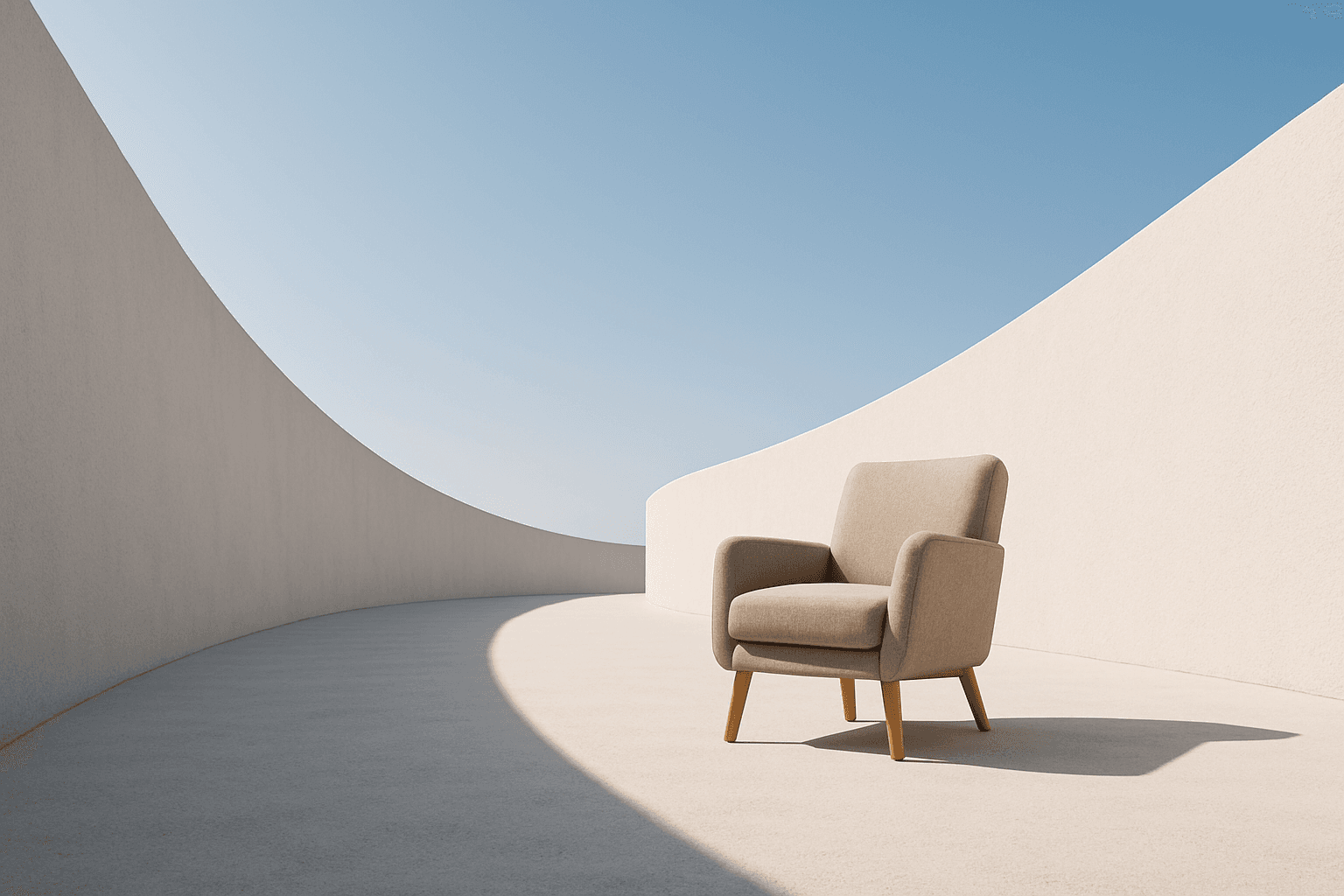
Wide Angle
Wide Angle is a lens and composition keyword that creates a broad field of view. It helps AI images show space, scale, and environmental context.
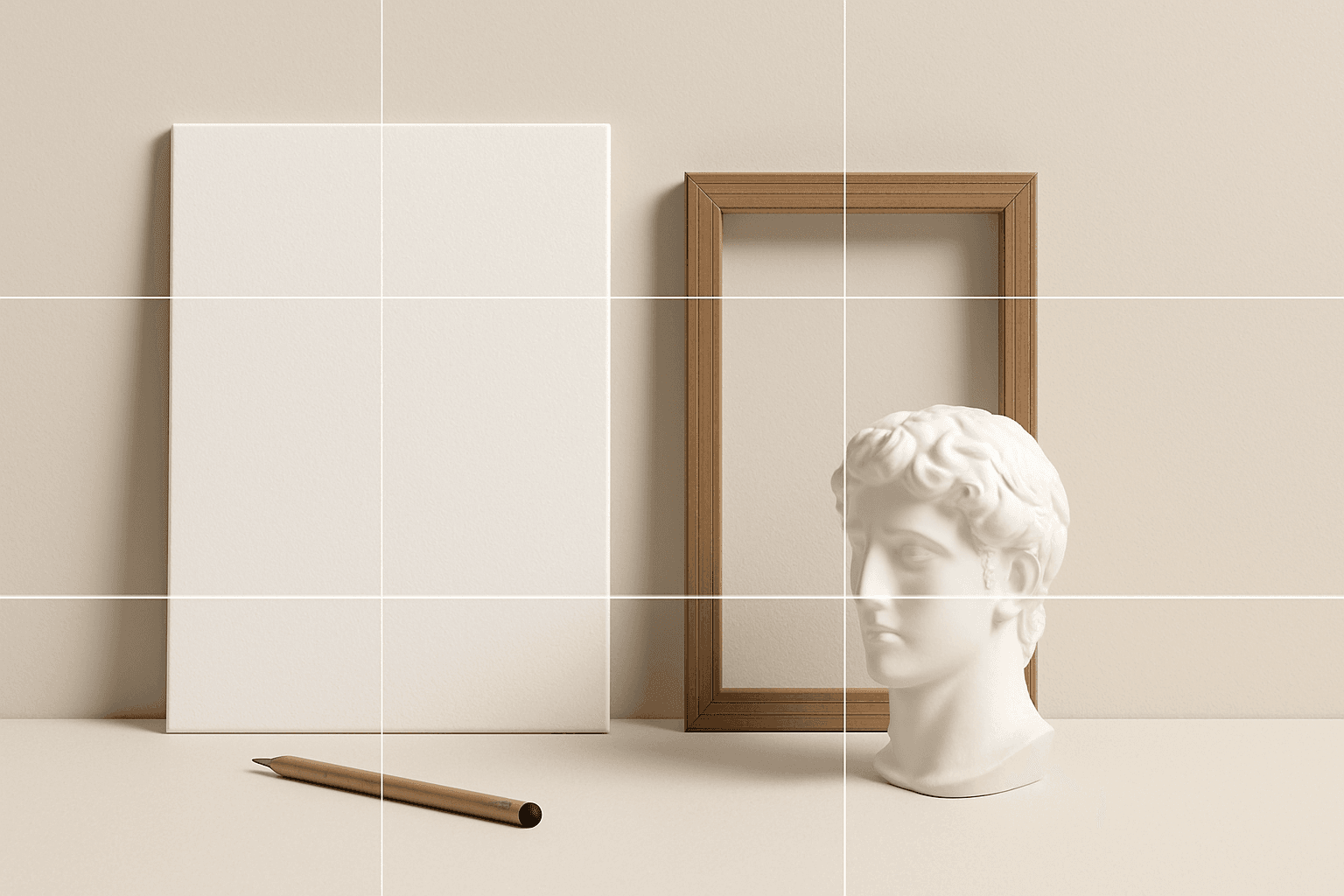
Rule of Thirds
Rule of Thirds is a composition method that places the subject along imaginary thirds of the frame rather than exactly in the center.

Diagonal Composition
Diagonal composition is a popular and effective technique used in photography, painting, and design to enhance visual interest. By positioning important elements along diagonal lines instead of horizontal or vertical axes, the image gains a dynamic flow that naturally draws the viewer’s eyes through the scene. This approach breaks away from static layouts, injecting energy and a sense of motion. Using diagonals can also create depth by suggesting perspective or distance within flat images. Photographers often look for strong lines in the environment—like roads, rivers, or architectural details—to compose their shots diagonally. The result is an engaging, well-balanced image that feels both harmonious and lively, suitable for a variety of creative contexts.
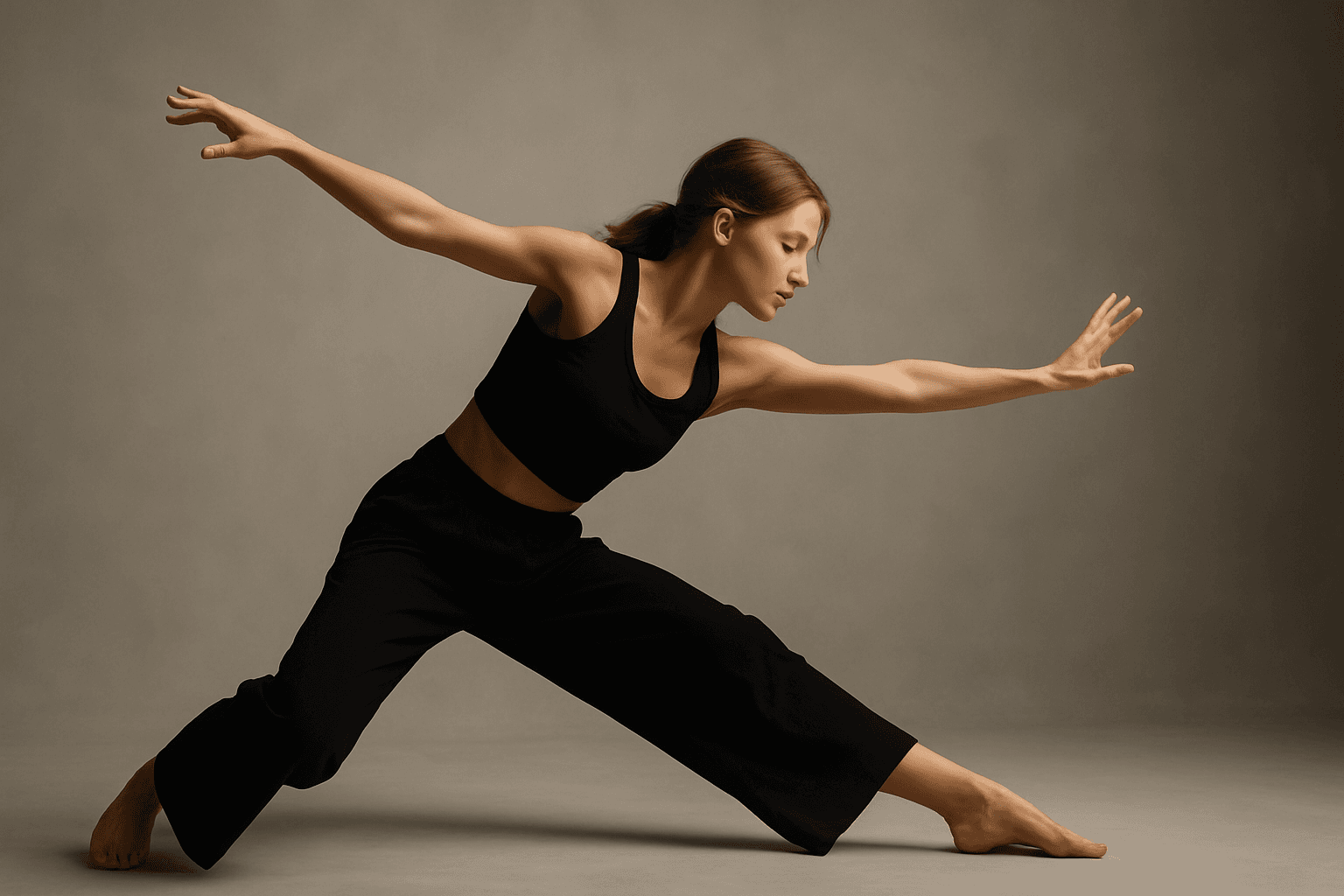
Diagonal Movement Layout
Diagonal Movement Layout is a popular visual strategy in creative imagery that infuses energy and direction into a composition. By aligning main subjects, backgrounds, or elements along diagonal axes, AI-generated images achieve a feeling of flow and progression that captures viewers' attention. This approach contrasts with static horizontal or vertical layouts by introducing tension and rhythm. Using this layout in AI prompts, artists and designers can create more engaging visuals for editorial, advertising, and artistic uses where motion and storytelling are key.

Diagonal Flow Composition
Diagonal Flow Composition elevates imagery by breaking away from static, horizontal, or vertical layouts. It leverages diagonal lines across the frame to create tension, balance, and dynamism, drawing the viewer's attention naturally through the scene. For AI-generated images, specifying diagonal flow helps emphasize visual pathways that suggest movement or lead the gaze, making compositions feel more alive and engaging. This technique is widely used in photography, graphic design, and cinematography to evoke energy and make visuals more striking.

Depth of Field
Depth of Field describes how much of an image appears sharp versus blurred. In AI prompts, it often means a sharp subject with a softer foreground or background.