Wide Angle
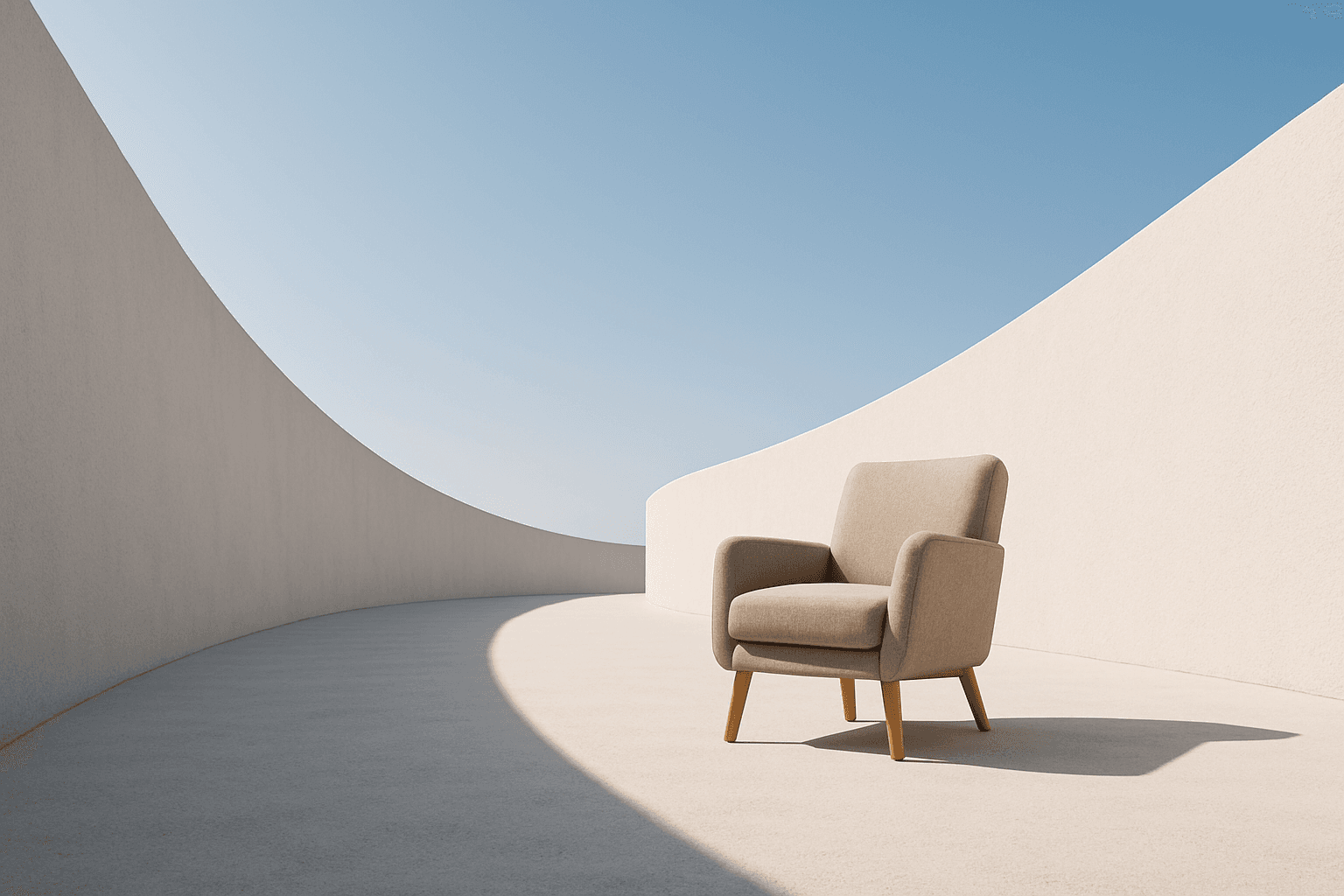
Wide Angle is a lens and composition keyword that creates a broad field of view. It helps AI images show space, scale, and environmental context.
Definition
Wide Angle is a lens and composition keyword that creates a broad field of view. It helps AI images show space, scale, and environmental context.
Visual Characteristics
- Expansive view with more foreground, background, and side context.
- Can exaggerate depth and make rooms, roads, and architecture feel larger.
- Works well with interiors, landscapes, architecture, travel, and futuristic spaces.
Best Use Cases
- Real estate, architecture, hotel interiors, travel landscapes, city scenes, and large environments.
- Images where scale, immersion, or spatial storytelling matters.
- Stock concepts about opportunity, journey, innovation, freedom, and exploration.
Prompt Examples
- A futuristic airport terminal, wide angle, leading lines, cool tones, clean architectural photo.
- A wide angle view of a Scandinavian living room, soft light, natural materials, real estate photography.
- A mountain road at sunrise, wide angle, atmospheric haze, travel stock image.
Adobe Stock Potential
Wide Angle has high stock potential for interiors, architecture, travel, and real estate. Avoid extreme distortion unless the style calls for it.
FAQ
Does wide angle distort images?
It can. Add realistic perspective or architectural photography if you want controlled distortion.
What subjects work best with wide angle?
Rooms, roads, landscapes, buildings, vehicles, and large public spaces.
Continue Exploring
Related Prompts
Leading Lines
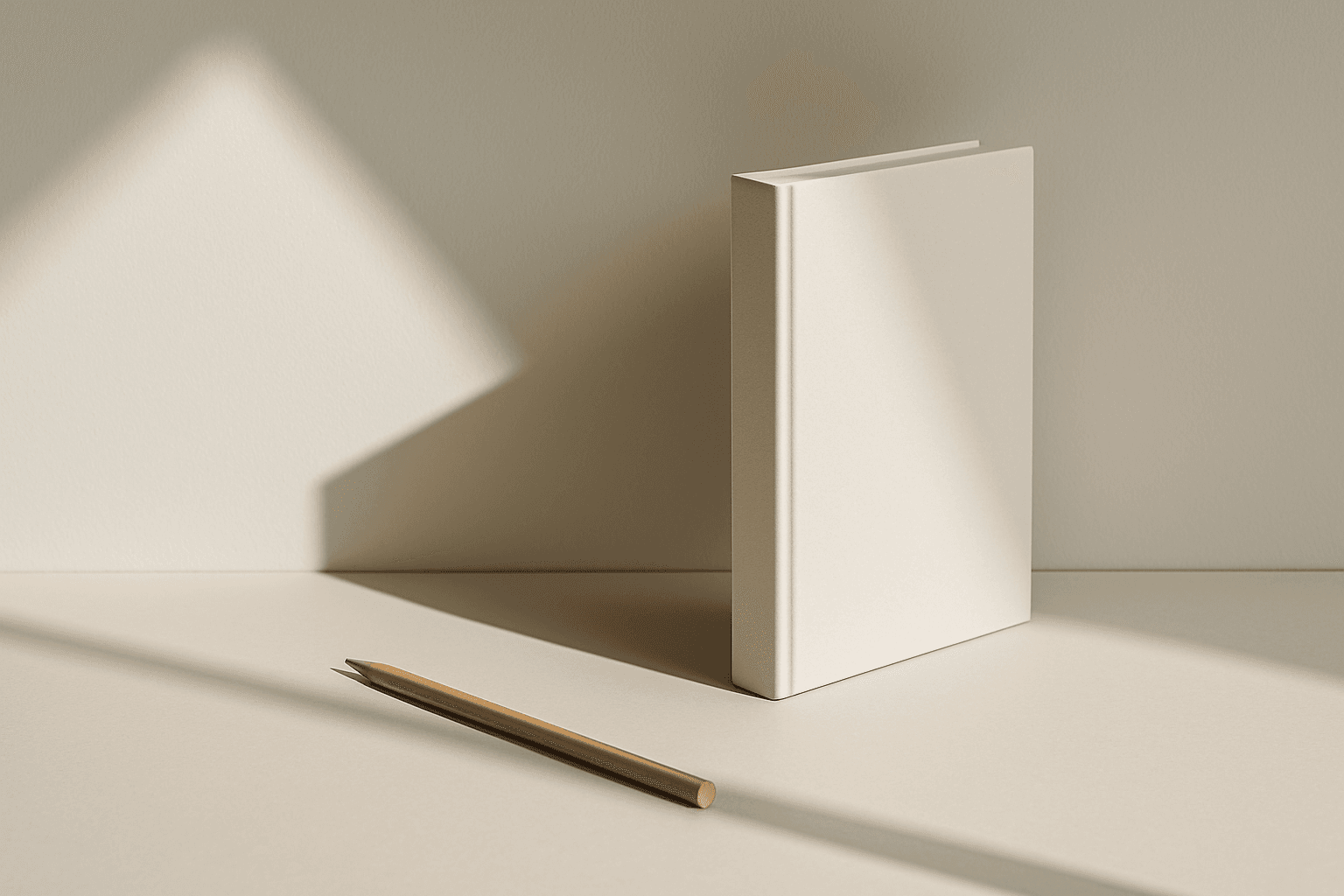
Leading Lines are visual lines that guide the viewer's eye toward a subject or deeper into the scene. In AI prompts, they improve depth, direction, and composition.

Symmetry
Symmetry is a composition keyword where visual elements mirror or balance across a central axis. It creates order, stability, and a polished design feeling.
Negative Space Usage
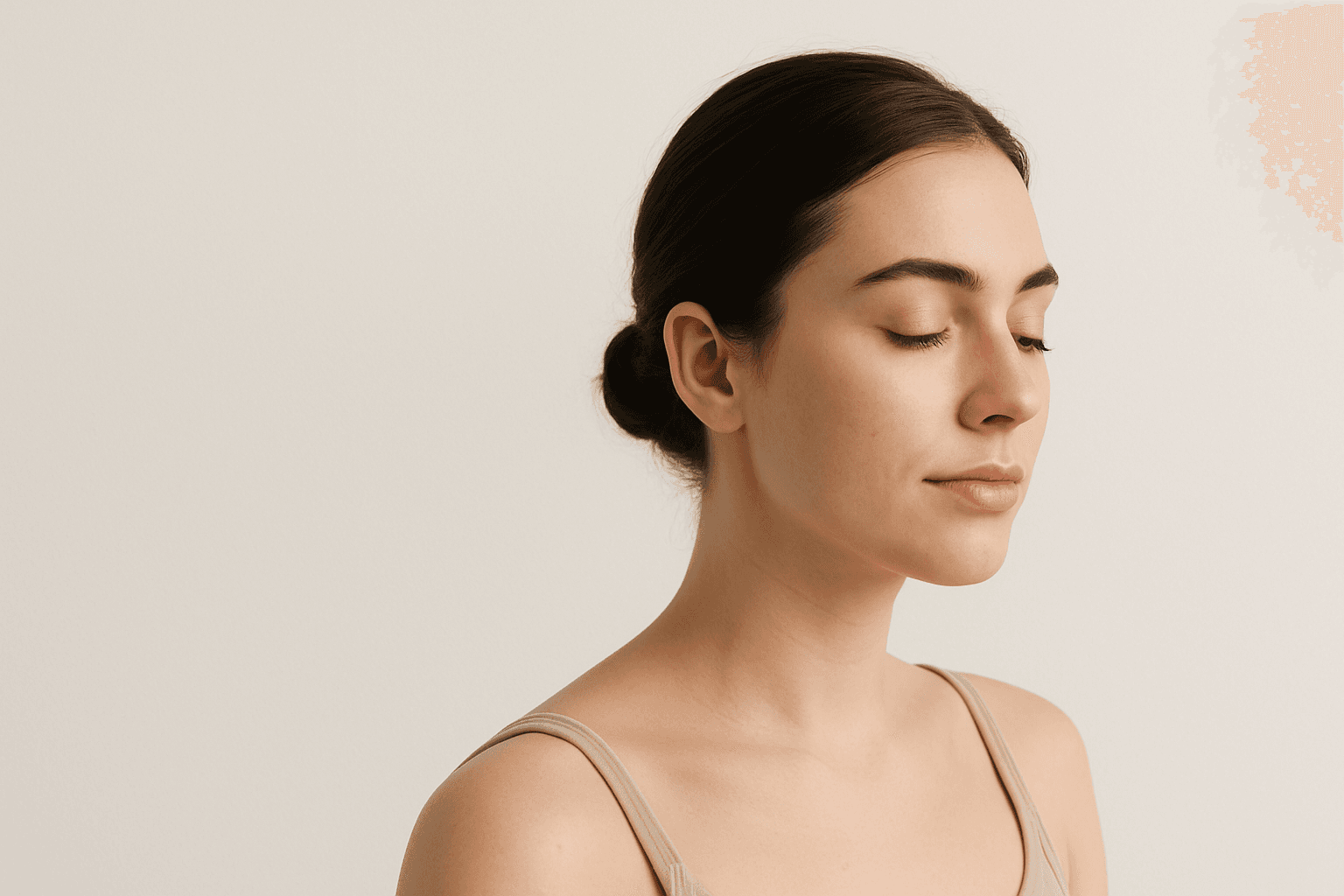
Negative space usage in AI-generated images is a powerful compositional tool that enhances visual impact by balancing filled and unfilled areas within the frame. By thoughtfully incorporating empty spaces around key elements, artists and designers can guide the viewer's eye, create breathing room, and elevate the subject's importance. When integrated into AI prompts, specifying negative space helps produce cleaner, more refined images that align with modern editorial and premium stock aesthetics. This technique promotes minimal distractions and supports sophisticated, polished results well-suited for professional use and commercial applications.
Rule of Thirds
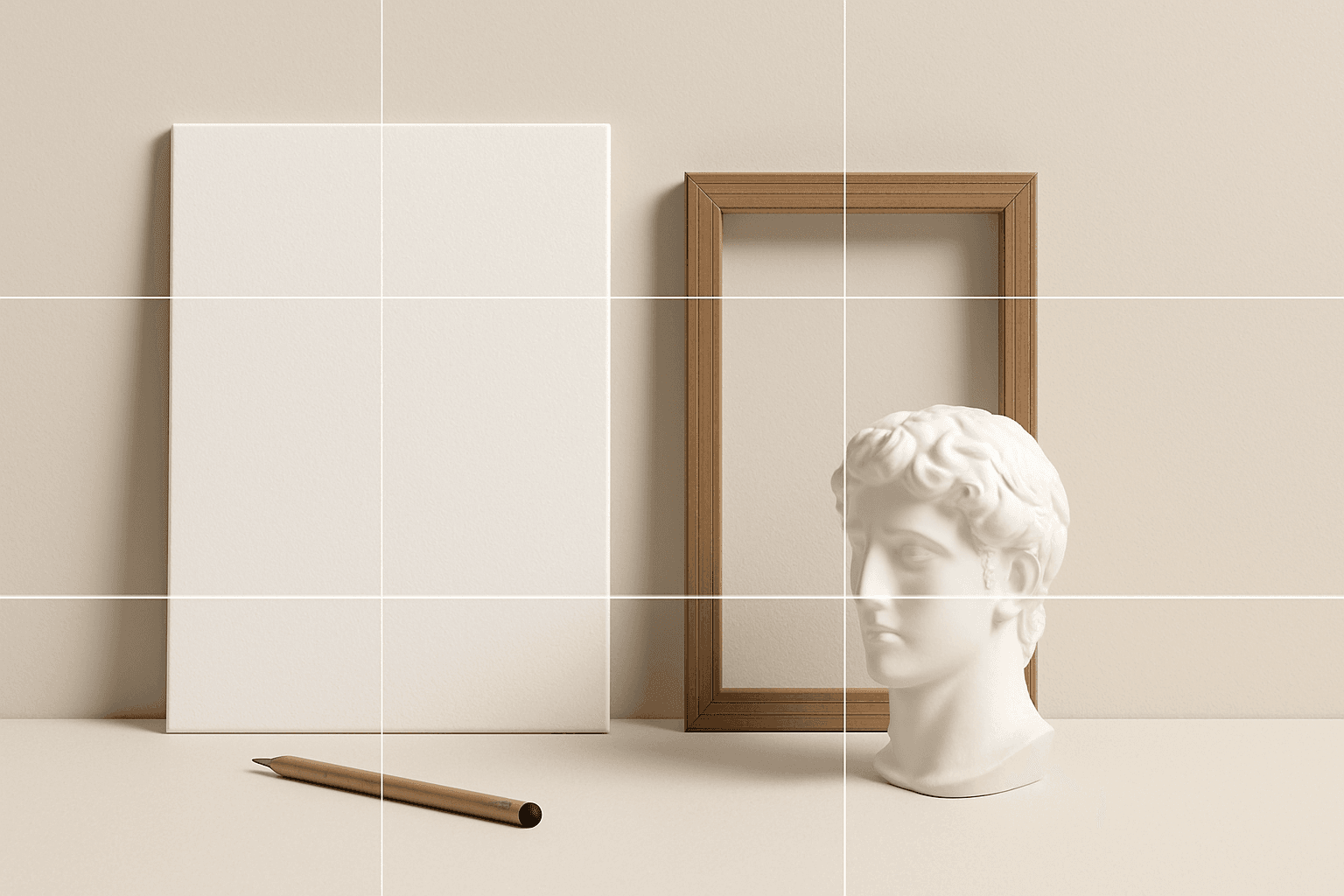
Rule of Thirds is a composition method that places the subject along imaginary thirds of the frame rather than exactly in the center.
Visual Weight Balance
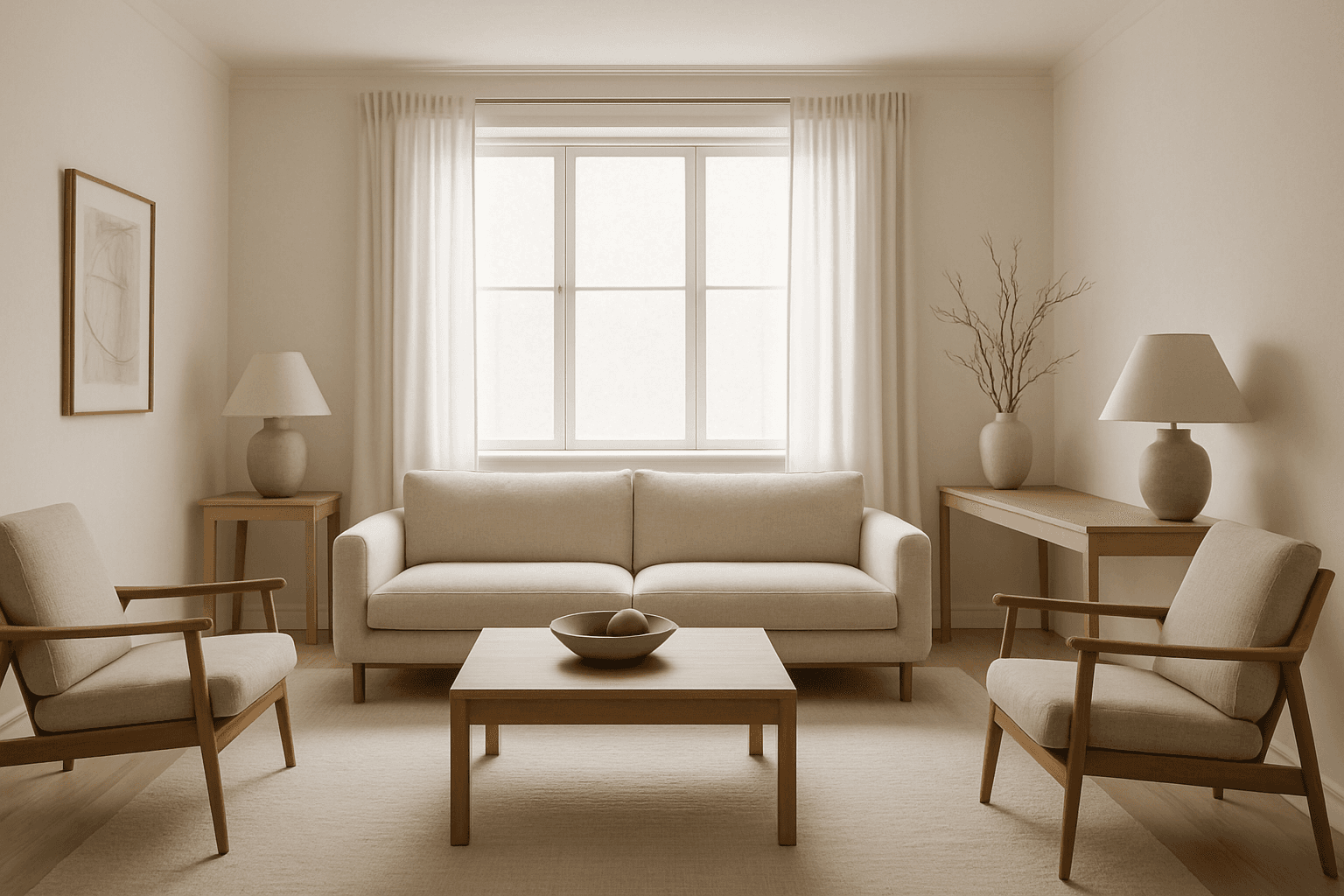
Visual Weight Balance is a fundamental principle in image composition that ensures harmonious distribution of visual elements across the frame. When crafting AI image prompts, emphasizing this keyword helps in generating images where objects, colors, and contrasts are allocated thoughtfully to prevent lopsided or cluttered scenes. Balanced visuals direct the viewer’s eye across the image naturally, creating a sense of calm and order. This balance is achieved by managing the size, color intensity, and positioning of elements so that no part overwhelms the rest. Using Visual Weight Balance in prompts is essential for editorial, product, or environmental imagery where clarity and coherence are crucial.
Diagonal Composition
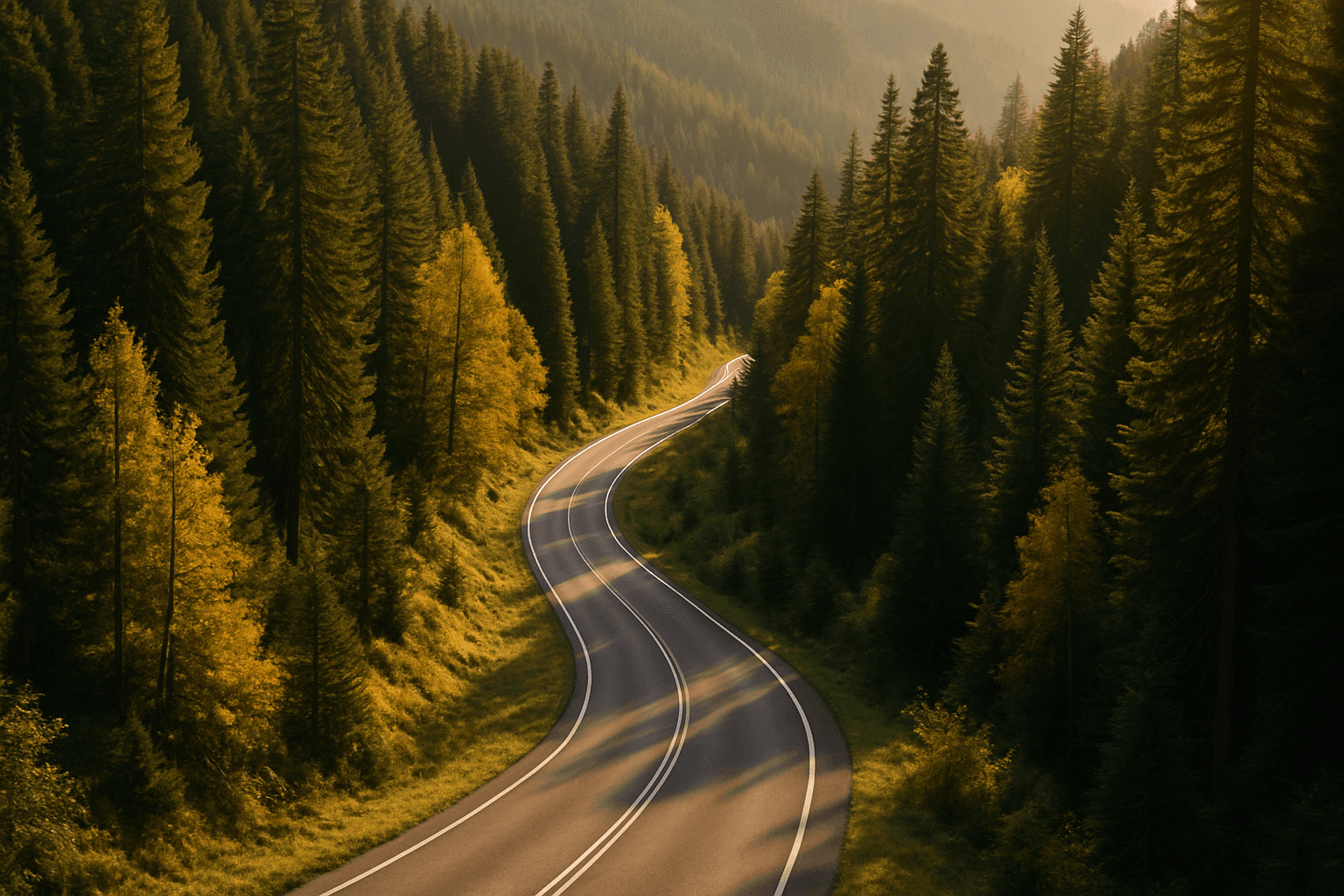
Diagonal composition is a popular and effective technique used in photography, painting, and design to enhance visual interest. By positioning important elements along diagonal lines instead of horizontal or vertical axes, the image gains a dynamic flow that naturally draws the viewer’s eyes through the scene. This approach breaks away from static layouts, injecting energy and a sense of motion. Using diagonals can also create depth by suggesting perspective or distance within flat images. Photographers often look for strong lines in the environment—like roads, rivers, or architectural details—to compose their shots diagonally. The result is an engaging, well-balanced image that feels both harmonious and lively, suitable for a variety of creative contexts.