Vector Art Style
Vector Art Style produces images that look like digital illustrations made with graphic design software such as Adobe Illustrator. The style focuses on clarity, precision, and scalability, capturing designs with minimal detail yet high definition. These images avoid texture noise and use solid colors, making them ideal for icons, logos, and infographics. AI models, when prompted correctly, can replicate this by generating artwork with polygonal shapes and smooth curves, delivering a modern, polished aesthetic suitable for professional and commercial uses.

Definition
Vector Art Style is a category of digital artwork defined by the use of scalable geometric shapes rather than pixels. In AI prompting, adding 'Vector Art Style' instructs the image generation model to produce smooth, clean-lined illustrations with flat color fills. This style replicates designs made using software such as Adobe Illustrator, emphasizing clarity and precision over photorealism, making images ideal for logos, icons, and other graphics requiring scalability.
Visual Characteristics
- Clean, smooth lines with sharp edges
- Flat areas of color without gradients or noise
- Simplified shapes emphasizing geometric forms
Prompt Formula
To generate images in Vector Art Style, combine style descriptors with subject details. Use phrases like "flat vector art style," "geometric shapes," "clean lines," and "minimal color palette". For example, "Vector art style illustration of a modern building, smooth lines, bright flat colors." Adjust subject and mood keywords as needed to customize results.
Best Use Cases
- Logo and brand identity design
- Infographics and educational illustrations
- Icon sets and UI/UX assets
Model-Specific Tips
When prompting modern AI image models, clearly specify the style by using the term "Vector Art Style" alongside modifiers like "clean lines," "flat colors," and "geometric shapes" to guide the model effectively. Avoid ambiguous terms like "cartoon" alone, which may produce less precise results. Experiment with adding terms related to popular vector software aesthetics (e.g., "Adobe Illustrator style") to encourage recognized visual traits. Maintaining concise prompts with focused style descriptors yields better vector-style outputs across various models.
FAQ
What makes vector art different from other digital art styles?
Vector art is made of scalable geometric shapes rather than pixels, allowing for infinite resizing without loss of quality, and it features clean lines and flat colors compared to detailed textures in other styles.
Can AI generate true vector files?
Currently, AI generates raster images inspired by vector styles but does not create actual vector file formats like SVG. However, these images can be traced into vector files using graphic tools.
Continue Exploring
Related Prompts

Monoline Icon Style
Monoline Icon Style is a popular visual approach that uses single-weight lines to construct simple and elegant illustrations or icons. This style avoids line thickness variation, gradients, or complex textures, resulting in a modern, crisp aesthetic. It’s widely used in digital product design, branding, and editorial contexts, especially to communicate ideas efficiently with minimal visual clutter. When incorporated into AI image prompts, this keyword guides the model to produce artwork that resembles vector line icons often used in user interfaces, signage, and infographics. The style’s consistency allows easy scalability and integration across different mediums.
Isometric Graphic Style
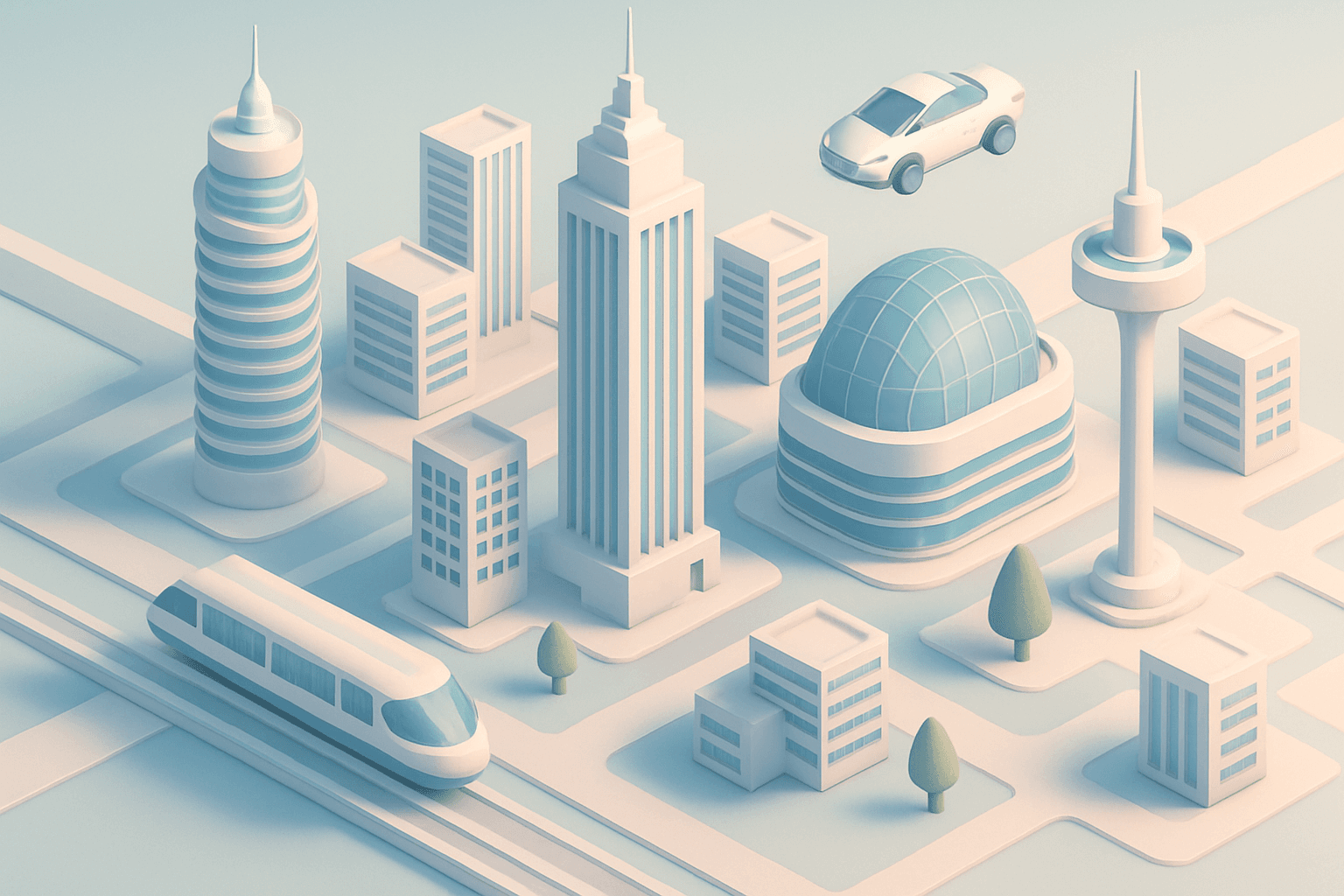
The Isometric Graphic Style presents a visually distinct approach within AI-generative art, emphasizing a three-dimensional feel without traditional perspective. This style simplifies complex scenes by eliminating vanishing points and foreshortening, instead showing multiple sides of an object or environment simultaneously in a balanced, angular format. Artists and designers use it to convey spatial relations clearly and attractively across various applications, from game design to infographics and architectural visualization. Its precision and clarity make it ideal for communicating technical details, while its stylized geometry gives images a modern and clean aesthetic. Incorporating this style into AI prompts enhances reproducibility of consistent angles and depth, producing images with a polished, schematic look that appeals across digital design fields.

Graphic Line Art Style
Graphic Line Art Style is a visually striking illustration approach emphasizing clarity and simplicity through well-defined lines. It focuses on outlining forms with precision and minimalistic detail, avoiding heavy shading or elaborate color schemes. This style is popular in editorial illustrations, logos, and iconography due to its crisp readability and modern aesthetic. When incorporated into AI image prompts, it directs the model to produce minimalist visuals that can easily adapt to various themes while maintaining a clean, graphic look. Its simplicity makes it versatile for both monochrome and limited color compositions, suitable for branding, presentations, and artistic sketches where impact comes from form rather than texture or color richness.

Flat Vector Style
The Flat Vector Style keyword directs AI models to create images resembling digital vector illustrations common in modern graphic design. This style forgoes complex textures and photographic realism in favor of smooth, flat areas of color and sharp edges, making images visually striking and easily scalable. The resulting art is ideal for icons, infographics, editorial illustrations, and interfaces that demand clarity and simplicity. It aligns well with contemporary branding aesthetics and enhances readability in digital and print applications.

Flat Design Style
Flat Design Style simplifies visual elements by stripping down imagery to essential shapes and colors, lending itself to clarity and legibility. It's widely used in user interfaces, infographics, and branding where straightforward communication is key. AI image models interpreting this style produce images with sharp lines, uniform hues, and a graphic feel that avoids photorealism, making it perfect for scalable and versatile visuals that maintain impact across platforms.
Line Art Illustration Style
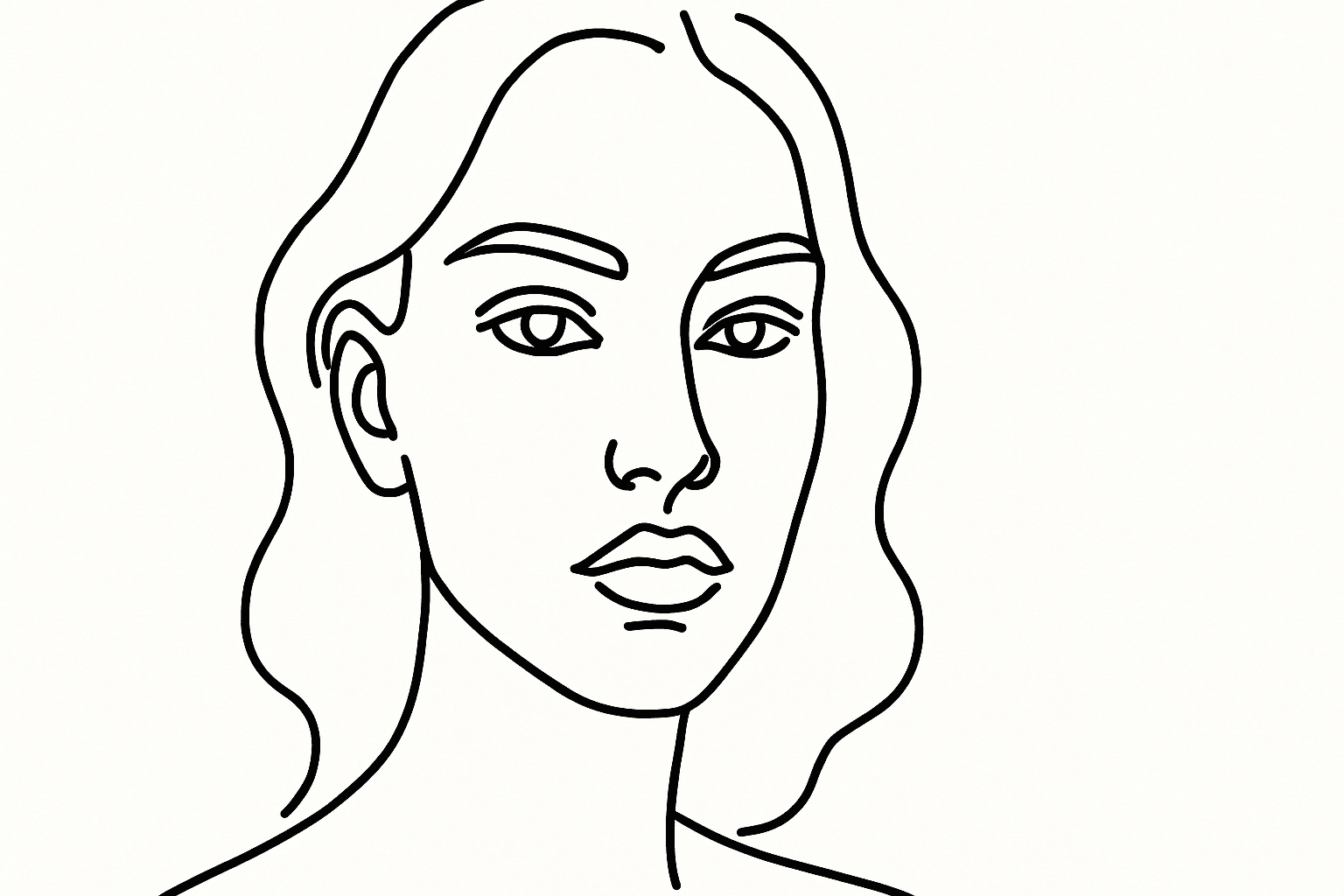
Line Art Illustration Style is a versatile graphic approach characterized by clean, continuous lines that define the shapes and forms of the subject. This style eliminates complex textures and color variations, resulting in minimalist and visually striking images. In AI-generated images, including this keyword instructs the model to focus on contour and form, making it ideal for icons, logos, sketches, and editorial visuals. Its simplicity enhances clarity and adaptability across various design contexts, especially where readability and visual impact are crucial.