Warm Tones
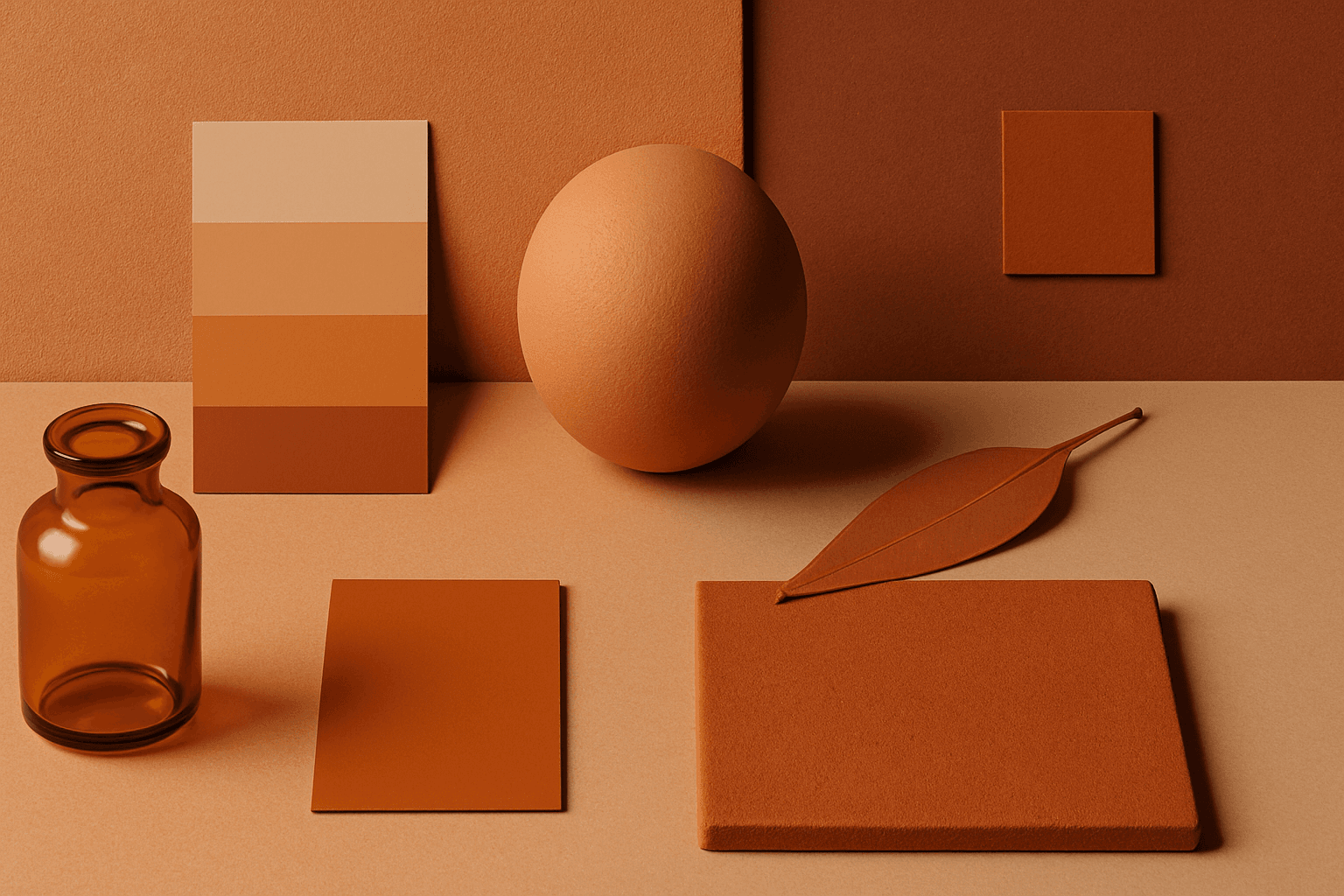
Warm Tones are colors with red, orange, yellow, peach, tan, clay, or golden undertones. They create comfort, optimism, energy, and human warmth.
Definition
Warm Tones are colors with red, orange, yellow, peach, tan, clay, or golden undertones. They create comfort, optimism, energy, and human warmth.
Visual Characteristics
- Golden, amber, peach, terracotta, cream, warm brown, or orange color cast.
- Inviting and emotional tone that works with sunlight, food, interiors, and lifestyle.
- Pairs naturally with Golden Hour, Earth Tone Colors, and warm color palettes.
Best Use Cases
- Food, hospitality, family, travel, wellness, home decor, and cozy lifestyle images.
- Brand visuals that should feel caring, friendly, optimistic, or natural.
- Stock concepts about comfort, connection, warmth, creativity, and home.
Prompt Examples
- A breakfast table in morning sun, warm tones, soft light, cozy lifestyle photo.
- A warm tones interior with terracotta accents, cream textiles, and natural window light.
- A handmade candle product photo, warm tones, soft shadows, premium brand styling.
Adobe Stock Potential
Warm Tones are highly useful for commercial stock because they feel welcoming and emotionally accessible. Keep whites balanced to avoid excessive orange casts.
FAQ
Are warm tones good for portraits?
Yes. They can make portraits feel friendly, natural, and inviting.
How do I avoid too much warmth?
Use natural color grading, balanced whites, and subtle warm tones.
Continue Exploring
Related Prompts
Warm Color Palette
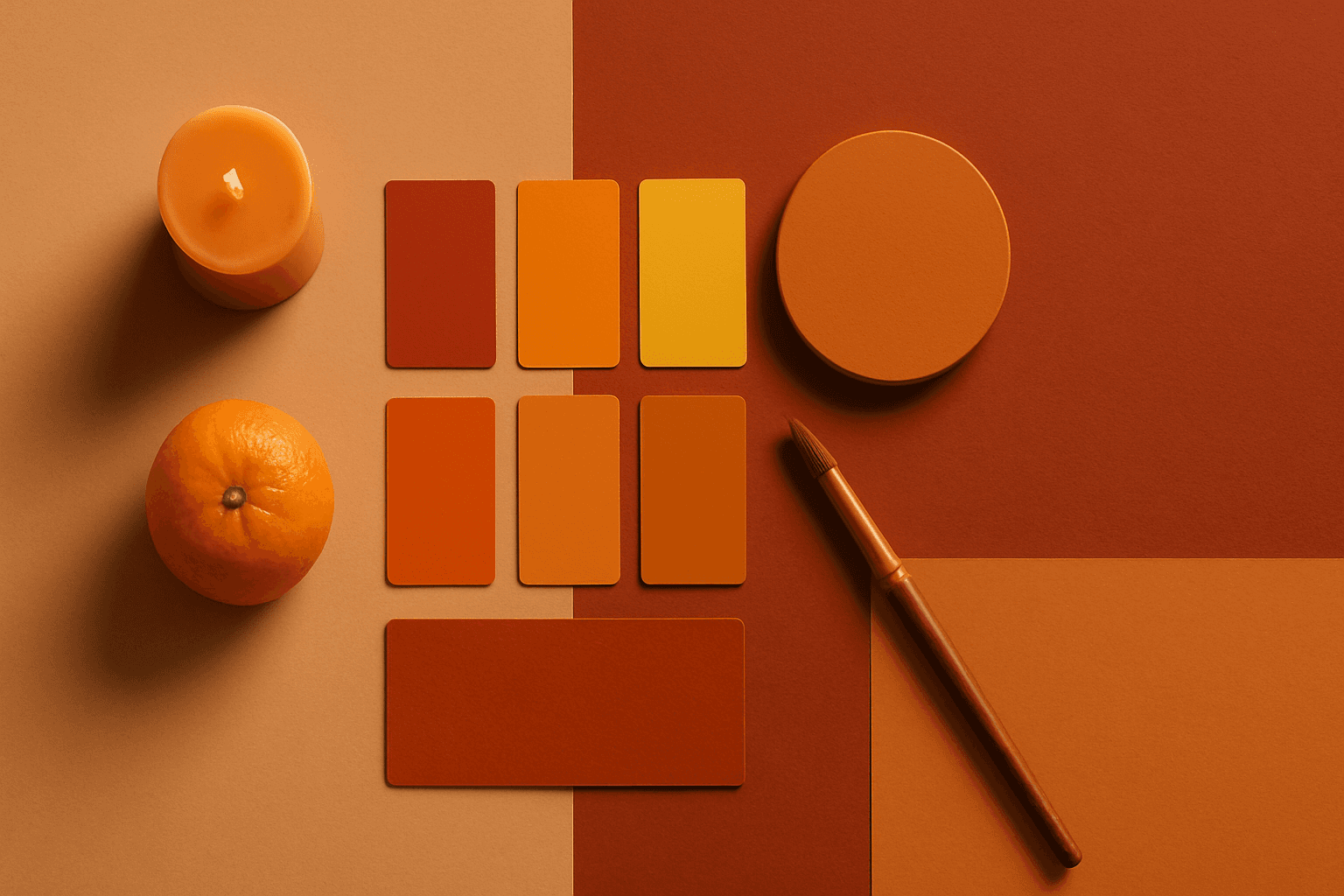
Warm Color Palette is a practical keyword for guiding emotional tone. It can make a breakfast scene feel cozy, a travel image feel sunny, or a brand visual feel more approachable. Warm palettes are strong for commercial images because they connect quickly with themes like comfort, care, family, food, hospitality, wellness, and optimism. For beginners, this keyword is easier to control than listing many individual colors.
Earth Tones
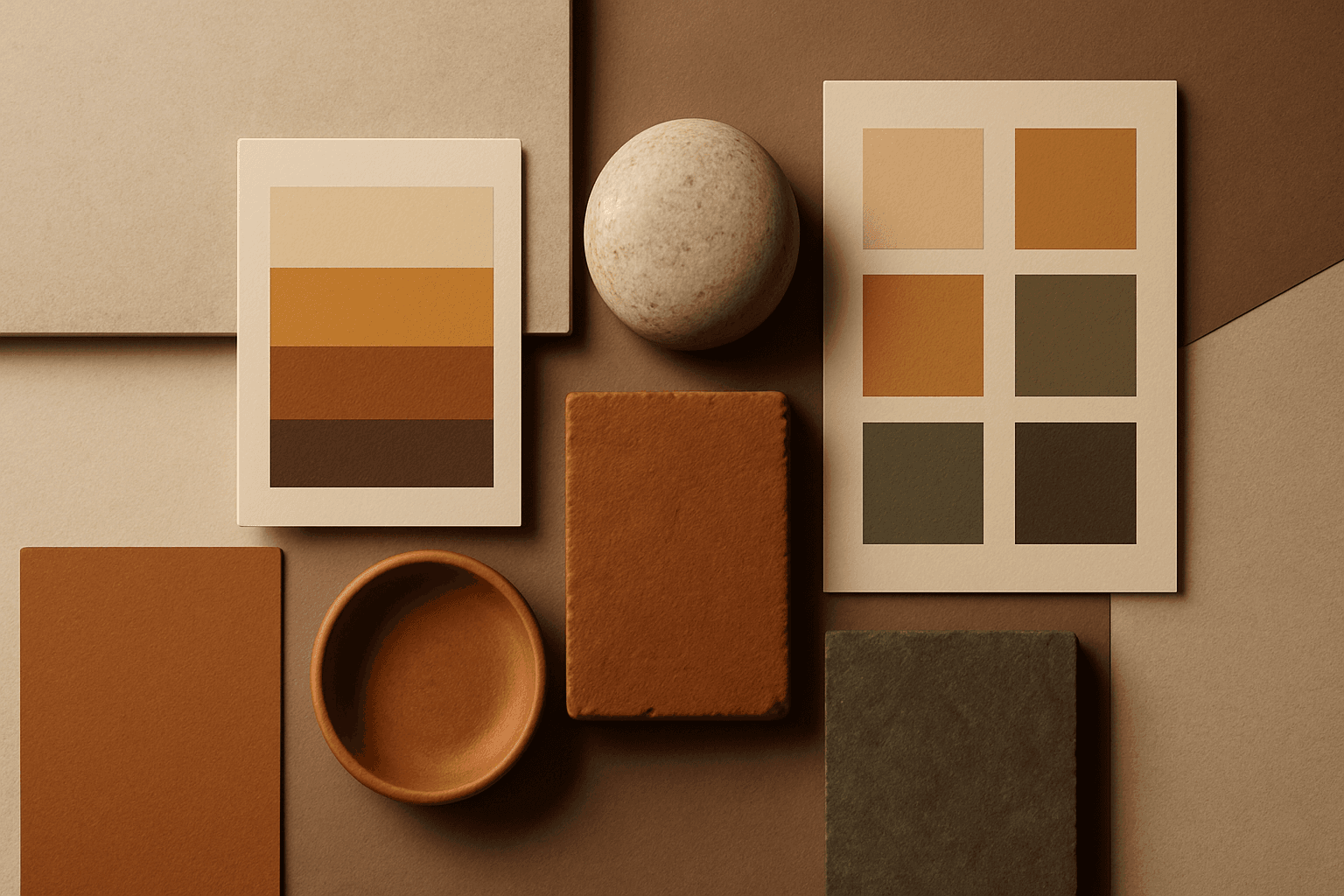
Earth Tones are natural colors inspired by soil, stone, clay, plants, wood, and sand. They create a grounded, organic, and sustainable feeling.
Earth Tone Colors
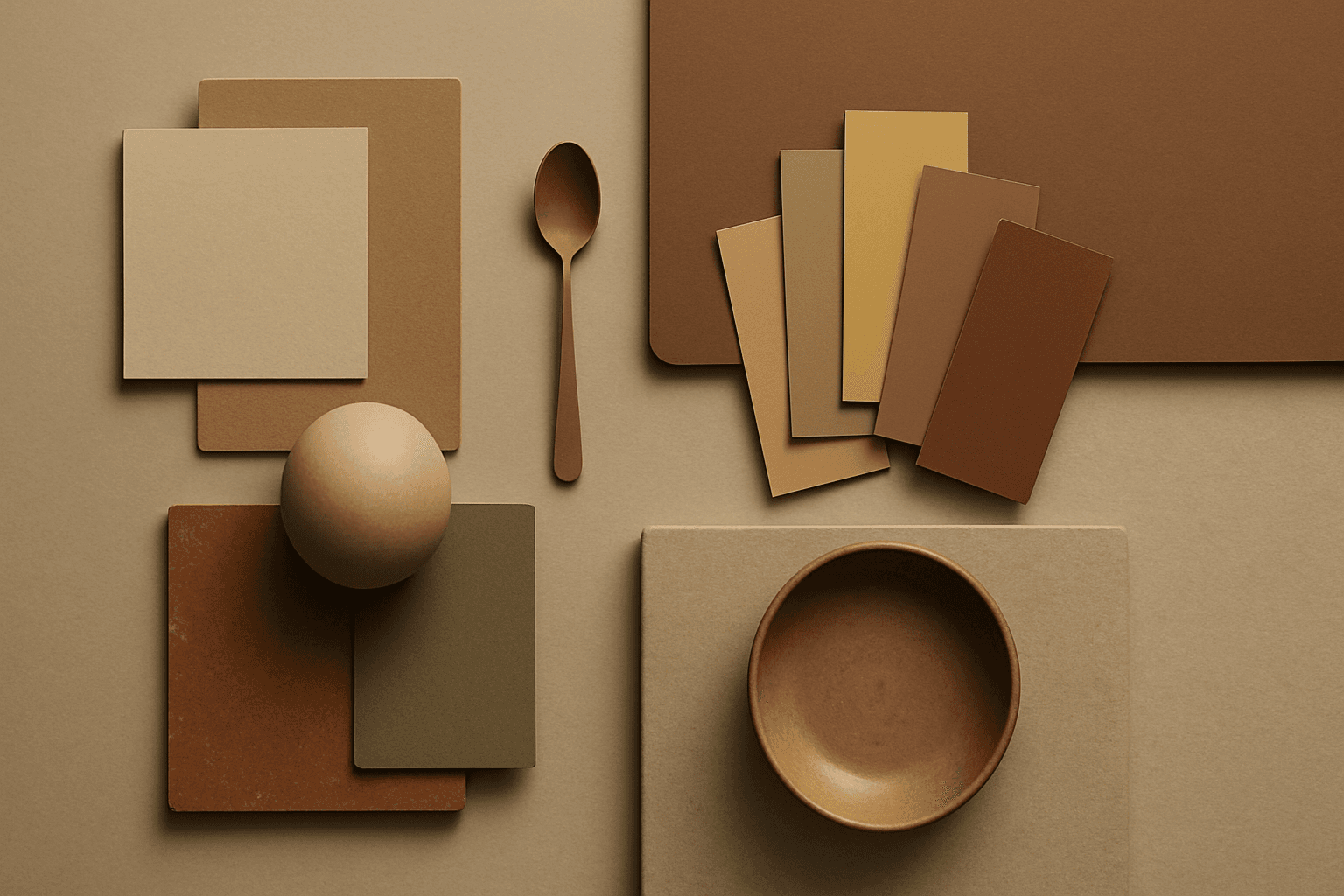
Earth Tone Colors are useful for creating grounded, organic, and commercially current AI images. They are common in wellness branding, sustainable packaging, interiors, handmade products, food, outdoor lifestyle, and natural beauty campaigns. For stock creators, earth tones can communicate authenticity and trust without needing obvious eco symbols. They also work well in minimalist layouts because the palette is calm but still warm.
Warm Neutral Palette
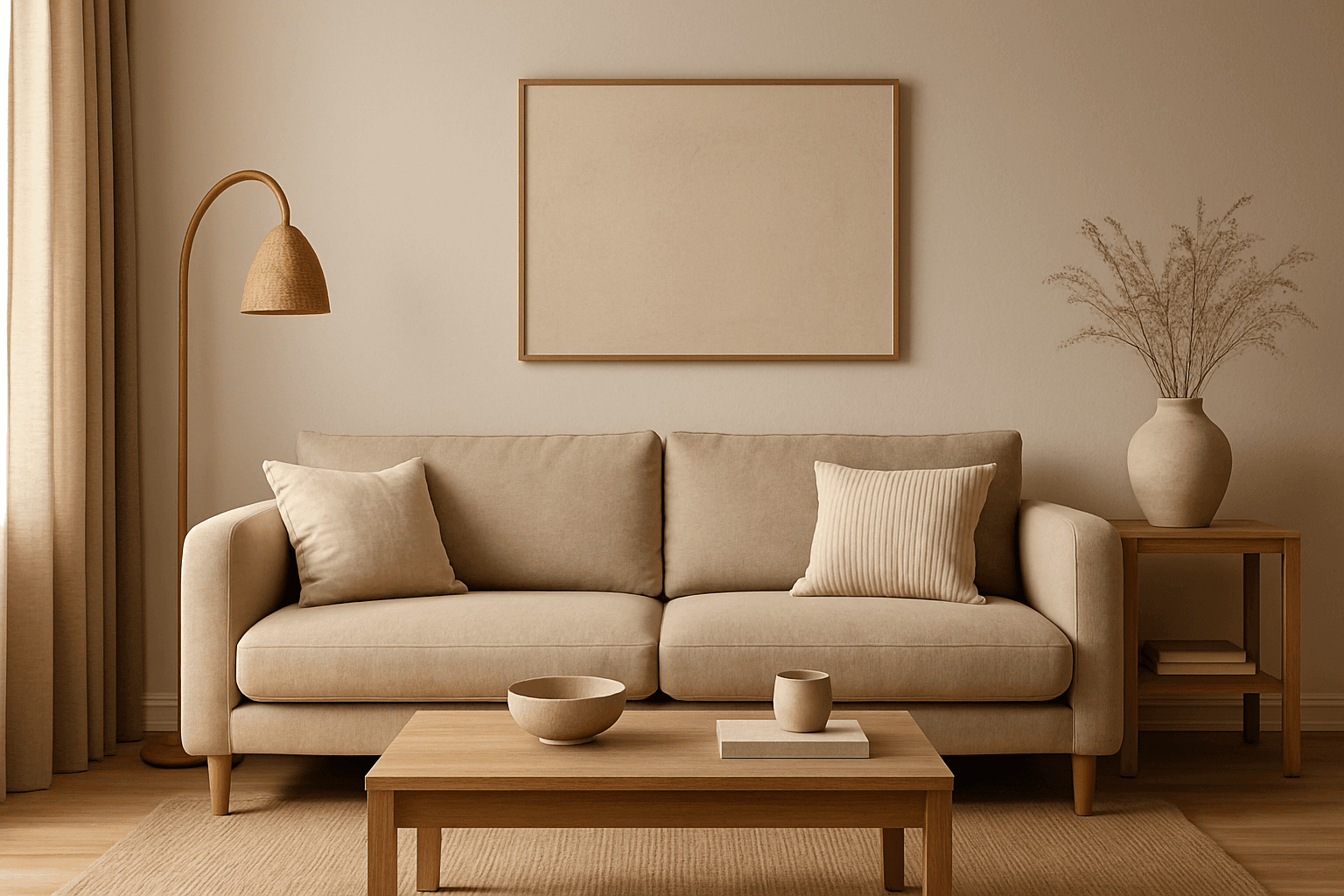
The Warm Neutral Palette is a popular color scheme choice in design and AI-generated imagery for its timeless and soothing qualities. This palette combines warm earthy tones with soft neutrals, producing images that feel natural and approachable. Incorporating warm neutrals can enhance mood by bringing subtle warmth and comfort to visuals without overpowering them. When added to AI prompts, it guides the model to emphasize harmonious colors that evoke calmness and sophistication. The palette works well across various genres, including lifestyle, interiors, fashion, and nature themes, helping create polished and refined visuals suitable for editorial or commercial use.
Monochromatic Red Tones
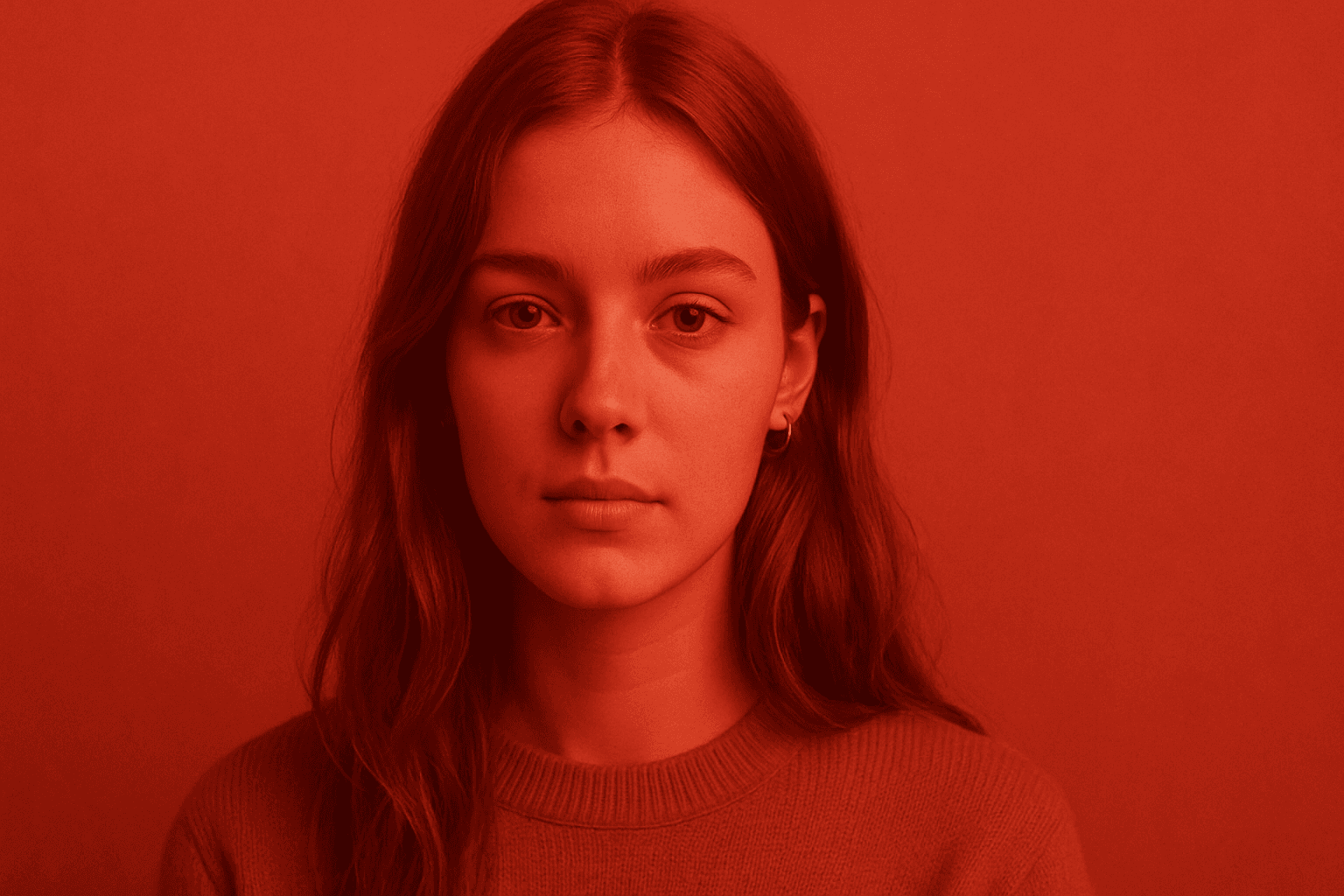
Monochromatic Red Tones is a powerful color approach in AI image generation that emphasizes various shades, tints, and tones of red exclusively. This technique reinforces emotional impact, typically evoking passion, warmth, or intensity, depending on the red variations used. By focusing on a single color family, it simplifies the visual narrative and heightens composition cohesion. Designers and creators leverage this color scheme to create striking editorial images, fashion visuals, or conceptual art where red's symbolic power is essential. Using Monochromatic Red Tones in AI prompts helps achieve images with a unified palette that feels refined and emotionally charged.
Morandi Palette
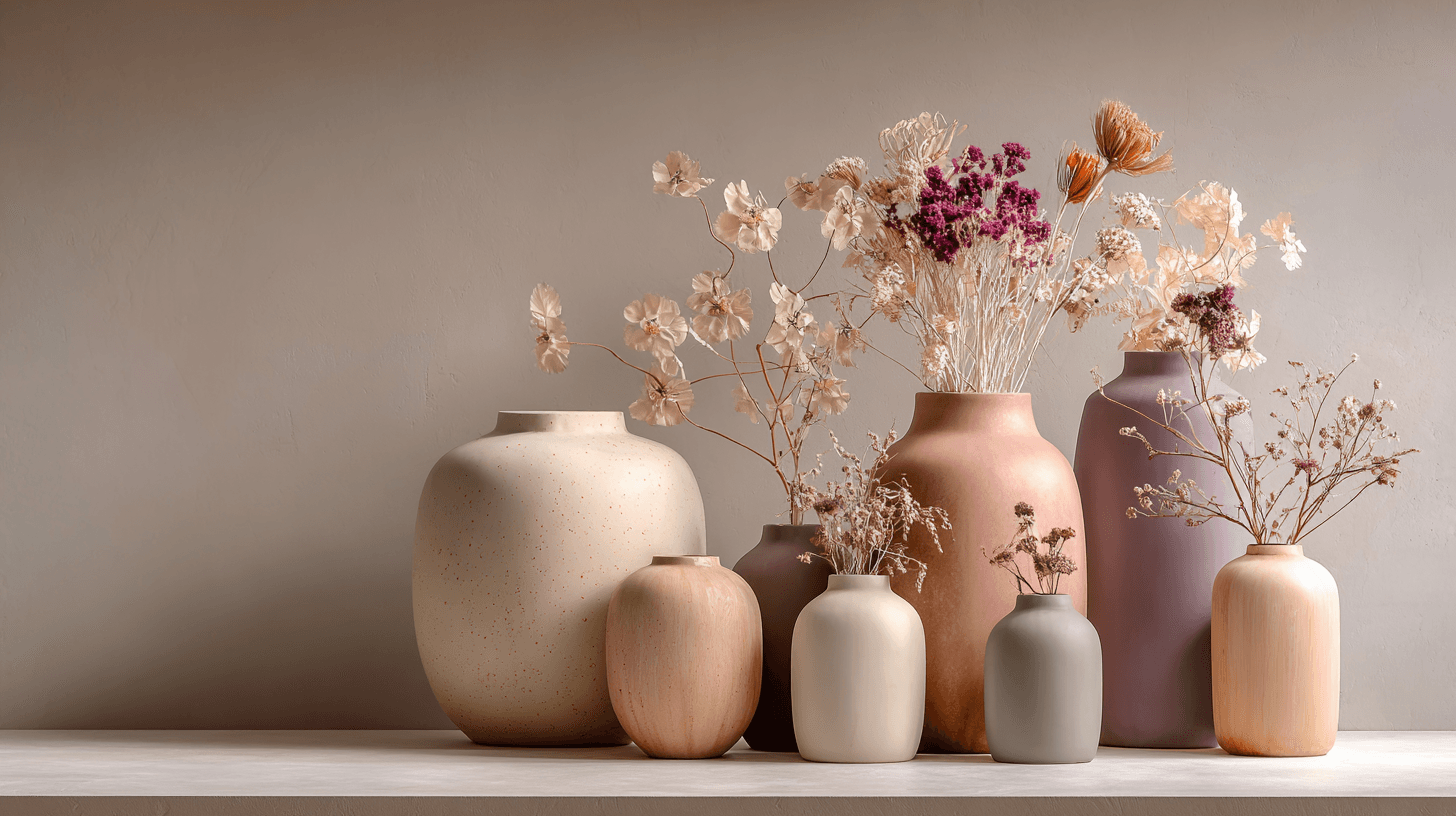
Morandi Palette is a color keyword inspired by the quiet, dusty tones associated with painter Giorgio Morandi. In AI image prompts, it usually points the model toward muted, low-saturation colors such as dusty rose, warm gray, clay, sage, beige, soft blue, faded mauve, and stone. The effect is refined, calm, and slightly editorial. This palette is useful when you want an image to feel sophisticated without becoming cold or overly minimal. For beginners, Morandi Palette is a practical way to control color harmony. It can make a scene feel more tasteful, cohesive, and brand-ready, especially when default AI colors look too bright or artificial.