High Contrast Colors
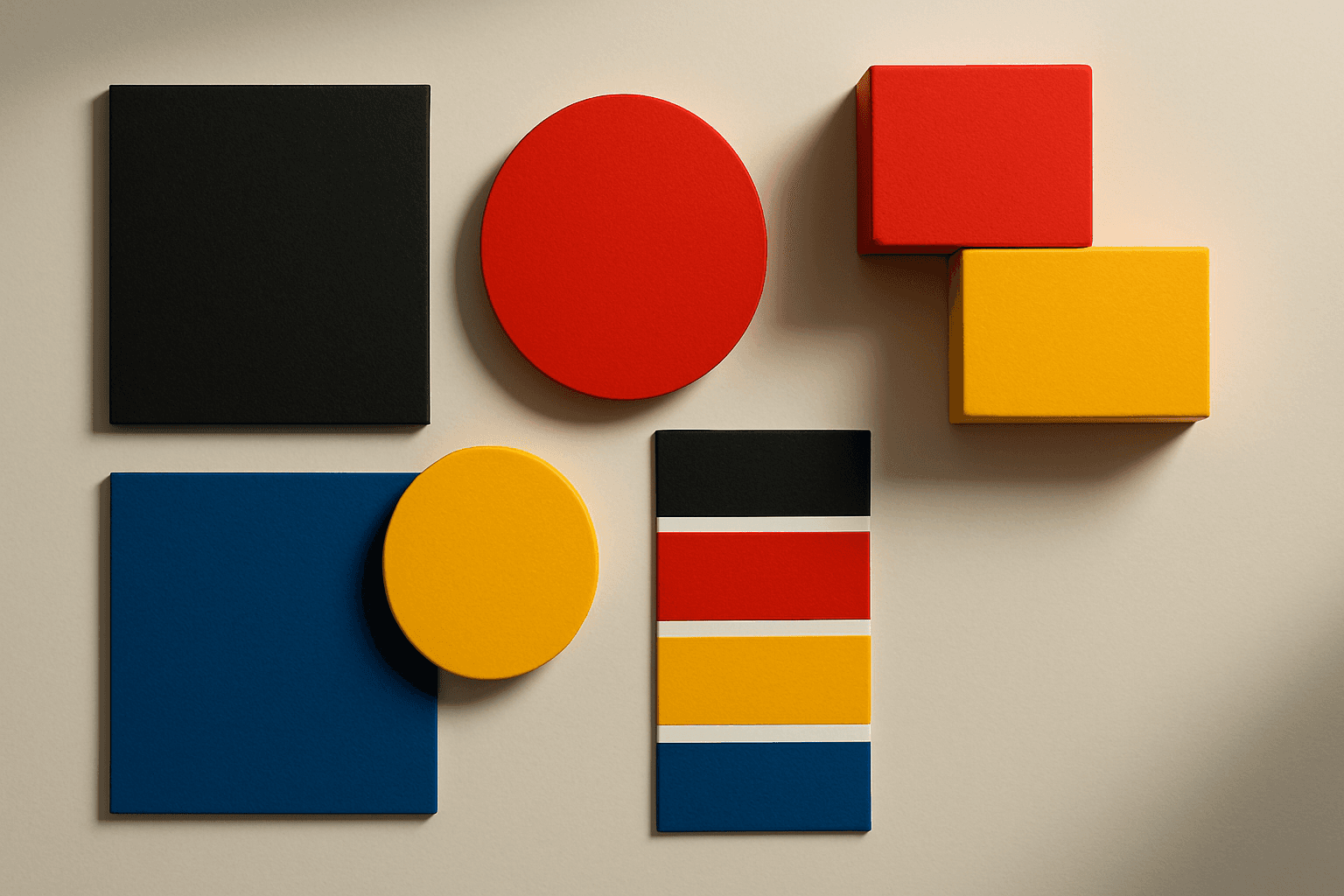
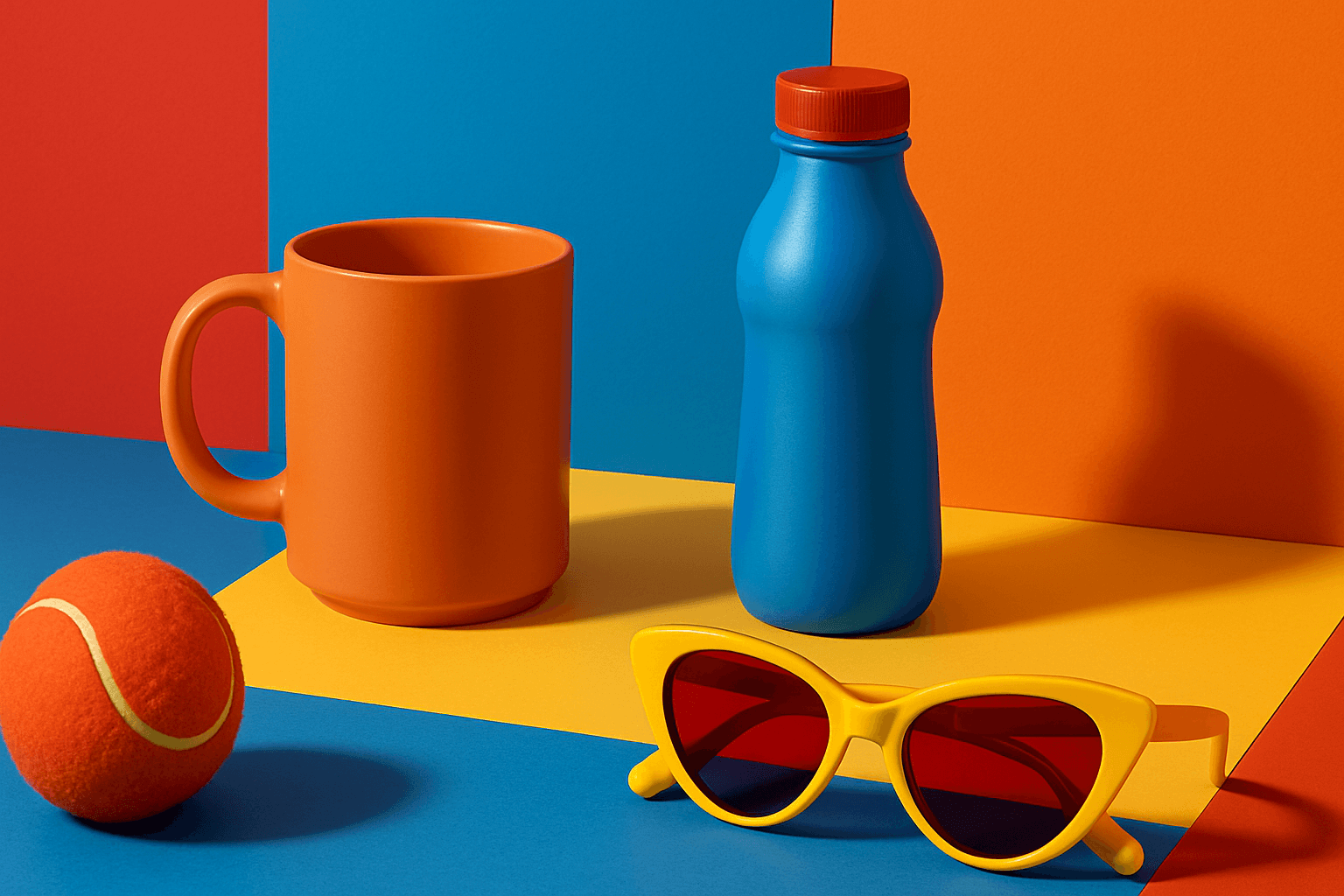
High Contrast Colors use strong differences in hue, value, or saturation to create visual impact. They help subjects stand out quickly.
Definition
High Contrast Colors use strong differences in hue, value, or saturation to create visual impact. They help subjects stand out quickly.
Visual Characteristics
- Bold color separation, strong light-dark contrast, or vivid opposing hues.
- Energetic, graphic, advertising-friendly, and attention-grabbing mood.
- Works with sports, posters, fashion, tech, entertainment, and product launches.
Best Use Cases
- Ads, posters, social thumbnails, product launches, sports campaigns, and music visuals.
- Images that need instant readability or strong visual hierarchy.
- Commercial concepts about energy, competition, confidence, action, and innovation.
Prompt Examples
- A bold sports shoe campaign image, high contrast colors, hard light, dynamic composition.
- A technology product poster with high contrast colors, blue and orange palette, clean studio lighting.
- A fashion editorial with high contrast colors, graphic background, strong pose, commercial style.
Adobe Stock Potential
High Contrast Colors can perform well for promotional stock and thumbnails. Keep the palette controlled and the subject clear so the image does not feel chaotic.
FAQ
Are high contrast colors always vibrant?
No. Contrast can come from light and dark values as well as saturation.
How do I control high contrast palettes?
Use one dominant color and one accent, or specify a limited palette.
Continue Exploring
Related Prompts
Complementary Colors
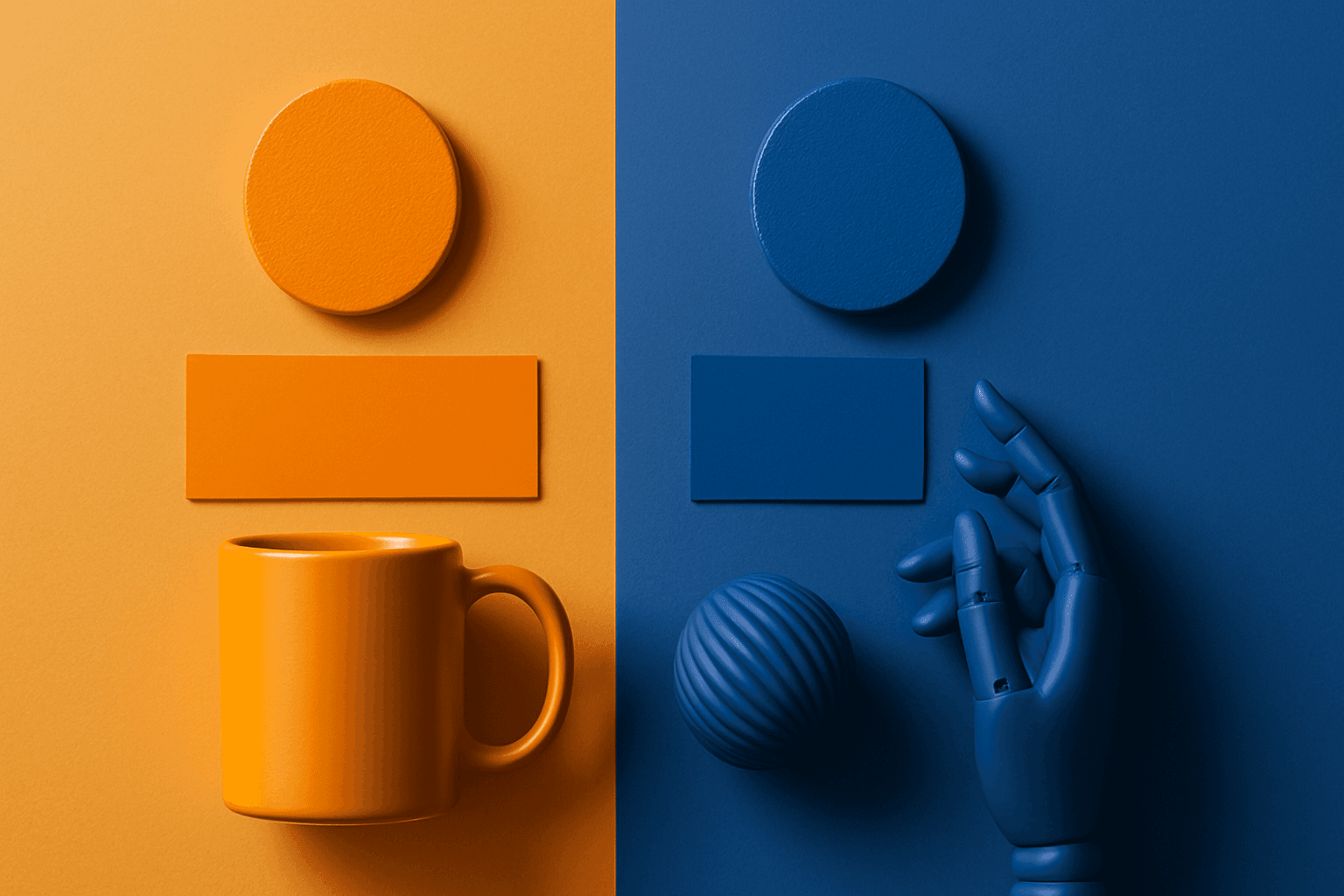
Complementary Colors are useful when an AI image needs to stand out quickly. The contrast can make a subject pop, create visual tension, and improve thumbnail impact. This keyword is common in movie posters, sports ads, product campaigns, music visuals, gaming art, and modern editorial imagery. For beginners, the key is balance: complementary palettes work best when one color leads and the opposite color supports it.
Vibrant Colors
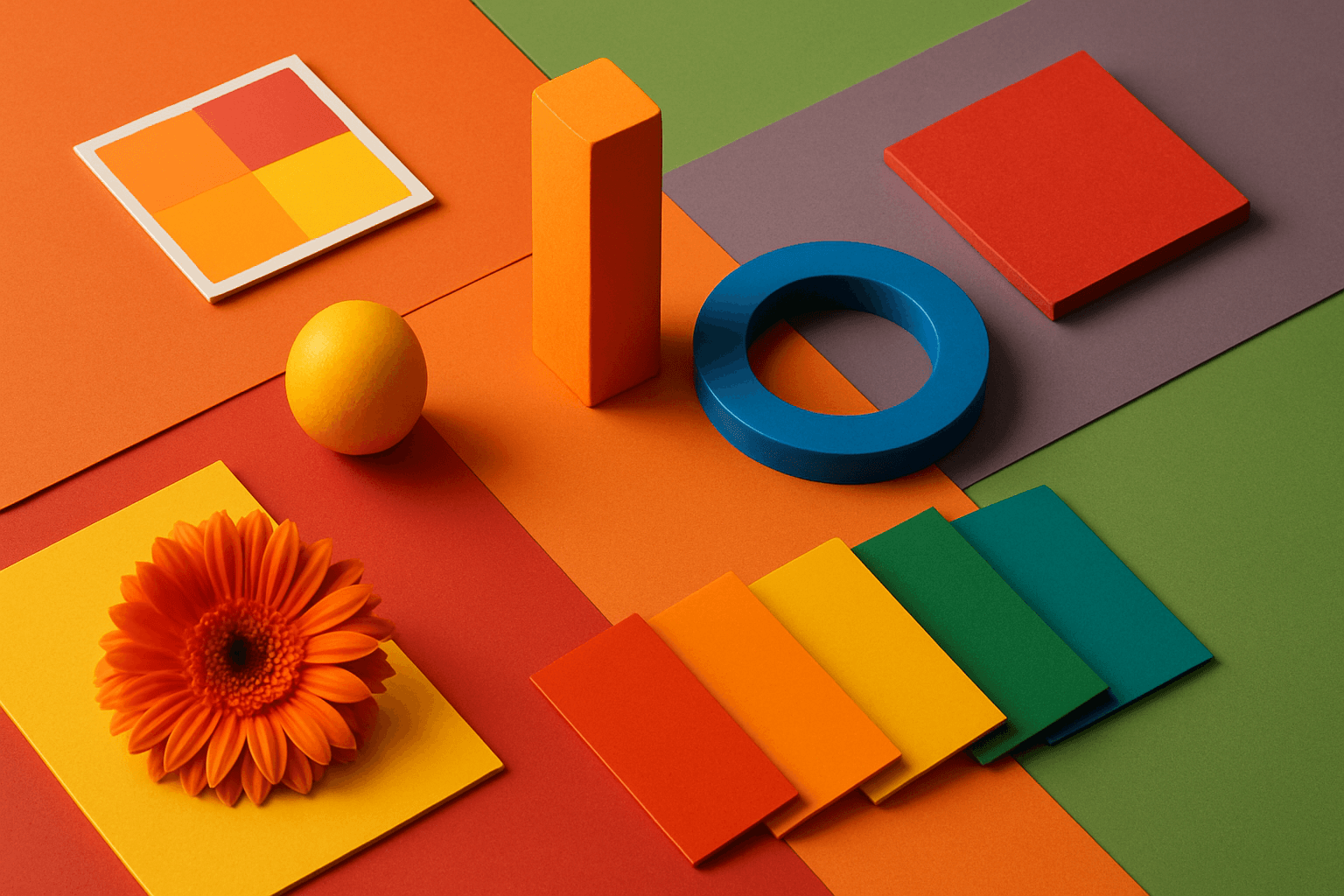
Vibrant Colors are useful when you want an AI image to grab attention quickly. They can make products look exciting, posters feel energetic, and social content stand out in feeds. This keyword is powerful for commercial creators, but it needs control. Too many saturated colors can feel chaotic or cheap. The best vibrant images usually have a clear subject, strong composition, and a limited set of bold colors.
High Contrast Color Palette
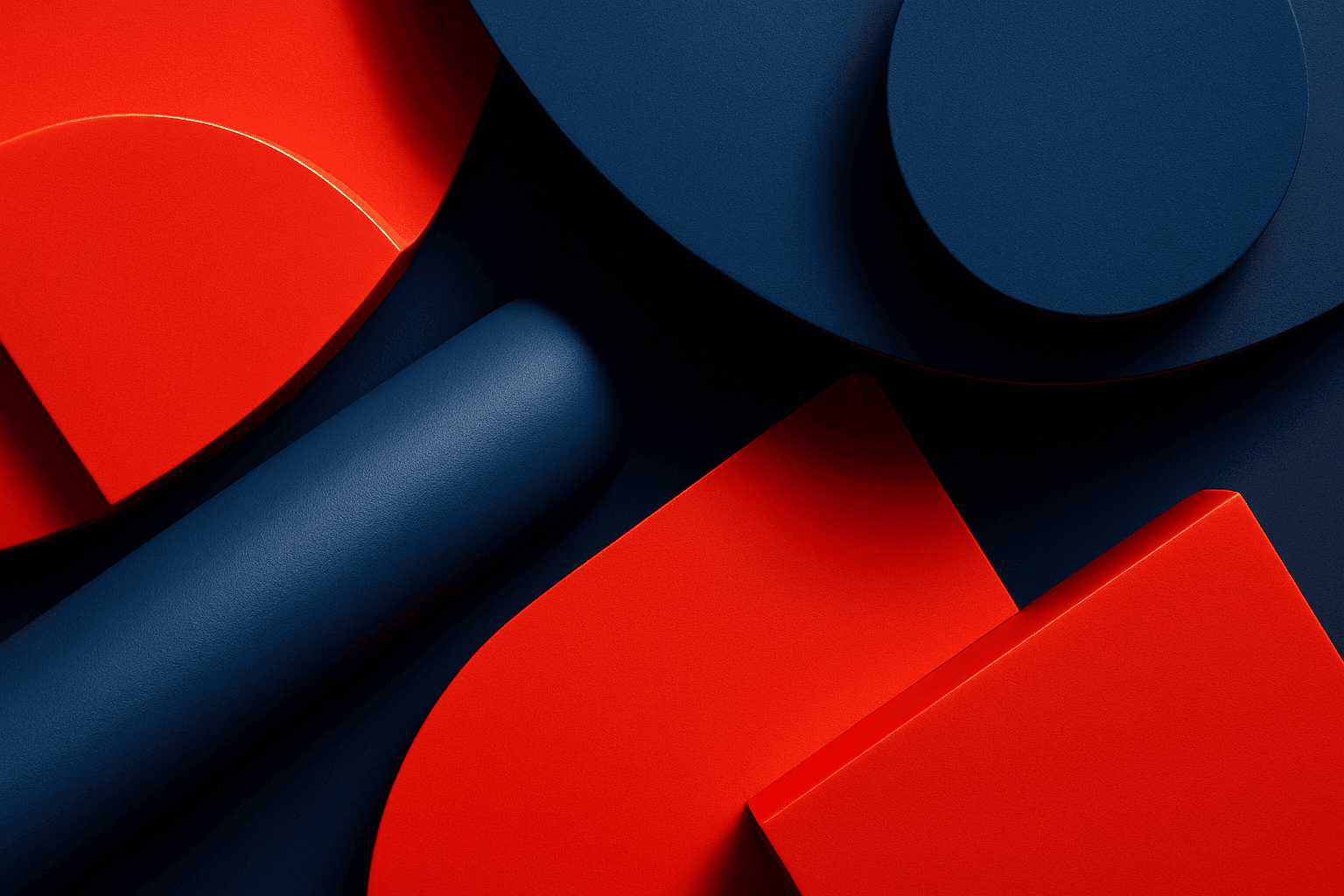
A high contrast color palette significantly influences the mood and readability of visual content by emphasizing sharp differences between colors. This palette amplifies distinctions in tones and hues, resulting in images that feel vibrant, bold, and attention-grabbing. In AI image generation, specifying this keyword encourages models to produce compositions that highlight color differences, rather than blending or muted schemes. This enhances subject prominence and can evoke emotional responses or create memorable visuals, essential in advertising, editorial design, and digital art.
Vibrant Contrast Hues
Vibrant Contrast Hues represent an essential color strategy in AI-generated imagery where vivid and complementary colors are juxtaposed to maximize visual appeal. Applying this concept in prompts leads to images with heightened energy and attention-grabbing qualities, often preferred in marketing materials, editorial photography, and creative digital art. The technique manipulates color relationships to create mood and focus, making elements within the frame more prominent and memorable. Integrating vibrant contrast hues can transform an ordinary image into a visually compelling composition that draws the eye and communicates with clarity and boldness.

Duochrome Contrast Palette
Using a Duochrome Contrast Palette in AI-generated images involves combining two distinct contrasting colors to produce lively, attention-grabbing visuals. This method enhances compositions by providing a harmonious yet striking balance between two hues, often playing with differences in saturation, brightness, or temperature to add depth and vibrancy. Ideal for editorial designs, product renders, and artistic portraits, this palette style helps images stand out with refined color clarity and intensity, evoking strong mood and atmosphere.
Monochromatic Colors
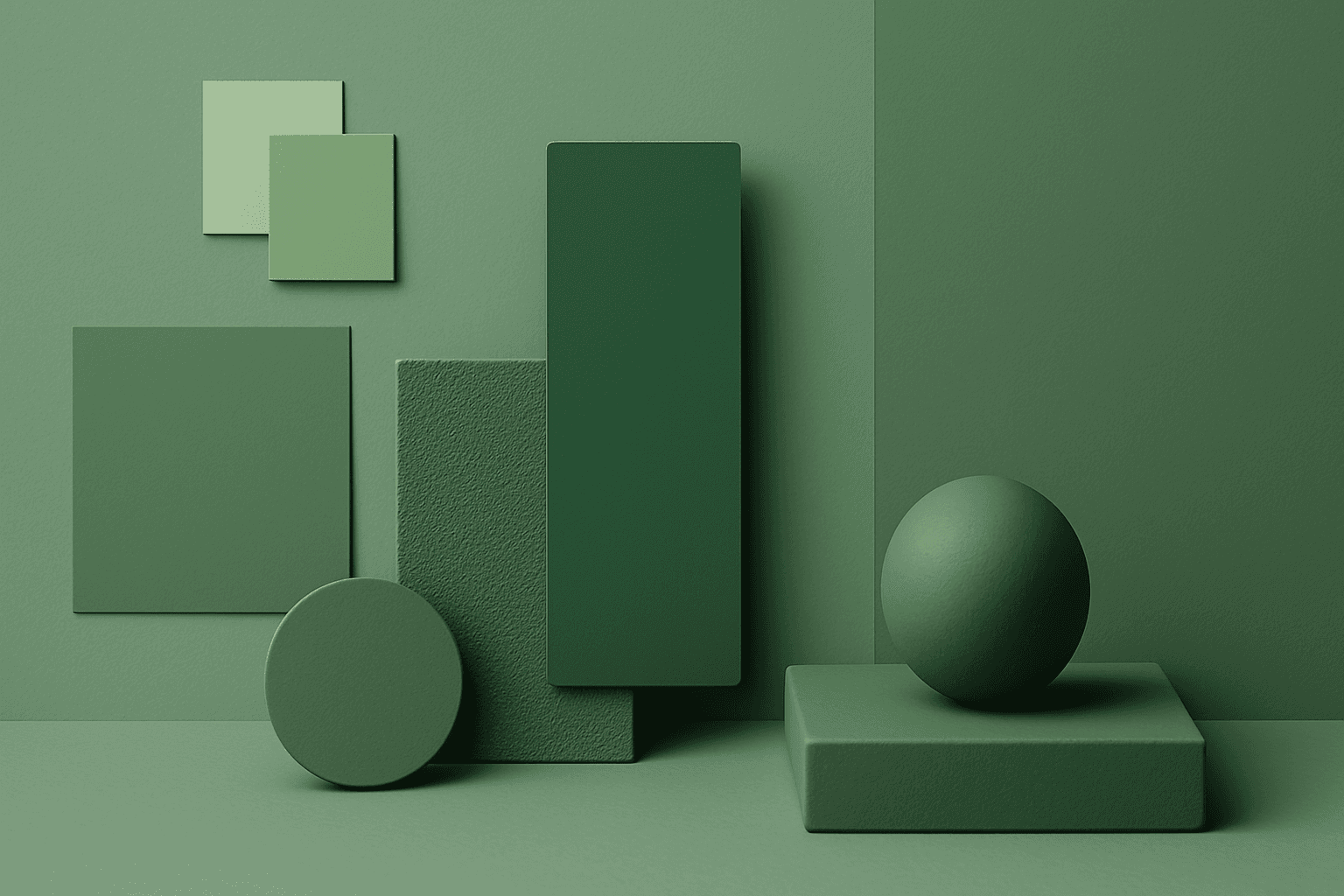
Monochromatic Colors are useful when an AI image needs strong cohesion and a design-led feel. Because the palette is limited, the viewer pays more attention to form, light, texture, and layout. This can make images feel editorial, premium, minimal, or graphic. For stock creators, monochromatic images can be useful for backgrounds, posters, fashion, architecture, product shots, and brand campaigns where color consistency matters.