Triadic Color Scheme
The triadic color scheme is a classic color theory concept widely used in art and design, characterized by choosing three colors equally spaced around the color wheel, such as red, yellow, and blue. This approach produces vibrant, balanced images that are visually stimulating yet cohesive. When integrated into AI image generation prompts, directing the model to use a triadic palette influences the overall color composition, encouraging distinct color blocks or gradients that harmonize well. This can be particularly useful for achieving dynamic but balanced aesthetics, making compositions stand out while maintaining visual unity. Triadic schemes often evoke a lively, engaging mood, suitable for varied creative fields including branding, illustration, and editorial design.
Definition
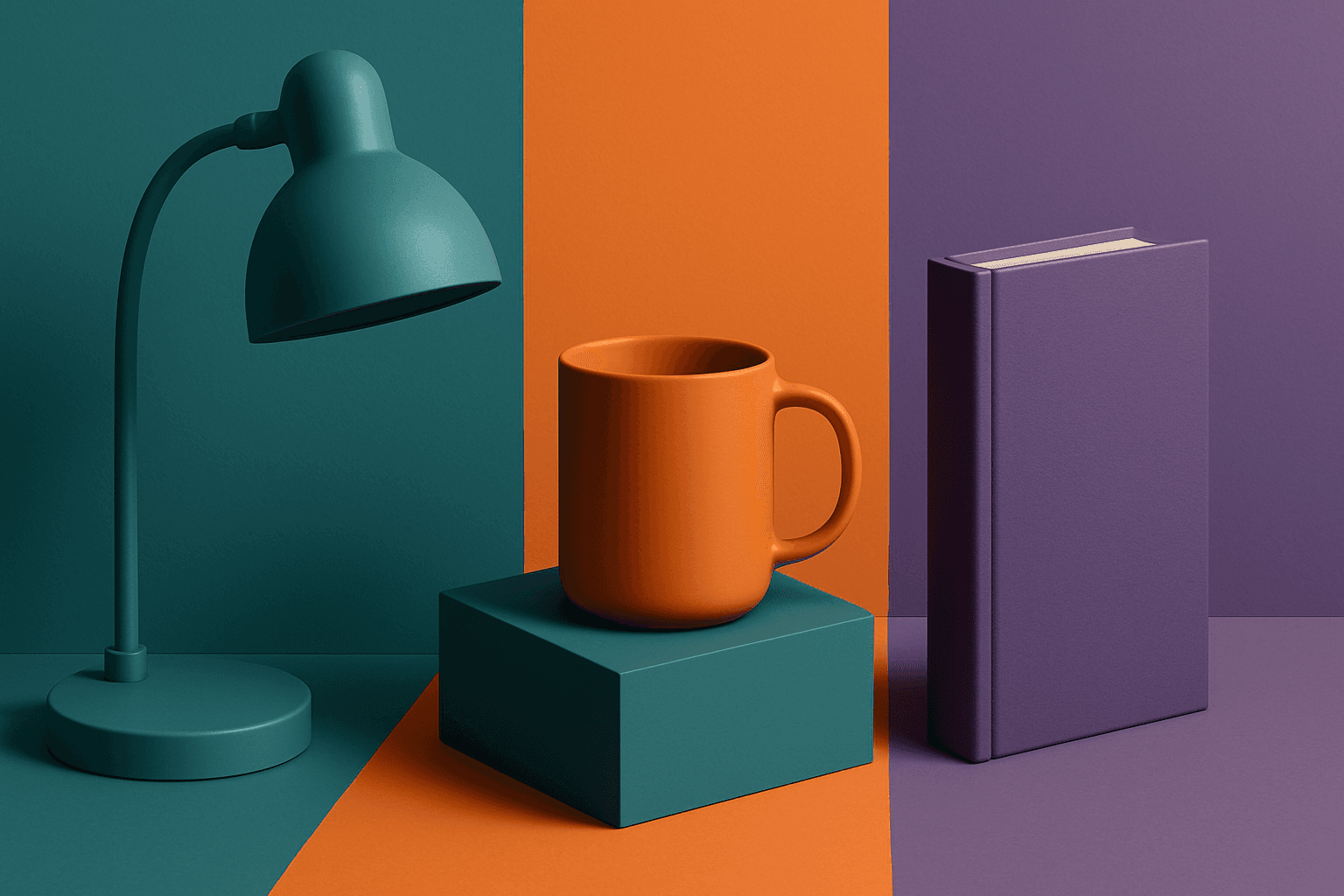
A triadic color scheme involves selecting three colors equally spaced around the color wheel, such as red, yellow, and blue. Including this in an AI prompt directs the model to balance these three hues throughout the image, delivering vibrant and harmonious visuals. The approach enriches color contrast without overwhelming the composition, making the scene visually appealing and balanced.
Prompt Formula
Use the triadic color scheme keyword in combination with specific colors and descriptive lighting or style cues to control the mood and dynamic balance. Common formulas include:
- 'triadic color scheme of [color 1], [color 2], and [color 3]'
- 'vibrant triadic color palette featuring [color 1], [color 2], and [color 3]'
- 'balanced triadic hues with emphasis on [dominant color], [secondary color], and [accent color]'
- 'modern composition with triadic colors and [lighting style]'
- 'illustration using a triadic scheme: [color 1], [color 2], [color 3] for harmonious contrast'
Best Use Cases
- Vibrant graphic design and digital illustration requiring balanced, striking color compositions
- Fashion and interior design concepts where distinct but harmonious color contrasts define mood
- Brand identity visuals needing three main colors to express brand personality with color harmony
Industry Applications
The triadic color scheme keyword is versatile across several commercial sectors. In advertising, it helps create eye-catching campaigns by producing vivid yet balanced color contrasts that attract consumer attention. Editorial design benefits from triadic palettes that add visual dynamism while maintaining cohesion in magazine layouts and illustrations. Ecommerce uses triadic colors to enhance product photography or promotional visuals, making products stand out without overwhelming shoppers, effectively supporting brand consistency and appeal.
- Advertising for creating bold and vibrant campaign visuals
- Editorial layouts and illustrations requiring harmonious yet dynamic colors
- Ecommerce imagery enhancing product appeal through balanced color contrast
Common Mistakes
Common errors when using triadic color schemes in prompts include specifying colors that are not evenly spaced on the color wheel, resulting in clashing or muddied visuals. Another mistake is overusing saturation or pairing colors with poor contrast, which can confuse the composition's balance. Avoid vague instructions that don't clarify the specific hues to pair, as AI may default to generic or dull palettes. Ensuring clear, precise color selection avoids unrealistic or overly garish results.
- Not selecting three colors evenly spaced on the color wheel
- Over-saturating colors leading to harsh or unrealistic images
- Using vague color descriptions without specifying exact hues
- Ignoring color balance causing muddy or clashing visuals
- Neglecting lighting and material details that affect how colors appear
Advanced Techniques
Experienced prompt designers can refine triadic color schemes by combining them with modifiers that control lighting, material reflections, or focal emphasis on individual hues. Layering triadic palettes with style descriptors like 'pastel triadic colors' or 'neon triadic glow' can produce nuanced moods. Additionally, constraining the scheme to specific color temperature zones (warm or cool triadic sets) and balancing saturation levels helps achieve realistic or surreal effects. Using complementary color accents alongside triadic bases can further enrich visual complexity while maintaining harmony.
- Combine triadic scheme with lighting descriptors such as 'soft ambient light' or 'dramatic shadows'
- Specify color modifiers like 'muted triadic tones' or 'high-saturation triadic colors'
- Incorporate texture and material details to influence color reflection and absorption
- Balance warm and cool triadic color temperatures within the palette
- Add complementary highlights or accents to triadic foundations for complexity
FAQ
What is a triadic color scheme in AI image prompts?
It is a method of specifying three equally spaced colors on the color wheel to achieve vibrant, balanced visuals with strong harmonious contrast.
How do I avoid muddy colors when using triadic schemes in prompts?
Specify exact hues evenly spaced on the color wheel and control saturation and lighting to maintain clarity and vividness.
Continue Exploring
Related Prompts
Harmonious Color Triads
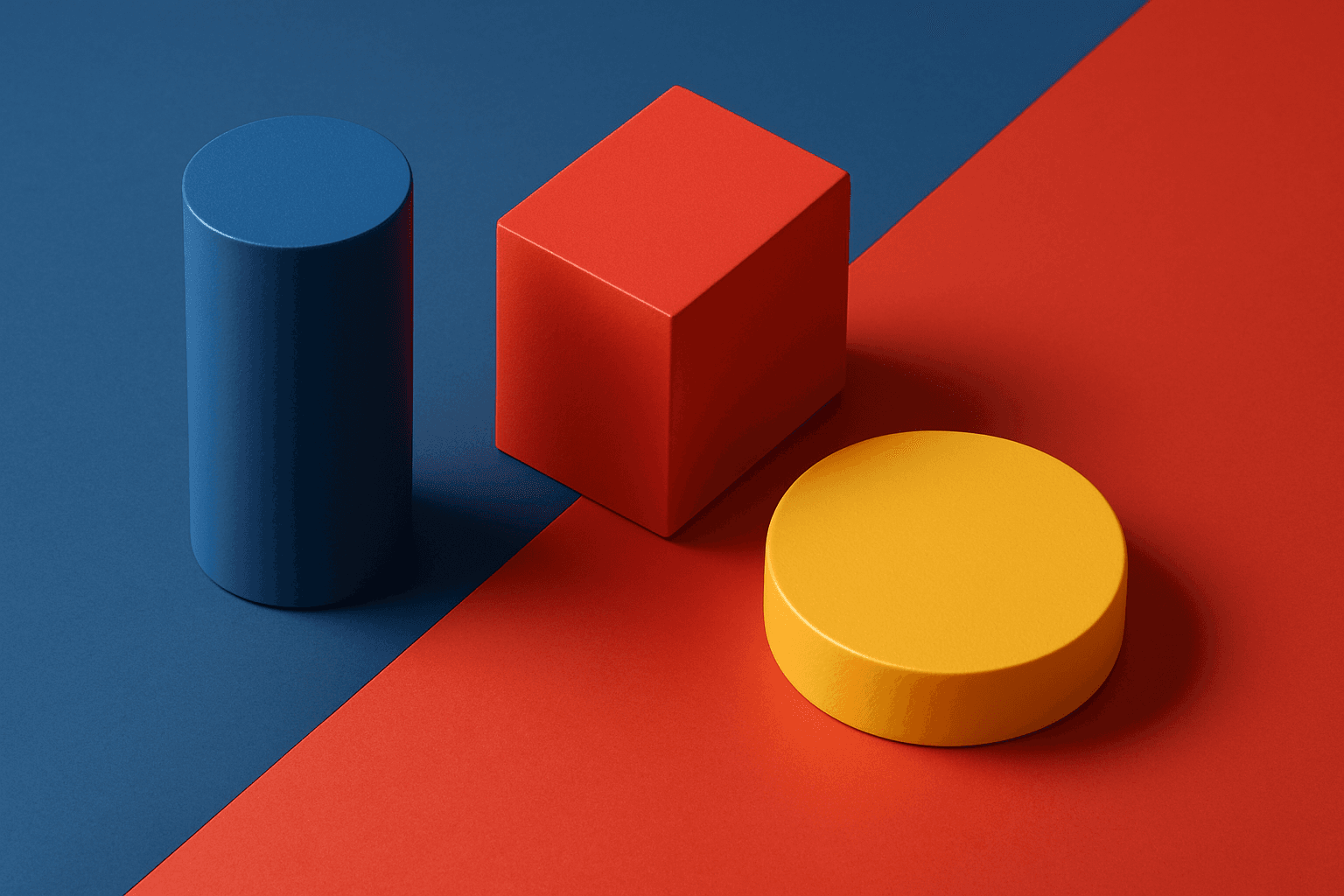
Harmonious color triads form a foundational concept in color theory, used to compose striking yet balanced color palettes by selecting three colors spaced evenly around the color wheel (120 degrees apart). In AI image generation, including harmonious color triads in prompts helps produce artworks or designs that display vibrant, dynamic color interplay while maintaining visual balance and unity. This technique prevents color over-saturation or dullness, enabling creation of visuals that feel lively without clashing. It is especially valued in editorial design, branding, digital art, and product visualization where color harmony impacts emotional and aesthetic response.
Triadic Color Harmony
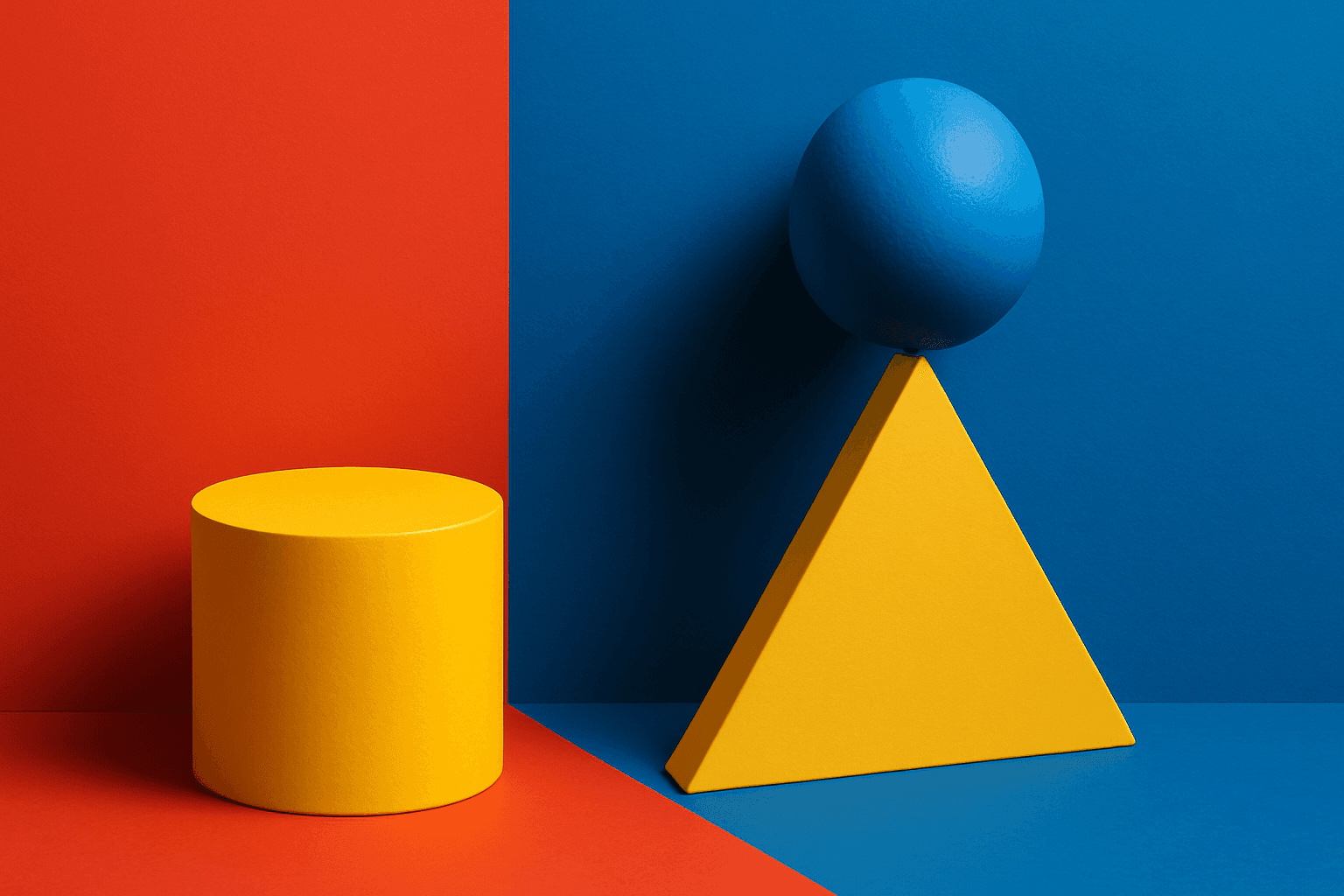
Triadic Color Harmony offers AI artists a powerful tool to create vibrant and balanced images by leveraging three colors equally spaced around the color wheel. This color scheme is known for producing striking yet harmonious compositions, making it ideal for colorful illustrations that maintain visual equilibrium. Including 'triadic color harmony' in your AI prompt encourages the model to incorporate this classic palette principle, resulting in images that pop with life but remain visually comfortable. This technique enhances themes ranging from nature scenes to abstract art and graphic design, providing a versatile framework for compelling color use.
Triadic Color Harmonies
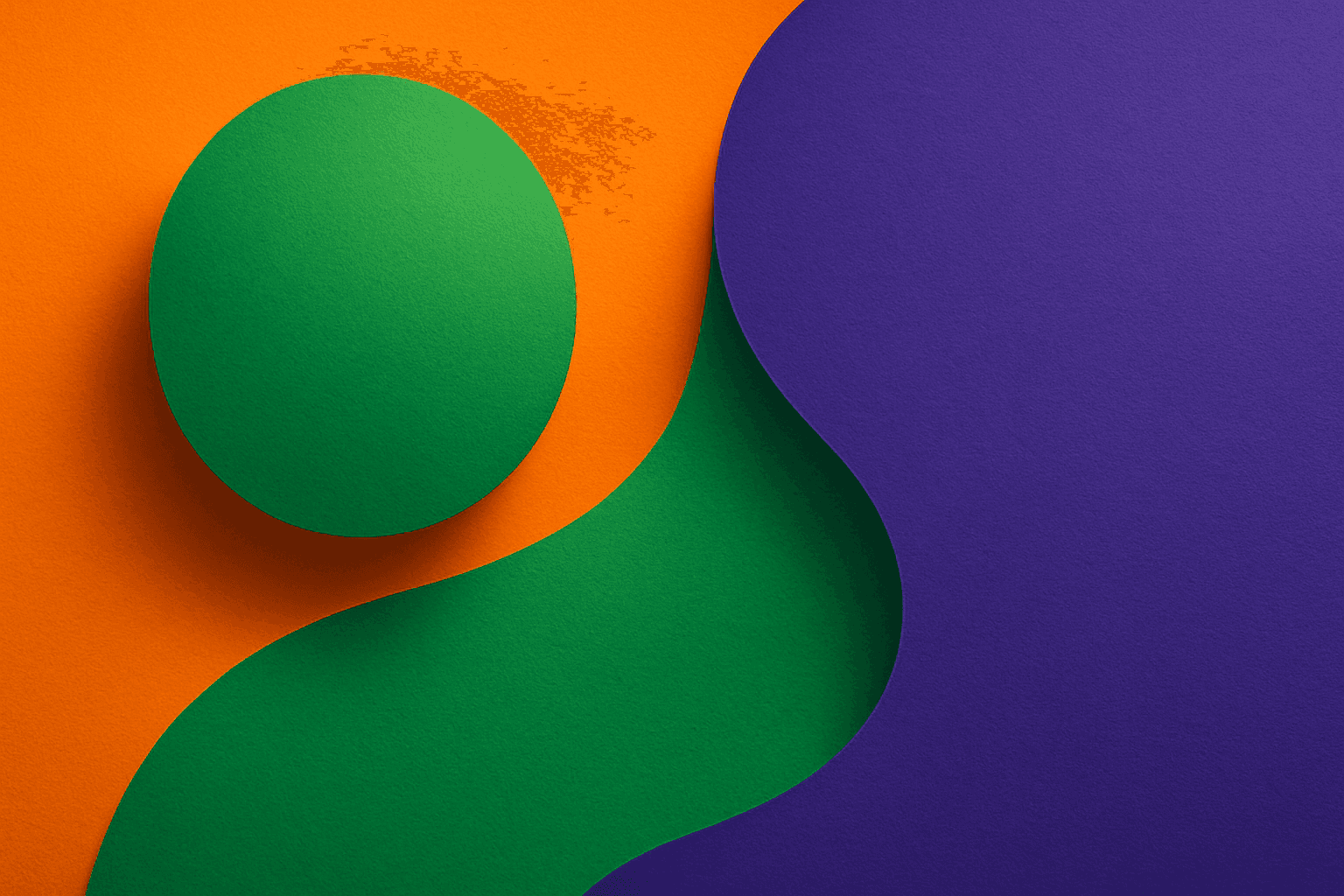
Triadic color harmonies provide a powerful method to generate visually striking AI images with balanced contrast. By selecting three colors evenly distributed on the color wheel, this technique injects vibrancy and diversity into the palette while maintaining harmony. When included in AI image prompts, it helps produce compositions that pop with color but remain cohesive, suitable for a wide range of creative projects. This approach avoids monotone or clashing visuals and offers a natural yet exciting look. Understanding and applying triadic color harmonies in prompts empowers creators to craft images that stand out with rich, lively color schemes across digital art, design mockups, and branding visuals.

Analogous Warm Color Scheme
Analogous Warm Color Schemes employ colors adjacent on the color wheel within warm tones—reds, oranges, and yellows—to produce harmonious, vibrant images. In AI-generated art, specifying this scheme guides the model to focus on these related colors, resulting in visuals that feel unified and energetic. This scheme evokes warmth, comfort, and optimism, excellent for compositions needing a welcoming or lively mood. Using it strategically in prompts helps artists and designers achieve balanced, naturally blended color palettes that enhance emotional impact without overwhelming the viewer.

Muted Pastel Color Scheme
The muted pastel color scheme is popular in digital art and design for its delicate, understated quality. Unlike vibrant pastels, muted pastels involve desaturation and slight grey undertones, delivering a refined and peaceful visual experience. When included in AI image prompts, it guides models to focus on gentle colors that evoke softness and subtlety, making the images feel airy and inviting rather than vivid or loud. This approach works well for lifestyle, fashion, illustration, and branding content that aims to be modern, approachable, and aesthetically pleasing while maintaining elegance.

Monochromatic Color Scheme
Monochromatic color schemes leverage variations of one hue, combined with black or white, to build visually appealing images that convey mood and cohesiveness. This approach simplifies color interactions, allowing AI-generated artworks to focus on texture, lighting, and detail without distraction from multiple colors. In prompt engineering, adding this keyword helps produce images with elegant color unity often favored in editorial, fashion, and product photography. It aids in evoking specific emotions like calmness, sophistication, or minimalism by restricting the palette and accentuating tonal relationships.