Duotone Colors
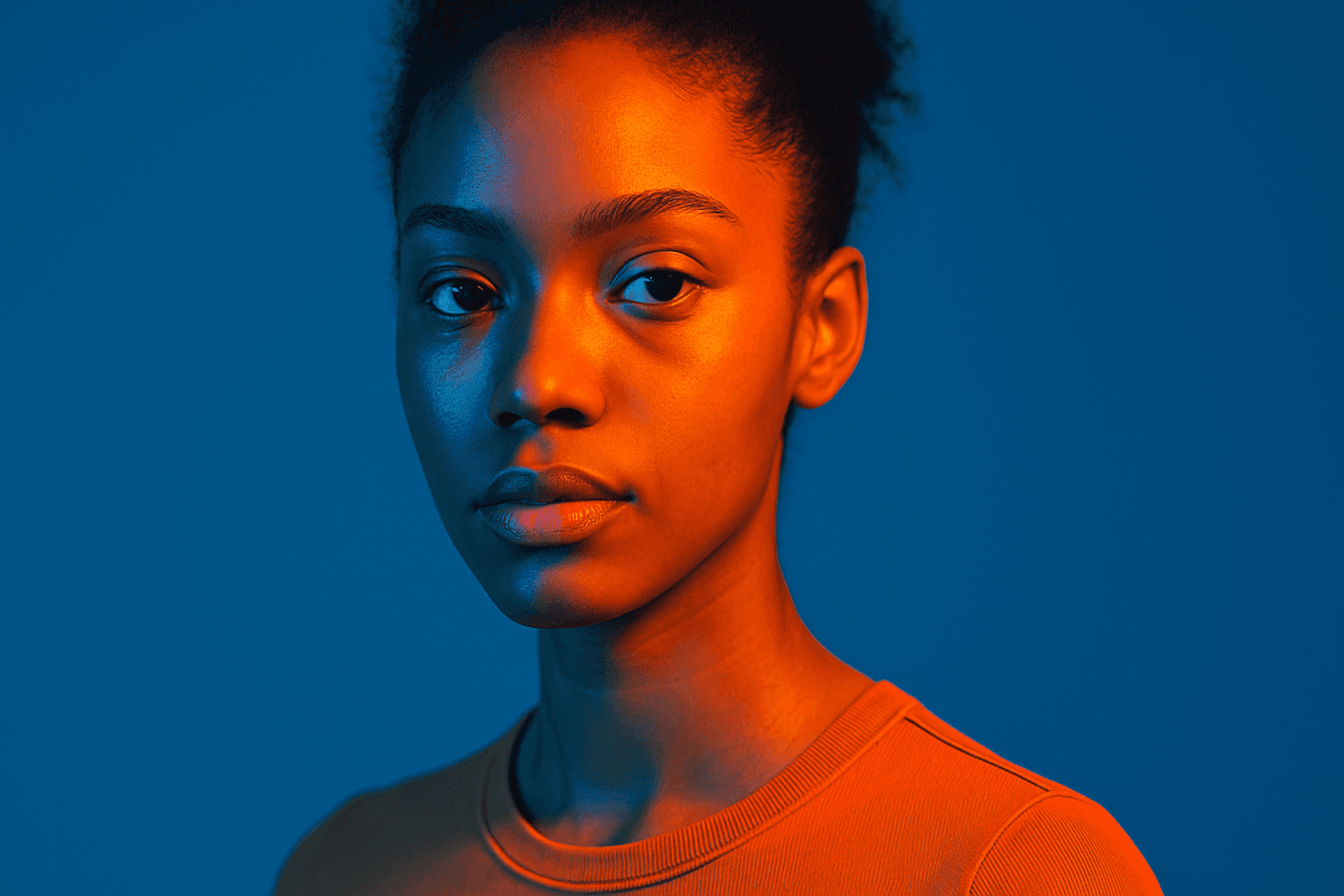
Duotone colors combine two distinct hues—often contrasting—to produce visually impactful images that balance simplicity and dynamism. This technique became popular in photography and graphic design where it adds a modern, artistic touch by emphasizing shadows and highlights through just two colors. Duotone visuals work well in various media including digital art, branding, and advertising. By limiting the color scheme, duotone designs offer clarity and a bold aesthetic that can communicate emotion effectively. With advances in AI image generation and editing, creating duotone visuals has become straightforward, allowing designers to experiment with color combinations and achieve stylized imagery that stands out.
Definition
Duotone colors refer to a design technique that uses two contrasting colors to create striking visual effects. Originally popularized in print media by overlaying two ink colors, duotone enhances depth, mood, and contrast in images, logos, or graphics. This method simplifies the color palette while adding artistic flair.
Visual Characteristics
- Uses two dominant contrasting colors
- Creates strong visual contrast and mood
- Simplifies images with minimal color palette
Best Use Cases
- Branding and logo design for memorable identities
- Hero images or website banners to create visual impact
- Advertising campaigns to evoke strong emotional responses
Prompt Examples
- Create a portrait with vibrant blue and orange duotone colors, minimal background
- Generate a cityscape using purple and yellow duotone, highlighting shadows
- Design a product shot in green and pink duotone emphasizing contours and materials
Adobe Stock Potential
Duotone images have significant potential on platforms like Adobe Stock, appealing to designers and marketers seeking trendy yet versatile visuals. Their simplified color schemes reduce complexity while offering striking impact, making them ideal for commercial use in branding, advertising, and digital content. Contributors can benefit by creating a range of duotone-themed assets — portraits, landscapes, product shots — that cater to various industries needing modern and eye-catching imagery. The demand for such stylistically bold yet minimalistic visuals is growing, especially in technology, fashion, and media sectors.
FAQ
What is the difference between duotone and monochrome?
Duotone uses two distinct colors to create contrast, whereas monochrome uses various shades of a single color.
Can I use any colors for duotone designs?
Yes, but contrasting or complementary colors often produce the most visually appealing results.
Is duotone suitable for all types of images?
Duotone works best on images with clear shapes and tonal variation; very complex images may lose detail.
Continue Exploring
Related Prompts
Duotone Contrast Palette
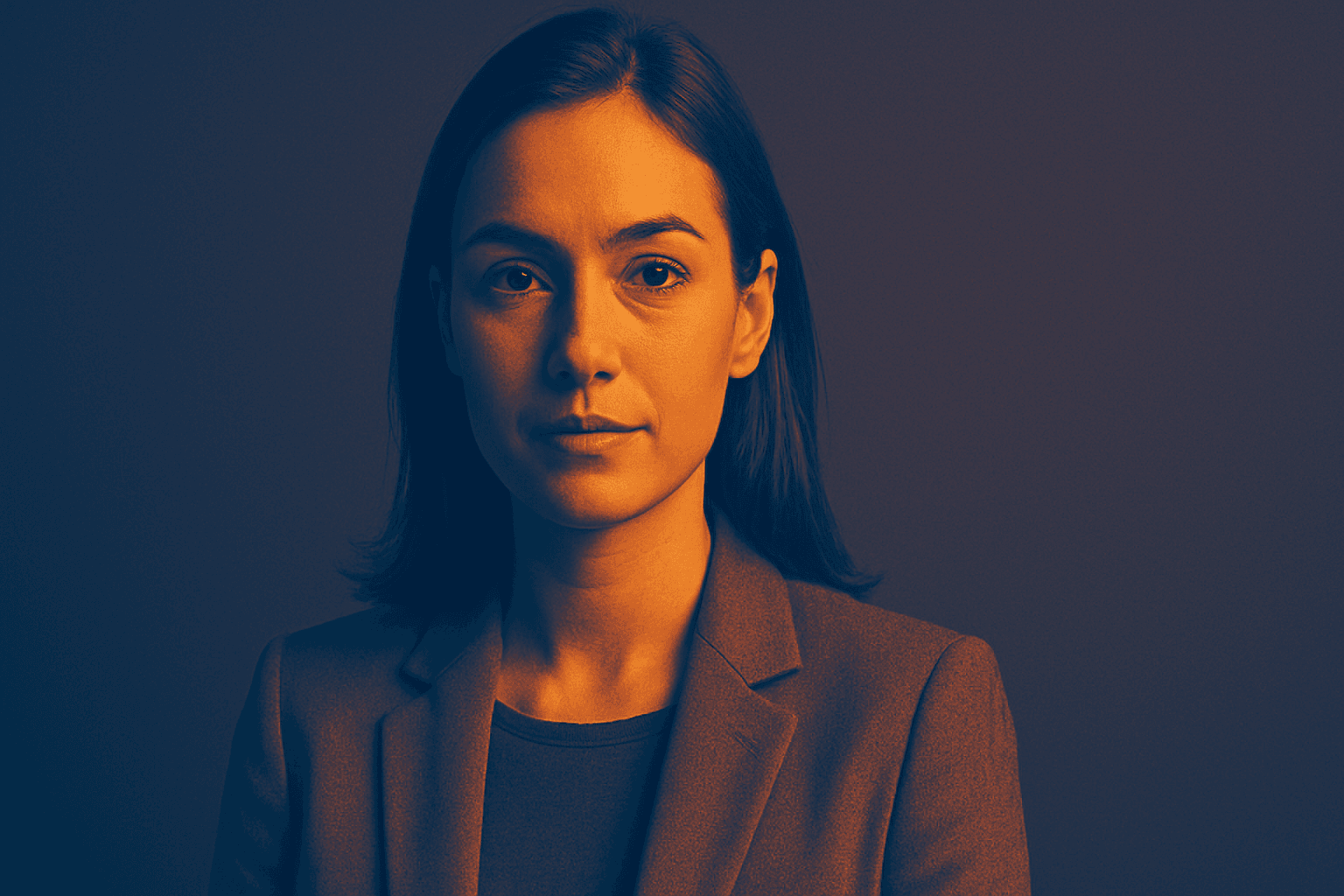
The Duotone Contrast Palette is a contemporary color technique often used in digital art, photography, and graphic design to create visually compelling images. By focusing on two contrasting colors, designers and AI image generators produce striking visuals that enhance mood and emphasize subject contours. This technique simplifies the color landscape, providing boldness and clarity, which is especially effective for editorial images, advertising, or brand messaging. Incorporating it as a prompt keyword guides AI models to generate images that leverage strong color contrasts, appealing to modern aesthetics with a clean, polished finish.

Duochrome Contrast Palette
Using a Duochrome Contrast Palette in AI-generated images involves combining two distinct contrasting colors to produce lively, attention-grabbing visuals. This method enhances compositions by providing a harmonious yet striking balance between two hues, often playing with differences in saturation, brightness, or temperature to add depth and vibrancy. Ideal for editorial designs, product renders, and artistic portraits, this palette style helps images stand out with refined color clarity and intensity, evoking strong mood and atmosphere.
Gradient Colors
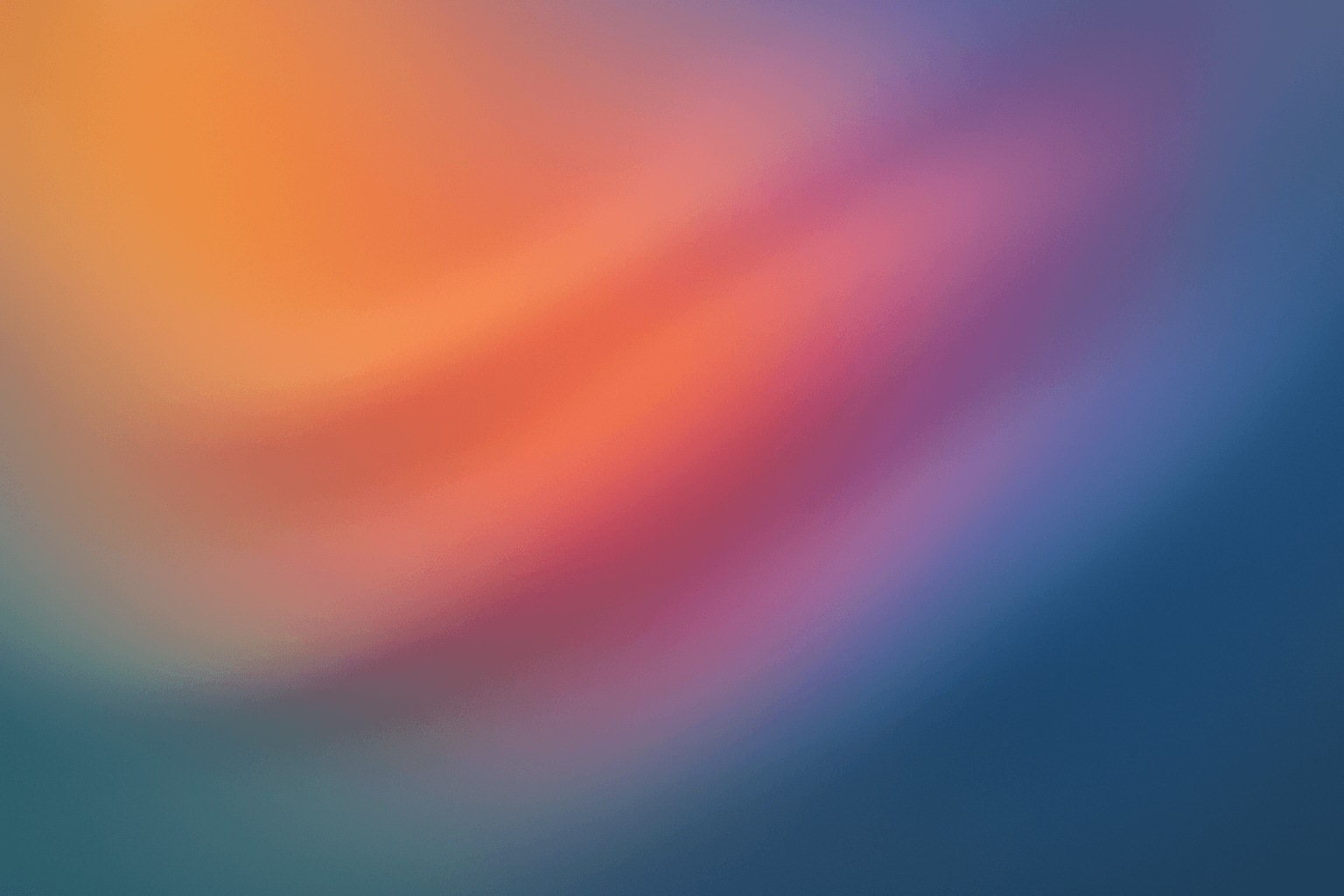
Gradient colors are a popular design element characterized by a seamless shift between two or more colors. They range from subtle transitions, such as a light blush to soft pink, to vibrant combinations like bright blue fading into emerald green. Used widely in digital design, web interfaces, branding, and art, gradients add visual interest and guide the viewer's eye across a composition. Modern tools allow designers to customize gradients with various styles — linear, radial, angular, or diamond-shaped — enhancing the flexibility and creative potential of this technique.

High Saturation Color Palette
Utilizing a High Saturation Color Palette in AI image generation transforms visuals into bold, lively compositions that capture attention instantly. This approach amplifies the color intensity beyond natural or muted levels, creating a vivid scene bursting with hues that feel powerful and immersive. Often chosen for marketing materials, modern art visuals, and stylized photography, artworks generated with high saturation evoke energetic and emotional responses. When combined thoughtfully with lighting, texture, and composition, it creates a striking balance of vibrancy and clarity, making it ideal for covers, header images, and creative projects needing dynamic coloring.

Bright Primary Colors Palette
Using a Bright Primary Colors Palette in AI image generation emphasizes strong, pure colors—red, blue, and yellow—that are fundamental to color theory. This palette brings a dynamic, energetic feel to images, making them instantly attention-grabbing and easily distinguishable. It's ideal for designs aiming to evoke simplicity with power, evoke nostalgia for classic color schemes, or highlight specific elements through contrast. When integrated thoughtfully, it balances vibrancy with clarity, avoiding muddiness or oversaturation. This approach is especially popular in editorial, advertising, and graphic design work where visual directness is key.

Gradient Sky Colors
Incorporating Gradient Sky Colors into AI-generated images significantly enhances the atmospheric quality and visual depth of outdoor scenes. By blending multiple hues in a smooth, gradual fashion, these skies offer a natural yet captivating backdrop that supports various themes such as serenity, romance, or drama. This keyword is especially useful in settings featuring landscapes, cityscapes, or fantasy environments, enriching the emotional tone of an image. Using gradient skies in prompts allows creators to move beyond flat or uniform color skies, enabling more dynamic and mood-driven outputs that resonate well in editorial, advertising, and artistic contexts.