Jewel Tone Colors
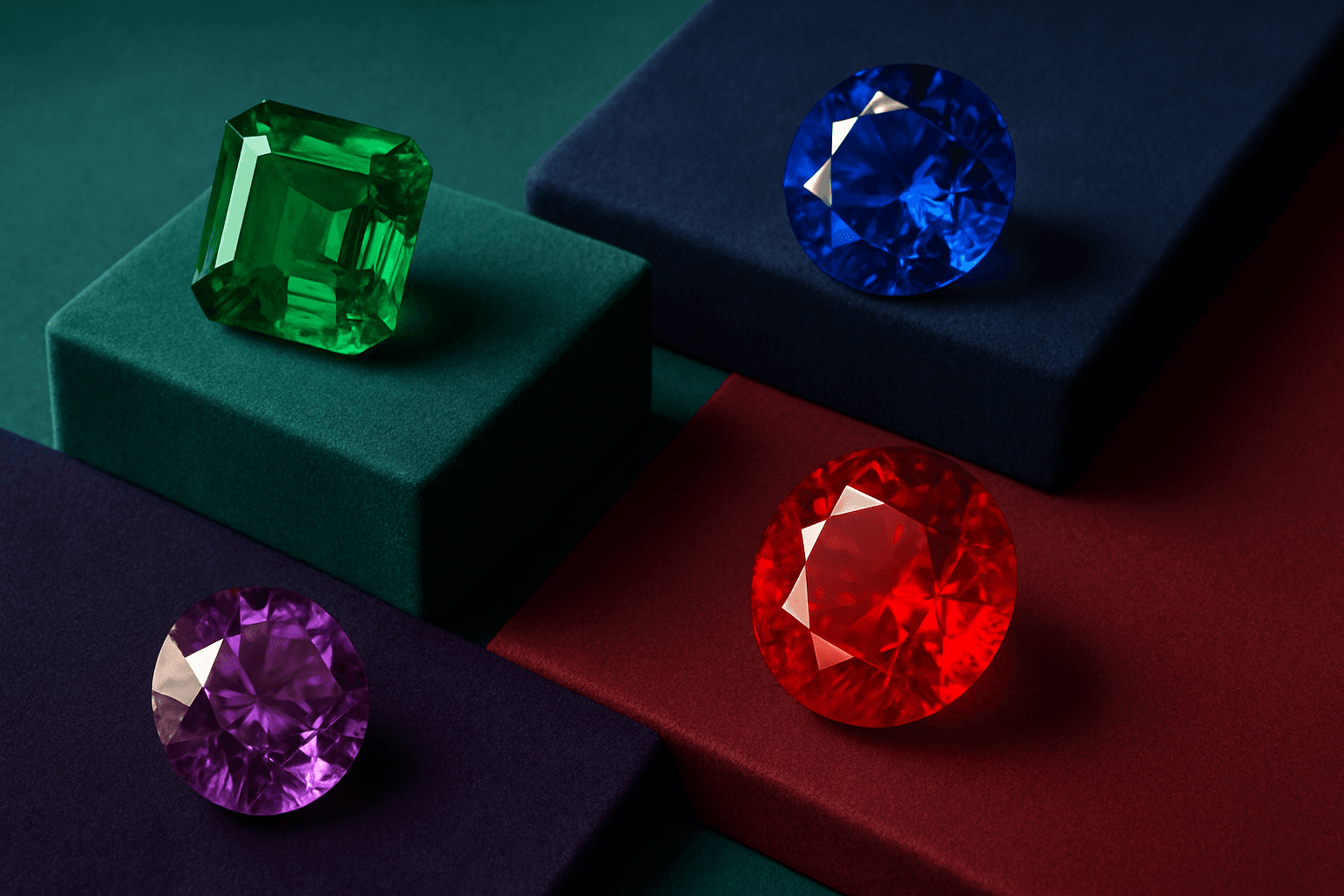
Jewel tone colors are a palette of rich, saturated hues inspired by natural gemstones like emerald green, sapphire blue, ruby red, and amethyst purple. These colors are known for their vibrant intensity and luxurious feel, making them popular across various creative fields including fashion, interior design, and digital art. Jewel tones stand out for their ability to add depth and sophistication to compositions, offering a bold yet elegant aesthetic. Their luminous quality helps convey a sense of opulence and timeless beauty, making them favored choices for premium design projects and high-end branding.
Definition
Jewel tone colors are deep, vibrant hues that resemble precious gemstones such as emerald, sapphire, ruby, and amethyst. These colors are rich, saturated, and evoke a sense of luxury and elegance, often featuring blues, greens, reds, purples, and yellows with a luminous quality.
Visual Characteristics
- Highly saturated with deep intensity
- Rich, vibrant hues mimicking gemstones
- Often possess a subtle glow or luminous quality
Best Use Cases
- Fashion design to create luxurious apparel collections
- Interior design for rich, inviting room palettes
- Digital art and illustration to add vivid depth and sophistication
Prompt Examples
- Create a portrait illuminated with jewel tone colors like sapphire blue and emerald green, featuring realistic textures and subtle lighting.
- Design a modern living room interior using jewel tone colors such as ruby red and amethyst purple with refined materials and ambient light.
- Illustrate a fantasy scene utilizing a palette of jewel tones including topaz yellow and garnet red, emphasizing depth and vibrant hues.
Adobe Stock Potential
Images featuring jewel tone colors hold strong commercial potential on Adobe Stock due to their versatility and frequent use in luxury branding, fashion editorials, and sophisticated design projects. These rich colors appeal to creatives seeking premium-quality visuals to enhance marketing materials, product presentations, and digital content. The luminous and elegant nature of jewel tones contributes to timeless imagery that performs well in competitive stock marketplaces, making such assets valuable for buyers targeting high-end clienteles and upscale aesthetics.
FAQ
What are the most common jewel tone colors?
The most common jewel tone colors include emerald green, sapphire blue, ruby red, amethyst purple, and topaz yellow, each inspired by classic gemstones.
How can jewel tone colors enhance a design?
Jewel tone colors add richness, vibrancy, and sophistication to designs, making them stand out while conveying luxury and depth.
Are jewel tones suitable for all design styles?
While jewel tones work best with elegant, luxurious, or dramatic styles, they can be adapted for modern and minimalist designs when used thoughtfully.
Continue Exploring
Related Prompts
Deep Jewel Tones
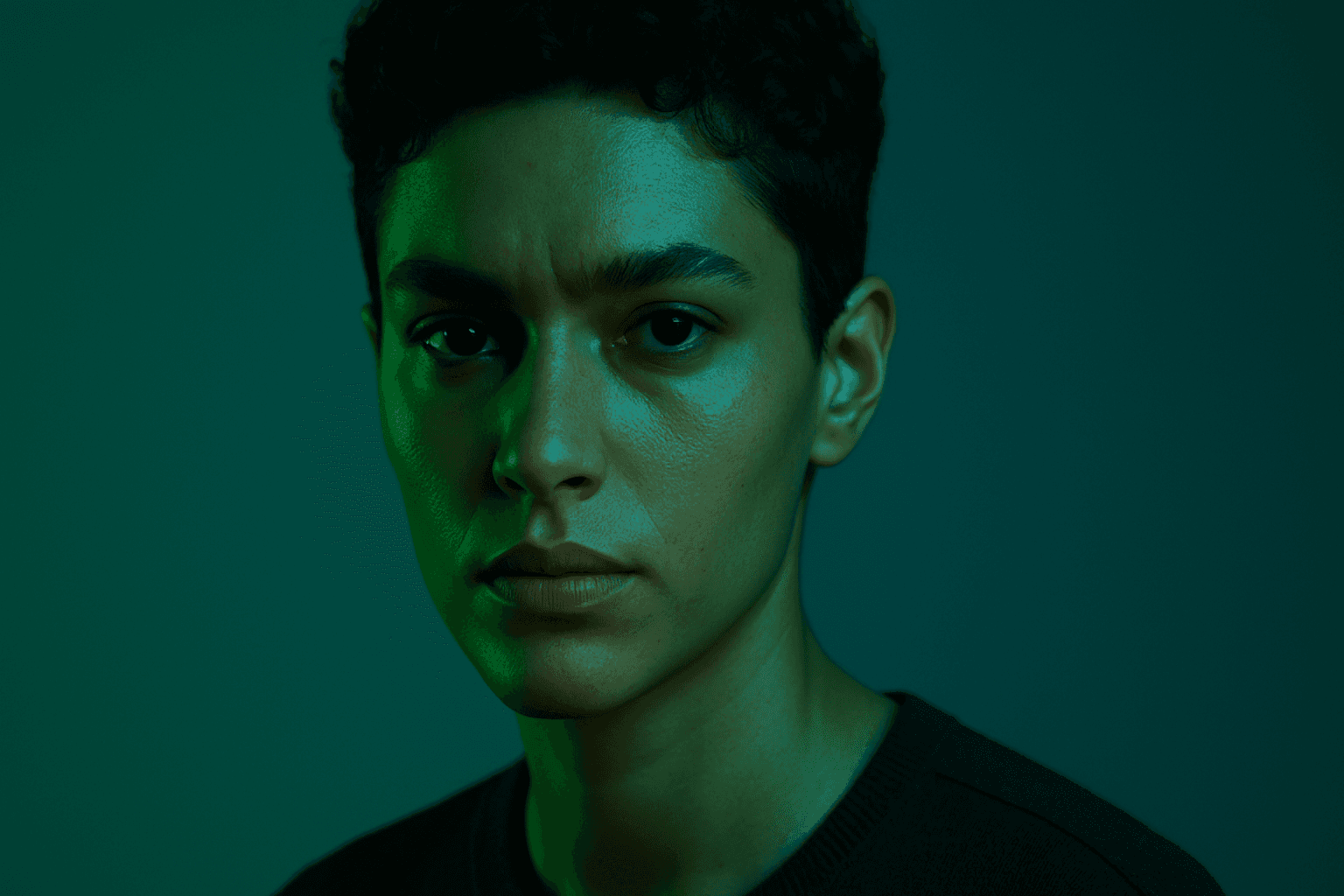
Deep jewel tones are a color category that draws inspiration from the vibrant and saturated hues of gemstones such as emeralds, sapphires, rubies, and amethysts. Using these colors in AI-generated images results in visuals that feel elegant, deep, and luxurious. The intense saturation combined with a natural richness adds emotional depth and visual interest without overwhelming the composition. This palette is especially effective for creating sophisticated editorial portraits, stylish fashion imagery, and premium product photography. By specifying 'deep jewel tones' in prompts, artists and creators can reliably evoke a refined atmosphere with distinctive, eye-catching colors.
Muted Earth Tone Colors
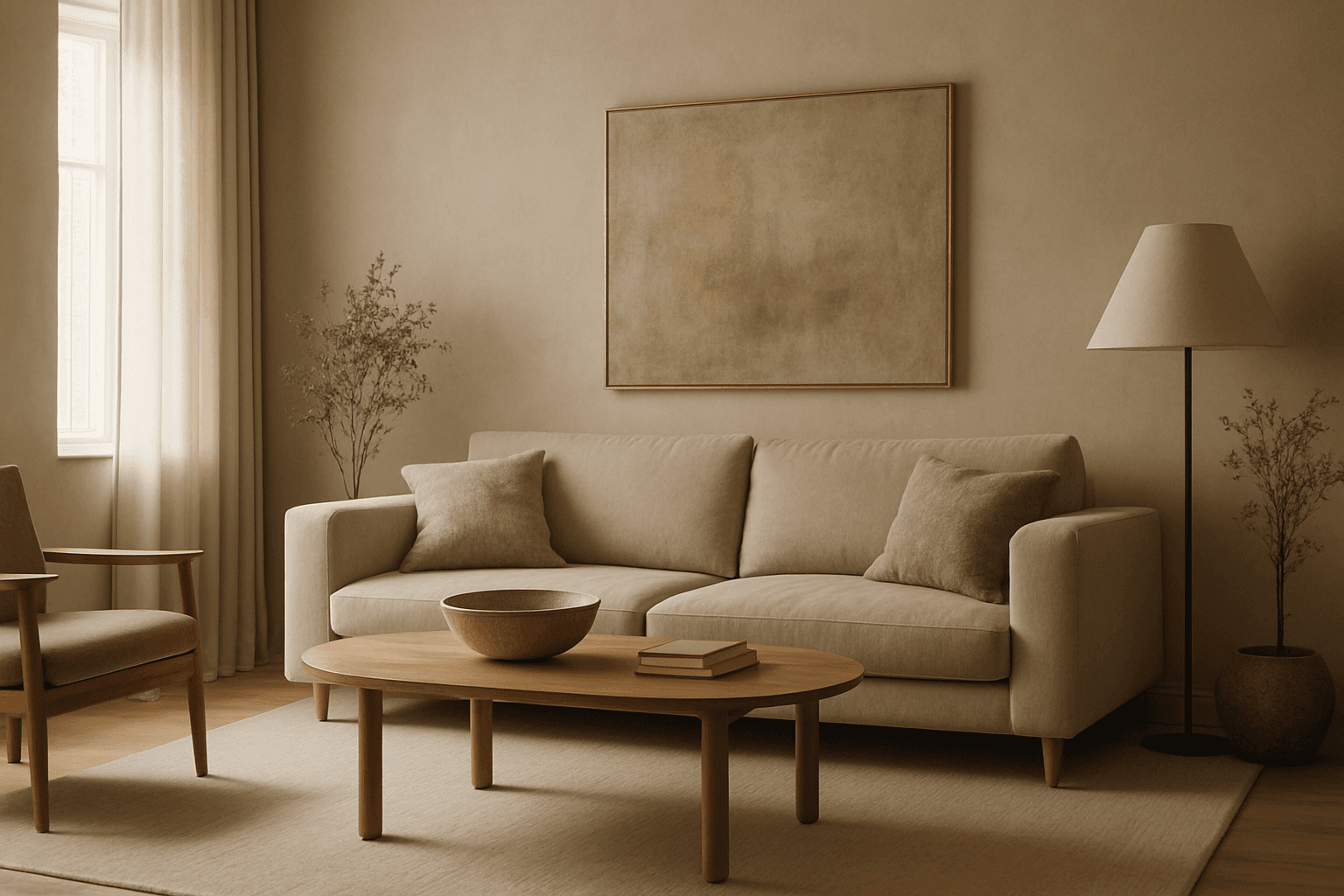
Muted earth tone colors encapsulate a palette inspired by nature’s subtle and calming shades such as soft browns, gentle greens, warm ochres, and quiet grays. When integrated into AI image prompts, these colors help generate images that feel organic, grounded, and harmonious, making them ideal for designs seeking understated elegance or a natural aesthetic. This approach avoids harsh contrasts and bright tones, providing visuals that are soothing and visually balanced. Such color schemes are especially useful in editorial photography, interior design renderings, and lifestyle imagery, where authenticity and warmth are key. Utilizing these tones can transform generic visuals into cohesive, premium-feeling compositions that align with modern aesthetic trends.
Gradient Colors
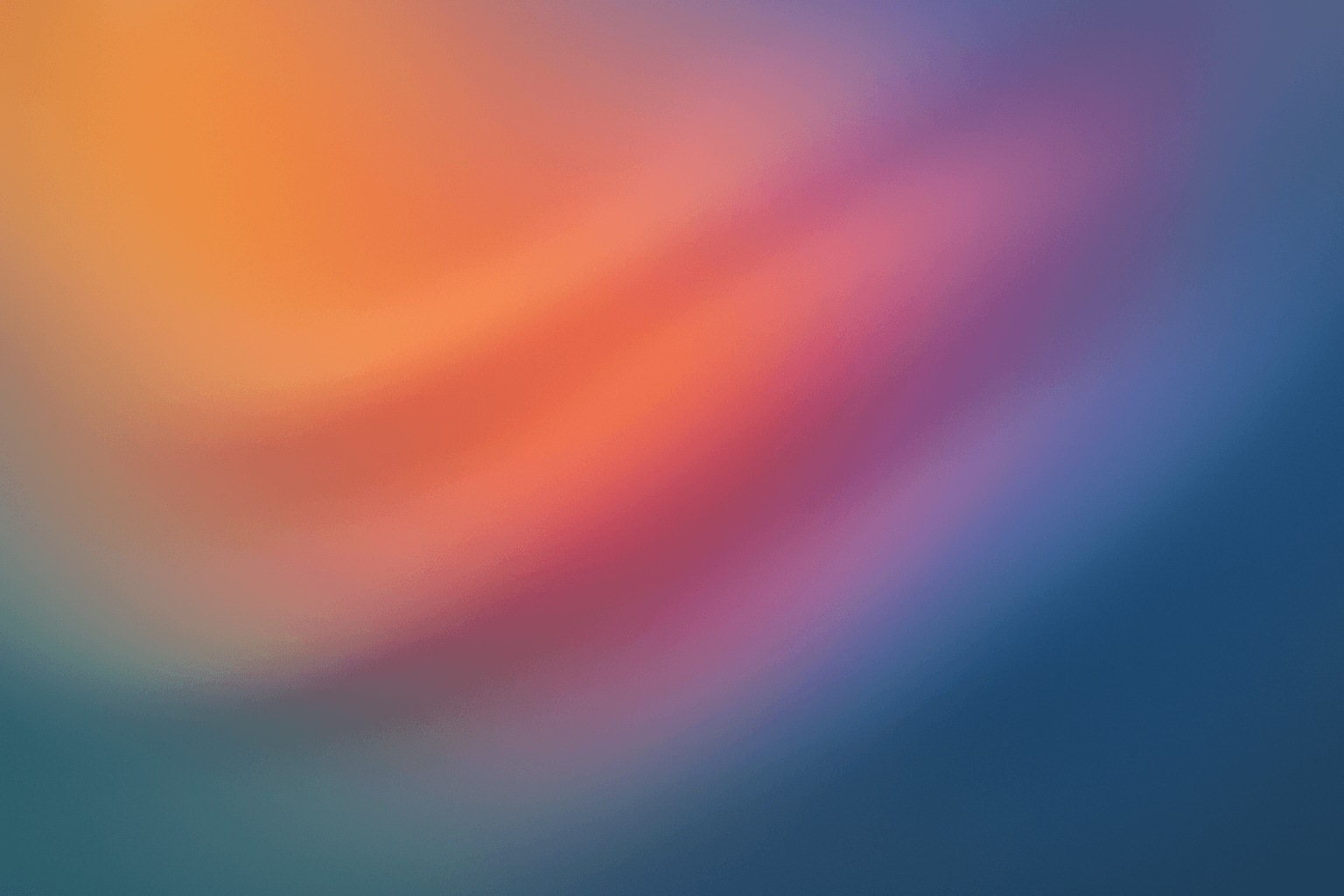
Gradient colors are a popular design element characterized by a seamless shift between two or more colors. They range from subtle transitions, such as a light blush to soft pink, to vibrant combinations like bright blue fading into emerald green. Used widely in digital design, web interfaces, branding, and art, gradients add visual interest and guide the viewer's eye across a composition. Modern tools allow designers to customize gradients with various styles — linear, radial, angular, or diamond-shaped — enhancing the flexibility and creative potential of this technique.

Gradient Sky Colors
Incorporating Gradient Sky Colors into AI-generated images significantly enhances the atmospheric quality and visual depth of outdoor scenes. By blending multiple hues in a smooth, gradual fashion, these skies offer a natural yet captivating backdrop that supports various themes such as serenity, romance, or drama. This keyword is especially useful in settings featuring landscapes, cityscapes, or fantasy environments, enriching the emotional tone of an image. Using gradient skies in prompts allows creators to move beyond flat or uniform color skies, enabling more dynamic and mood-driven outputs that resonate well in editorial, advertising, and artistic contexts.
Bright Pastel Palette
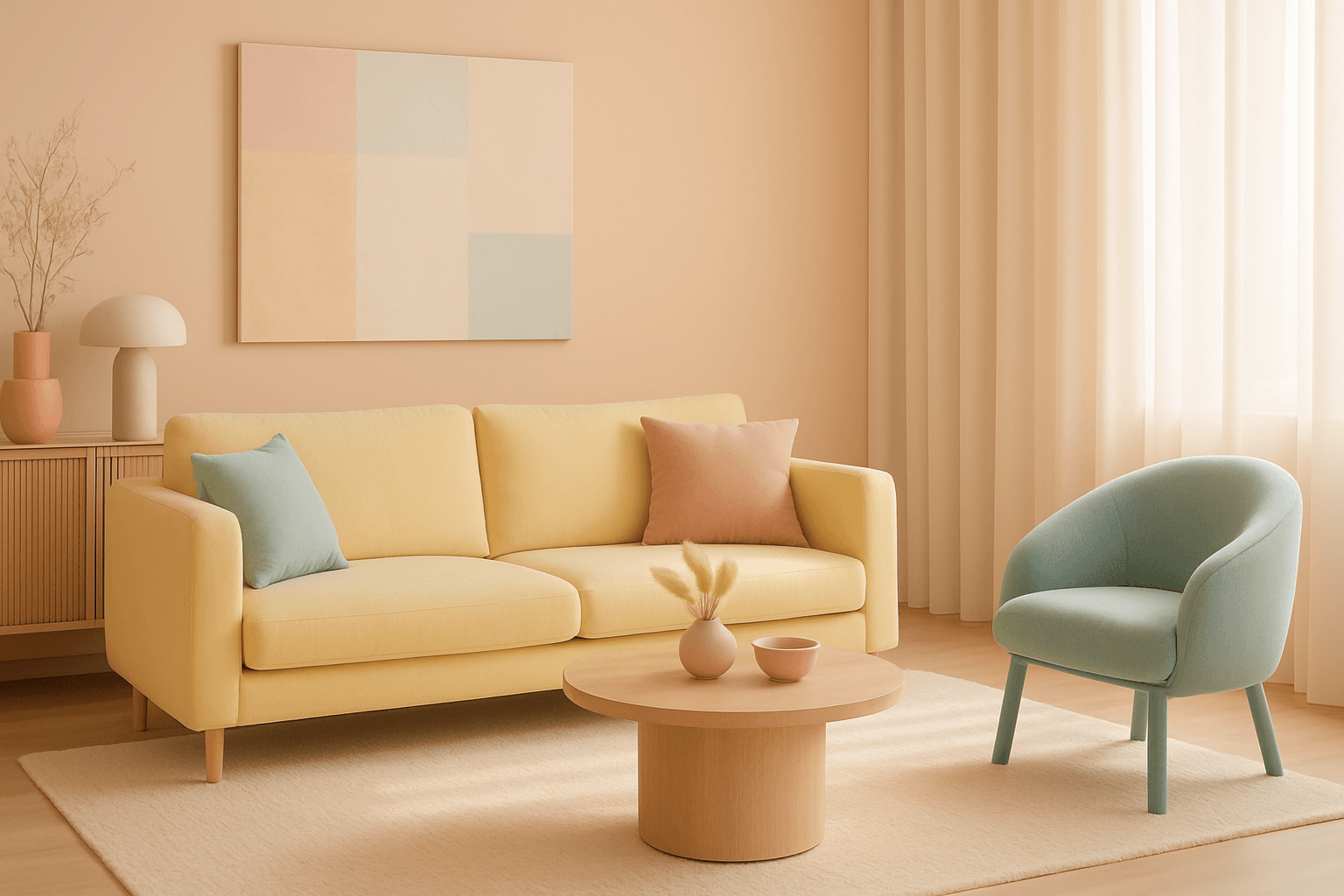
The Bright Pastel Palette is a popular choice in AI-generated imagery for creating visuals that combine softness with energy. These palettes blend traditional pastels—colors with low saturation and high lightness—with increased brightness to keep the colors gentle yet eye-catching. This balance serves to evoke feelings of calmness infused with optimism, making the color scheme widely favored in advertising, editorial spreads, and social media visuals. When used in AI image prompts, it steers the model to generate harmonious color compositions that are neither dull nor harsh, ideal for modern and clean aesthetics.
Duotone Colors
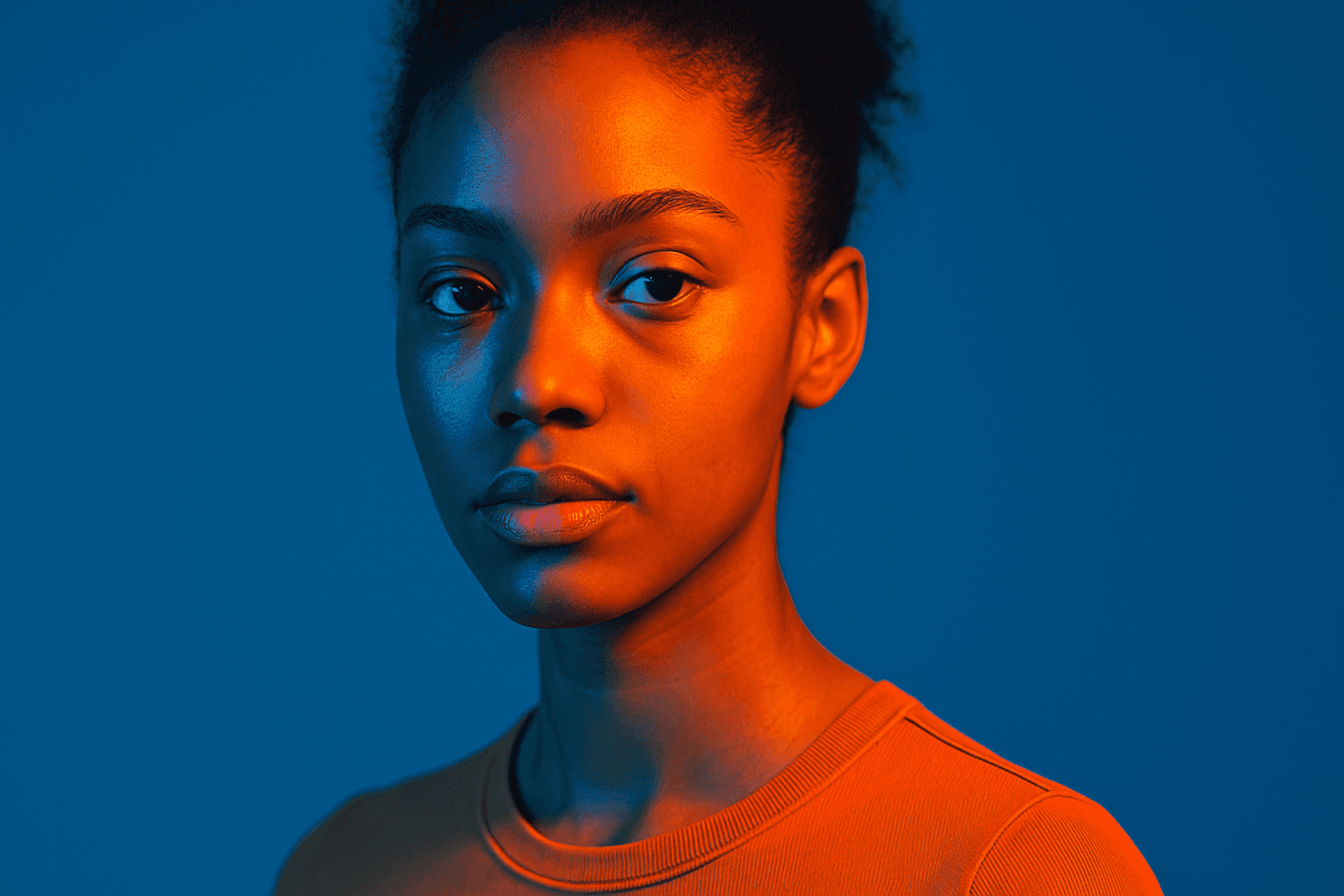
Duotone colors combine two distinct hues—often contrasting—to produce visually impactful images that balance simplicity and dynamism. This technique became popular in photography and graphic design where it adds a modern, artistic touch by emphasizing shadows and highlights through just two colors. Duotone visuals work well in various media including digital art, branding, and advertising. By limiting the color scheme, duotone designs offer clarity and a bold aesthetic that can communicate emotion effectively. With advances in AI image generation and editing, creating duotone visuals has become straightforward, allowing designers to experiment with color combinations and achieve stylized imagery that stands out.