Gradient Colors
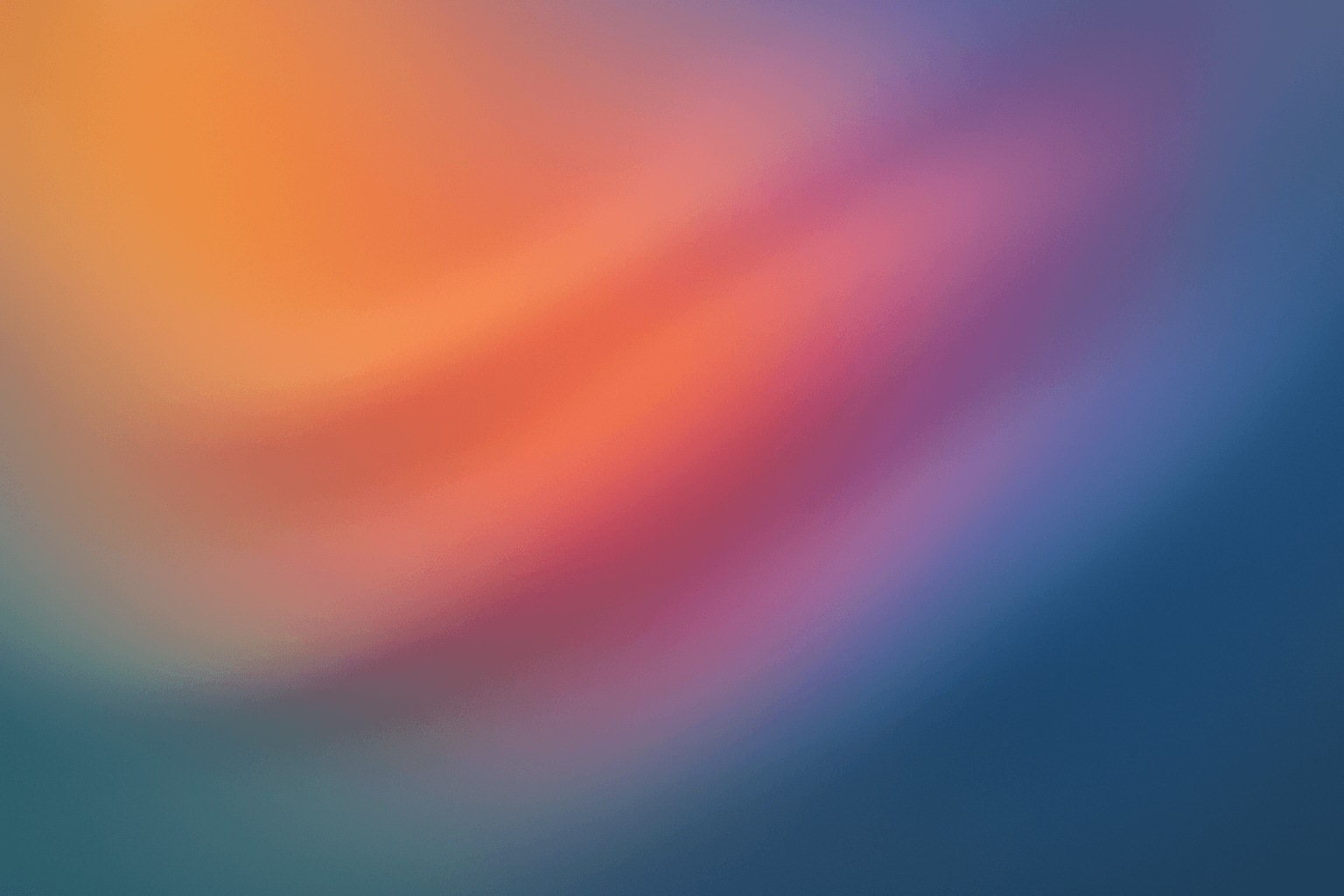
Gradient colors are a popular design element characterized by a seamless shift between two or more colors. They range from subtle transitions, such as a light blush to soft pink, to vibrant combinations like bright blue fading into emerald green. Used widely in digital design, web interfaces, branding, and art, gradients add visual interest and guide the viewer's eye across a composition. Modern tools allow designers to customize gradients with various styles — linear, radial, angular, or diamond-shaped — enhancing the flexibility and creative potential of this technique.
Definition
Gradient colors are color transitions that smoothly blend from one hue to another. Often used to add depth, dimension, or a dynamic visual effect, gradients can shift between two or more colors in a linear or radial fashion. They enhance flat designs by introducing subtle or bold color variations, making visuals more engaging and vibrant.
Visual Characteristics
- Smooth color transitions between hues
- Blended gradients can be linear, radial, or angular
- Creates a sense of depth and dimensionality
Best Use Cases
- Backgrounds for websites and apps to add depth
- Button and UI element design for visual engagement
- Branding assets like logos and promotional artwork
Prompt Examples
- A sleek app interface with a blue to violet linear gradient background
- Luxury product packaging featuring a gold to deep maroon radial gradient
- Abstract digital art using smooth gradient transitions in pastel tones
Adobe Stock Potential
Images showcasing gradient colors have strong commercial appeal due to their versatility and modern aesthetic. Gradient backgrounds and designs are widely sought in advertising, web design, and corporate branding because they convey professionalism with a dynamic edge. Stock photos and vectors featuring clean, premium gradients fit well within editorial and marketing content, driving consistent demand in commercial licensing.
FAQ
What types of gradients exist?
The most common gradients are linear, where color shifts along a straight line, and radial, which radiate outward from a central point. Other styles include angular and diamond gradients.
Can gradients be used in print design?
Yes, gradients can be effectively used in print, but designers need to consider color profiles and printing techniques to ensure smooth transitions without banding.
How do gradients affect user experience in UI design?
Gradients can draw attention to interactive elements, create hierarchy, and improve aesthetics, enhancing the overall user engagement with apps and websites.
Continue Exploring
Related Prompts
Jewel Tone Colors
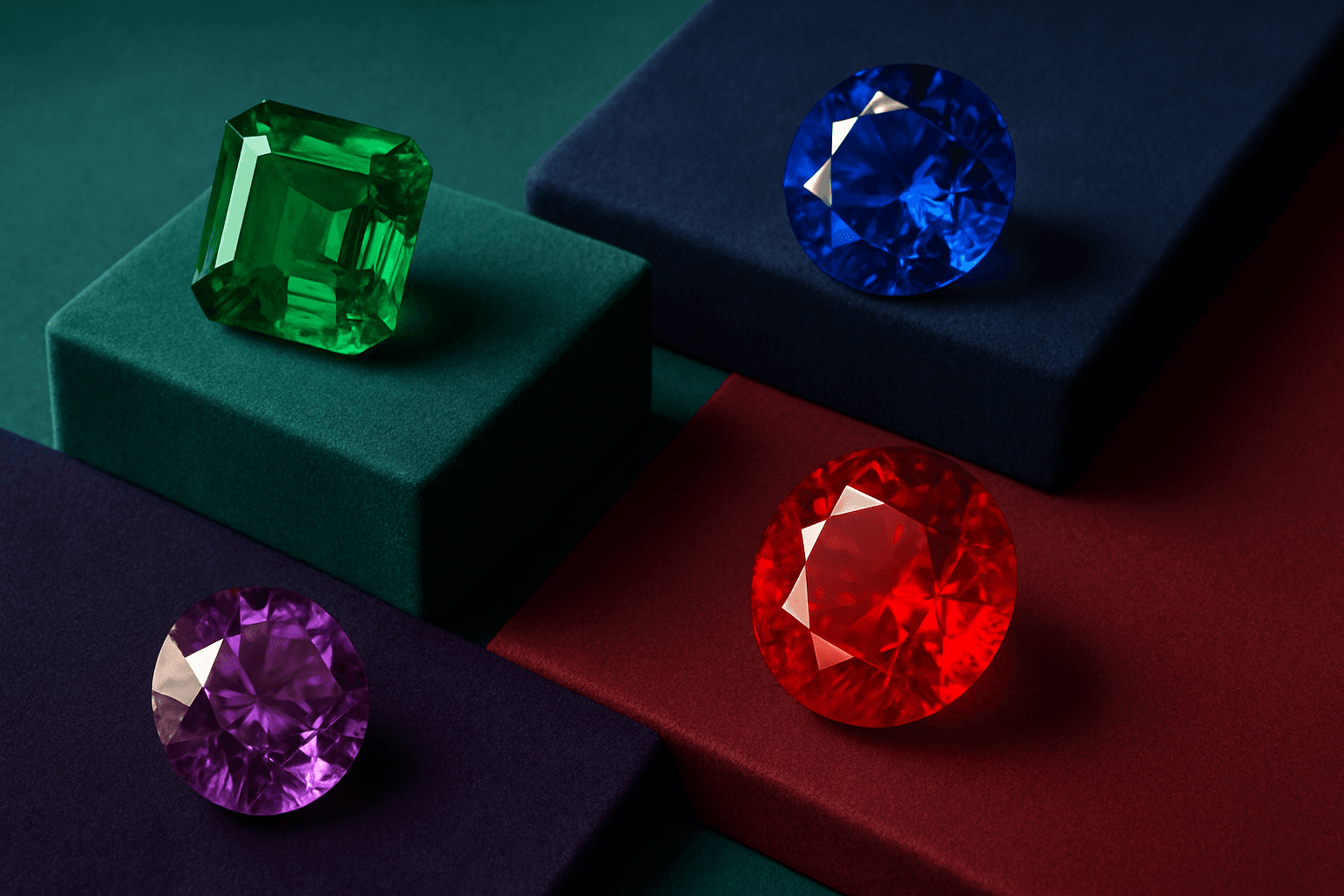
Jewel tone colors are a palette of rich, saturated hues inspired by natural gemstones like emerald green, sapphire blue, ruby red, and amethyst purple. These colors are known for their vibrant intensity and luxurious feel, making them popular across various creative fields including fashion, interior design, and digital art. Jewel tones stand out for their ability to add depth and sophistication to compositions, offering a bold yet elegant aesthetic. Their luminous quality helps convey a sense of opulence and timeless beauty, making them favored choices for premium design projects and high-end branding.

Gradient Sky Colors
Incorporating Gradient Sky Colors into AI-generated images significantly enhances the atmospheric quality and visual depth of outdoor scenes. By blending multiple hues in a smooth, gradual fashion, these skies offer a natural yet captivating backdrop that supports various themes such as serenity, romance, or drama. This keyword is especially useful in settings featuring landscapes, cityscapes, or fantasy environments, enriching the emotional tone of an image. Using gradient skies in prompts allows creators to move beyond flat or uniform color skies, enabling more dynamic and mood-driven outputs that resonate well in editorial, advertising, and artistic contexts.
Duotone Colors
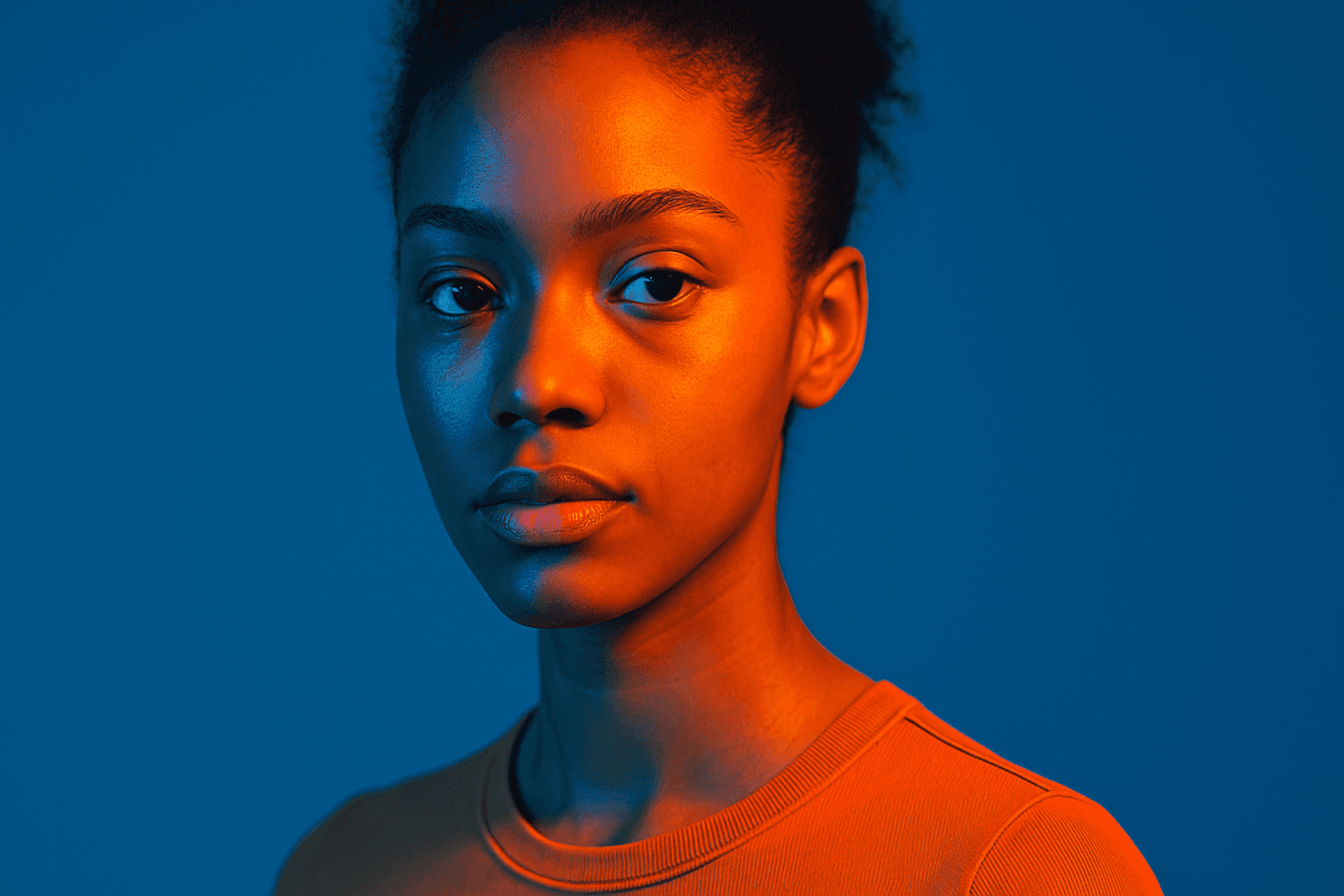
Duotone colors combine two distinct hues—often contrasting—to produce visually impactful images that balance simplicity and dynamism. This technique became popular in photography and graphic design where it adds a modern, artistic touch by emphasizing shadows and highlights through just two colors. Duotone visuals work well in various media including digital art, branding, and advertising. By limiting the color scheme, duotone designs offer clarity and a bold aesthetic that can communicate emotion effectively. With advances in AI image generation and editing, creating duotone visuals has become straightforward, allowing designers to experiment with color combinations and achieve stylized imagery that stands out.

Pastel Gradient Color Scheme
The pastel gradient color scheme is popular in AI-generated art for its serene and inviting aesthetic. It involves the blending of light, desaturated pastel tones in gradual transitions, which can add depth and softness to visuals without overwhelming details. Using this keyword in prompts helps create backgrounds, themes, or focal areas that evoke feelings of calmness and subtle sophistication. This scheme often suits digital art, branding visuals, and UI elements where gentle color progression supports readability and aesthetic appeal. Its balanced and harmonious style enhances mood and focuses attention, making it a versatile choice in many design contexts.
Desaturated Colors
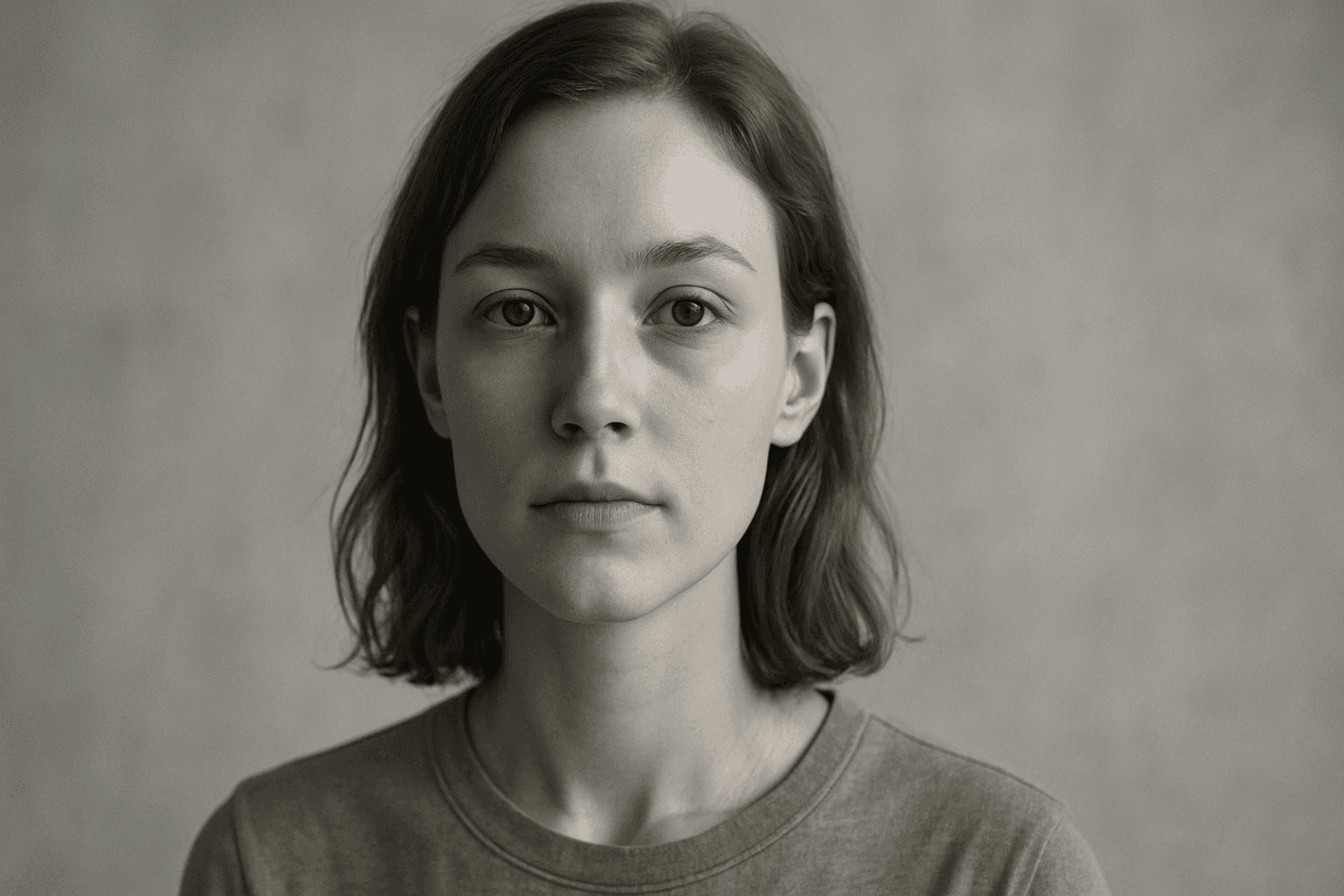
In AI image generation, 'desaturated colors' guide models to produce images with toned-down color intensity, resulting in a muted and understated appearance. This technique is valuable for conveying moods such as tranquility, nostalgia, or elegance by avoiding overly bright or saturated colors. Using desaturated colors can help shift the focus to composition, texture, and lighting rather than vivid color contrasts, making images more versatile for editorial content, fashion, or natural scenes. It balances realism and artistic subtlety, especially when paired with refined lighting and soft shadows to emphasize material qualities and depth.
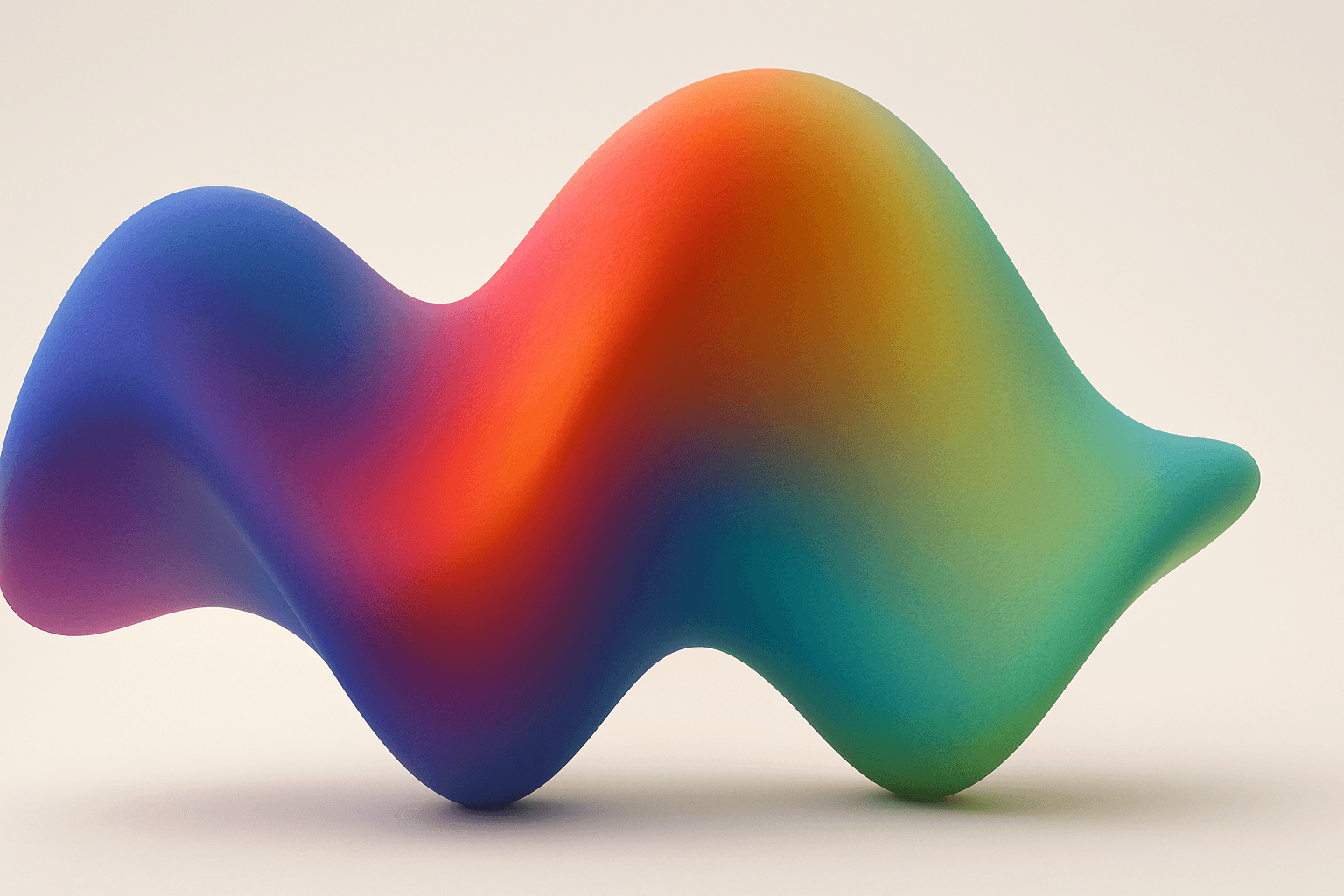
Gradient Mesh Coloring
Gradient mesh coloring enriches AI-generated images by introducing smooth, multidirectional color blends that mimic real-life shading and lighting nuances. Unlike standard gradients, which follow linear or radial flows, gradient meshes form intricate color maps over an object's surface, allowing fine control over color shifts and highlights. When used in AI prompts, this keyword encourages the model to create images with sophisticated color depth, making visuals feel more natural and textured. This effect is especially powerful in subjects requiring realistic rendering of materials like fabric, skin, or liquid, as well as in abstract compositions demanding refined chromatic transitions.